

Mumbai, India – In a significant development that transcends the traditionally tense India-Pakistan sporting rivalry, former India head coach and celebrated all-rounder, Ravi Shastri, has publicly expressed profound concern over the treatment of former Pakistan Prime Minister and cricketing legend, Imran Khan, during his ongoing incarceration. Shastri’s outspoken appeal for "better and humane treatment" for his erstwhile competitor adds a powerful voice to a growing international chorus advocating for the welfare of the imprisoned Pakistani statesman.
Shastri’s remarks, delivered during a recent event by Republic World, underscored a sentiment of dismay at the perceived lack of dignity afforded to a figure of Khan’s global stature. "I’m not a politician," Shastri began, "but just to see the way he’s being treated today is shocking. You know, no one treats a human being like that. On humanitarian grounds, I don’t think he deserves what he’s getting." His statement resonates deeply, not just within the cricketing fraternity but across borders, highlighting the universal expectation of humane treatment, irrespective of political circumstances.
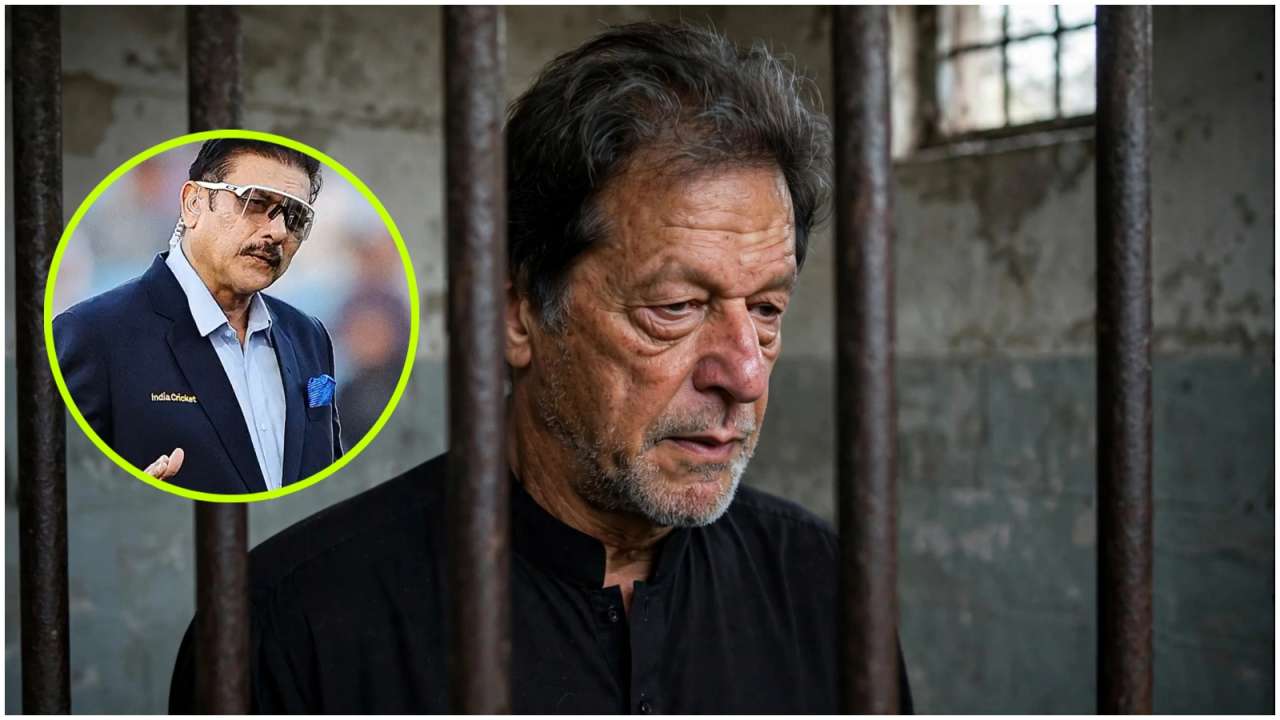
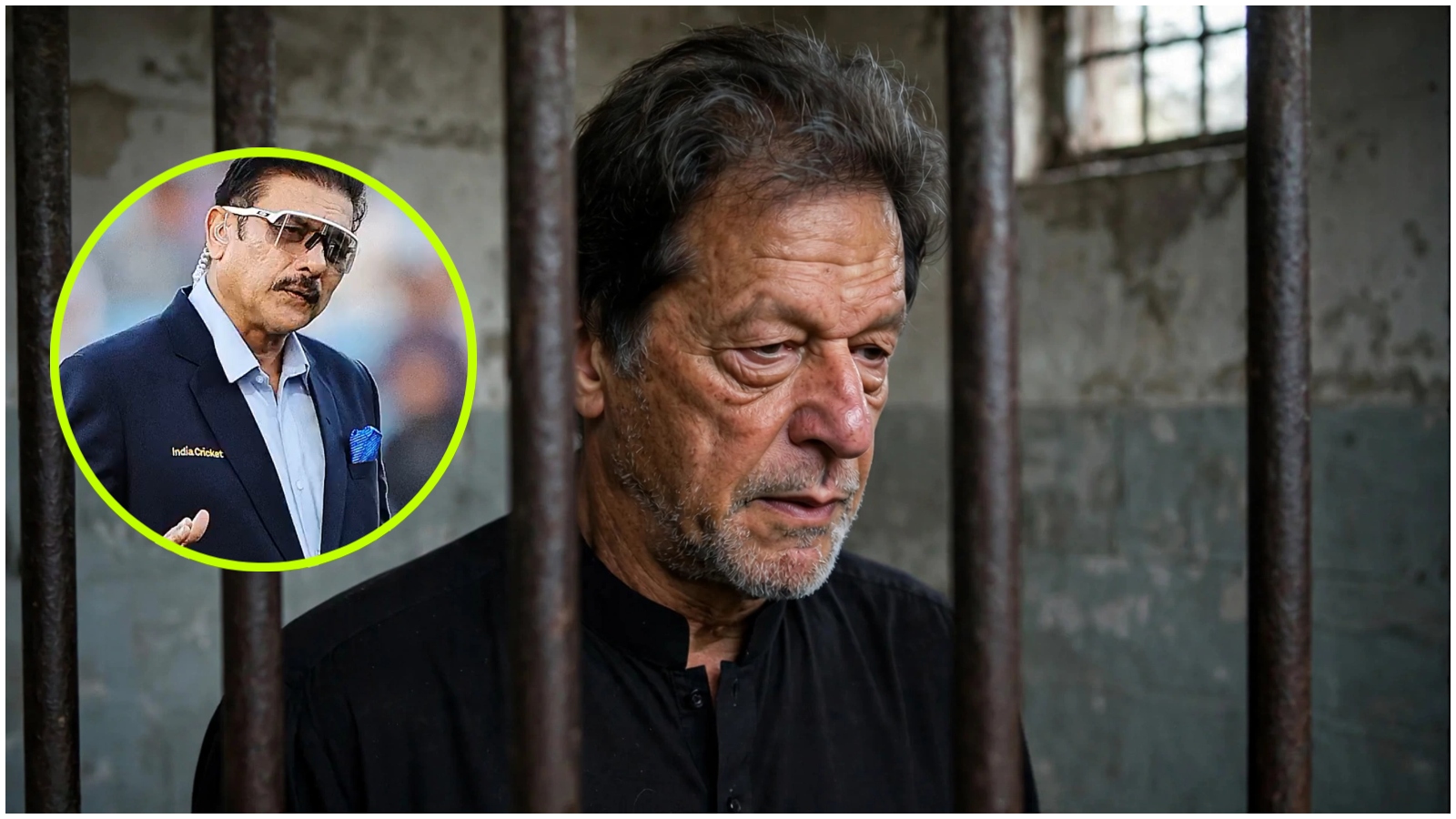
Imran Khan, a household name synonymous with Pakistan’s greatest cricketing triumph – the 1992 ODI World Cup victory – and a former head of government, has been behind bars in Rawalpindi since May 2023. His detention on various charges has sparked widespread protests within Pakistan and drawn considerable attention from international human rights organizations and political observers. Shastri’s intervention is particularly poignant given the shared history and mutual respect that often characterized the encounters between the two cricketing titans during their playing days.
Main Facts: A Plea for Humanity Across Borders
Ravi Shastri’s recent comments represent a forceful intervention into the contentious political landscape surrounding Imran Khan’s detention. The former Indian coach did not mince words, articulating a clear stance against what he perceives as inhumane treatment meted out to the former Pakistani Prime Minister. Shastri emphasized that his concerns stem purely from a humanitarian perspective, asserting that "no one treats a human being like that." This statement immediately shifts the discourse from a political debate to a fundamental discussion about human rights and dignity.
)
Central to Shastri’s argument is Imran Khan’s unparalleled global recognition. He explicitly stated, "He’s the most recognised Pakistani face globally. Whether you like it or not, that’s my view." This acknowledgement underscores the widespread impact Khan has had, not just as a cricketer who led his nation to its sole World Cup title, but also as a politician who ascended to the highest office. Shastri’s appeal is not an endorsement of Khan’s political ideology or actions, but rather a plea for a universally accepted standard of care and respect for an individual who has contributed significantly on the world stage.
Shastri also voiced a collective sentiment, suggesting that many of his cricketing peers worldwide would "be echoing the same sentiments." This indicates a broader concern within the international cricketing community, many of whom shared the field or interacted with Khan during his illustrious career. The cricketing world, often seen as a unifying force, appears to be collectively troubled by the perceived indignities faced by one of its most iconic figures. The former Indian all-rounder’s hope for Khan’s well-being and eventual release under improved conditions forms the core of his humanitarian appeal, urging for a resolution that upholds basic human decency.

Chronology: From Sporting Glory to Political Confinement
The journey of Imran Khan is one of extraordinary highs and dramatic turns, from an iconic sports personality to a charismatic political leader, culminating in his current controversial incarceration. Understanding this trajectory is crucial to grasping the weight of Ravi Shastri’s recent statements.
Early Life and Cricketing Ascendancy (1952 – 1992):
Born in Lahore, Pakistan, Imran Khan Niazi hailed from an affluent Pashtun family. His early education at Aitchison College Lahore, Royal Grammar School Worcester, and Keble College, Oxford, laid the foundation for a distinguished career. He made his Test debut for Pakistan in 1971 but truly emerged as a formidable all-rounder in the late 1970s and 1980s. Known for his express pace, devastating swing, and powerful hitting, Khan became one of the greatest cricketers of his generation. His captaincy, characterized by a fierce will to win and an ability to inspire young talent, reached its zenith in 1992 when he led Pakistan to an improbable victory in the Cricket World Cup in Australia and New Zealand. This triumph cemented his status as a national hero and an international icon, embodying resilience and leadership.
)
Transition to Philanthropy and Politics (1992 – 2018):
Following his retirement from cricket, Khan dedicated himself to philanthropy, most notably establishing the Shaukat Khanum Memorial Cancer Hospital and Research Centre in Lahore, named after his mother. This charitable endeavor further endeared him to the Pakistani populace. His foray into politics began in 1996 with the founding of the Pakistan Tehreek-e-Insaf (PTI – Pakistan Movement for Justice) party. For over two decades, Khan championed an anti-corruption platform, advocating for a "New Pakistan" free from dynastic politics and financial malfeasance. His political journey was marked by significant struggles, including electoral defeats and periods of limited influence, before gaining substantial momentum in the 2010s.
Rise to Premiership (2018 – 2022):
After years of persistent campaigning and a strong showing in the 2013 elections, Imran Khan finally achieved his political ambition in 2018, leading the PTI to victory and becoming the 22nd Prime Minister of Pakistan. His premiership was characterized by a focus on accountability, social welfare programs, and an independent foreign policy. However, his tenure was also fraught with challenges, including economic difficulties, strained relations with the military establishment, and increasing political polarization.
)
Downfall and Arrest (2022 – Present):
Khan’s political fortunes took a dramatic downturn in April 2022 when he was ousted from power through a no-confidence vote, becoming the first Pakistani Prime Minister to face such a fate. He alleged a foreign-backed conspiracy to remove him, a claim consistently denied by his opponents and the military. Following his removal, Khan embarked on a nationwide protest campaign, demanding early elections. This period saw a significant surge in his popularity but also an escalation of legal challenges against him.
The critical turning point came on May 9, 2023, when Imran Khan was dramatically arrested from the premises of the Islamabad High Court in connection with the Al-Qadir Trust case, an arrest that triggered widespread and unprecedented protests across Pakistan, leading to clashes and significant property damage. This event marked the beginning of a sustained period of legal battles and detention. Since then, he has faced a multitude of charges, including those related to corruption (such as the Toshakhana case, where he was accused of illegally selling state gifts), sedition, inciting violence, and allegations under the Official Secrets Act (the ‘cipher case,’ involving a classified diplomatic cable).
)
He was initially held at the Attock Jail before being transferred to Adiala Jail in Rawalpindi, where he currently remains. His legal team has consistently raised concerns about his detention conditions, alleging solitary confinement, lack of proper medical facilities, and denial of adequate access to his lawyers and family. These allegations form the backdrop against which Ravi Shastri and others have expressed their humanitarian concerns.
Previous Voices of Support from the Cricketing World:
Ravi Shastri is not the first prominent cricketer to express unease over Imran Khan’s situation. The cricketing fraternity, both domestic and international, has largely maintained a degree of circumspection due to the political sensitivities involved. However, several former teammates and international figures have indirectly or directly alluded to their concerns:
)
- Wasim Akram and Waqar Younis: Two of Khan’s greatest proteges and stars of the 1992 World Cup team, have often spoken about their mentor’s leadership qualities and impact on their careers. While refraining from explicit political commentary, their admiration for Khan as a leader remains evident.
- Shoaib Akhtar: The ‘Rawalpindi Express’ has occasionally spoken out, expressing sadness over the plight of a national hero, without delving into the political specifics.
- Kevin Pietersen (England): The former English batsman, who has a strong connection with Pakistan Super League (PSL), has used social media to express general concern for Khan’s well-being and the political instability in Pakistan, often implying a desire for a peaceful resolution.
- Shane Watson (Australia): Another international cricketer with ties to the PSL, has also commented on the unsettling nature of the events unfolding in Pakistan, particularly concerning a figure as globally recognized as Khan.
Shastri’s statement, however, is particularly impactful due to its directness and his stature as a prominent Indian cricketing figure, crossing a geopolitical divide often characterized by animosity. His comments at the Republic World event on October 5, 2026 (as per the source image date), represent a clear, unequivocal call for humane treatment, adding significant weight to the growing international scrutiny of Khan’s detention.
Supporting Data: The Global Icon, The Alleged Conditions, And The Spirit of Rivalry
Ravi Shastri’s impassioned plea for humane treatment for Imran Khan is bolstered by several layers of context, ranging from Khan’s undeniable global stature to persistent allegations regarding his conditions of detention, and the unique spirit of respect that often underpinned the fiercest India-Pakistan cricketing rivalries.
)
Imran Khan: "The Most Recognised Pakistani Face Globally":
Shastri’s assertion that Imran Khan is "the most recognised Pakistani face globally" is not hyperbole but a statement of fact rooted in decades of international acclaim. Khan’s cricketing career transcended mere statistics; he embodied an era of Pakistani cricket characterized by flair, aggression, and an unyielding competitive spirit. The 1992 World Cup triumph, achieved against formidable odds, transformed him into a living legend, a symbol of national pride and resilience. His image, cultivated through athletic prowess, intellectual depth (Oxford education), and a distinctive persona, became instantly recognizable worldwide.
Furthermore, his transition into politics and eventual premiership amplified his global profile. As a head of state, he interacted with world leaders, participated in international forums, and presented Pakistan’s narrative on the global stage. Even after his removal from power, his political movement continued to attract significant international media attention, with major global news outlets closely following his rallies, arrests, and legal battles. This sustained visibility means that any perceived mistreatment of Khan inevitably draws international scrutiny, making Shastri’s humanitarian appeal resonate far beyond cricketing circles.
)
Allegations of Inhumane Treatment and Detention Conditions:
The concerns raised by Shastri about Khan’s treatment are not isolated. Since his arrest, Imran Khan’s legal team and his political party, PTI, have consistently voiced alarm over the conditions of his detention. While the Pakistani government maintains that Khan is being held according to legal protocols and provided with necessary facilities, counter-allegations paint a different picture:
- Solitary Confinement: Reports from his lawyers and party members have suggested periods of solitary confinement, which can have significant psychological impacts.
- Lack of Medical Access: Concerns have been raised regarding the adequacy of medical care, particularly given Khan’s age and past injuries. His lawyers have frequently petitioned courts for independent medical examinations and better health facilities.
- Denial of Family and Legal Access: There have been repeated complaints about restricted access for his family members and legal counsel, hindering his ability to prepare his defence effectively.
- Basic Amenities: While official statements often assure proper amenities, anecdotal reports from legal visits have occasionally described less-than-ideal conditions regarding cell size, hygiene, and the quality of food.
- Judicial Process Concerns: Beyond the physical conditions, there are broader concerns from human rights organizations regarding the swiftness of trials, the number of cases against him, and the perceived political motivation behind some charges, all of which contribute to the ‘inhumane’ context of his detention.
These allegations, whether fully substantiated or contested, fuel the narrative of injustice and indignity, lending credence to Shastri’s humanitarian call.
)
The India-Pakistan Cricketing Rivalry: Respect Amidst Fierce Competition:
Ravi Shastri’s reflections on Imran Khan, the cricketer, highlight a crucial aspect of their relationship and the broader India-Pakistan sporting dynamic: mutual respect despite intense rivalry. "This man you’re seeing there with me was an unbelievable cricketer. I mean, a great cricketer is an understatement," Shastri remarked, recalling Khan’s prowess. He continued, "The rivalry was out of respect. It was India-Pakistan at the time, with both teams playing a lot of cricket. So that rivalry was there. But this fellow as a cricketer was something else. He was a leader. Leader of men. Magnificent all-round cricketer."
This sentiment is vital. While India-Pakistan cricket matches were often charged with geopolitical tension, leading to fierce on-field battles, there was often an underlying professional respect among players. Shastri and Khan, both aggressive, confident, and highly skilled all-rounders, represented the pinnacle of their respective teams. Their encounters were a clash of titans, but off the field, or in retrospect, there was an acknowledgement of each other’s greatness. Shastri’s willingness to speak out now, despite the political chasm between the two nations, underscores this enduring respect and prioritizes humanitarian concerns over nationalistic differences. It signifies that for some, the bonds forged on the sporting arena transcend political boundaries and current affairs.
)
Official Responses: Silence on Specifics, Stance on Legality
As of the immediate aftermath of Ravi Shastri’s statement, there has been no direct, official response from the Pakistani government or its judicial authorities specifically addressing his comments. Governments typically refrain from reacting to remarks made by individuals, even prominent international figures, especially when those remarks touch upon sensitive internal political and legal matters.
However, it is crucial to understand the general official stance maintained by the Pakistani government and its institutions regarding Imran Khan’s detention. Since his initial arrest and throughout the numerous legal proceedings, the government’s consistent position has been that:
)
- Rule of Law: Imran Khan’s detention and the multitude of cases against him are purely legal matters, handled by the courts in accordance with the country’s laws and constitution.
- Due Process: Authorities assert that due process is being followed in all investigations and trials, and Khan is afforded all legal rights, including access to legal counsel and the right to appeal.
- Detention Conditions: Official statements frequently affirm that Khan is being held under appropriate conditions as per jail manuals, with necessary security and medical facilities provided. Allegations of inhumane treatment are often dismissed as politically motivated propaganda by his party.
- No Political Vendetta: The government vehemently denies any political motivation behind the arrests and trials, insisting that the cases are based on evidence of alleged crimes, not on a desire to sideline a political opponent.
This established narrative means that any external commentary, such as Shastri’s, which questions the treatment or suggests political motivation, is likely to be implicitly countered by the reiteration of these standard official positions, rather than a direct rebuttal of the specific individual’s remarks. The focus remains on projecting an image of judicial independence and adherence to legal protocols.
Implications: A Humanitarian Call Echoes, Pressures Mount, and The Future Remains Uncertain
Ravi Shastri’s humanitarian plea for Imran Khan carries multifaceted implications, potentially influencing public discourse, adding to international pressure, and highlighting the evolving role of sports figures in political matters.
)
Heightened International Scrutiny and Pressure:
Shastri’s voice, as a globally recognized figure from India, adds significant weight to the existing international scrutiny surrounding Imran Khan’s detention. While human rights organizations and certain international media outlets have consistently covered Khan’s plight, a direct statement from a prominent Indian personality like Shastri can penetrate different layers of public consciousness. It reframes the issue from purely a Pakistani internal affair or a political debate to a universal concern for human dignity. This could potentially galvanize more international figures, particularly from the sporting world, to speak out, thereby increasing pressure on Pakistani authorities to ensure transparent and humane treatment.
Impact on India-Pakistan Public Sentiment:
While Shastri’s comments are rooted in humanitarianism, they inevitably touch upon the sensitive relationship between India and Pakistan. In a region often characterized by political animosity, a gesture of concern from an Indian cricketing legend towards a Pakistani national hero can have a subtle, yet profound, impact on public sentiment. It reinforces the idea that shared human values and mutual respect can transcend geopolitical divides, at least in the non-governmental sphere. For some, it might foster a sense of shared humanity, while for others, it might be viewed through a lens of suspicion or political opportunism. Nevertheless, it opens a rare avenue for empathy between the publics of the two nations.
)
The Expanding Role of Sports Figures in Politics:
Shastri’s intervention also underscores a growing trend where influential sports personalities are increasingly using their platforms to comment on political and social issues. Gone are the days when athletes were expected to remain apolitical. From LeBron James to Marcus Rashford, sports icons are leveraging their global reach to advocate for causes they believe in. Shastri’s statement, while focused on humanitarian grounds, is inherently political given Khan’s status. It signals that even in complex geopolitical contexts, the moral compass of sports figures can guide them to speak out against perceived injustices, challenging the traditional boundaries of their roles.
Ethical Dimension of Former Rivals Speaking Out:
The specific dynamic of a former rival like Shastri speaking out for Khan adds an ethical dimension. It moves beyond mere celebrity endorsement to a testament of character and shared professional journey. It highlights that even in the most intense competitions, respect can flourish, forming bonds that compel individuals to act on humanitarian grounds when a peer is in distress. This aspect can serve as a powerful example of transcending historical enmities for the sake of human decency.
)
Uncertain Future for Imran Khan:
Despite the mounting international appeals and humanitarian concerns, the immediate future of Imran Khan remains deeply uncertain. He faces a multitude of legal cases, with varying degrees of severity and progress. His legal team continues to fight for his release and better conditions, but the political landscape in Pakistan is volatile, and the judicial process is often protracted and complex. While statements like Shastri’s can draw attention and perhaps exert indirect pressure, the ultimate resolution of Khan’s legal battles will depend on the internal political and judicial dynamics within Pakistan.
Conclusion: A Call for Universal Human Dignity
Ravi Shastri’s poignant appeal serves as a powerful reminder that beyond the political machinations and national rivalries, there lies a fundamental human expectation for dignity and humane treatment. His voice, echoing across the cricketing world, transforms the plight of Imran Khan from a mere political headline into a humanitarian imperative. As the global community watches the unfolding events in Pakistan, the hope articulated by Shastri – that a figure of Khan’s stature receives the respect and care he deserves – resonates as a universal call for justice and compassion. The implications of his statement will likely continue to unfold, contributing to the broader narrative surrounding one of the most compelling and controversial figures in contemporary South Asian history.
