

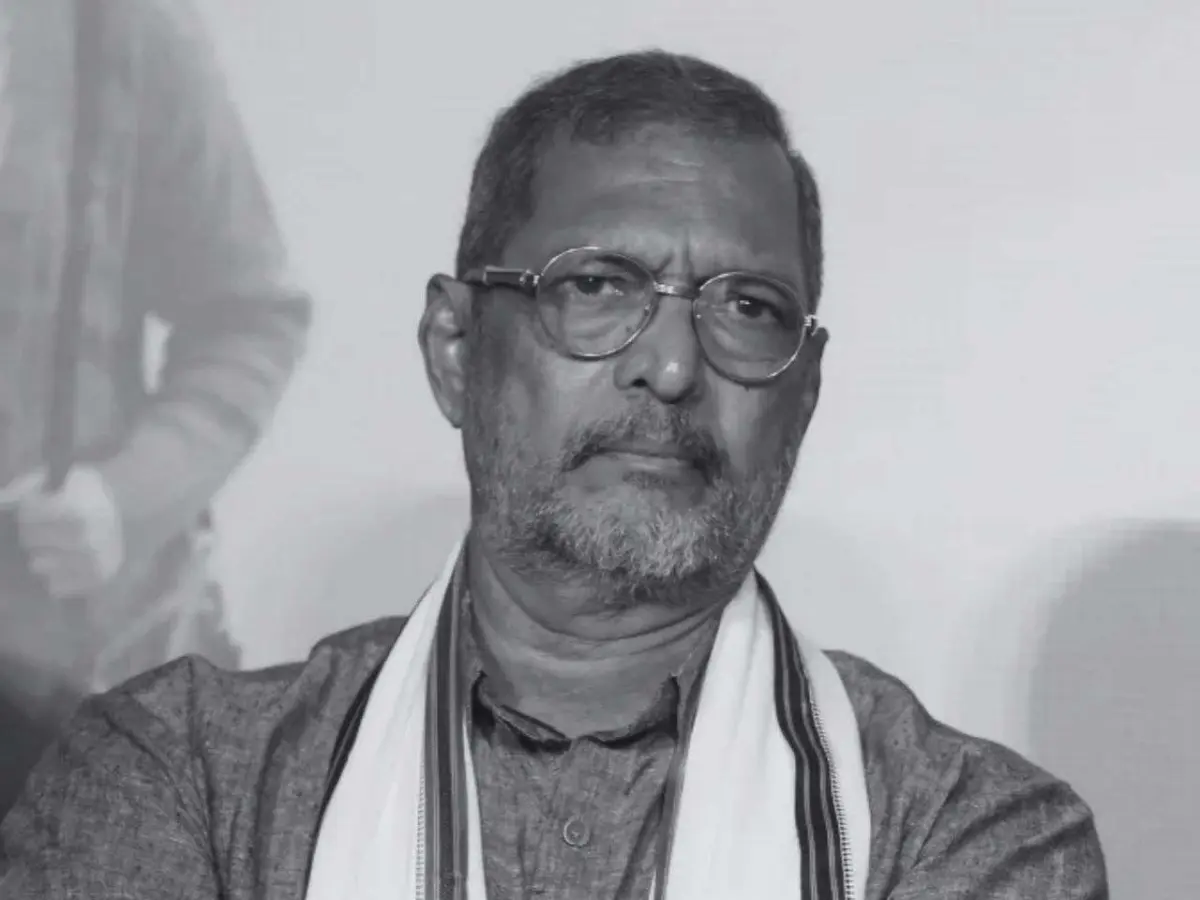
Mumbai, India – October 8, 2026 – The Indian film industry is in mourning today following the untimely demise of veteran actor Nana Patekar, a titan whose performances captivated audiences for decades. Patekar, aged 75, passed away at his Dona Paula residence in Goa on Thursday morning after suffering a cardiac arrest. The news has sent shockwaves through the nation, leaving millions of fans heartbroken and a significant void in the cinematic landscape. While the loss is immeasurable, poignant details have emerged about Patekar’s final hours, revealing a chilling premonition of his declining health conveyed in a last, unheeded message.
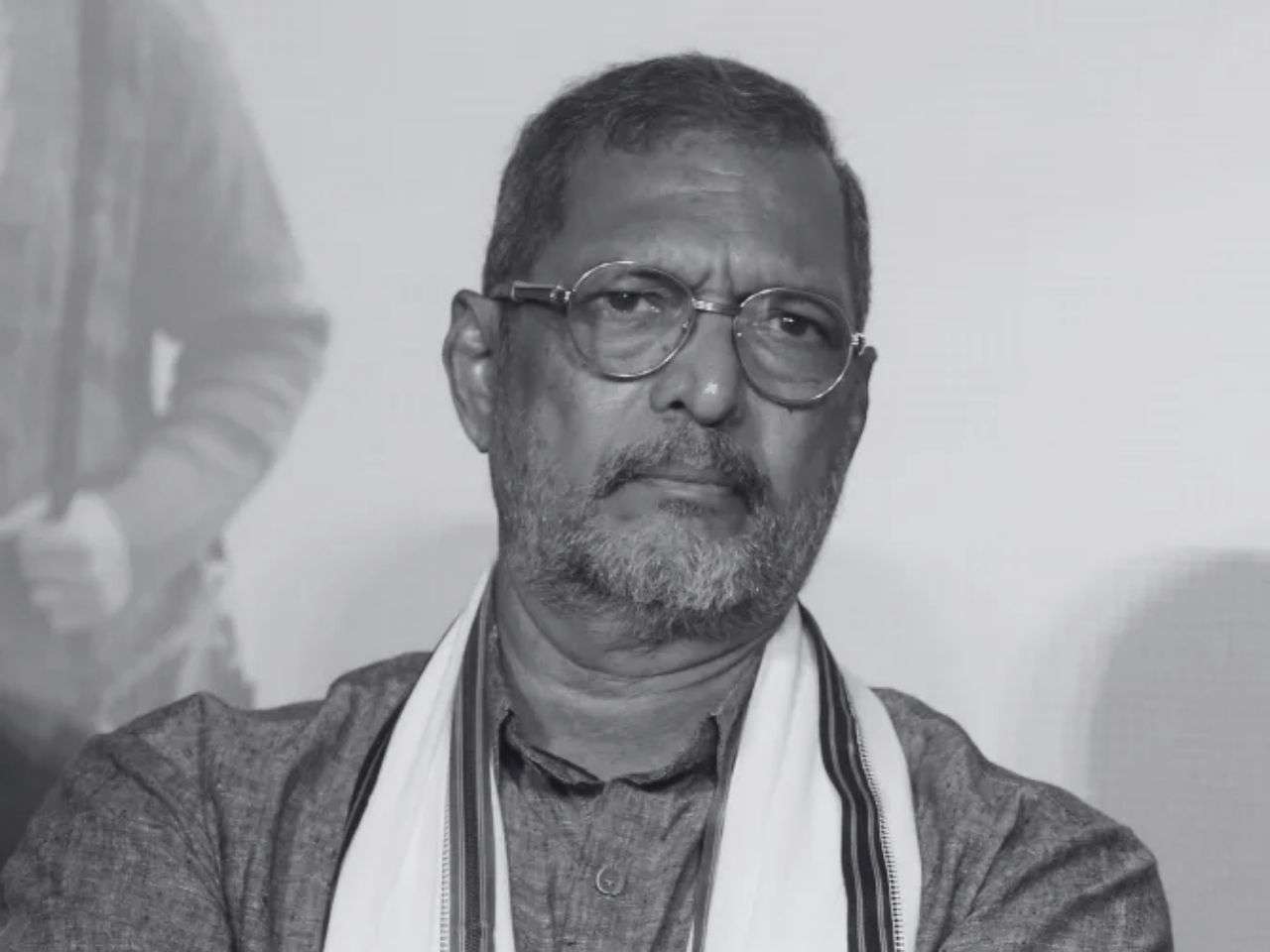
The beloved actor, known for his powerful portrayals and distinctive voice, had been residing in Goa. The events leading up to his death paint a somber picture of a man who, in his final moments, felt his health failing but was unable to secure immediate medical attention. This narrative underscores the fragility of life and the critical importance of timely intervention, even for those who appear to be at the pinnacle of their careers.
)
The Last Hours: A Silent Alarm Ignored
According to Dr. Shekhar Salkar, Chief of the Department of Oncology at Manipal Hospital, Goa, Nana Patekar’s final hours were marked by a growing sense of unwellness. The veteran actor reportedly sent a text message to a close friend at approximately 2:30 am on Thursday, conveying that he was not feeling well. This message, sent in the dead of night, unfortunately, went unnoticed by the recipient.

The timeline of events, as narrated by Dr. Salkar to news agency ANI, paints a distressing picture. The initial text message, a silent alarm of distress, was missed. It was only after Patekar himself made a subsequent call to his friend that the gravity of the situation began to unfold. This delay, though seemingly minor, proved to be tragically significant in the face of a medical emergency.
)
A Chronology of Distress: From Message to Medical Intervention
The sequence of events leading to Patekar’s passing can be pieced together from the accounts provided by medical professionals and those close to the actor:
)
- 2:30 AM: Nana Patekar, feeling unwell, sends a text message to a close friend expressing his concern about his health.
- Morning (Unspecified Time): The friend, having missed the text message due to the late hour, receives a subsequent call from Patekar.
- Approximately 4:00 AM: The friend arrives at Patekar’s Dona Paula residence. By this time, the actor was reportedly exhibiting severe symptoms, including profuse sweating and a loss of consciousness.
- Following the Friend’s Arrival: Recognizing the critical nature of Patekar’s condition, the friend and caretaker acted swiftly. The caretaker was dispatched to Manipal Hospital to procure an ambulance.
- Around 4:20-4:30 AM: The hospital’s emergency room (ER) team responded, arriving at Patekar’s residence with an ambulance. They immediately initiated cardiac massage as Patekar was unresponsive.
- Late Morning: Patekar was transported to Manipal Hospital. Despite the best efforts of the medical team, he was declared brought dead upon arrival.
- Approximately 5:30 AM: Following an extensive resuscitation effort, including cardiac massage for approximately 45 minutes to an hour, Nana Patekar was officially pronounced deceased.
This chronology highlights the desperate race against time that unfolded in the early hours of Thursday morning. The initial missed communication, however unintentional, created a crucial delay that medical professionals ultimately could not overcome.
)
Supporting Data: The Silent Indicators of Decline
While the immediate cause of death was a cardiac arrest, the narrative of Patekar’s final hours suggests a preceding period of declining health that he was attempting to communicate. The mention of "sweating" and "losing consciousness" are classic physiological indicators of a potential cardiac event or other serious medical distress.
)
It is crucial to note that Nana Patekar, like many individuals, may have experienced subtle symptoms or a general feeling of malaise that he initially downplayed. The act of sending a text message, rather than immediately calling for medical help, could indicate an attempt to gauge the severity of his condition or perhaps a reluctance to cause alarm. However, in a medical emergency, every minute counts.
)
The fact that Patekar resided in close proximity to Manipal Hospital is a poignant detail. This geographical advantage, which might typically facilitate rapid medical response, was ultimately hampered by the initial communication breakdown. The swift action of the caretaker and the ER team upon arrival underscores the advanced medical care available, but the critical window for intervention had, tragically, narrowed.
)
Official Responses and Industry Reactions
The news of Nana Patekar’s demise has been met with widespread sorrow and tributes from across the Indian film industry and beyond. Filmmakers, actors, and fans have taken to social media to express their grief and share their memories of the iconic actor.
)
While specific official statements from government bodies or major film organizations regarding the circumstances of his death are likely to emerge, the immediate focus has been on mourning the loss of a cinematic legend. His contributions to cinema, marked by his powerful performances in films like "Parinda," "Prahaar," "Agni Sakshi," and "Natsamrat," have left an indelible mark.
)
The poignant details of his final hours, however, are likely to spark discussions about health awareness, the importance of heeding early warning signs, and the critical role of prompt medical assistance. The narrative serves as a stark reminder that even public figures, often perceived as larger than life, are susceptible to the same human vulnerabilities.
)
Implications: A Legacy and a Lesson
Nana Patekar’s passing is not merely the loss of an actor; it is the departure of a unique voice and a powerful presence that enriched Indian cinema for generations. His versatility, his ability to inhabit complex characters with raw authenticity, and his commitment to his craft set a high benchmark for aspiring actors.
)
The story of his final hours, while heartbreaking, also carries a profound lesson. It emphasizes the imperative of prioritizing one’s health and not hesitating to seek medical attention, regardless of the perceived severity of symptoms or the time of day. The missed text message, a seemingly innocuous detail, serves as a stark reminder of how even small communication gaps can have life-altering consequences in critical situations.
)
As the nation mourns Nana Patekar, his legacy will undoubtedly live on through his remarkable body of work. Simultaneously, the poignant narrative of his final moments offers a somber yet vital reminder to all: listen to your body, communicate your concerns, and never underestimate the importance of immediate medical care. The void left by his absence is immense, but the lessons learned from his final hours will hopefully resonate, prompting greater awareness and proactive health management for many.
