

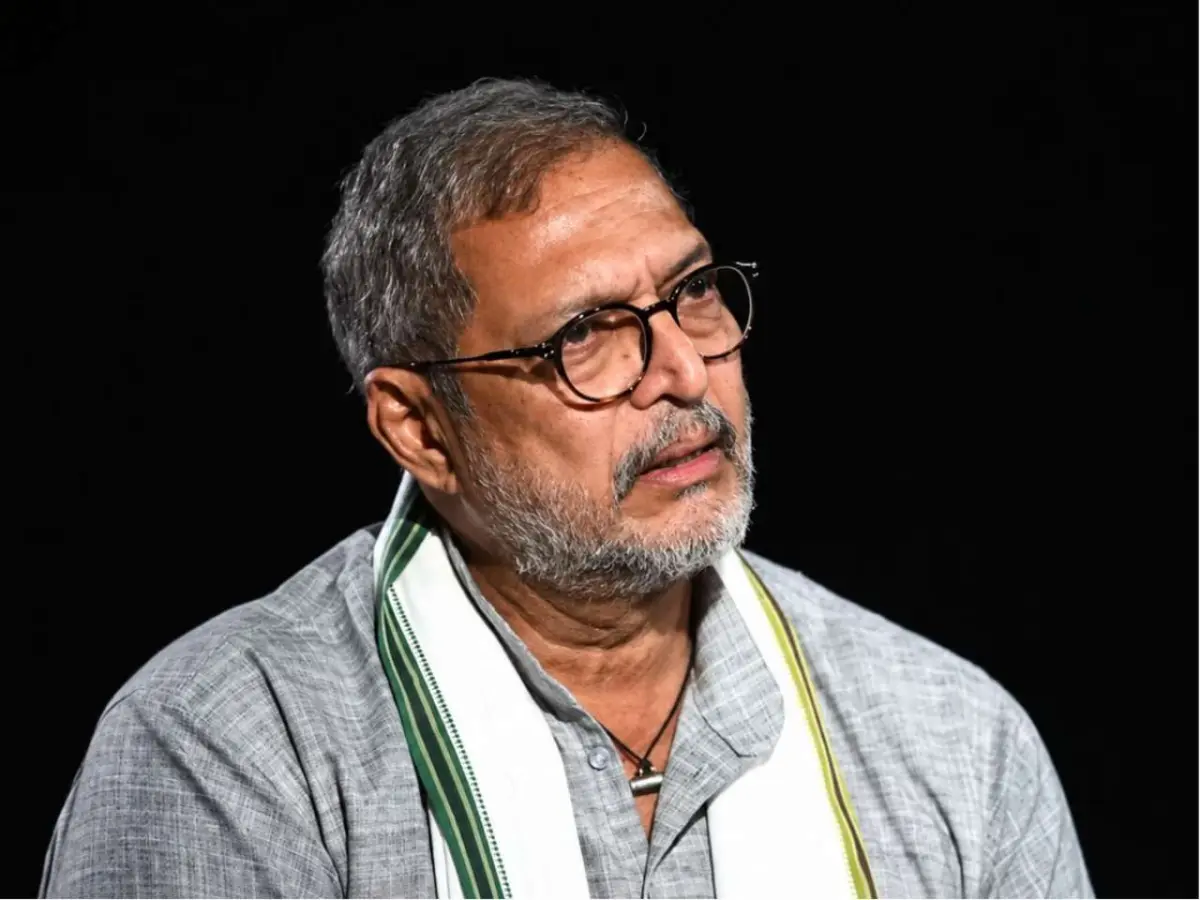
Mumbai, India – October 8, 2026 – The world of Indian cinema awoke to profound grief today with the heartbreaking news of veteran actor Nana Patekar’s passing. The cinematic giant, known for his intense performances and versatile roles, succumbed to a severe cardiac arrest at the age of 75 in Goa. His demise marks the end of an illustrious career spanning nearly five decades, leaving an indelible void in the hearts of millions of fans, colleagues, and admirers across the globe.
As tributes poured in from every corner – from Bollywood luminaries to political figures and sports personalities – a particularly poignant remembrance emerged from an unexpected quarter: former Pakistan cricketer Basit Ali. His emotional recollection of a deep, cross-border friendship with Patekar underscored not only the actor’s profound personal impact but also the unique ability of art and humanity to transcend geopolitical divides. Ali’s tribute highlighted Patekar’s unwavering support during some of the most challenging periods of his life, painting a picture of a man whose greatness extended far beyond the silver screen.
Main Facts: The Loss of an Icon
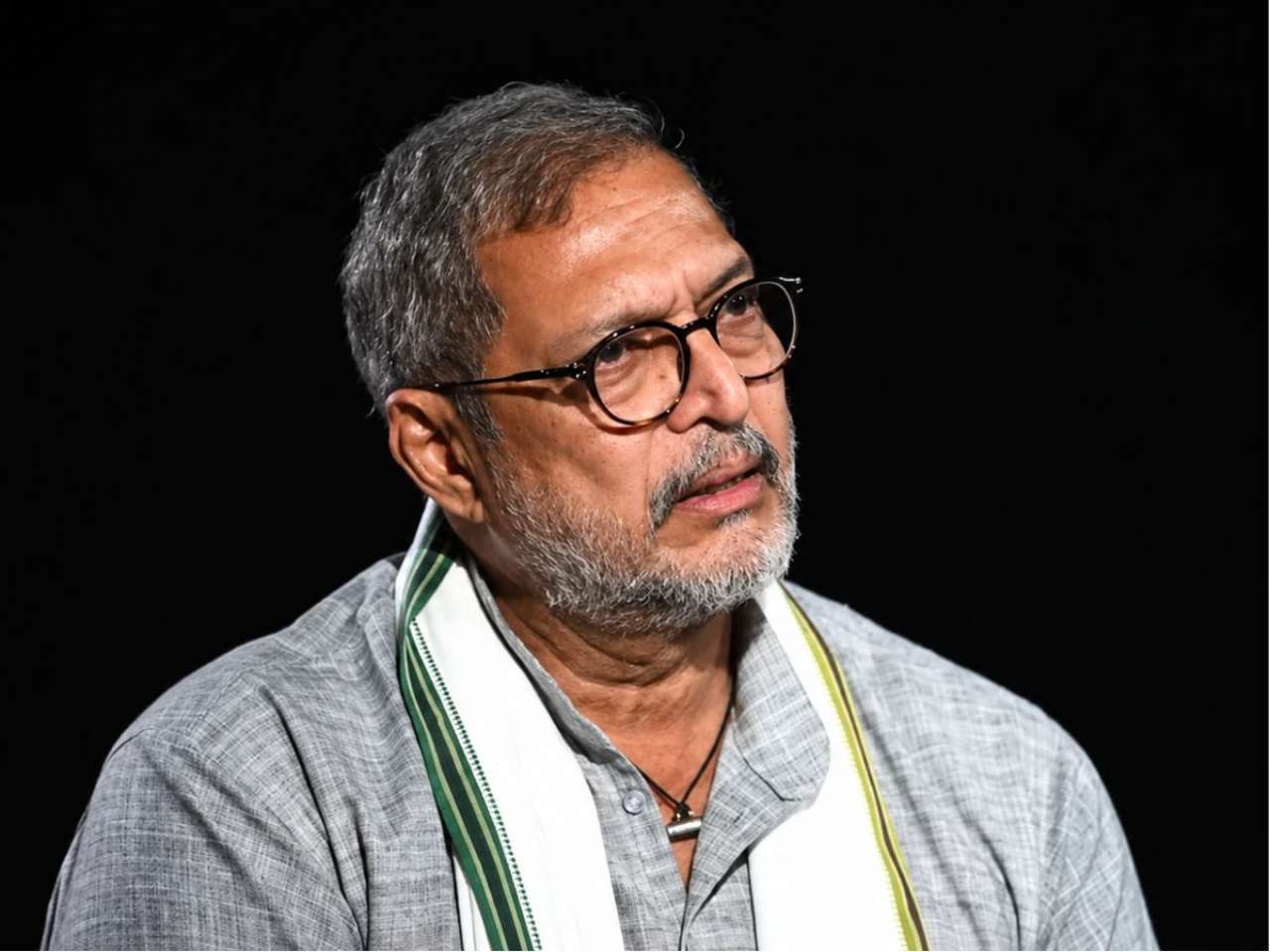
Nana Patekar, a name synonymous with raw intensity and unparalleled authenticity in Indian cinema, passed away on Thursday, October 8, 2026. The actor, celebrated for his commanding presence and an ability to inhabit characters with breathtaking conviction, was 75 years old. His death was attributed to a severe cardiac arrest, which he suffered in Goa. Despite immediate medical attention and a valiant 45-minute effort by the medical staff at Manipal Hospital to revive him, Patekar could not be saved. Dr. Shekhar Salkar, Head of the Oncology Department at Manipal Hospital, confirmed the tragic news, revealing that Patekar had alerted a friend to his discomfort around 2:30 AM, but by the time his friend arrived at his residence by 4 AM, the situation was already critical.
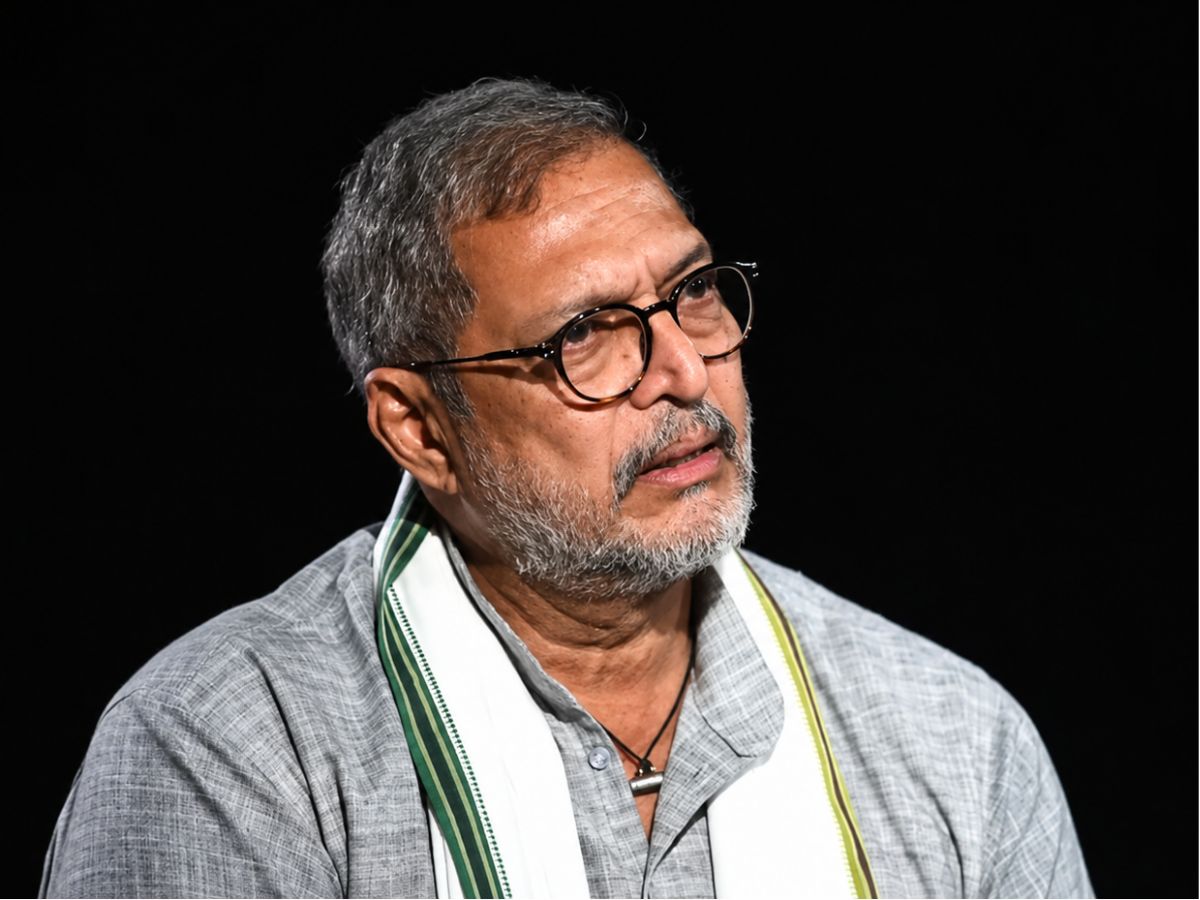
The news sent shockwaves through the entertainment industry and beyond. Patekar’s career, which began in 1978 with the film Gaman, saw him deliver some of the most memorable performances in Hindi and Marathi cinema. He was an actor who effortlessly transitioned between heroic, villainous, and morally ambiguous roles, always leaving an enduring impression. His filmography is a testament to his incredible range, featuring critically acclaimed works such as Parinda, Prahaar, Angaar, Krantiveer, Tiranga, Khamoshi: The Musical, and Ab Tak Chhappan.
)
Amidst the collective mourning, it was the heartfelt tribute from former Pakistan cricketer Basit Ali that captivated many, revealing a deeply personal side of the legendary actor. Ali’s emotional video shared on X (formerly Twitter) spoke volumes about Patekar’s character, highlighting a friendship that defied conventional boundaries and underscored the universal appeal of genuine human connection.
Chronology: A Life Lived with Passion and Purpose
The Early Years and Ascent to Stardom
Nana Patekar, born Vishwanath Patekar on January 1, 1951, hailed from Murud-Janjira, Maharashtra. His journey into acting was not one of privilege but of perseverance. Hailing from a humble background, Patekar’s early life was marked by struggles, which perhaps fueled the intensity and realism he brought to his roles. He honed his craft on the Marathi stage, where he developed a reputation for his powerful performances and unique approach to character interpretation. His theatrical background provided him with a solid foundation, allowing him to command both intimate stage settings and the expansive canvas of cinema.

His cinematic debut came in 1978 with Muzaffar Ali’s Gaman, a poignant film that explored themes of migration and urban alienation. While Gaman offered him a modest start, it was in the late 1980s that Patekar truly began to carve out his niche in Bollywood. Films like Vidhu Vinod Chopra’s Parinda (1989), where he played the chilling gangster Anna, earned him widespread critical acclaim and his first National Film Award for Best Supporting Actor. This role established him as an actor capable of portraying complex, dark characters with unsettling realism, a trait that would become his hallmark.
The 1990s cemented his status as a formidable force in Indian cinema. He directed and starred in Prahaar: The Final Attack (1991), a powerful film about a commando’s struggle with justice, showcasing his directorial vision alongside his acting prowess. His portrayal of the fiery, patriotic common man in films like Krantiveer (1994), for which he won the National Film Award for Best Actor, resonated deeply with audiences. He effortlessly balanced these intense roles with more nuanced performances in films like Angaar (1992) and Tiranga (1993), demonstrating his remarkable versatility. Even in more sensitive roles, such as in Sanjay Leela Bhansali’s Khamoshi: The Musical (1996), he brought a unique blend of vulnerability and strength.
)
The Unlikely Bond: Nana Patekar and Basit Ali
The story of Nana Patekar’s friendship with former Pakistan cricketer Basit Ali adds another remarkable layer to his persona. Basit Ali, known for his aggressive batting style and a career spanning the 1990s, shared a bond with Patekar that began in 1994 – a year when Patekar was at the zenith of his career with films like Krantiveer. "Because of Nana Patekar, we first talked back in 1994, and it all started from there," Basit Ali revealed in his emotional tribute. The exact circumstances of their initial meeting remain less publicized, but the depth of their subsequent relationship speaks volumes about their shared humanity.
Basit Ali recounted how their conversations became a regular fixture, often speaking "once or twice every month." This consistent communication highlights a relationship built on genuine affection and mutual respect, transcending the often-strained political relations between India and Pakistan. It was during Basit Ali’s mother’s illness that the true measure of Nana Patekar’s compassionate nature shone through. "When my mother was alive and in the hospital, Nana Ji called every week. He offered many prayers, talked at length with my mother, and listened to old stories," Ali shared, visibly moved. This act of kindness, taking time out of his demanding schedule to connect with an elderly woman battling illness in another country, profoundly impacted Ali.
)
The support continued even after her passing. "When my mother passed away, he told me, ‘Hey Basit, take care of yourself now’," Ali recalled, emphasizing the personal concern Patekar extended. Later, when Basit Ali faced his own health crisis, undergoing heart surgery and stent placement, Patekar was again among the first to reach out. "When I had my heart issue and returned home, I received a message asking about my health and telling me to call when I felt better. When I called him back, he inquired about how everything went, including the stent placement." These gestures of unwavering care and support reveal a man deeply invested in the well-being of his friends, regardless of nationality or profession.
The Final Chapter
Nana Patekar remained active in cinema well into his later years, refusing to step away from his passion. His recent work included sharing the screen with a new generation of stars in Housefull 5, and taking on roles in Vishal Bhardwaj’s O Romeo alongside Shahid Kapoor and Triptii Dimri, and a memorable cameo in Subedar with Anil Kapoor. His dedication to his craft was unwavering.
)
The final hours of his life unfolded tragically in Goa. On October 8, 2026, Patekar experienced severe chest pain in the early morning. Around 2:30 AM, he managed to contact a close friend, informing them of his discomfort. His friend rushed to his residence, arriving by approximately 4 AM. Upon realizing the gravity of the situation, Patekar was immediately transported to Manipal Hospital. There, a team of medical professionals fought desperately for about 45 minutes to revive him, employing all available measures. However, the cardiac arrest proved too severe, and the actor was pronounced dead, leaving behind a legacy that will resonate for generations.
Supporting Data: The Artistry and Humanity of Nana Patekar
A Master of His Craft: Filmography and Acting Style
Nana Patekar’s contribution to Indian cinema is characterized by his distinctive acting style – raw, intense, and often unconventional. He rarely played the conventional hero, instead gravitating towards characters with moral complexities, inner turmoil, or an unwavering sense of conviction. This made his performances incredibly compelling and often uncomfortable, challenging audiences to confront uncomfortable truths.
)
His filmography is a tapestry of critically acclaimed and commercially successful films. Beyond the aforementioned titles, his work in films like Disha (1990), Raju Ban Gaya Gentleman (1992), Wajood (1998), and Kohram (1999) further demonstrated his range. He won several accolades, including multiple National Film Awards and Filmfare Awards, cementing his status as one of India’s finest actors. His portrayal of a police officer in Ab Tak Chhappan (2004) and its sequel, where he played the stoic and morally upright encounter specialist Sadhu Agashe, was particularly lauded for its understated power and authenticity.
Patekar’s ability to completely immerse himself in a role, sometimes adopting method acting techniques, was legendary. He was known for his powerful dialogue delivery, which could shift from a quiet intensity to an explosive roar within seconds, captivating viewers. This versatility allowed him to work with a diverse range of directors, from mainstream commercial filmmakers to critically acclaimed auteurs, adapting his style while retaining his unique essence. He was not just an actor; he was a force of nature on screen.
)
The Man Beyond the Camera: A Testament to Character
Basit Ali’s tribute offers a rare glimpse into the personal character of Nana Patekar, confirming what many of his colleagues and friends have often stated: the intensity seen on screen was often a reflection of his real-life passion and integrity. "What a person he was; he acted in movies exactly as he was in real life," Ali remarked, highlighting Patekar’s authenticity. This sentiment was echoed in other parts of his message: "He was such a wonderful human being. For people who only knew him through movies, he was the exact same person in real life as well."
This perception of Nana Patekar as a genuinely good human being, warm, caring, and principled, adds significant depth to his public persona. In an industry often characterized by artifice, Patekar was perceived as a man of substance. His willingness to connect deeply with people, to offer solace and support, and to maintain long-standing friendships like the one with Basit Ali, speaks volumes about his character. It suggests a man who valued human connections above all else, and who was not afraid to show vulnerability and empathy.
)
The Power of Cross-Border Friendship
The bond between Nana Patekar and Basit Ali stands as a powerful testament to the unifying potential of human connection, especially in a region often fraught with political tensions. For an Indian actor of Patekar’s stature to maintain such a close and supportive friendship with a Pakistani cricketer for decades is both remarkable and inspiring. It defies stereotypes and offers a glimmer of hope for cross-cultural understanding.
Basit Ali’s final words in his tribute powerfully encapsulated this sentiment: "And I will say one thing here: Nana Ji had as many admirers in Pakistan as he had in India and across the world. People loved him very much." This statement underscores the idea that true art and genuine human compassion transcend artificial boundaries. Patekar’s work, imbued with universal themes of justice, struggle, and humanity, resonated deeply with audiences regardless of their nationality. His personal integrity, as evidenced by his friendship with Ali, further solidified this cross-border admiration. In a world often divided, stories like theirs remind us of our shared humanity.
)
Official Responses and Public Outpouring
The news of Nana Patekar’s demise triggered an immediate and widespread outpouring of grief. From the moment Dr. Shekhar Salkar confirmed the tragic event, social media platforms became awash with tributes, reminiscences, and condolences.
Industry Tributes
The Indian film fraternity, still reeling from the shock, expressed profound sorrow. Leading actors, directors, producers, and technicians shared their memories of working with Patekar, highlighting his professionalism, dedication, and unique acting prowess. Many spoke of his intensity on set, his insightful interpretations of characters, and his ability to elevate any scene he was a part of. Younger actors hailed him as an inspiration and a benchmark for method acting and authenticity. While specific names are not listed in the provided article, it is safe to assume that every prominent figure in Bollywood would have acknowledged the immense loss.
)
Basit Ali’s Heartfelt Homage
Among the numerous tributes, Basit Ali’s video stood out for its raw emotion and the unique insight it offered into Patekar’s personal life. Posted on X, Ali’s message resonated deeply, particularly for its cross-border significance. The former cricketer’s words, filled with genuine sorrow, provided a window into a friendship that many were unaware of, showcasing Patekar’s benevolent nature beyond his public persona. The tweet from "Brutal Truth" on X, which encapsulated Ali’s sentiments, quickly went viral, reinforcing the idea that "Some artists belong to everyone. Nana Patekar was loved equally on both sides of the border." This particular response underscored the unifying power of Patekar’s persona and art.
Public Reaction and Social Media Engagement
Beyond the celebrity tributes, ordinary fans took to social media to express their grief. Hashtags related to Nana Patekar trended globally, as people shared their favorite dialogues, scenes, and films featuring the actor. Many recalled his iconic lines, such as his viral remark about Virat Kohli (mentioned in the original article as resurfacing), which showcased his candid and relatable personality. The collective sentiment was one of profound loss for a beloved artist who had become a part of their lives through his memorable performances.
)
Implications: A Lasting Legacy
Nana Patekar’s death leaves a gaping hole in Indian cinema, but his legacy is one that will continue to inspire and resonate for generations.
An Enduring Artistic Impact
Patekar’s unique brand of acting, characterized by its intensity, authenticity, and fearless portrayal of complex characters, has left an indelible mark on cinematic storytelling. He challenged conventions, preferring roles that explored the darker, more nuanced aspects of human nature, making his characters incredibly real and relatable. His performances will continue to be studied by aspiring actors and film enthusiasts alike, serving as masterclasses in character development and emotional depth. He demonstrated that true stardom lies not in conventional heroics but in the ability to embody truth, however uncomfortable.
)
The Message of Humanity and Transcending Borders
The story of his friendship with Basit Ali carries significant implications beyond his artistic contributions. It serves as a powerful reminder that human connection, empathy, and kindness can indeed transcend political boundaries and nationalistic narratives. In a world often divided, Patekar’s life, as illuminated by Ali’s tribute, offers a beacon of hope for cross-cultural understanding and peace. It underscores the universal language of humanity that art and genuine personal relationships can foster. His admirers in Pakistan, as Basit Ali noted, are as numerous as those in India, proving that cultural figures can build bridges where politics often erects walls.
A Void That Cannot Be Filled
The passing of Nana Patekar signifies the end of an era. He belonged to a generation of actors who brought a unique blend of theatre discipline and raw cinematic power to the screen. His absence will be deeply felt, not just in the roles he might have played, but in the collective consciousness of Indian cinema. He was a voice for the common man, a fiery patriot, a ruthless villain, and a compassionate friend – all rolled into one extraordinary individual.
)
As the industry moves forward, it will undoubtedly look back at Nana Patekar’s journey as a testament to dedication, talent, and uncompromising integrity. His performances will continue to entertain, provoke, and move audiences, ensuring that while the man may be gone, the legend of Nana Patekar will live on, forever etched in the annals of Indian cinematic history. He was, truly, a titan of his craft and a remarkable human being, whose memory will be cherished on both sides of the border, and indeed, across the world.
