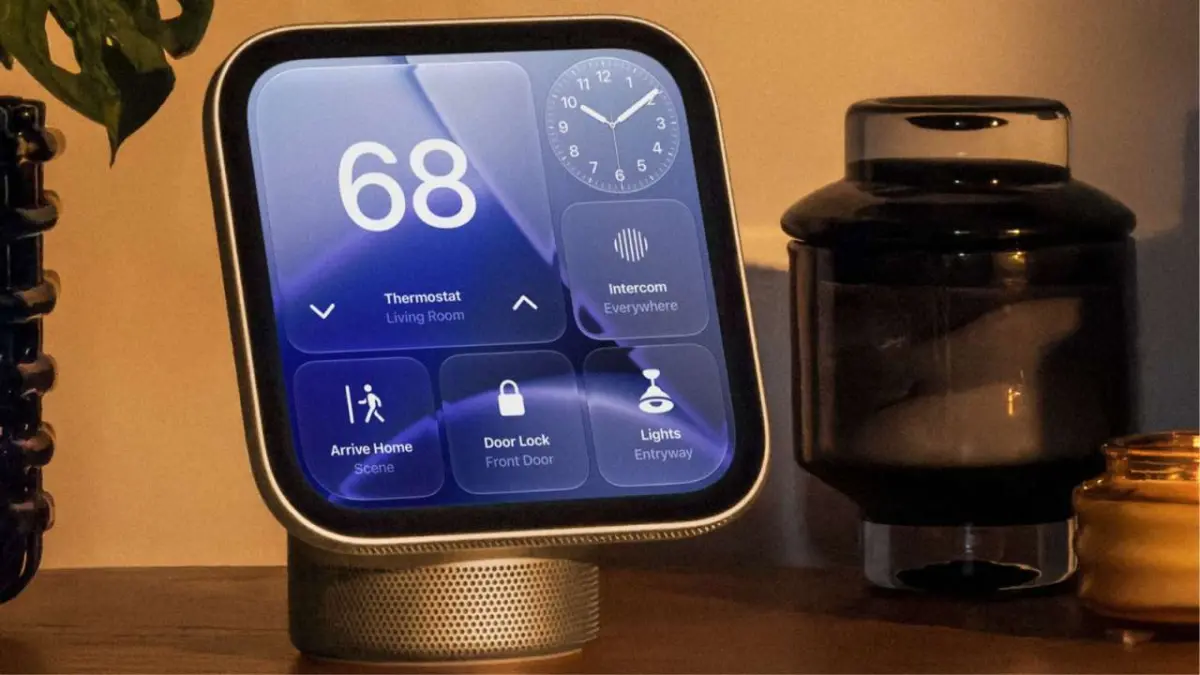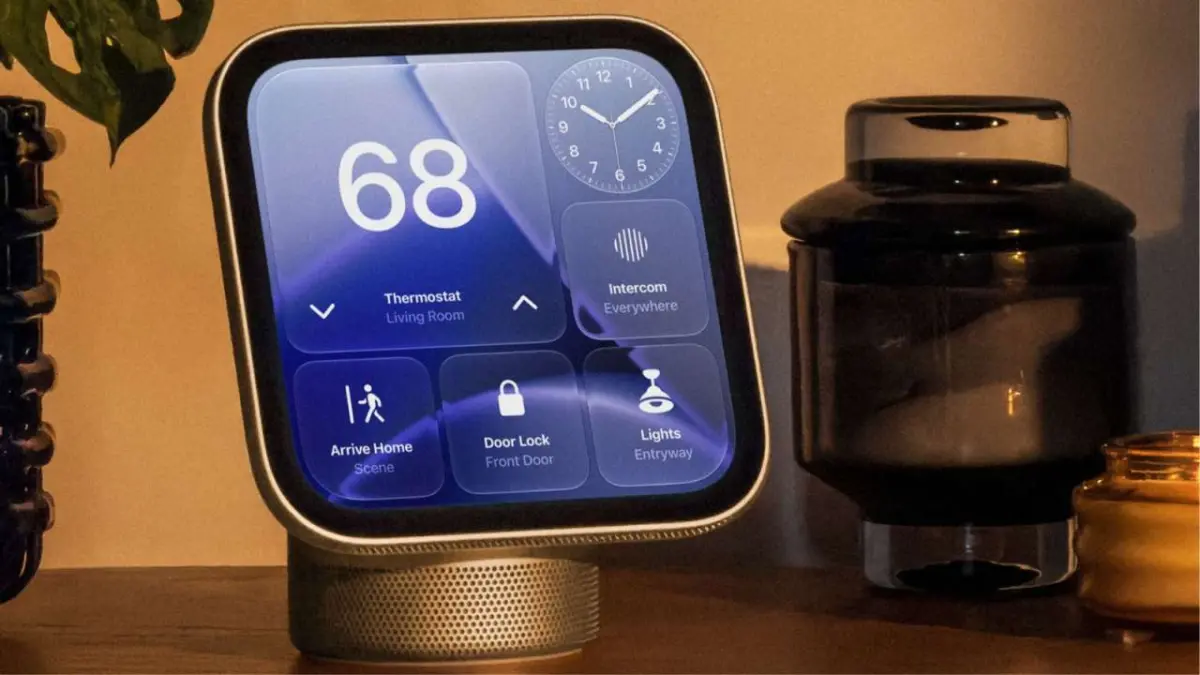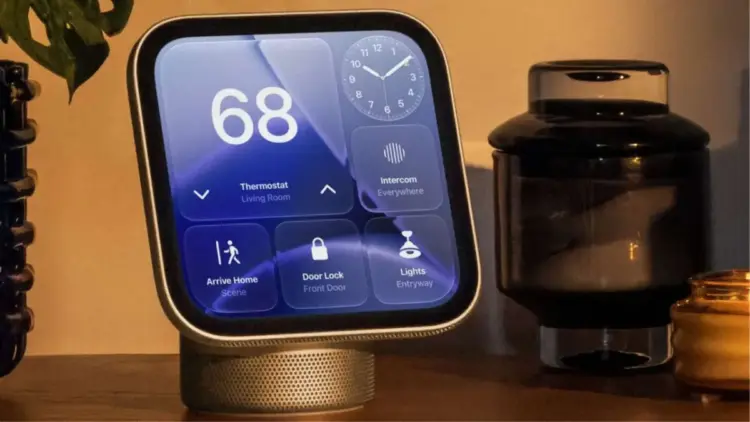
CUPERTINO, CA – Apple Inc. has officially announced the HomeView, a new 7-inch smart home screen poised to enter the market in November with a price tag of USD 299. Positioned not merely as another smart display, but as a dedicated extension of the iPhone ecosystem, HomeView aims to redefine the smart home experience through personalized Siri AI and a steadfast commitment to user privacy, directly challenging the established dominance of tech giants Amazon and Google.
This latest venture represents Apple’s second significant attempt to carve out a substantial share in the burgeoning smart home market, following the mixed reception of the HomePod in 2018. With HomeView, Apple appears to be pursuing a deliberate strategy of "boring" simplicity and unwavering trustworthiness, a stark contrast to the often complex and data-hungry nature of many contemporary AI products.
Main Facts: The HomeView’s Core Proposition
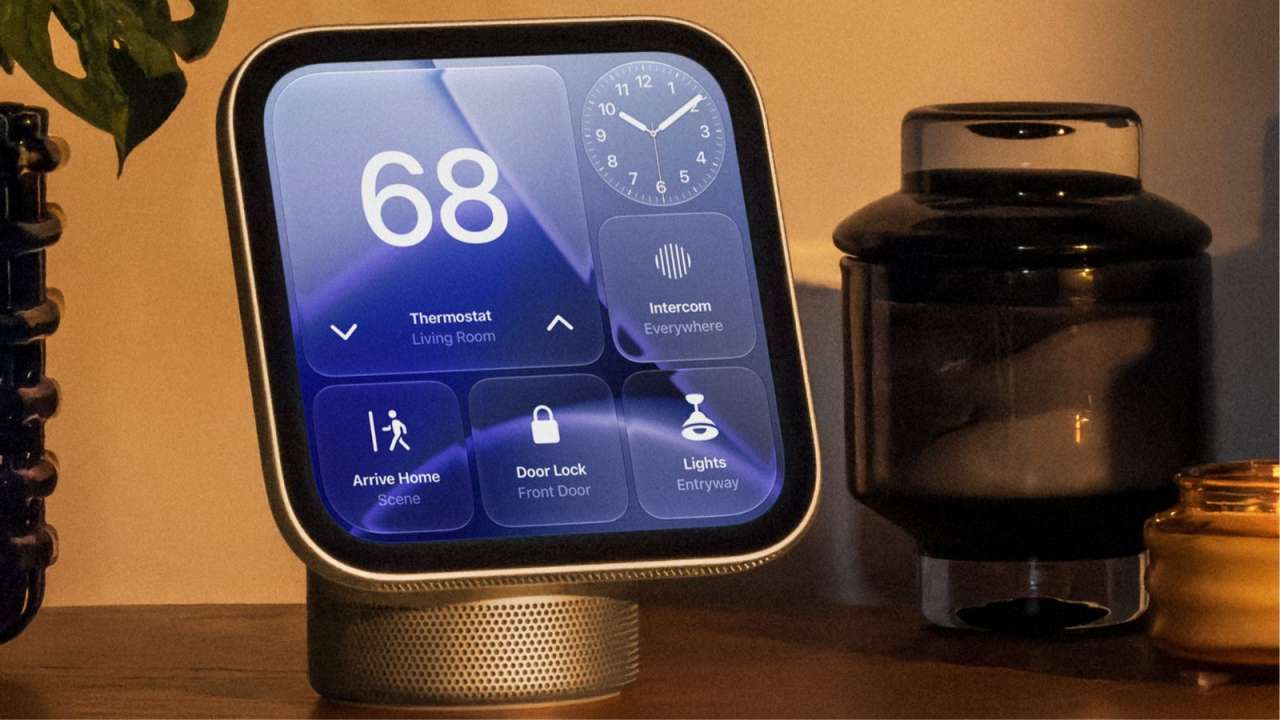
The Apple HomeView emerges as a thoughtfully designed 7-inch touchscreen device, conceived as a central hub for family interaction and personal organization within the home. Priced at USD 299, its launch in November positions it strategically for the crucial holiday shopping season.
At its core, HomeView is engineered to function as an intuitive extension of a user’s iPhone, rather than a standalone computing device. This fundamental design philosophy underpins its operations, with personalized Siri AI serving as the primary interface for user interaction. The device leverages a combination of camera and voice recognition technologies to offer a truly personalized experience, adapting home screens with relevant apps, calendar appointments, and notifications tailored to individual users as they approach.
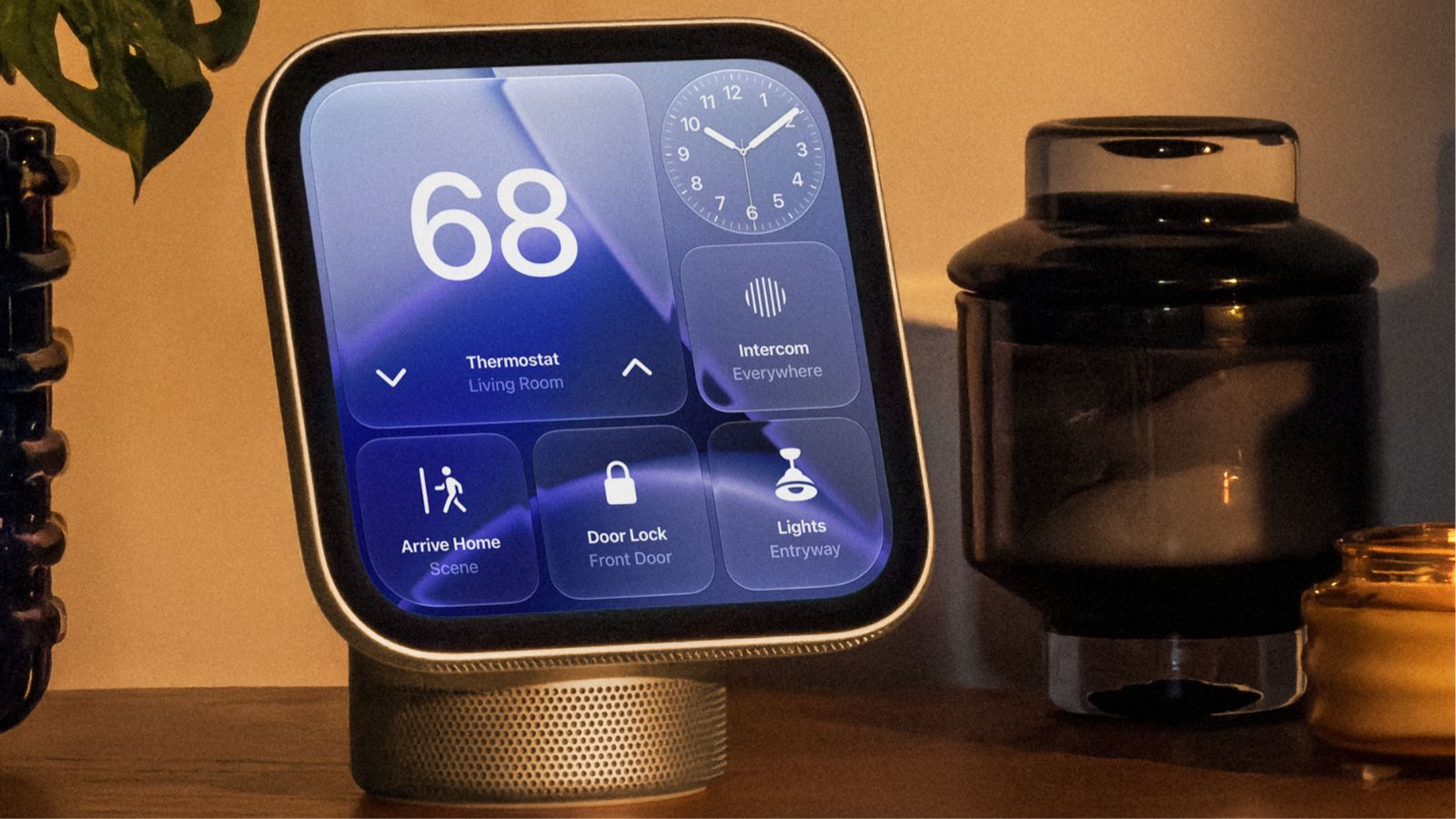)
Physically, HomeView embodies Apple’s signature minimalist aesthetic. It can be elegantly placed on an aluminium base, designed to blend seamlessly into various home environments, or mounted discreetly on a wall, offering flexibility in placement. Its 7-inch display size strikes a balance between visibility and unobtrusiveness, suitable for common areas like kitchens, living rooms, or bedrooms.
Crucially, Apple has underscored HomeView’s commitment to user privacy. The device does not store personal data directly on its hardware. Instead, it intelligently relies on a nearby iPhone for context and data processing, ensuring that sensitive information remains within the secure confines of the user’s primary device. This approach is a cornerstone of Apple’s differentiation strategy against competitors who often process user data in the cloud.

While HomeView comes equipped with integrated Apple apps such as FaceTime for video calls and Apple Music for audio streaming, its reliance on the iPhone ecosystem extends to third-party applications. For instance, services like Spotify will require iPhone support to fully function, emphasizing HomeView’s role as a supplementary device rather than a comprehensive, independent smart display. The product’s introduction at a dedicated event in New York highlighted its perceived simplicity and elegance, reinforcing Apple’s meticulous attention to design and user experience.
Chronology: Apple’s Journey in the Smart Home Landscape
Apple’s foray into the smart home market has been a journey marked by both ambitious attempts and strategic recalibrations. The HomeView is not a sudden entry but rather the culmination of years of development, learning from past experiences, and evolving consumer demands.
)
Early Incursions: HomeKit and Apple TV (Pre-2017)
Apple’s initial footprint in the smart home began quietly with HomeKit, introduced in 2014. HomeKit was not a device but a framework, a software protocol designed to allow users to securely control smart home accessories from their iOS devices. This laid the groundwork for an integrated ecosystem, albeit one heavily reliant on third-party hardware manufacturers. The Apple TV also played a crucial, though often understated, role as a HomeKit hub, allowing remote access and automation of accessories. These early efforts established Apple’s commitment to home automation but lacked a central, dedicated Apple-branded device to anchor the experience.
The HomePod Era: A Focus on Audio (2018-2021)
In 2017, Apple unveiled the original HomePod, a premium smart speaker launched in early 2018. Priced at USD 349, its primary selling point was its exceptional audio fidelity, designed to compete with high-end audio systems, rather than solely as a smart assistant device. Siri integration was present, but its capabilities were often perceived as less versatile than Amazon’s Alexa or Google Assistant. The HomePod struggled to gain significant market traction, primarily due to its high price point, limited third-party app support, and Siri’s comparatively nascent smart home capabilities. Industry reports indicated it achieved only around a 6% market share in the smart speaker segment, a stark contrast to the dominance of Amazon Echo and Google Home devices.
)
Recognizing the challenges, Apple later introduced the more affordable HomePod mini in 2020, offering a smaller footprint and a lower price point while retaining much of the HomePod’s audio quality and HomeKit integration. This move demonstrated Apple’s willingness to adapt and target a broader audience, yet a dedicated smart display remained absent from its portfolio. The original HomePod was eventually discontinued in 2021, signifying a shift in strategy.
The Strategic Pivot: Lessons Learned and a New Vision
The experience with HomePod provided invaluable lessons. Apple observed the success of competitors like Amazon’s Echo Show and Google’s Nest Hub, which offered visual interfaces that resonated strongly with consumers for tasks like video calls, recipe following, and smart home control. The market clearly indicated a demand for smart displays that offered more than just audio.
)
The development of HomeView can be seen as a direct response to these market dynamics and a refinement of Apple’s smart home vision. Rather than trying to out-compete on raw AI breadth or low price, Apple chose to leverage its core strengths: ecosystem integration, premium design, and a strong emphasis on privacy. The New York launch event for HomeView was meticulously orchestrated to highlight these differentiators, presenting the device not as a general-purpose smart display but as an indispensable extension for the millions of iPhone users worldwide. This strategic pivot marks a new chapter in Apple’s quest to solidify its presence in the connected home.
Supporting Data: Market Dynamics, Competition, and Apple’s Niche
The smart home market, particularly the smart display segment, is a fiercely competitive arena, predominantly shaped by Amazon and Google. Understanding this landscape is crucial to appreciating Apple’s strategic positioning with HomeView.
)
Dominance of Amazon and Google:
For nearly a decade, Amazon and Google have led the charge in popularizing smart home devices. Amazon’s Echo Show lineup and Google’s Nest Hub series have captured significant market share, offering a range of sizes, features, and price points.
- Amazon Echo Show: The Echo Show series, with models like the Echo Show 5, 8, and 10, offers video calling, streaming entertainment, recipe guides, smart home control, and visual responses from Alexa. Their aggressive pricing and broad ecosystem of compatible devices have made them ubiquitous.
- Google Nest Hub: Google’s Nest Hub devices emphasize Google Assistant’s robust search capabilities, YouTube integration, and a strong focus on digital photo frames. The Nest Hub Max also includes a camera for video calls and security monitoring.
These competitors have benefited from early mover advantage, extensive third-party integrations, and often, more aggressive pricing strategies. Many of their entry-level smart displays are available for under USD 100, with mid-range models typically priced between USD 100-200.
)
The "Boring" Strategy and Privacy as a Differentiator:
Apple’s statement that HomeView’s design is "boring" is a calculated strategic move. In an era where AI products are often criticized for their complexity, data collection practices, and sometimes unpredictable behavior, Apple is deliberately positioning HomeView as simple, reliable, and trustworthy.
- Simplicity: By focusing on core functionalities and tight integration with the iPhone, HomeView aims to reduce user friction and cognitive load. It avoids feature bloat, ensuring that every interaction feels intuitive and purposeful.
- Trustworthiness (Privacy): The emphasis on not storing personal data directly on the device, instead relying on the iPhone, directly addresses growing consumer concerns about data privacy and security in the smart home. This aligns with Apple’s long-standing brand identity as a privacy-first company, a significant differentiator against competitors whose business models often rely on extensive data harvesting. For users wary of always-listening microphones or persistent data collection, HomeView’s approach could be a compelling alternative.
Pricing and Apple’s Premium Position:
At USD 299, HomeView is notably more expensive than most comparable smart displays from Amazon and Google. For instance, the Echo Show 8 typically retails around USD 150-180, and the Nest Hub (2nd Gen) around USD 100, with the Nest Hub Max at USD 229.
However, this premium pricing is consistent with Apple’s historical market strategy. The iPhone, despite being consistently more expensive than its Android counterparts, continues to dominate the premium smartphone segment globally. Apple’s target audience is often willing to pay a premium for perceived quality, design, and ecosystem benefits.
)
- Value Proposition: Apple believes that the seamless integration, personalized experience, and robust privacy features justify the higher cost for its dedicated user base. It’s not competing on price but on a differentiated value proposition.
- Ecosystem Lock-in: HomeView further solidifies Apple’s ecosystem, making it more attractive for existing iPhone users to invest in Apple’s broader suite of products and services.
Analyst and Industry Perspectives:
Initial reactions from industry analysts suggest a cautious optimism. Many acknowledge Apple’s strong brand loyalty and its ability to create new market segments. However, some point to the challenges of entering a mature market dominated by entrenched players. The success of HomeView will likely hinge on:
- Siri’s Evolution: Siri’s capabilities, particularly in understanding context and handling complex commands, will be critical. Personalized Siri needs to deliver on its promise.
- Third-Party Integration: While HomeView leverages the iPhone for some third-party apps, the breadth and depth of direct integrations will be important for long-term appeal.
- Developer Support: Encouraging developers to create optimized experiences for HomeView will be key to expanding its utility beyond Apple’s native apps.
The market for "ambient computing" – where technology seamlessly integrates into daily life – is still evolving. Apple’s HomeView represents a distinct vision for this future, one where technology serves the user discreetly and securely, rather than demanding constant attention or compromising privacy.
)
Official Responses: Apple’s Philosophy Behind HomeView
Apple’s official narrative surrounding HomeView is meticulously crafted, emphasizing a core philosophy that prioritizes user experience, privacy, and seamless integration within its existing ecosystem. The company has been explicit about its intentions and the strategic thinking behind this new device.
The "Boring" Strategy: A Deliberate Choice
The most striking aspect of Apple’s communication regarding HomeView is its deliberate embrace of the term "boring." This isn’t a self-deprecating remark but a strategic articulation of its design philosophy. Apple’s executives, without naming specific competitors, have subtly contrasted HomeView with the current landscape of AI products, which are often characterized by:
)
- Complexity and Overwhelm: Many AI devices and services can be intimidating, offering a vast array of features that users may find difficult to navigate or configure.
- Data Privacy Concerns: The rapid advancement of AI has brought with it heightened scrutiny over how personal data is collected, processed, and utilized, leading to widespread user apprehension.
In response, Apple positions HomeView as a beacon of simplicity and trustworthiness. The "boring" aspect implies reliability, predictability, and a focus on core utility rather than flashy, unproven AI capabilities. This approach is designed to foster user confidence, assuring consumers that HomeView is a tool that enhances daily life without introducing unnecessary complications or privacy risks.
Privacy as a Cornerstone:
Apple’s official statements consistently underscore HomeView’s privacy-centric design. The decision to rely on a nearby iPhone for context and to avoid storing personal data directly on the device is not merely a technical specification but a fundamental pillar of its marketing.
)
- User Control: This architecture grants users a greater sense of control over their data, as sensitive information remains tethered to their primary, highly secure iPhone.
- Building Trust: In an era of data breaches and algorithmic biases, Apple is betting that its reputation for privacy will be a powerful differentiator, attracting users who are increasingly cautious about inviting always-on, data-collecting devices into their homes.
Seamless Ecosystem Integration:
HomeView is explicitly marketed as an "iPhone extension," highlighting its role within Apple’s broader ecosystem. This is a deliberate strategy to leverage the vast installed base of iPhone users.
- Personalized Experience: The ability to offer personalized features, such as individual Spotify accounts (via iPhone), iMessages, and FaceTime calls, directly addresses the multi-user nature of a typical household. Each family member can have their own tailored experience, a feature that enhances utility and convenience.
- Familiarity and Ease of Use: For existing Apple users, HomeView promises a familiar interface and seamless integration with their existing apps and services, reducing the learning curve and encouraging rapid adoption.
Addressing Past Challenges (Implicitly):
While Apple hasn’t explicitly dwelled on the HomePod’s struggles, the design and positioning of HomeView implicitly acknowledge the lessons learned. The HomePod’s focus on audio excellence at a high price point, coupled with a less versatile Siri, limited its appeal. HomeView, by contrast, targets a broader set of visual and interactive smart home needs, and its "iPhone extension" model helps mitigate the costs and complexities of a fully standalone device.
)
In essence, Apple’s official stance is that HomeView is not just another smart display, but a carefully considered, privacy-respecting, and intuitively designed product that extends the unparalleled experience of the iPhone into the heart of the home. It represents Apple’s mature approach to ambient computing, where technology is present and helpful, but never intrusive or compromising.
Implications: The Future Trajectory of HomeView and the Smart Home Market
The launch of Apple’s HomeView carries significant implications for both the Cupertino giant and the broader smart home industry. Its success or failure will reverberate across market strategies, consumer expectations, and the ongoing evolution of ambient computing.
)
For Apple: Solidifying Ecosystem and Ambient Computing Vision
- Ecosystem Reinforcement: HomeView is a powerful new anchor for the Apple ecosystem. By positioning it as an iPhone extension, Apple further entrenches its users within its hardware and software universe. This could lead to increased loyalty and cross-device purchases, strengthening Apple’s formidable walled garden.
- Redefining Smart Displays: HomeView presents Apple’s distinct vision for smart displays: less about raw computational power or broad, generic AI, and more about personalized, private, and seamless interaction. If successful, it could influence how competitors design future devices, potentially shifting the focus towards more secure and integrated experiences.
- Future of Siri: HomeView’s reliance on "personalized Siri AI" is a critical test for Apple’s voice assistant. Its performance in understanding individual users, managing context, and executing commands efficiently will be paramount. A successful HomeView could accelerate Siri’s development and integration across all Apple devices, especially in multi-user home environments.
- Path to Ambient Computing: This device is a tangible step towards Apple’s long-rumored ambition in "ambient computing" – where technology fades into the background, providing assistance without explicit interaction. HomeView’s ability to personalize screens and respond contextually hints at a future where Apple devices anticipate user needs more effectively.
- Risk Mitigation: While the USD 299 price is premium, it’s lower than the original HomePod, potentially attracting a wider segment of Apple’s user base. The "iPhone extension" model also de-risks the product by offloading complex processing and data storage, making it simpler to develop and maintain.
For the Smart Home Market: A Shift Towards Privacy and Premium Experiences
)
- Competitive Pressure on Privacy: Apple’s strong emphasis on data privacy with HomeView could force Amazon and Google to re-evaluate and more explicitly communicate their own privacy practices. As consumer awareness grows, privacy could become a more significant battleground in the smart home market.
- Market Segmentation: HomeView reinforces the high-end segment of the smart home market. While Amazon and Google cater to a broad spectrum, Apple is carving out a niche for users who prioritize premium design, privacy, and deep ecosystem integration, even at a higher price. This might push competitors to innovate more in their premium offerings.
- Innovation in Personalization: The personalized home screens and Siri AI could inspire competitors to enhance their own multi-user recognition and content delivery features, moving beyond generic interfaces to truly individualized experiences.
- Third-Party Developer Landscape: The requirement for iPhone support for some third-party apps might initially limit HomeView’s versatility compared to its more open competitors. However, if HomeView gains traction, developers may be incentivized to optimize their apps for this unique "iPhone extension" model, potentially leading to new types of integrated experiences.
- Consumer Adoption Challenges: Despite Apple’s brand loyalty, the USD 299 price point and reliance on an iPhone might still be barriers for some consumers, particularly those outside the Apple ecosystem. The success of HomeView will depend on its ability to clearly communicate its unique value proposition beyond just being "another smart screen."
In conclusion, HomeView is more than just a new product; it’s a strategic declaration of Apple’s intent in the smart home. By championing simplicity, privacy, and deep ecosystem integration, Apple aims to offer a compelling alternative in a crowded market. Its impact could reshape not only Apple’s future in ambient computing but also influence the broader trajectory of smart home technology, pushing the industry towards more user-centric and trustworthy innovations.