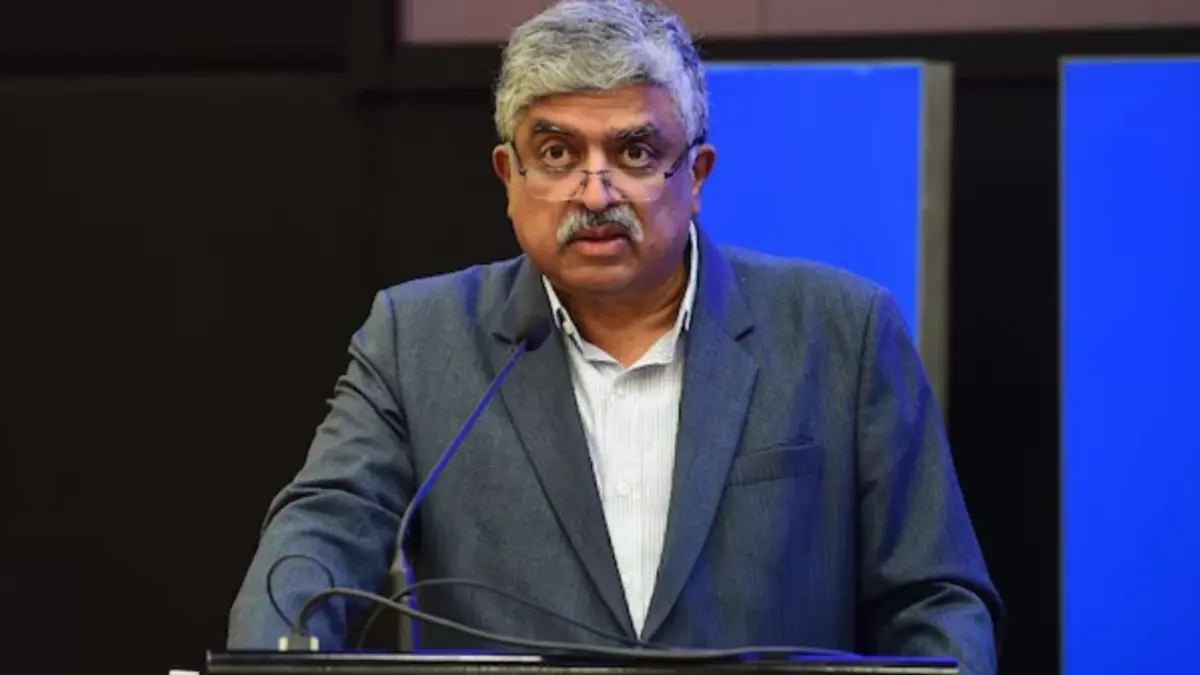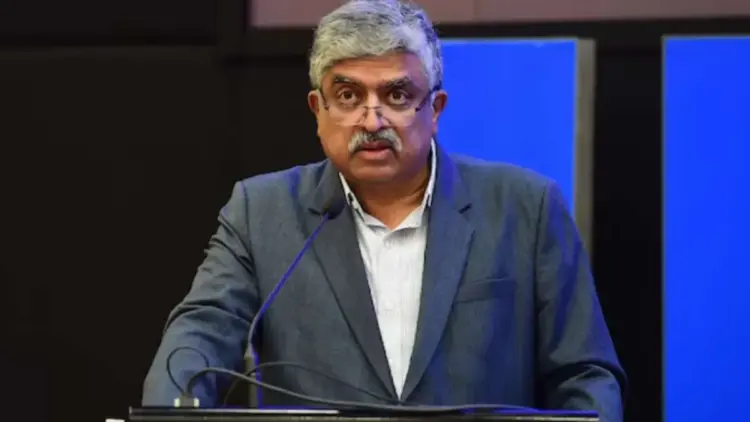
New Delhi, India – October 14, 2026 – In a bold and potentially game-changing proposal aimed at eradicating the pervasive menace of examination paper leaks, Nandan Nilekani, the renowned co-founder of Infosys and a leading figure in India’s digital revolution, has put forth a radical idea: the generation of question papers by Artificial Intelligence (AI) at the eleventh hour. This innovative concept, unveiled at the prestigious Bloomberg New Economy Forum 2026, signals a paradigm shift in how India approaches its high-stakes examinations, with a strong emphasis on transitioning towards a fully computer-based testing (CBT) model.
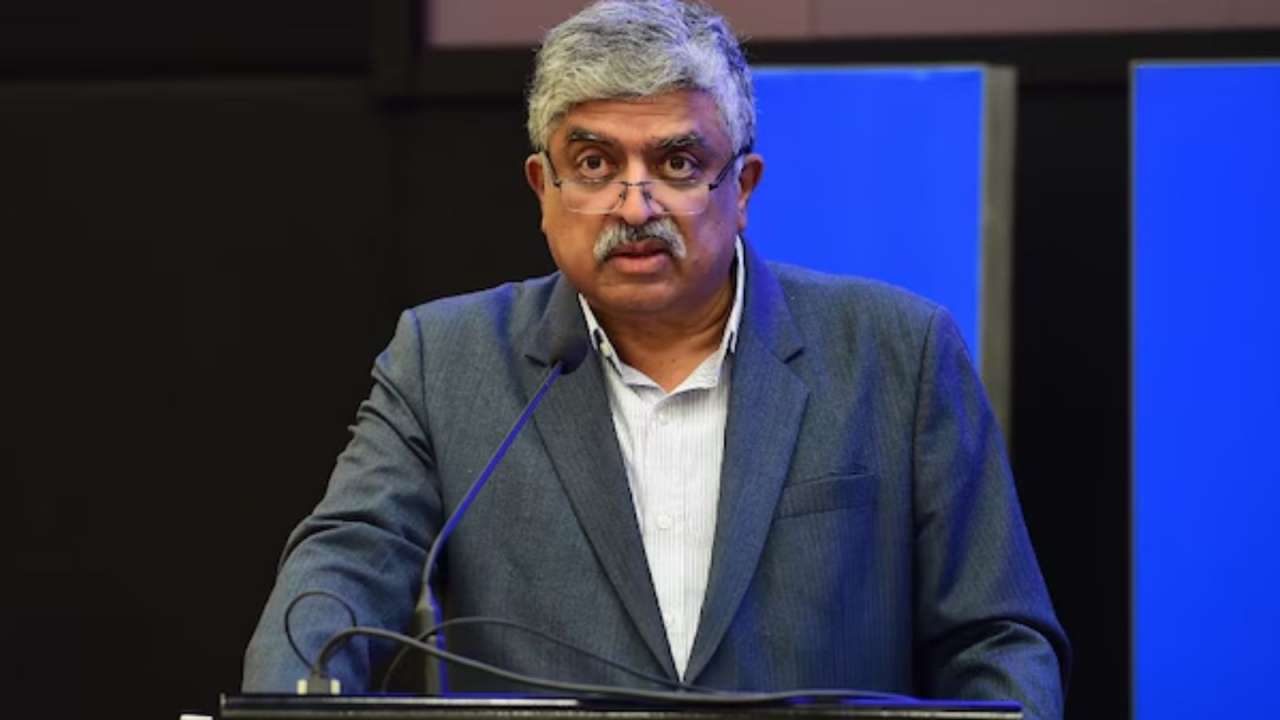
Nilekani, who is currently spearheading a six-member government task force on exam reforms, established in July following widespread protests against repeated paper leaks, articulated his vision with a focus on dismantling the very economic incentives that fuel such malpractices. His suggestion is not merely a technological upgrade but a fundamental re-imagining of the examination process, designed to create an environment where leaks become logistically improbable and financially unviable.
)
The Genesis of a Groundbreaking Idea: Dismantling the Leakage Ecosystem
The current system, Nilekani argued, is inherently vulnerable due to the predetermined nature of question papers. "Why do we need to have something called ‘a question paper’?" he posed, highlighting the direct correlation between a fixed set of questions and the allure of illicit profit. "Because that creates an economic incentive for it to be sold." This economic incentive, he elaborated, transforms a critical educational assessment into a commodity ripe for exploitation.

His proposed solution is a multi-pronged approach, with the core innovation being the dynamic generation of question papers. "One way to look at how to solve it is to have a massive bank of questions, and only at the last minute generate the question paper for the day," Nilekani stated. This means that instead of a static paper being printed, distributed, and inevitably leaked, a unique set of questions would be assembled algorithmically moments before the examination commences. This would render pre-leakage intelligence and distribution networks largely obsolete.
)
However, the feasibility of this sophisticated AI-driven question paper generation hinges on a crucial prerequisite: the universal adoption of computer-based testing. Nilekani explicitly linked his proposal to the necessity of a robust digital infrastructure for examinations. "He added that this model would only be possible if exams are held in computer-based test mode," he emphasized. The implication is clear: a digital platform is essential to receive, compile, and present these dynamically generated question papers to candidates in real-time.
)
While Nilekani did not directly address the potential vulnerabilities of the AI model itself or the question bank from which it draws, the underlying principle is to make the act of leaking a question paper before the exam virtually impossible due to the constantly changing nature of the content. The focus shifts from securing a static document to securing the dynamic generation process and the digital delivery system.
)
A Comprehensive Shift: The Imperative of Computer-Based Testing
The Nandan Nilekani-led task force is actively exploring the widespread implementation of Computer-Based Testing (CBT) for all major examinations across India. This is not a new concept, but Nilekani’s advocacy brings renewed urgency and a strategic vision to its adoption. "The committee is looking at how to make sure all exams are done on CBT," he confirmed.
)
The logistical challenge of transitioning to a nationwide CBT system is significant. It necessitates a substantial expansion of testing infrastructure. "That requires a network of locations. We have 1,50,000 locations where young candidates can take a test and that needs to be expanded," Nilekani elaborated, pointing to the existing, albeit insufficient, network of potential testing centers. This expansion plan aims to provide accessible and secure venues for millions of students to take their examinations digitally.
)
The digital divide, a persistent challenge in India, remains a pertinent concern. Nilekani’s statement did not delve into the specifics of how this transition would address the disparities in internet access and digital literacy, particularly in rural and remote areas. This remains a critical area for future policy development and implementation to ensure equitable access to these digitally transformed examinations.
)
In response to these infrastructure needs and integrity concerns, reports indicate that the National Testing Agency (NTA) is collaborating with the All India Council for Technical Education (AICTE). Their objective is to identify suitable IT infrastructure and government institutions that can be repurposed as standardized testing centers. Notably, the NTA is reportedly seeking to avoid private centers due to inherent integrity concerns, further underscoring the government’s commitment to a secure and transparent examination process.
)
The Task Force: A Mandate for Reform
The establishment of this high-powered task force on exam reforms was a direct consequence of escalating public anger and widespread protests following a series of high-profile paper leaks. The resignation of the then Education Minister, Dharmendra Pradhan, in July underscored the gravity of the situation and the urgent need for systemic change.
)
Nilekani, with his extensive experience in technology and governance, was entrusted with the leadership of this critical committee. The task force comprises an impressive array of experts, including former ISRO chief S. Somanath and former IB director Tapan Deka, bringing together diverse perspectives and deep domain knowledge.
)
The task force has been granted a three-month period to submit its comprehensive report, a tight deadline that reflects the urgency of the reforms. In its short but intensive period of operation, the committee has already conducted a substantial number of internal meetings – 18 – and engaged in extensive consultations with stakeholders, holding 40 meetings with various parties. This inclusive approach has involved gathering over 50,000 suggestions from a wide spectrum of individuals, including students, parents, and representatives from prominent exam bodies such as the National Recruitment Agency (NRA), Staff Selection Commission (SSC), and the Railway Recruitment Board (RRB). This vast collection of feedback is expected to inform the task force’s recommendations, ensuring they are grounded in the realities and concerns of those most affected by the examination system.
)
Implications and Future Outlook: A New Era for Indian Examinations?
Nandan Nilekani’s proposal for AI-generated, last-minute question papers, coupled with a robust push for computer-based testing, represents a significant departure from traditional examination methodologies. If successfully implemented, this approach holds the potential to:
)
- Dramatically Reduce Paper Leaks: By eliminating the existence of a predetermined paper, the primary mechanism for leaks is dismantled. The economic incentive for leaksters would be severely diminished, if not entirely eradicated.
- Enhance Exam Security: The dynamic nature of question paper generation would make it incredibly difficult for unauthorized individuals to gain access to content beforehand.
- Promote Fairness and Equity: A standardized CBT system, when implemented with careful consideration for the digital divide, could offer a more uniform and equitable testing experience for all candidates, regardless of their geographical location.
- Streamline Examination Processes: CBT can often lead to faster result declaration and a more efficient overall examination administration.
- Modernize Education Assessment: Embracing AI and digital technologies aligns India’s examination system with global trends in technological advancement and educational assessment.
However, the path to this envisioned future is not without its challenges. Key considerations include:
)
- Technological Infrastructure Development: Ensuring reliable internet connectivity, adequate computing power, and secure digital platforms across the vast expanse of India will require substantial investment and meticulous planning.
- Addressing the Digital Divide: Specific strategies will be needed to ensure that students from economically disadvantaged backgrounds or those in remote areas are not disenfranchised by the shift to CBT. This might involve community access centers, subsidized data plans, or offline testing capabilities where necessary.
- AI Model Robustness and Security: The AI algorithms used for question generation must be rigorously tested for bias, accuracy, and security against sophisticated cyber threats. The integrity of the question bank itself will also need to be paramount.
- Teacher Training and Familiarity: Educators and invigilators will require training to effectively administer and supervise CBT examinations.
- Public Acceptance and Trust: Building confidence in a system that relies on AI and digital processes will be crucial. Transparency and clear communication about the technology and its safeguards will be vital.
The Bloomberg New Economy Forum 2026 served as a crucial platform for Nandan Nilekani to articulate a vision that could redefine the future of examinations in India. His proposal, while ambitious, offers a concrete and innovative pathway to combatting the persistent issue of paper leaks. The success of this endeavor will depend on the government’s commitment to investing in the necessary infrastructure, addressing the socio-economic disparities, and ensuring the robust and secure implementation of these transformative technologies. The coming months will be critical as the task force finalizes its recommendations, potentially paving the way for a new era of integrity and fairness in India’s educational assessment landscape.