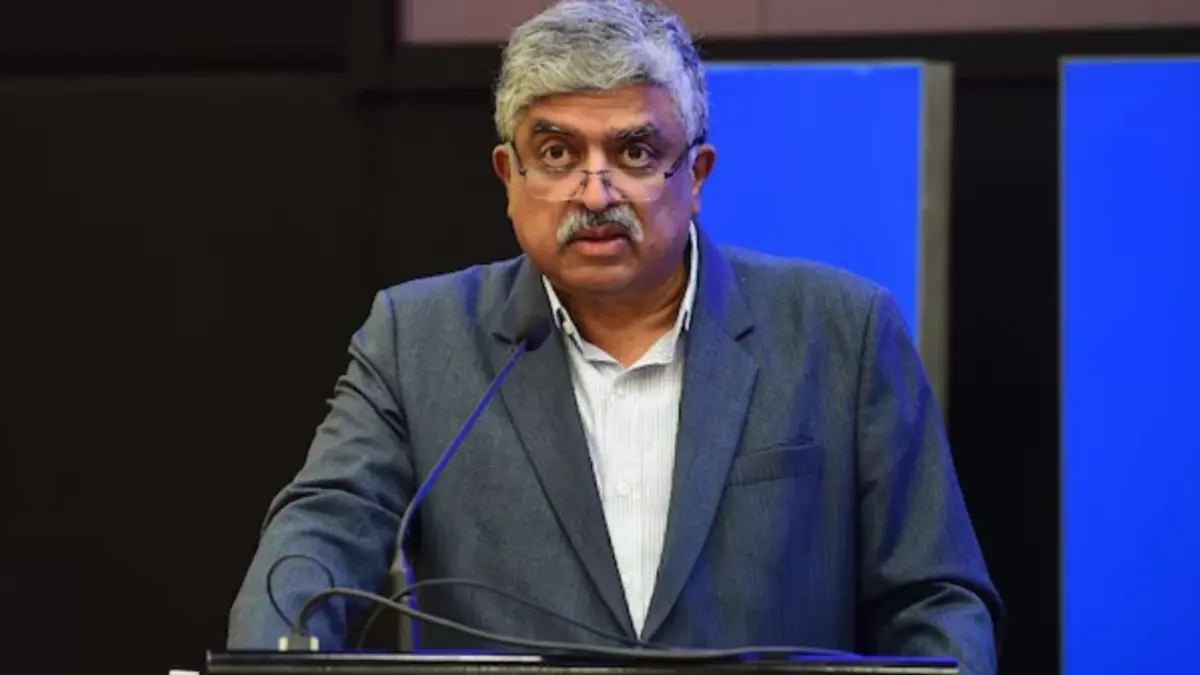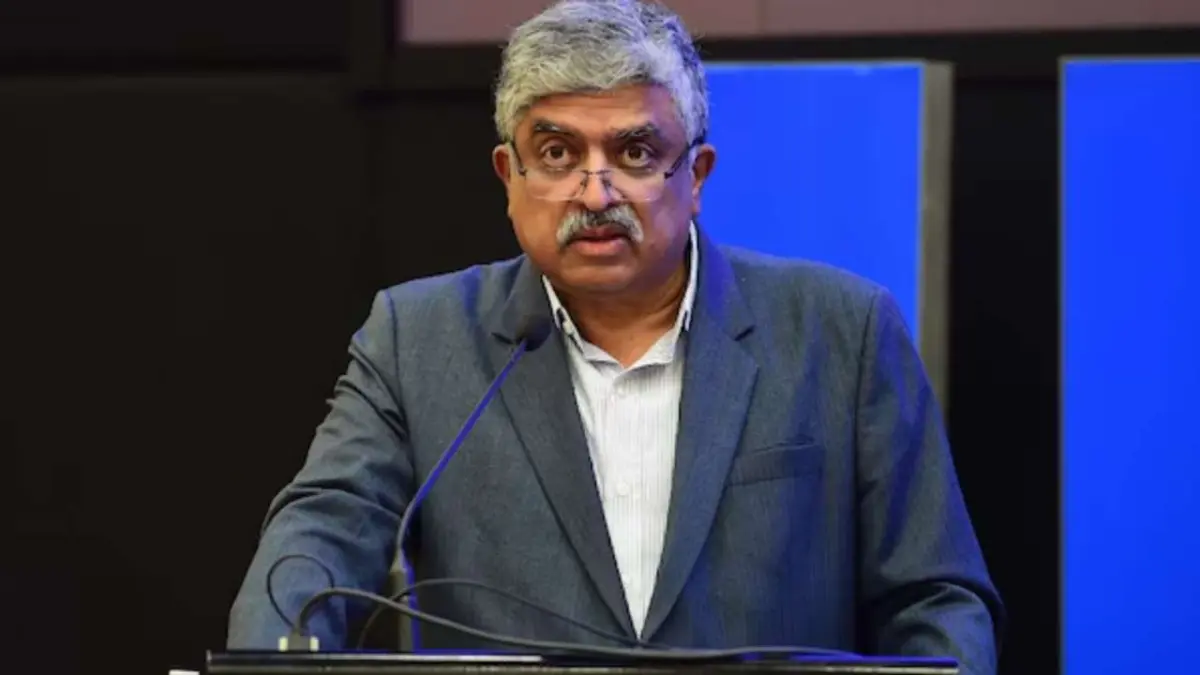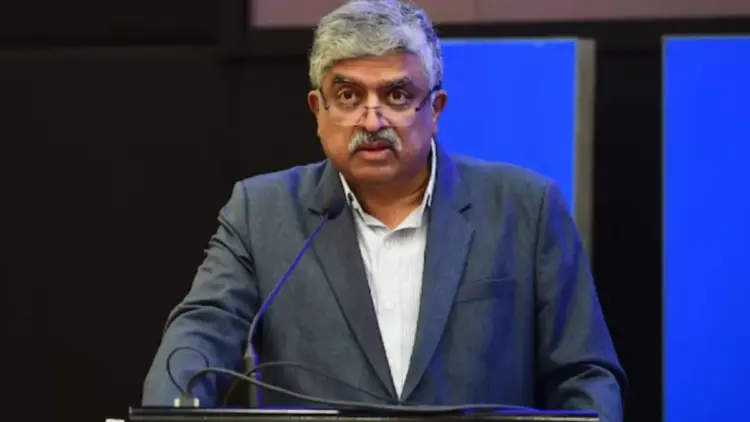
Bengaluru, India – October 14, 2026 – In a bold and potentially game-changing proposal aimed at eradicating the pervasive menace of examination paper leaks, Nandan Nilekani, the visionary co-founder of Infosys and a leading figure in India’s digital revolution, has put forth a radical idea: leveraging Artificial Intelligence (AI) to generate question papers at the eleventh hour. This innovative approach, unveiled at the Bloomberg New Economy Forum 2026 on Tuesday, signifies a significant departure from traditional examination practices and underscores the urgent need for reform in a sector plagued by recurring integrity issues.
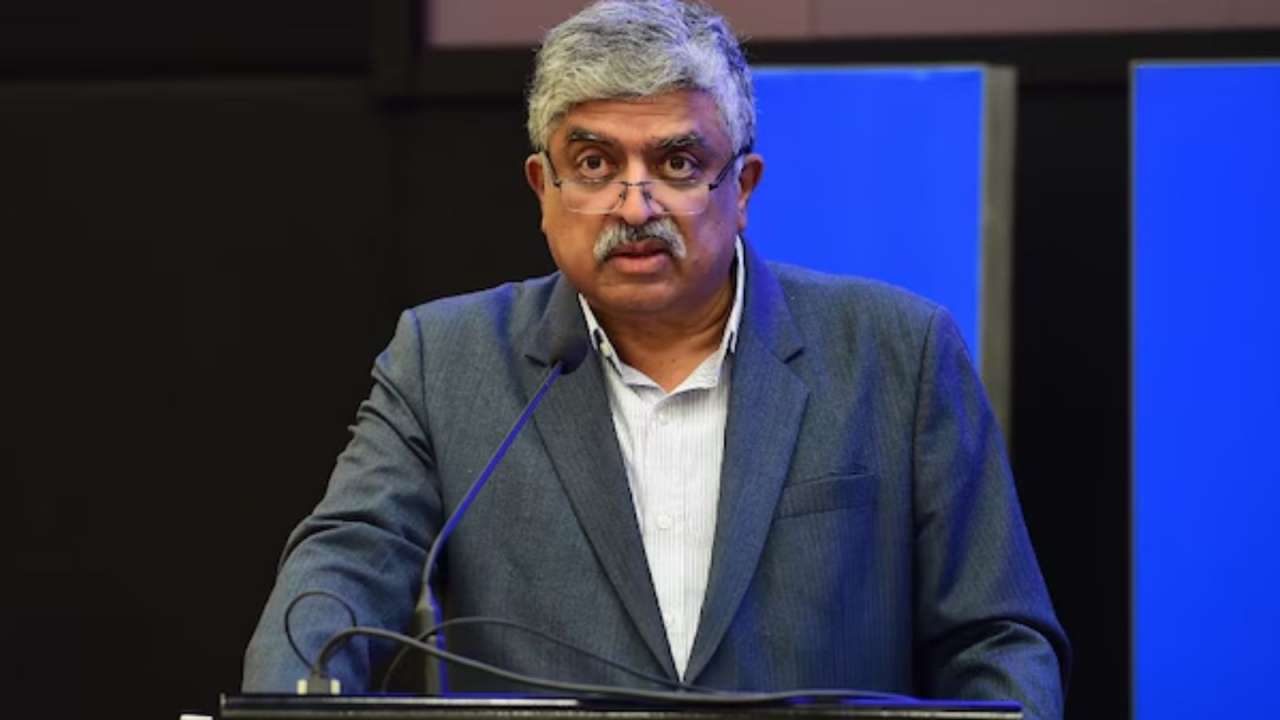
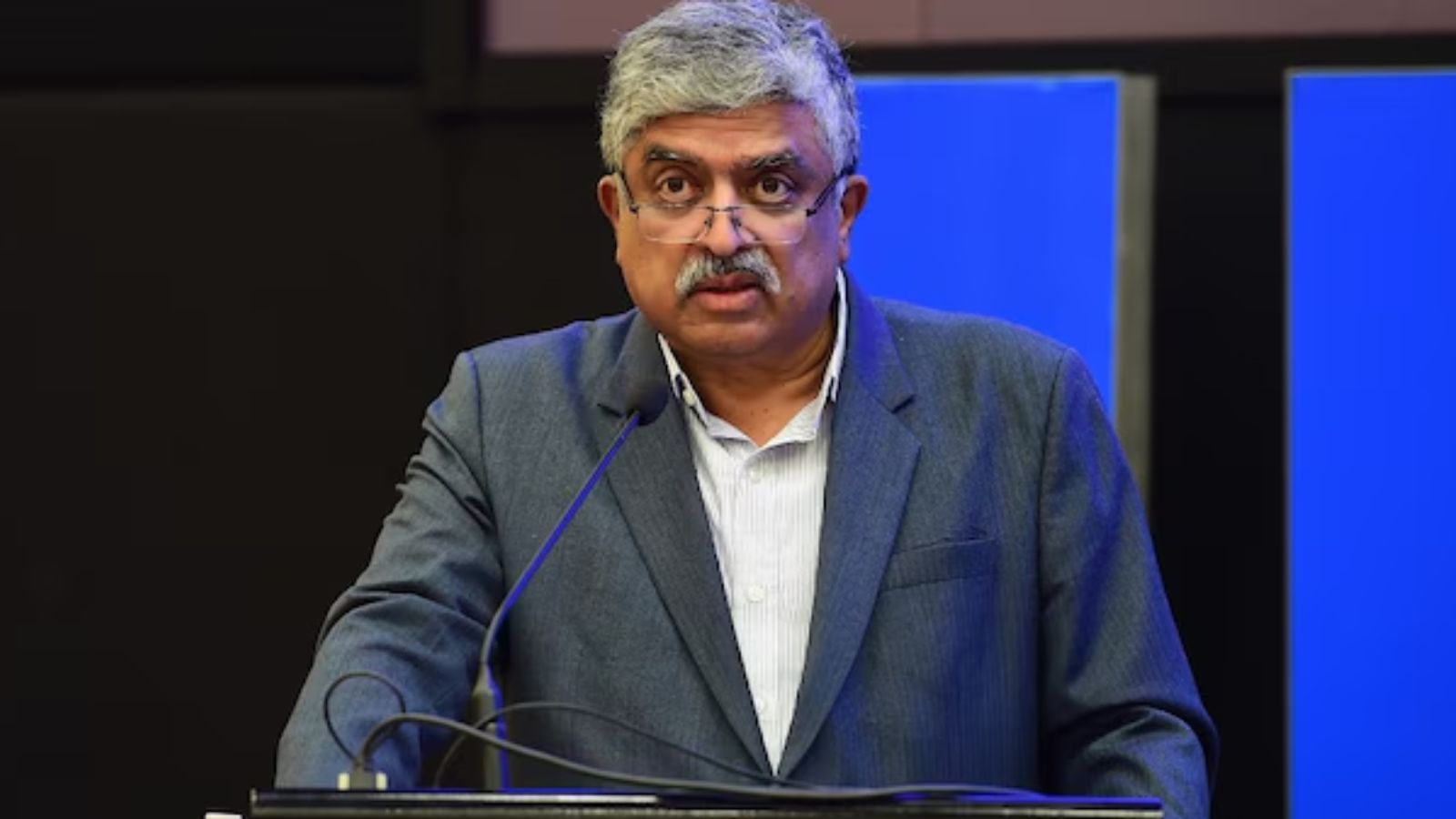
Nilekani, who is currently spearheading a high-profile six-member task force on exam reforms constituted by the central government in July, articulated his vision, emphasizing that the very concept of a static, predetermined question paper creates an irresistible "economic incentive" for leaks. His proposal suggests a paradigm shift where a vast, meticulously curated question bank would serve as the foundation, with AI algorithms tasked with assembling the final examination paper only moments before the test commences. This dynamic generation, he argues, would render the traditional model of paper leaks practically obsolete.
)
The AI-Powered Panacea: Disrupting the Leak Economy
The current system of conducting examinations, particularly for high-stakes national entrance tests like NEET and competitive recruitment exams, has been repeatedly undermined by the unfortunate reality of paper leaks. These leaks not only compromise the fairness and credibility of the examination process but also inflict immense psychological and financial distress on millions of aspiring students. Nilekani’s proposal directly addresses this core vulnerability by fundamentally altering the nature of the "product" that is leaked.

"Why do we need to have something called ‘a question paper’?" Nilekani posited, articulating the central tenet of his argument. "Because that creates an economic incentive for it to be sold." By moving away from a pre-set paper, the temptation and opportunity for illicit dissemination are significantly diminished. The AI, drawing from a comprehensive and diverse question bank, would be programmed to generate unique question papers for each examination session, making it virtually impossible for any individual or group to obtain advance knowledge of the specific questions.
)
However, Nilekani acknowledged that this revolutionary approach hinges on a crucial prerequisite: the widespread adoption of computer-based testing (CBT) modes for all major examinations. The dynamic generation of question papers is only feasible within a digital framework that allows for instantaneous creation and delivery. He did not, however, explicitly address the potential vulnerabilities of the AI itself or the question bank from which it draws. The integrity of the AI algorithms and the security of the vast question repository would become paramount concerns, requiring robust cybersecurity measures and stringent oversight.
)
A Digital Leap: The Imperative of Computer-Based Testing
The task force, under Nilekani’s leadership, is actively exploring the feasibility of transitioning all major examinations to a computer-based testing format. This shift is seen as indispensable for implementing the AI-driven question paper generation model. "The committee is looking at how to make sure all exams are done on CBT," Nilekani stated. "That requires a network of locations. We have 1,50,000 locations where young candidates can take a test and that needs to be expanded."
)
The vision involves leveraging existing infrastructure and potentially expanding it to accommodate the increased demand for CBT centers. This could involve utilizing educational institutions, government offices, and other suitable venues across the country. The goal is to create a decentralized yet standardized testing network that can support the simultaneous conduct of multiple examinations in a secure and controlled environment.
)
However, the path to universal CBT adoption is fraught with challenges, particularly concerning the digital divide that persists in many parts of India. Nilekani’s statement did not elaborate on how this transition would be managed in areas with limited internet connectivity or where digital literacy remains a significant barrier. Ensuring equitable access to computer-based examinations for all students, irrespective of their geographical location or socio-economic background, will be a critical undertaking.
)
According to reports, the National Testing Agency (NTA), a key player in the examination ecosystem, is actively collaborating with the All India Council for Technical Education (AICTE) to identify suitable IT infrastructure and government institutions for establishing standardized testing centers. A deliberate avoidance of private centers is being considered due to past concerns regarding their integrity. This move signals a concerted effort to build a more transparent and reliable testing infrastructure.
)
The Genesis of Reform: A Task Force Born of Crisis
The formation of the task force itself is a direct consequence of the escalating crisis of paper leaks. Established on July 26th, the committee was a response to widespread protests and mounting public pressure following a series of high-profile paper leaks that rocked the education sector. The resignation of the then Education Minister, Dharmendra Pradhan, in the wake of these controversies, highlighted the severity of the issue and the government’s commitment to finding lasting solutions.
)
The six-member task force, chaired by Nandan Nilekani, is a formidable assembly of expertise. Its members include S. Somanath, the former Chairman of the Indian Space Research Organisation (ISRO), and Tapan Deka, the former Director of the Intelligence Bureau (IB). This diverse group brings together technological prowess, administrative acumen, and intelligence expertise, making them uniquely positioned to address the complex challenges of exam reforms.
)
With a mandate to report within three months, the task force has been working with a sense of urgency. They have reportedly conducted 18 internal meetings and engaged in extensive consultations with over 40 stakeholders, including students, parents, and various examination bodies such as the National Recruitment Agency (NRA), the Staff Selection Commission (SSC), and the Railway Recruitment Boards (RRB). This consultative approach, which has garnered over 50,000 suggestions, underscores a commitment to developing solutions that are practical, inclusive, and widely accepted.
)
Broader Implications and the Road Ahead
Nilekani’s proposal, while revolutionary, opens up a new set of questions and potential challenges. The development and maintenance of a robust AI system capable of generating high-quality, error-free question papers on demand will require significant investment in technology and human expertise. Furthermore, the ethical implications of AI in education, including issues of bias in question generation and the potential for algorithmic manipulation, will need careful consideration and robust oversight mechanisms.
)
The transition to CBT also necessitates a substantial investment in digital infrastructure, training for invigilators and technical staff, and comprehensive digital literacy programs for students. Addressing the digital divide will be paramount to ensure that no student is left behind. The success of this ambitious reform hinges not only on technological innovation but also on effective policy implementation, stakeholder engagement, and a sustained commitment to transparency and fairness.
)
The move towards AI-generated question papers and universal CBT represents a bold step towards modernizing India’s examination system. If successfully implemented, it has the potential to not only curb paper leaks but also to streamline the examination process, reduce administrative overheads, and provide a more secure and equitable testing experience for millions of students. The coming months will be crucial in determining the feasibility and the ultimate impact of Nandan Nilekani’s visionary proposal on the future of examinations in India. The task force’s recommendations, when unveiled, will be keenly watched as they promise to reshape the landscape of academic and professional assessments for years to come.