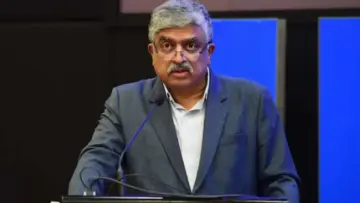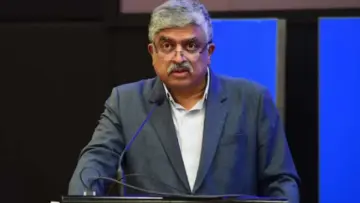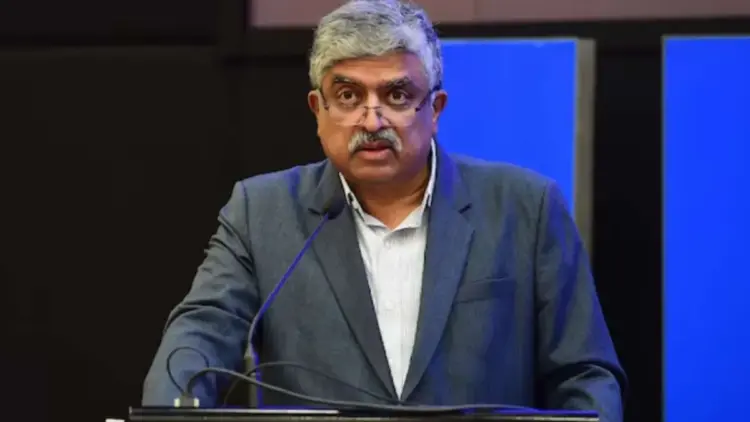
Bengaluru, India – October 14, 2026 – In a bold and potentially transformative proposal aimed at eradicating the persistent menace of examination paper leaks, Nandan Nilekani, the visionary co-founder of Infosys and a leading figure in India’s digital revolution, has suggested the radical adoption of Artificial Intelligence (AI) to generate question papers at the eleventh hour. This innovative approach, unveiled at the prestigious Bloomberg New Economy Forum 2026 on Tuesday, advocates for a fundamental shift in examination methodologies, with a strong emphasis on transitioning to a fully computer-based testing (CBT) mode.
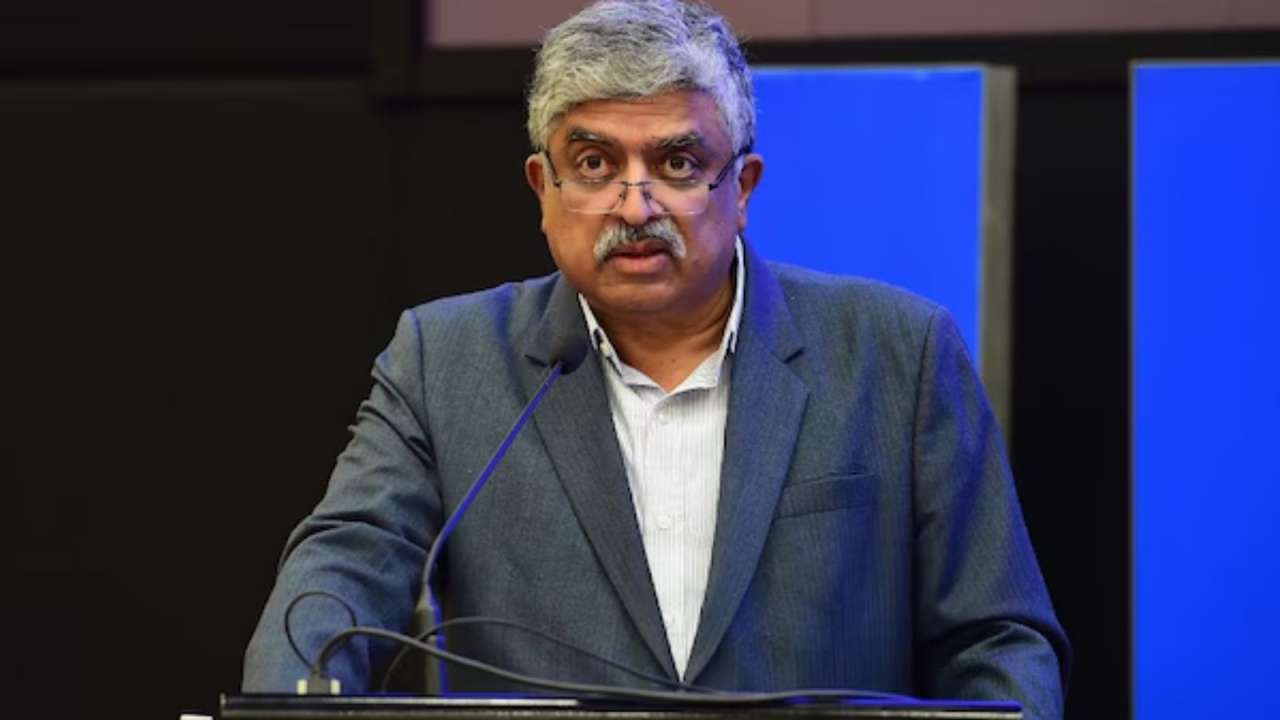
Nilekani, who currently heads a high-powered six-member task force on exam reforms constituted by the central government in July, articulated his vision as a direct response to the systemic vulnerabilities that plague traditional examination systems. The recurring incidents of paper leaks have not only undermined the sanctity of academic and professional assessments but have also eroded the trust of millions of aspiring students and their families.
The Genesis of the AI-Powered Solution: Addressing the Economic Incentive
At the heart of Nilekani’s proposal lies a shrewd analysis of the root cause of paper leaks: the economic incentive associated with possessing a predetermined question paper. "Why do we need to have something called ‘a question paper’?" Nilekani queried, his words resonating with the urgency of the issue. "Because that creates an economic incentive for it to be sold." He elaborated on this point, suggesting that the current model, where question papers are finalized and distributed well in advance, inherently makes them a commodity ripe for illicit trade.

The proposed solution, therefore, is to dismantle this established structure. Nilekani envisions a "massive bank of questions" from which, critically, the actual question paper for any given examination would be generated dynamically, "only at the last minute." This real-time generation, powered by sophisticated AI algorithms, would effectively neutralize the possibility of a paper being leaked and sold prior to the examination. The element of surprise, inherent in the last-minute generation, would render any pre-existing leaked material obsolete and useless.

However, Nilekani was candid about the prerequisites for this ambitious plan. He explicitly stated that this model would "only be possible if exams are held in computer-based test mode." This underscores the symbiotic relationship between AI-generated papers and digital examination platforms. While he did not delve into the specifics of how the vast question bank itself would be secured against potential leaks, the focus of his immediate announcement was on disrupting the distribution of a finalized paper.

A Strong Push for Computer-Based Testing (CBT): The Technological Backbone
Nilekani’s advocacy for AI-generated question papers is intrinsically linked to his task force’s broader exploration of adopting Computer-Based Testing (CBT) for all major examinations across the country. "The committee is looking at how to make sure all exams are done on CBT," he affirmed. This transition to CBT, he acknowledged, necessitates a significant expansion of infrastructure. "That requires a network of locations. We have 1,50,000 locations where young candidates can take a test and that needs to be expanded."

The rationale behind pushing for CBT is multi-faceted. Beyond enabling the dynamic generation of question papers, CBT offers several inherent advantages:

- Enhanced Security: Digital platforms can incorporate robust security features, including biometric authentication, invigilation software, and real-time monitoring, to prevent malpractice during the examination itself.
- Efficiency and Speed: CBT significantly accelerates the examination process, from question paper delivery to result declaration, reducing administrative overhead and time delays.
- Standardization: It ensures a uniform testing environment for all candidates, eliminating variations that can arise from different question paper sets or manual grading.
- Accessibility: While challenges remain, CBT, when implemented thoughtfully, can offer greater accessibility to candidates in remote areas through strategically placed testing centers.
However, the path to widespread CBT adoption is not without its obstacles. Nilekani’s statement did not elaborate on the critical challenges posed by the digital divide and varying internet connectivity in rural and remote regions of India. Ensuring equitable access to testing centers and reliable internet services for all students will be paramount to the success of this initiative.

The National Testing Agency (NTA), a key governmental body responsible for conducting various entrance and recruitment examinations, is reportedly already collaborating with the All India Council for Technical Education (AICTE) to identify suitable IT infrastructure and government institutions for establishing standardized testing centers. This collaboration, as reported by The Hindu, aims to leverage existing government facilities, deliberately avoiding private centers due to ongoing concerns about their integrity. This proactive step indicates a governmental commitment to building a secure and reliable CBT ecosystem.

The Task Force: A Mandate for Systemic Reform
The establishment of this high-powered task force on exam reforms in July was a direct consequence of widespread public outcry and political pressure following a series of high-profile paper leaks. The resignation of Education Minister Dharmendra Pradhan amid these protests underscored the gravity of the situation and the urgent need for a comprehensive overhaul of the examination system.

Nandan Nilekani, with his extensive experience in technology, governance, and public service, brings a unique perspective to this critical mandate. The task force itself is a formidable assembly of expertise, comprising distinguished individuals such as former ISRO chief S. Somanath and former Intelligence Bureau director Tapan Deka. This diverse group is tasked with delivering a comprehensive report within a three-month timeframe.

Their work has been intensive, marked by 18 internal meetings and extensive consultations with over 40 stakeholders, including students, parents, and various exam regulatory bodies like the National Recruitment Agency (NRA), the Staff Selection Commission (SSC), and the Railway Recruitment Board (RRB). The task force has reportedly gathered more than 50,000 suggestions from these diverse groups, indicating a thorough and inclusive approach to understanding the multifaceted challenges of the current examination landscape.

Implications and Future Outlook: A Paradigm Shift in Education Assessment
Nandan Nilekani’s proposal to leverage AI for last-minute question paper generation, coupled with a resolute push for computer-based testing, represents a paradigm shift in how India approaches academic and professional assessments. If successfully implemented, this approach could:

- Dismantle the Paper Leak Market: By removing the predictability and pre-availability of question papers, the economic incentive for leaks would be severely curtailed, potentially eradicating this endemic problem.
- Enhance Exam Integrity: A more secure and transparent examination process would foster greater trust in the fairness and validity of assessments.
- Modernize the Education System: The transition to CBT aligns India’s examination system with global best practices and embraces technological advancements for efficiency and effectiveness.
- Level the Playing Field: A standardized and secure testing environment can contribute to a more equitable assessment of merit, irrespective of background or location.
However, the success of this ambitious vision hinges on several critical factors:

- Technological Infrastructure: The government must invest significantly in building a robust and widespread CBT infrastructure, ensuring reliable internet connectivity and access to testing centers across the country, especially in rural and underserved areas.
- AI Development and Security: The development of sophisticated AI algorithms for question generation needs to be accompanied by stringent security protocols to safeguard the question banks themselves.
- Digital Literacy and Training: A concerted effort will be required to enhance digital literacy among students and educators to ensure they are comfortable and proficient with CBT platforms.
- Stakeholder Buy-in: Continuous engagement and transparent communication with students, parents, educators, and exam bodies will be crucial to garner support and address any concerns.
The coming months will be critical as Nandan Nilekani’s task force finalizes its recommendations. The bold proposal of AI-generated question papers at the last minute, while ambitious, offers a tantalizing glimpse into a future where examination integrity is no longer a pipe dream but a tangible reality, ushering in a new era of fairness and credibility in India’s educational landscape. The integration of cutting-edge technology with a deep understanding of systemic vulnerabilities holds the key to unlocking a more equitable and trustworthy assessment system for millions of Indian students.