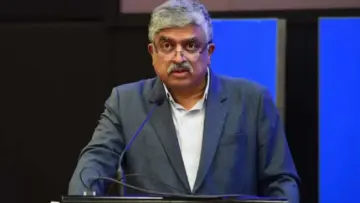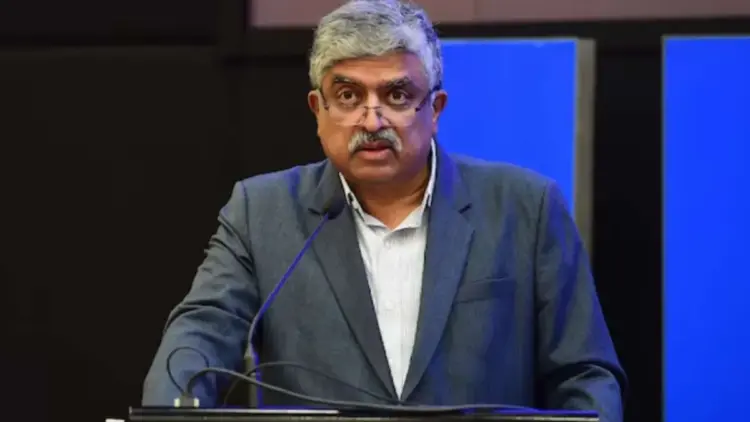
New Delhi, India – October 14, 2026 – In a bold proposal aimed at eradicating the persistent menace of examination paper leaks, Nandan Nilekani, the eminent co-founder of Infosys and a leading figure in India’s digital revolution, has suggested a radical reimagining of how question papers are generated and administered. Speaking at the prestigious Bloomberg New Economy Forum 2026, Nilekani outlined a vision where Artificial Intelligence (AI) could be leveraged to create examination papers on demand, precisely at the last minute, thereby dismantling the economic incentive that fuels leak syndicates. This groundbreaking idea is being actively considered by a high-powered government task force on exam reforms, which Nilekani himself chairs.
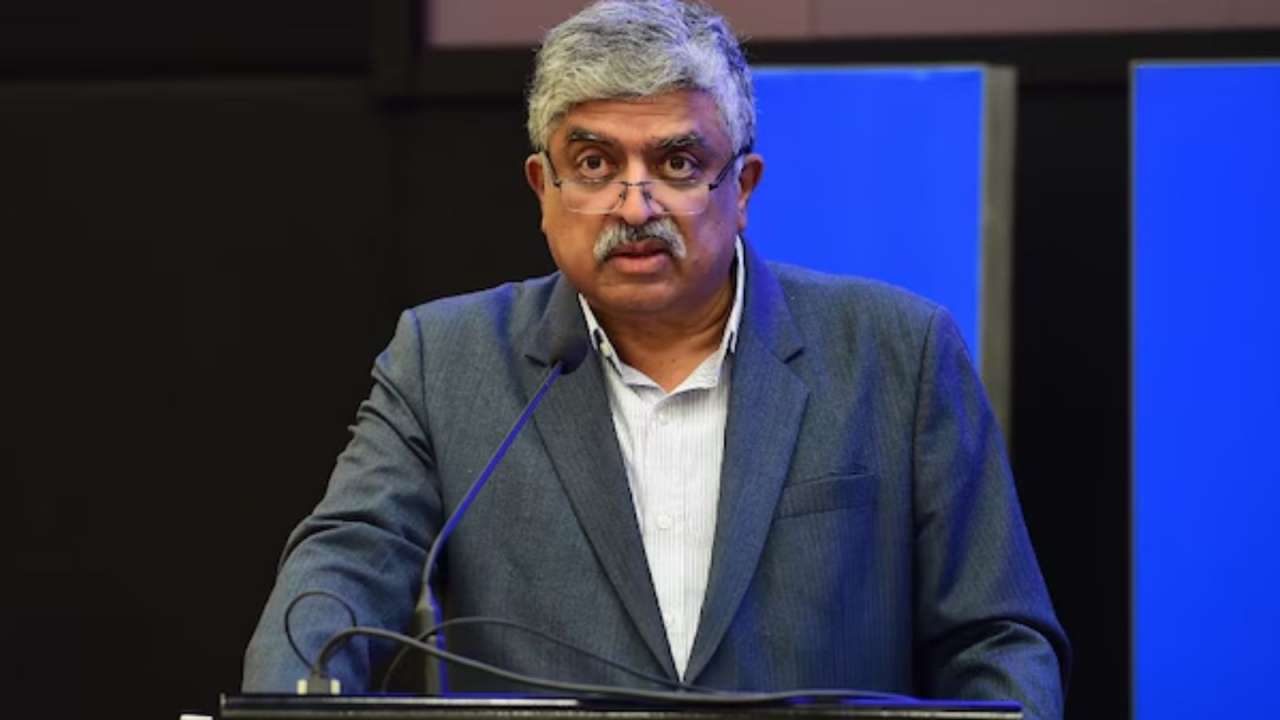
The core of Nilekani’s proposal hinges on a fundamental shift from static, pre-prepared question papers to dynamic, AI-generated assessments. This approach, he argues, would render the existing model of leaking and selling papers obsolete. The announcement comes at a critical juncture for India’s education sector, which has been plagued by repeated instances of paper leaks across various competitive examinations, undermining the fairness and credibility of the selection processes for educational institutions and government jobs.
)
The AI-Driven Solution: A Paradigm Shift in Question Paper Generation
The current system, where question papers are prepared well in advance and stored under strict security, inherently creates a vulnerability. This lead time provides ample opportunity for unscrupulous individuals and organized gangs to access, leak, and profit from the exam content. Nilekani’s innovative solution directly addresses this systemic flaw.

"Why do we need to have something called ‘a question paper’?" Nilekani posited during his address, articulating the problem that has vexed students and authorities alike. "Because that creates an economic incentive for it to be sold." He elaborated on the proposed AI-driven model: "One way to look at how to solve it is to have a massive bank of questions, and only at the last minute generate the question paper for the day."
)
This "just-in-time" generation of question papers, powered by sophisticated AI algorithms, would mean that no one, not even the examination conducting bodies, would have access to the specific set of questions to be administered until moments before the exam begins. The AI would draw from a vast, meticulously curated repository of questions, ensuring both the breadth of coverage and the difficulty level are maintained, while simultaneously thwarting any attempts at pre-emptive leaks.
)
However, Nilekani acknowledged a crucial prerequisite for this AI-powered system to function effectively: a widespread adoption of computer-based testing (CBT) for all major examinations. He conceded that a massive question bank, even if dynamically utilized, could still theoretically be vulnerable if the underlying data itself were compromised. The emphasis, therefore, is on a secure, distributed infrastructure for both question generation and exam delivery.
)
The Imperative for Computer-Based Testing (CBT)
Nilekani’s vision for AI-generated papers is inextricably linked to a broader push for computer-based testing across India. The task force he leads is actively exploring the feasibility of transitioning all significant examinations to a CBT format.
)
"The committee is looking at how to make sure all exams are done on CBT," Nilekani stated. "That requires a network of locations. We have 1,50,000 locations where young candidates can take a test and that needs to be expanded." This existing infrastructure, he suggested, could serve as the backbone for a secure and scalable CBT network.
)
The advantages of CBT extend beyond facilitating AI-driven question generation. Computer-based tests are inherently more secure, reducing the scope for malpractices like impersonation and manipulation of answer sheets. They also offer greater efficiency in terms of results processing and analysis, providing quicker feedback to candidates. Furthermore, CBT allows for greater flexibility in scheduling, enabling multiple test windows and potentially reducing the pressure on a single examination day.
)
However, the transition to a fully CBT-based examination system presents its own set of challenges, particularly in a country with significant digital divides. Nilekani’s proposal, while forward-thinking, did not explicitly detail how the government plans to address the concerns surrounding internet connectivity and digital literacy in remote and rural areas. Ensuring equitable access to testing centers for all students, regardless of their geographical location or socio-economic background, will be paramount to the success of any nationwide CBT initiative.
)
The National Testing Agency (NTA), the primary body responsible for conducting various entrance and recruitment examinations, is reportedly already collaborating with the All India Council for Technical Education (AICTE) to identify suitable IT infrastructure and government institutions for establishing standardized testing centers. The focus on government institutions, as opposed to private ones, underscores a continued emphasis on maintaining integrity and mitigating potential conflicts of interest.
)
The Genesis of the Task Force and Its Mandate
The Nandan Nilekani-led task force on exam reforms was constituted on July 26, 2026, in the wake of considerable public outcry and political pressure following a series of high-profile paper leaks. The resignation of Education Minister Dharmendra Pradhan in July, amidst widespread protests, underscored the urgency with which the government viewed the issue.
)
The six-member task force, a formidable assembly of expertise, is chaired by Nilekani, whose experience in building robust technological infrastructure for India, most notably the Aadhaar system, makes him an ideal candidate to lead this reform initiative. The panel also includes distinguished individuals such as former ISRO chief S. Somanath and former IB director Tapan Deka, bringing a wealth of knowledge from scientific, technological, and intelligence domains.
)
With a three-month mandate to deliver its recommendations, the task force has been engaged in an intensive period of consultation and deliberation. It has reportedly conducted 18 internal meetings and engaged with over 40 stakeholders, including students, parents, educators, and representatives from examination bodies such as the National Recruitment Agency (NRA), the Staff Selection Commission (SSC), and the Railway Recruitment Boards (RRB). This extensive outreach has resulted in the gathering of over 50,000 suggestions, reflecting the widespread impact of paper leaks on the aspirations of millions of young Indians.
)
The comprehensive nature of the task force’s engagement suggests that its recommendations will likely be multi-faceted, addressing not only the technological aspects of exam security but also the administrative and procedural vulnerabilities that have been exploited in the past.
)
Broader Implications and the Road Ahead
The proposals put forth by Nandan Nilekani represent a significant departure from traditional examination practices. The potential adoption of AI-generated question papers and a complete shift to computer-based testing signals a commitment to leveraging cutting-edge technology to safeguard the integrity of India’s examination system.
)
The success of this initiative will hinge on several critical factors:
)
- Technological Robustness: The AI systems must be sophisticated enough to generate a wide variety of high-quality questions while remaining impervious to any form of pre-emptive access. The security of the question banks and the generation algorithms will be paramount.
- Infrastructure Development: The expansion of a secure and accessible CBT network across the country, especially in underserved regions, will require substantial investment and careful planning. Bridging the digital divide will be a crucial undertaking.
- Stakeholder Buy-in: Gaining the trust and acceptance of students, parents, and educational institutions will be vital. Clear communication about the benefits and security measures of the new system will be essential.
- Regulatory Framework: Robust legal and regulatory frameworks will need to be established to govern the use of AI in examinations and to ensure accountability.
The move towards AI-powered examinations, if successfully implemented, could usher in an era of greater fairness, transparency, and efficiency in India’s educational and recruitment landscape. It represents a proactive approach to a deeply entrenched problem, demonstrating a willingness to embrace technological innovation to secure the future of millions of aspiring individuals. The coming months will be crucial as the task force finalizes its recommendations and the government charts a course for implementing these potentially transformative reforms. The promise of AI-driven exam security offers a beacon of hope against the persistent shadows of paper leaks, potentially redefining the very nature of assessment in India.