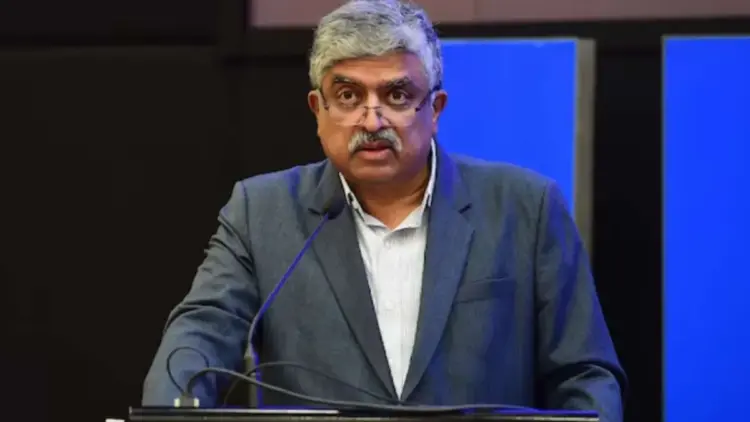
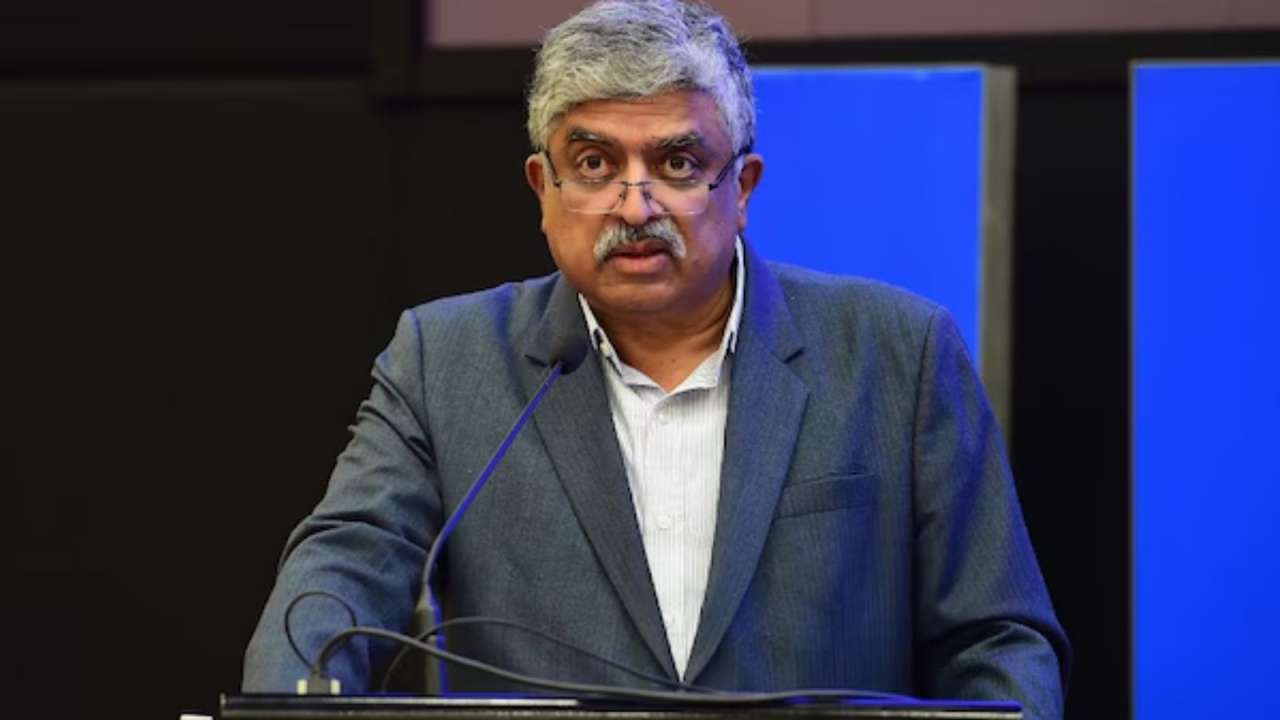
Bengaluru, India – October 14, 2026 – In a bold move to tackle the pervasive issue of examination paper leaks, Nandan Nilekani, the visionary co-founder of Infosys and a leading figure in India’s digital revolution, has put forth a groundbreaking proposal: the last-minute generation of question papers using Artificial Intelligence (AI). Speaking at the prestigious Bloomberg New Economy Forum 2026, Nilekani, who is also heading a government-appointed task force on exam reforms, suggested a radical shift towards a computer-based testing (CBT) model for all major examinations. This dual-pronged approach aims to dismantle the economic incentives behind leaks and usher in a more secure and efficient examination ecosystem.
The persistent threat of paper leaks has plagued India’s education sector for years, undermining the meritocracy of its competitive examinations and causing immense distress to millions of aspiring students. From national-level entrance exams like the National Eligibility cum Entrance Test (NEET) to various recruitment tests for government jobs, the shadow of leaked papers has cast a long and damaging spell. Nilekani’s proposal, therefore, arrives at a critical juncture, offering a glimpse into a future where exam integrity is not a fragile aspiration but a technologically fortified reality.
The AI-Powered Shield: Disrupting the Leak Economy
Nilekani’s central argument for employing AI in question paper generation hinges on the fundamental flaw of having a pre-determined, static question paper. "The idea of a predetermined question paper makes it more appealing to leak and sell it," he articulated at the forum. "Why do we need to have something called ‘a question paper’? Because that creates an economic incentive for it to be sold."
The proposed solution is to create a vast, dynamic question bank, meticulously curated and rigorously vetted. From this colossal repository, AI algorithms would then be employed to assemble the actual examination paper for a specific session, mere moments before the test commences. This "just-in-time" generation process would render the concept of a leaked paper obsolete. By the time any purported leak could surface, the original question paper would have already been superseded by a new, AI-generated version, rendering the leaked material worthless.
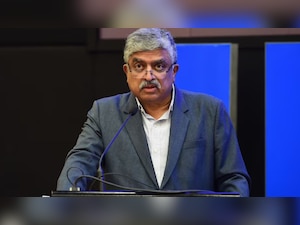
This innovative approach directly targets the economic underpinnings of paper leaks. Currently, syndicates and individuals involved in leak rackets operate by obtaining the question paper well in advance, allowing them to sell it to desperate candidates. The AI-driven model aims to eliminate this window of opportunity entirely. The sheer scale and complexity of a dynamically generated question paper, drawing from an immense pool of questions with varied difficulty levels and thematic coverage, would also make it significantly harder for any entity to predict or obtain the specific questions that will appear on a given day.
Nilekani acknowledged that the feasibility of this AI-driven model is intrinsically linked to the widespread adoption of computer-based testing. "This model would only be possible if exams are held in computer-based test mode," he stated. This crucial dependence on digital infrastructure forms the second pillar of his reform agenda.

Embracing the Digital Frontier: A Nationwide Push for Computer-Based Testing
The shift towards computer-based testing (CBT) is not merely a consequence of the AI proposal; it is a strategic imperative for modernizing India’s examination system. Nilekani revealed that his task force is actively exploring the implementation of CBT for all major examinations across the country. "The committee is looking at how to make sure all exams are done on CBT. That requires a network of locations," he explained.
The vision is to leverage existing infrastructure and expand it to accommodate a nationwide CBT network. The target is to utilize the vast number of existing locations where young candidates can take tests, which currently stands at an impressive 150,000, and further enhance this capacity. This would involve a multi-faceted approach, including identifying suitable IT infrastructure and government institutions to serve as standard testing centers, while carefully considering the integrity concerns associated with private centers.

The National Testing Agency (NTA), a key player in conducting national-level examinations, is reportedly already collaborating with the All India Council for Technical Education (AICTE) to scout for appropriate locations and infrastructure. This proactive step underscores the seriousness with which the government is considering these reforms.
However, the transition to a fully digital examination system is not without its challenges. India’s vastness and socio-economic diversity present significant hurdles, particularly in bridging the digital divide. Nilekani did not elaborate on how the task force intends to address the concerns related to areas with limited internet access or the disparities in digital literacy between urban and rural students. Ensuring equitable access to these digital testing facilities will be paramount to prevent the reforms from inadvertently excluding marginalized communities.

The Genesis of Reform: A Task Force Born from Crisis
The urgency for such comprehensive reforms was amplified in July when the resignation of Education Minister Dharmendra Pradhan became a focal point amidst widespread protests against paper leaks. This crisis spurred the formation of a high-powered, six-member task force on exam reforms, with Nandan Nilekani at its helm. The panel, entrusted with the critical mandate of recommending robust solutions, comprises distinguished individuals from various fields, including former ISRO chief S. Somanath and former Intelligence Bureau director Tapan Deka.
This task force has been working diligently over the past three months, engaging in 18 internal meetings and holding extensive consultations with over 40 stakeholders. Their outreach has been broad, gathering invaluable insights and suggestions from a diverse group of individuals, including students, parents, and representatives from major exam conducting bodies such as the National Recruitment Agency (NRA), Staff Selection Commission (SSC), and Railway Recruitment Boards (RRB). The sheer volume of suggestions, reportedly exceeding 50,000, highlights the widespread concern and the pressing need for effective solutions. The task force is expected to submit its comprehensive report within the stipulated three-month timeframe, outlining the roadmap for these transformative changes.

Implications and the Road Ahead: A Transformative Vision for Education
The implications of Nilekani’s proposals are profound and far-reaching. If successfully implemented, the AI-generated question paper model, coupled with a robust CBT infrastructure, could herald a new era of integrity and fairness in India’s examination system.
For Students: The primary beneficiaries would be the students themselves, who would no longer have to contend with the anxiety and unfairness of a system prone to leaks. This would foster a more meritocratic environment, where genuine talent and hard work are the true determinants of success.

For Educational Institutions: The reforms could lead to a more standardized and efficient assessment process, reducing the administrative burden associated with manual paper handling and security arrangements.
For the Nation: A transparent and credible examination system is crucial for nurturing a skilled workforce, which is vital for national development and economic growth. By ensuring that the best talent rises to the top, these reforms can contribute significantly to India’s progress.

However, the path to realizing this vision is fraught with challenges. The successful implementation of AI-driven question paper generation will require significant investment in cutting-edge technology, robust cybersecurity measures, and continuous refinement of AI algorithms to ensure fairness and prevent any potential biases. Furthermore, the expansion of CBT infrastructure must be meticulously planned to ensure accessibility for all, especially in remote and underserved regions.
The digital divide remains a critical concern. Bridging this gap will necessitate concerted efforts in digital literacy training, ensuring affordable internet access, and developing user-friendly interfaces for the CBT platforms. The government will need to collaborate with technology providers, educational institutions, and local communities to create an inclusive digital ecosystem for examinations.

The success of this ambitious reform hinges on meticulous planning, strategic execution, and a commitment to addressing the inherent complexities of India’s diverse landscape. Nandan Nilekani’s vision, backed by the expertise of the task force, offers a compelling blueprint for a future where examinations are not only a measure of knowledge but also a testament to the integrity of the system that evaluates it. As India stands on the cusp of this digital transformation in education, the promise of AI-powered security and a modernized examination infrastructure offers a beacon of hope for millions of aspiring individuals and for the nation’s future.