SPORTS
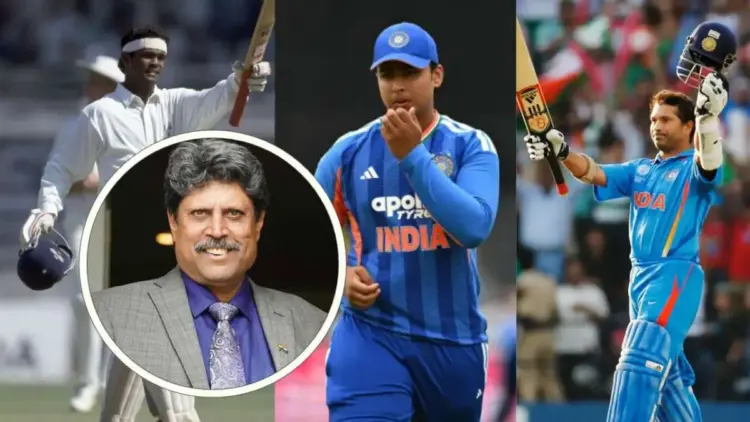
In the intensely competitive arena of Indian cricket, where prodigies emerge with dazzling frequency, the path from raw talent to sustained greatness is fraught with challenges. For every Sachin Tendulkar, there are countless others whose careers, despite initial brilliance, fade into obscurity. It is this stark reality that legendary former India captain Kapil Dev has laid bare for young Vaibhav Sooryavanshi, delivering a poignant and almost paternal warning that resonates with the collective memory of Indian cricket fans. Dev’s message to the 15-year-old sensation is clear, uncompromising, and laden with the wisdom of decades spent at the pinnacle of the sport: patience, unwavering focus on cricket, and a critical choice between emulating the unparalleled career of Tendulkar or succumbing to the tragic decline of Vinod Kambli.
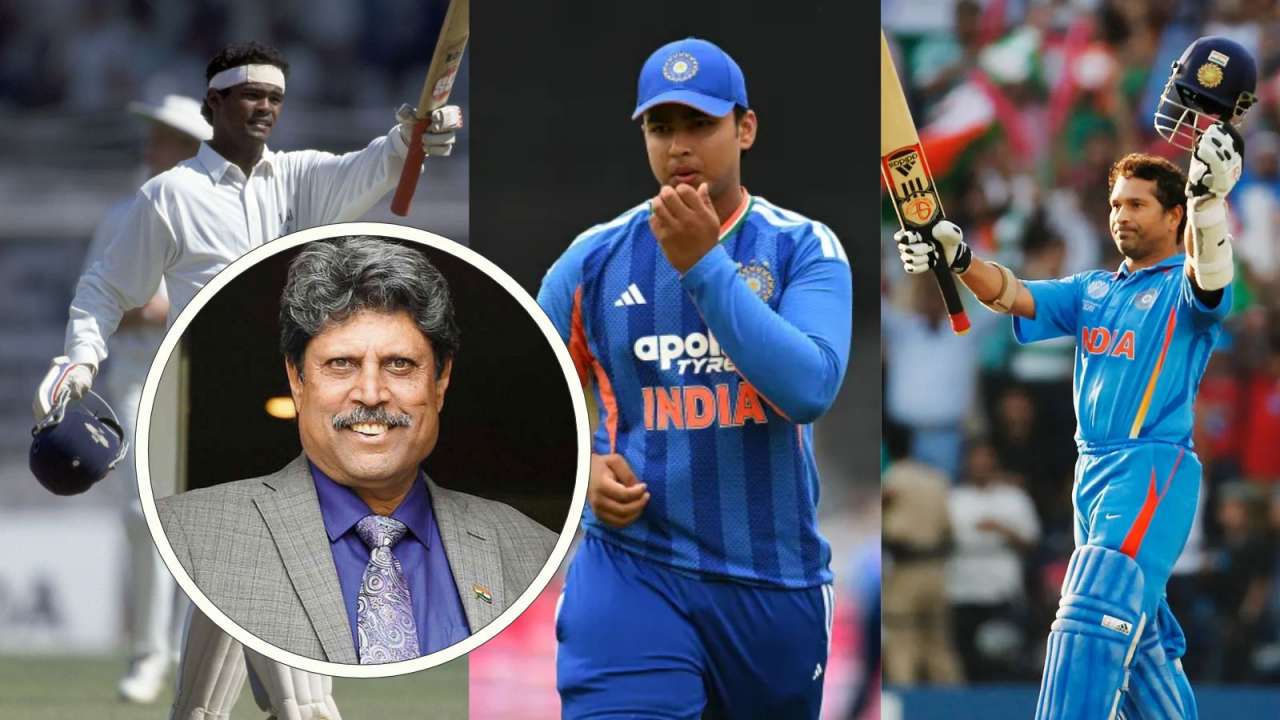
This direct admonition from one of cricket’s most revered figures underscores the immense pressure and scrutiny that accompanies nascent talent in a nation where cricket is more than just a game—it’s a religion. Sooryavanshi, a name increasingly whispered among selectors and fans for his aggressive batting style, finds himself at a pivotal juncture, his raw potential now shadowed by the weight of a comparison that embodies both the ultimate aspiration and the gravest cautionary tale in Indian cricketing history.
Main Facts: A Veteran’s Candid Counsel
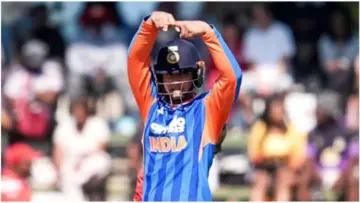
Kapil Dev’s intervention comes at a critical time for Vaibhav Sooryavanshi. Despite being hailed as a promising talent and even earning a place in the Indian squad for the recent five-match T20 International series against New Zealand, Sooryavanshi’s opportunities were notably limited. He featured in just two games, with senior players like Abhishek Sharma and Sanju Samson being preferred for the opening slots. This restricted playtime, coupled with the inherent challenges of transitioning from age-group stardom to international cricket, appears to have prompted Dev’s candid assessment.
In an interview with Mid-Day, Kapil Dev articulated his views without equivocation. He acknowledged Sooryavanshi’s evident talent and crowd-pleasing aggressive style, emphasizing, "There is no shortage of talent." However, he quickly tempered this praise with a call for realism, stating, "He still has a long way to go. Though he’s part of the Indian team, he doesn’t get enough chances. I think it’s the action. Everybody likes action now and anybody as young as Sooryavanshi, hitting fours and sixes is what old people and young people love to see. He needs more time."
The core of Dev’s advice hinges on two pillars: patience and singular focus. He urged Sooryavanshi to keep his attention solely on cricket, advising against succumbing to the myriad distractions that often accompany early fame and financial success. "He should just focus on cricket and nothing else. At this stage, they talk about money too. Huge talent, but I think he has to go a long way," Dev remarked, highlighting the potential pitfalls of burgeoning wealth and celebrity for a young athlete.

The most striking and, arguably, "shocking" aspect of Dev’s claim was his direct comparison of Sooryavanshi’s potential trajectory to those of Sachin Tendulkar and Vinod Kambli. "At the age of 15, he has only cricket [to think about]. When he reaches 18 or 19, other things will emerge, parties and other distractions. Will he be like Sachin Tendulkar or Vinod Kambli? It’s very difficult to say at this stage," Dev pondered. This comparison is not merely rhetorical; it encapsulates the very essence of talent, discipline, and destiny that has shaped the narratives of countless cricketers. Tendulkar, the epitome of dedication and sustained excellence, finished as the highest run-scorer in both Tests and ODIs. Kambli, possessing perhaps even more natural flair than Tendulkar in their formative years, saw his career tragically curtailed by an inability to manage external pressures and an indulgent lifestyle, despite his immense early promise. Dev’s words serve as a potent reminder that talent alone is insufficient; character, discipline, and unwavering commitment are the true arbiters of a long and successful career.
Chronology: Vaibhav’s Ascent and Kapil’s Timeless Wisdom
Vaibhav Sooryavanshi’s journey into the national spotlight, though brief, has been characteristic of many Indian cricketing prodigies. His rise began in the competitive circuits of age-group cricket, where his aggressive left-handed batting and ability to clear the ropes quickly caught the attention of local scouts and coaches. Reports from domestic tournaments often highlighted his fearless approach and innate ability to score quickly, traits that are highly valued in the modern T20 format.

His consistent performances at the junior level, including notable contributions in state-level championships and potentially in the Vinoo Mankad Trophy or Cooch Behar Trophy (common proving grounds for young Indian talents), likely paved his way into the national setup. The buzz around him grew, fueled by viral clips of his power-hitting and a growing recognition of his potential to be a future star. It’s plausible that his inclusion in the Indian T20I squad against New Zealand was a strategic move by the selectors—a reward for his domestic exploits and an opportunity to expose him to the international environment, even if playing time was not guaranteed.
The five-match T20 International series against New Zealand served as Sooryavanshi’s first real taste of the senior international stage. Despite being part of the squad, his appearances were limited to just two matches. This is a common scenario for young talents, as team management often prioritizes experienced players, especially in high-stakes series, while gradually integrating newcomers. The competition for opening slots in Indian white-ball cricket is fierce, with a plethora of established names and emerging talents vying for limited places. Abhishek Sharma and Sanju Samson, both seasoned campaigners with proven track records in domestic and international cricket, were understandably favored, pushing Sooryavanshi down the pecking order.

It was in the aftermath of this series, observing the young player’s situation, that Kapil Dev chose to share his wisdom. The interview with Mid-Day provided the platform for Dev to deliver his unvarnished thoughts. His remarks were not a critique of Sooryavanshi’s ability, but rather a reflective commentary on the broader challenges faced by young cricketers in India. Dev, who captained India to its maiden World Cup victory in 1983, has always been known for his forthright opinions and his deep understanding of the game’s psychological demands. His comparison to Tendulkar and Kambli is particularly poignant, given that all three players emerged from the same Mumbai cricketing ecosystem and their careers ran parallel for a significant period. Dev witnessed firsthand the divergent paths these two supremely talented individuals took, making his comparison to Sooryavanshi not just a piece of advice, but a historical lesson delivered with urgency.
Supporting Data: The Anatomy of Success and Failure
Kapil Dev’s advice on patience and focus is not merely philosophical; it is rooted in the empirical evidence of cricketing history.

The Virtue of Patience: Indian cricket’s landscape is littered with tales of prodigious talents who, either through impatience or lack of sustained opportunities, failed to fulfill their potential. The pressure to perform instantly, especially in the T20 era, can be overwhelming. Players like Ajinkya Rahane, Cheteshwar Pujara, and even Rohit Sharma, in his early career, demonstrated immense patience and perseverance to carve out successful international careers despite initial struggles or limited chances. They understood that their time would come if they continued to hone their skills and maintained a positive outlook. For Sooryavanshi, this means accepting that his journey will involve periods on the sidelines, utilizing every training session and domestic game to refine his technique and mental fortitude, rather than becoming disillusioned by a lack of immediate international exposure.
The Cruciality of Focus: The distractions Kapil Dev warned against are multi-faceted.

- Fame and Money: For a 15-year-old, the sudden influx of fame and potential wealth can be intoxicating. Endorsement deals, social media attention, and a celebrity lifestyle can divert focus from the rigorous demands of professional cricket. Many young athletes, across various sports, have seen their careers derailed by an inability to manage their newfound status. Kapil Dev’s own career was marked by an almost monastic dedication to cricket, a trait he likely sees as indispensable for long-term success.
- Social Media Pressure: The modern cricketer operates under constant scrutiny from social media. Every performance, every public appearance, every personal choice is amplified and dissected. This can create immense psychological pressure, leading players to prioritize public perception over fundamental cricketing development.
- The Lure of Parties and Other Distractions: As Dev himself noted, "When he reaches 18 or 19, other things will emerge, parties and other distractions." This refers to the universal challenges of adolescence and early adulthood, compounded by the unique environment of celebrity. Maintaining discipline, making healthy choices, and prioritizing training over leisure becomes a constant battle.
The Tendulkar-Kambli Dichotomy: This comparison is perhaps the most powerful aspect of Dev’s warning.
- Sachin Tendulkar: The Epitome of Discipline: Tendulkar’s career is a testament to unwavering discipline, relentless hard work, and an almost spiritual connection to the game. From his debut at 16, he faced immense pressure, but his focus never wavered. He meticulously honed his technique, maintained peak physical fitness, and consistently adapted his game. His humility and dedication, even after achieving legendary status, set him apart. He understood that success was a continuous process, not a destination.
- Vinod Kambli: Talent Undone by Distractions: Kambli’s early career statistics were astonishing, even surpassing Tendulkar’s in some metrics. He was known for his flamboyant strokeplay and natural ability. However, his journey took a different turn. Stories of his struggles with discipline, an inability to manage the pressures of international cricket, and a perceived lack of commitment to rigorous training became prevalent. His career, despite a sensational start, was tragically short-lived, serving as a cautionary tale of how immense talent can be squandered when not coupled with mental fortitude and professional discipline. Dev’s choice of these two Mumbai contemporaries is deliberate, highlighting the fine line between greatness and unfulfilled potential, a line often drawn by choices made off the field as much as performances on it.
Official Responses: Echoes from the Cricketing Fraternity
While there have been no direct official responses from Vaibhav Sooryavanshi or the BCCI regarding Kapil Dev’s specific comments, the sentiment expressed by Dev resonates deeply within the broader cricketing fraternity.

From Sooryavanshi’s perspective, or his management, the likely response would be one of quiet reflection and reinforced commitment. No young player, particularly one advised by a legend like Kapil Dev, would publicly dismiss such a warning. Internally, Dev’s words would likely serve as a powerful reminder of the high stakes involved and the need for unwavering dedication. It would prompt a re-evaluation of priorities and a renewed focus on the fundamentals of the game and personal discipline. The immediate reaction might be to double down on training, limit external distractions, and demonstrate through actions a commitment to the "Tendulkar" path.
The BCCI, through its various academies and talent development programs, implicitly understands the challenges Dev articulated. While there won’t be a direct "official response" to a former captain’s personal comments, the existence of systems designed to mentor young players, provide psychological support, and educate them on financial management and media interaction, signifies an acknowledgment of these very issues. The Board’s policy often emphasizes gradual integration of young talents, allowing them to mature in the domestic circuit before being fully exposed to international pressures. This approach, while sometimes frustrating for impatient fans, aligns with Dev’s call for patience and sustained development.

Other cricketing pundits and former players would likely echo Kapil Dev’s sentiments. The Tendulkar-Kambli comparison is a well-worn narrative in Indian cricket, often invoked when discussing the career trajectories of young talents. Many former cricketers have, over the years, spoken about the need for mental toughness, discipline, and a strong support system for young players. They understand that the transition from a local hero to a national icon involves navigating immense pressure, managing expectations, and resisting the allure of celebrity. Dev’s comments serve as a timely reminder to the entire ecosystem—coaches, mentors, selectors, and even parents—about their collective responsibility in nurturing these young talents. The unsaid consensus is that while talent is God-given, character is built, and it is the latter that ultimately dictates longevity and success.
Implications: A Blueprint for the Future and a Broader Lesson
Kapil Dev’s candid assessment carries significant implications, not just for Vaibhav Sooryavanshi but for the entire ecosystem of Indian cricket and young athletes across disciplines.

For Vaibhav Sooryavanshi: This is a career-defining moment. Dev’s words are a direct challenge and a profound opportunity. If Sooryavanshi internalizes this advice, focusing diligently on his game, embracing patience, and shunning distractions, he has the potential to realize his immense talent. The "Tendulkar or Kambli" question is a powerful motivator. It compels him to look inward, assess his priorities, and make conscious choices about the kind of legacy he wishes to build. His response, whether through continued hard work or succumbing to the pressures, will define his future trajectory. This isn’t just about scoring runs; it’s about character development and resilience.
For Indian Cricket’s Talent Pipeline: Dev’s comments serve as a vital reminder to the BCCI, state associations, and various academies about the critical need for comprehensive talent management beyond just skill development. It highlights the importance of psychological conditioning, mentorship programs, and creating environments where young players are shielded from excessive commercial pressures and distractions. The challenge of managing a vast talent pool means that identifying and nurturing potential goes beyond mere statistics; it involves understanding the human element and providing holistic support. The temptation to fast-track players based on T20 heroics needs to be balanced with a long-term vision for their development across formats.

For Young Athletes Globally: The "Tendulkar or Kambli" dilemma is not unique to cricket or India. It’s a universal struggle for any young prodigy entering the professional world, be it in sports, entertainment, or business. The sudden spotlight, the promise of wealth, and the myriad distractions can derail even the most gifted individuals. Kapil Dev’s message transcends cricketing boundaries, serving as a powerful lesson on the virtues of discipline, perseverance, and singular focus in the pursuit of excellence. It underscores that talent, while essential, is merely the raw material; it is the sustained effort and integrity that forge a diamond.
The Legacy of Mentorship: Kapil Dev’s role here is invaluable. As an elder statesman of the game, his ability to speak truth to power and offer unvarnished advice to young talents is crucial. His willingness to make such a stark comparison, knowing its potential impact, speaks to his deep concern for the future of Indian cricket. It reaffirms the importance of experienced voices guiding the next generation, providing not just technical tips but life lessons that shape character and careers.

In conclusion, Kapil Dev’s "shocking claim" on Vaibhav Sooryavanshi’s future is far more than just a passing remark; it is a profound philosophical statement on the nature of ambition, the demands of elite sport, and the perennial battle between potential and performance. For Sooryavanshi, it is a clarion call to introspection and unwavering commitment. For Indian cricket, it is a renewed impetus to nurture its precious talents with wisdom, patience, and a steadfast focus on building not just great cricketers, but great characters. The journey from a promising 15-year-old to a cricketing legend is arduous, and as Kapil Dev has sagely pointed out, the choices made in the coming years will determine whether Vaibhav Sooryavanshi walks the path of Sachin Tendulkar or tragically echoes the unfulfilled promise of Vinod Kambli. The cricketing world watches with bated breath.