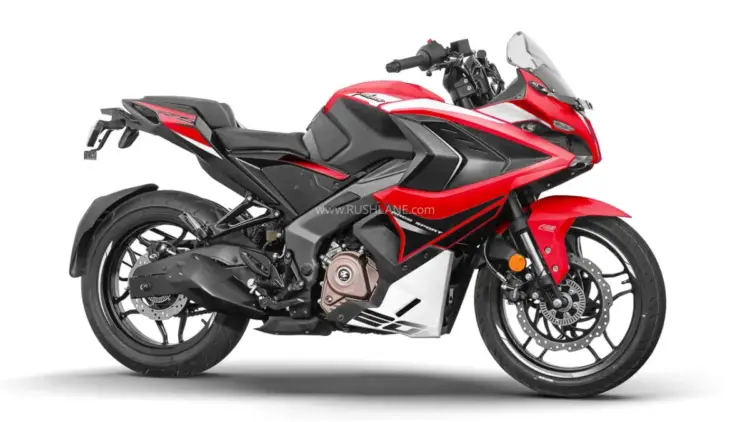
The Indian motorcycling landscape has long been dominated by the "Pulsar" moniker, a brand that democratized performance for the masses over two decades ago. In its latest move to maintain dominance in the entry-level premium segment, Bajaj Auto has officially pulled the wraps off the updated Pulsar RS200. Launched at an ex-showroom price of Rs 1,98,441 in Delhi, the new RS200 represents more than just a minor facelift; it is a significant technological leap that brings the fully faired machine in line with modern global standards.
The update introduces a comprehensive package of mechanical, electronic, and ergonomic enhancements. From a more potent engine and an electronic throttle to the inclusion of upside-down (USD) forks and a sophisticated TFT display with navigation mirroring, the RS200 has been repositioned to take on increasingly stiff competition from both domestic and international rivals.
Main Facts: The Evolution of the "Race Sport"
The Pulsar RS200 has always occupied a unique niche in the Bajaj portfolio. As the only fully faired offering in the Pulsar stable, it has catered to riders seeking "big bike" aesthetics combined with the reliability and serviceability of the Bajaj network. The 2024–2025 update focuses on four key pillars: powertrain refinement, electronic rider aids, chassis hardware, and cockpit connectivity.
1. Enhanced Powertrain and Performance
At the heart of the RS200 remains the 199.5cc, liquid-cooled, fuel-injected, Triple Spark DTS-i engine. However, through careful recalibration and the introduction of new hardware, Bajaj has managed to extract more performance. The peak power has seen a notable increase, rising from 24.5 PS to 25.5 PS. While the torque figures remain closely guarded in the initial release, the power delivery is expected to be significantly smoother thanks to the introduction of an Electronic Throttle Body (ETB).
2. The Electronic Revolution
Perhaps the most significant shift for the RS200 is its transition into the digital age of rider assistance. The introduction of ETB has paved the way for multiple ride modes, allowing the motorcycle to alter its personality based on road conditions or rider preference. Furthermore, the inclusion of a Traction Control System (TCS) marks a first for the RS series, providing a safety net that was previously reserved for much more expensive machinery.
3. Chassis and Suspension Upgrades
For years, enthusiasts have called for the RS200 to adopt the hardware seen on its naked sibling, the NS200. Bajaj has finally obliged. The traditional telescopic front forks have been replaced with 37 mm Upside-Down (USD) forks. This change is not merely cosmetic; USD forks offer better torsional rigidity and reduced unsprung weight, leading to more precise handling and improved feedback during aggressive cornering.
4. Advanced Cockpit and Connectivity
The cockpit has undergone a total transformation. Gone is the aging semi-digital/LCD setup, replaced by a vibrant 5-inch TFT instrument console. This unit is the nerve center of the bike, featuring Google Maps mirroring for seamless navigation—a feature increasingly demanded by the modern Indian commuter and touring enthusiast.
Chronology: The Road to the Update
The journey to the new RS200 has been one of calculated anticipation. For several years, the RS200 remained relatively stagnant while the rest of the Pulsar range—including the N-series and the refreshed NS-series—received significant attention.
The "Sleeper" Years (2020–2023): While Bajaj launched the N250 and updated the NS200 with USD forks and LED lighting, the RS200 saw only minor color updates and BS6 compliance adjustments. This led to speculation that the model might be phased out in favor of a larger displacement Pulsar.
The Spy Shot Surge (Mid-2024): Rumors of a massive update began to circulate when test mules were spotted near Bajaj’s Chakan plant. These early sightings confirmed the presence of USD forks and a new digital console, but the extent of the engine and electronic upgrades remained a mystery.
The Launch (November 2024): Bajaj officially announced the updated RS200, surprising the market with a price tag just under the Rs 2 lakh mark. The announcement confirmed that the updates were far more extensive than the spy shots suggested, particularly regarding the Electronic Throttle Body and the "Sports Shifter."
Supporting Data: A Technical Deep Dive
To understand the value proposition of the new RS200, one must look closely at the technical specifications and the hardware being offered at this price point.
The Impact of Ride-by-Wire
The Electronic Throttle Body (ETB), or Ride-by-Wire system, is the cornerstone of this update. By removing the physical cable between the twist-grip and the butterfly valve, Bajaj can now precisely control the air-fuel mixture via the ECU. This enables:
Ride Modes: While the specific names (e.g., Rain, Road, Sport) are yet to be detailed, these modes will likely adjust the sensitivity of the throttle and the intervention level of the Traction Control.
Precision: Better fuel efficiency and crisper throttle response across the rev range.
Safety: Integration with the new Traction Control system to prevent rear-wheel slip during hard acceleration on low-traction surfaces.
Hardware and Ergonomics
The motorcycle now sits on a 140/70-R17 radial rear tyre. The move to radial construction is crucial; radial tyres have more flexible sidewalls, which provide a larger contact patch during cornering and better heat dissipation during long-distance rides.
Furthermore, the addition of adjustable levers is a premium touch. It allows riders with different hand sizes to customize the reach of the brake and clutch levers, significantly improving comfort and control. The USB Type-C charging port and hazard switch further enhance the bike’s utility as a daily commuter and a weekend tourer.
Safety Suite
Beyond the Traction Control, the RS200 now features a Panic Brake Alert. This system automatically flashes the hazard lights during emergency braking situations, alerting following traffic and reducing the risk of rear-end collisions. This follows a growing trend in the industry to incorporate active safety features into the sub-400cc segment.
Official Responses: Strategy and Vision
Bajaj Auto has positioned this update as a response to the evolving needs of the "Pulsarmaniacs"—the loyal fan base that has supported the brand for decades.
Sarang Kanade, Chief Business Officer, Two-wheeler Business Unit at Bajaj Auto, emphasized the company’s commitment to innovation. In his statement regarding the launch, Kanade noted:
"The Pulsar RS200 has always been a symbol of ‘Race Sport’ for our customers. With this update, we are bringing in technologies that were previously the domain of high-capacity sportbikes. The goal was to provide greater control, adaptability, and connectivity without losing the raw character that makes a Pulsar a Pulsar. These upgrades ensure that the RS200 remains at the pinnacle of its segment."
Company insiders suggest that this update is part of a broader strategy to "premium-ize" the Pulsar brand. As Hero MotoCorp enters the segment with the Karizma XMR and Yamaha continues to dominate with the R15, Bajaj is leveraging its manufacturing scale to offer higher-spec hardware (like USD forks and TFT displays) at a price point that remains accessible to the Indian middle class.
Implications: Market Dynamics and the Future
The launch of the updated Pulsar RS200 at Rs 1.98 lakh has several far-reaching implications for the Indian motorcycle market.
1. Challenging the Status Quo
The RS200 now sits in a very competitive bracket. It directly challenges:
Yamaha R15 V4: While the R15 is known for its legendary handling and VVA technology, the RS200 now offers significantly more power (25.5 PS vs. 18.4 PS) and a comparable electronics suite for a similar price.
KTM RC 200: The RC 200 remains the track-focused tool, but the RS200 offers a more comfortable "sport-touring" ergonomic package with similar engine DNA at a lower price point.
Hero Karizma XMR: The Karizma offers modern styling and a 210cc engine, but the Pulsar’s new USD forks and established brand equity give it a strong defensive position.
2. The Shift Toward Electronics
This launch signals that basic fuel injection and ABS are no longer enough to compete in the 200cc+ segment. Features like Traction Control, Ride-by-Wire, and Navigation Mirroring are becoming the "new normal." We can expect other manufacturers to follow suit, potentially leading to a technology arms race in the entry-premium category.
3. Longevity of the Platform
By investing heavily in the RS200 platform, Bajaj has signaled that the 200cc Pulsar range is here to stay. Rather than moving entirely toward the new 250cc or 400cc platforms, Bajaj is refining its existing "hits" to ensure they remain relevant for another five to seven years.
4. Consumer Value
For the consumer, the new RS200 represents high value. For an incremental price increase over the previous model, the buyer receives a motorcycle that is faster, safer, and more technologically advanced. The inclusion of Google Maps mirroring, in particular, solves a major pain point for Indian riders who previously relied on third-party mobile mounts that were often unstable or prone to theft.
Conclusion
The new Bajaj Pulsar RS200 is a statement of intent. It proves that Bajaj is not content to let its older models fade away. By integrating the Electronic Throttle Body, USD forks, and a high-definition TFT display, Bajaj has transformed a decade-old design into a contemporary contender. As deliveries begin across the country, the RS200 is set to reignite the passion of the "Race Sport" enthusiast, offering a blend of performance and technology that is difficult to ignore at its current price point. The "Pulsar spree" continues, and the RS200 is now, once again, at the forefront of the pack.