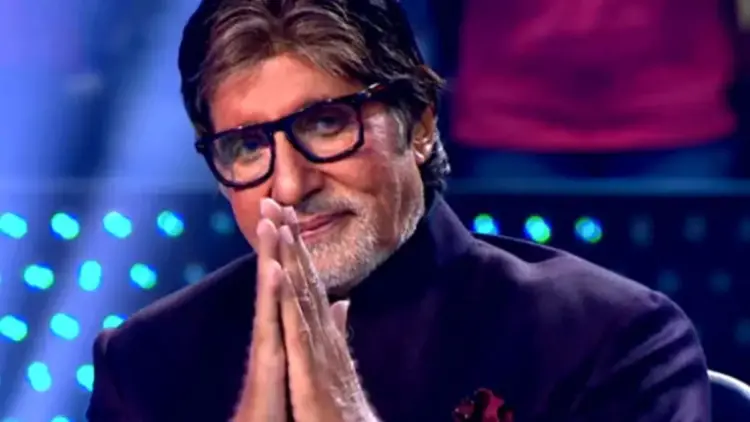
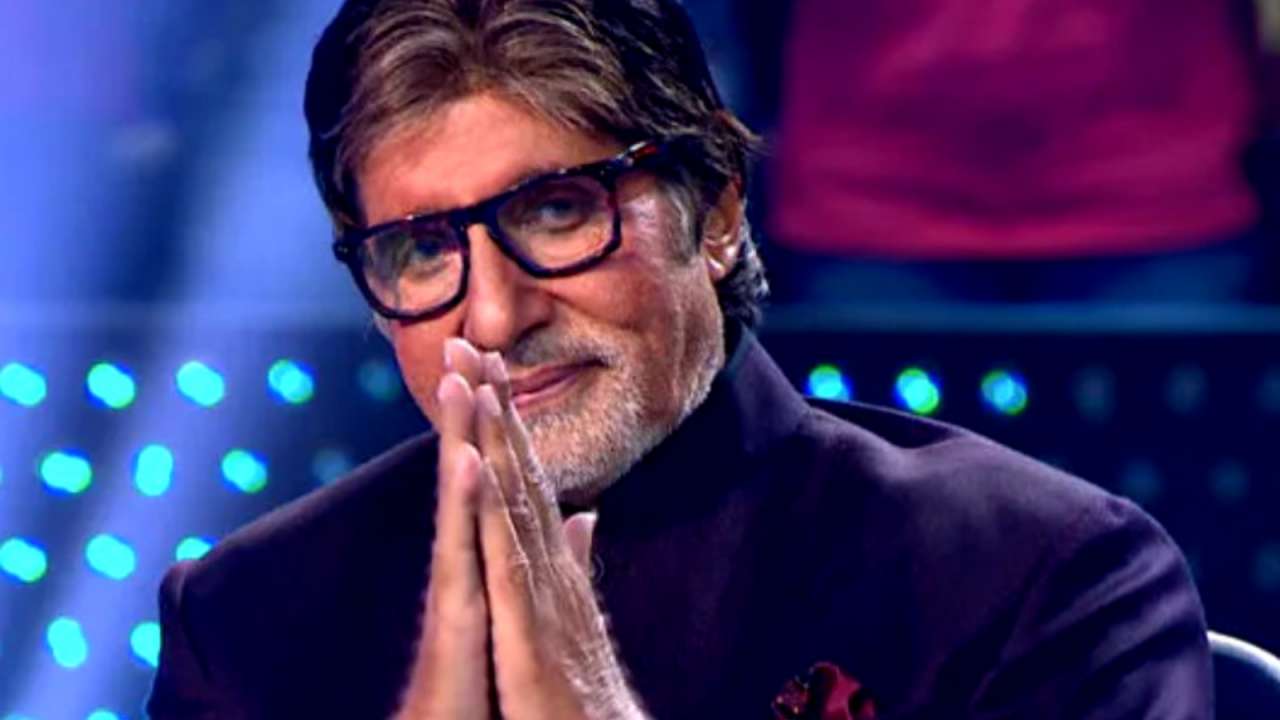
A fabricated question alleging bomb blasts in Punjab has sent shockwaves through the state, prompting a legal notice to Sony Entertainment Television and its iconic host, Amitabh Bachchan. The viral clip, which falsely implicated the state in a climate of fear and lawlessness, has been conclusively identified as a digital fabrication, originating from a 2022 episode of the popular quiz show "Kaun Banega Crorepati" (KBC). The incident highlights the growing threat of misinformation and its potential to incite public anger and political discord.
The Genesis of Controversy: A Fabricated Question
The controversy erupted when a video clip, purportedly from KBC, began circulating on social media platforms. The clip featured a question in Hindi that read: "Haal hi mein inmein se kis rajya mein apradhi thanon mein bomb blast karne se dar nahin rahe hain?" (Recently, in which state are criminals not afraid of carrying out bomb blasts in police stations?). This insidious question, designed to paint a picture of severe security breakdown in Punjab, quickly ignited outrage among residents and political factions. The implication was clear: that criminals in Punjab were operating with impunity, carrying out bomb blasts in police stations without fear of reprisal.
The question, if genuine, would have been a deeply damaging and irresponsible portrayal of the state. It tapped into existing anxieties and political narratives, making it a potent tool for misinformation. The speed and reach of its dissemination across social media platforms underscore the ease with which fabricated content can gain traction and influence public opinion.

Unraveling the Deception: A Digital Deconstruction
However, thorough investigation and digital forensics have revealed the clip to be a sophisticated doctored product. A reverse-image search and analysis of the video’s technical elements conclusively traced its origin to Episode 58 of KBC Season 14, which was broadcast during Diwali week in October 2022. Crucially, the original episode contained no such question related to bomb blasts in Punjab.

Key indicators of the doctored nature of the clip include:

- Discrepancies in Graphics and Font: The font used for the on-screen question in the viral video was demonstrably different from the official KBC graphics. This subtle yet significant alteration is a common tell-tale sign of digital manipulation.
- AI-Generated Voice Modulation: Audio analysis suggested that Amitabh Bachchan’s voice in the viral clip may have been artificially generated or significantly altered using Artificial Intelligence (AI). This advanced form of manipulation makes it increasingly difficult to distinguish between genuine and fabricated audio.
- Contextual Mismatch: The original episode focused on a completely different contestant and a different line of questioning. This stark contrast between the fabricated content and the actual broadcast content further solidifies the claim of digital alteration.
The original episode featured Dr. Samit Sen, the first contestant from the Andaman and Nicobar Islands to grace the KBC stage in 22 years. His crucial Rs 12.5 lakh question revolved around art and culture: "Which of these artists was born in Budapest to a Hungarian mother and an Indian father?" The correct answer was the renowned artist Amrita Sher-Gil, whose father, Umrao Singh Sher-Gil Majithia, was a prominent Punjabi Sikh aristocrat. Dr. Sen, unfortunately, incorrectly identified F.N. Souza as the artist. This benign and educational question stands in stark contrast to the sensational and damaging fabricated question.

A Timeline of Outrage and Accusation
The doctored clip’s journey from obscurity to widespread dissemination followed a rapid and concerning trajectory:

- Initial Dissemination: The fabricated video began circulating on various social media platforms, likely targeting specific regional audiences. Its inflammatory nature ensured rapid sharing and engagement.
- Political Amplification: On November 19, 2026, RP Singh, the National Spokesperson for the Bharatiya Janata Party (BJP), shared the doctored clip on his X (formerly Twitter) account. He captioned the post, implying that Punjab was indeed the answer to the alleged question, further lending credence to the fabricated narrative. The tweet included a link to the purported video, amplifying its reach significantly.
- Official Condemnation and Counter-Allegations: The ruling Aam Aadmi Party (AAP) in Punjab was quick to denounce the video as fake. Party spokesperson Baltej Singh Pannu accused the Shiromani Akali Dal (SAD) of deliberately circulating the doctored clip to defame Punjab and further its political agenda. This accusation introduced a political dimension to the controversy, with allegations of deliberate misinformation for electoral gain. The SAD, however, had not issued a response to these allegations at the time of reporting.
- Legal Action Initiated: Prompted by the widespread outrage and the potential damage to Punjab’s reputation, an advocate named Inderjit Arora, acting on behalf of his client Ranjit Singh from Sangrur, sent a legal notice to Sony TV and Amitabh Bachchan. The notice demanded the immediate removal of the objectionable content and an unconditional public apology to the people of Punjab. The client reportedly showed the advocate a screenshot and video of the doctored content, which motivated the legal recourse.
The Ripple Effect: Political Ramifications and Public Trust
The doctored KBC clip incident has significant implications beyond the immediate legal notice:

- Erosion of Public Trust: The ease with which a fabricated video could be created and disseminated, leading to widespread anger and outrage, highlights a critical vulnerability in the information ecosystem. It erodes public trust in media, public figures, and institutions when such deliberate falsehoods can gain traction.
- Weaponization of Information: This incident serves as a stark reminder of how misinformation can be weaponized for political purposes. By fabricating content that plays on existing societal anxieties and political divides, malicious actors can manipulate public opinion and sow discord.
- The Challenge of AI-Generated Content: The suspected use of AI in voice modulation presents a new frontier of challenges in combating misinformation. As AI technology becomes more sophisticated, distinguishing between genuine and fabricated audio and video will become increasingly difficult, requiring advanced detection tools and heightened media literacy.
- Responsibility of Broadcasters and Platforms: The incident places a spotlight on the responsibility of broadcasting networks and social media platforms in preventing the spread of misinformation. While the KBC clip was ultimately a fabrication, its origin from a seemingly reputable program raises questions about content verification and moderation processes.
Official Responses and the Path Forward
As of the latest reports, neither Sony TV nor Amitabh Bachchan have responded to the legal notice. The notice has requested a written response within 15 days. The absence of an immediate official statement leaves a void, allowing speculation and further fueling the narrative around the incident.

The legal notice demands two key actions:

- Removal of Objectionable Content: The immediate and permanent deletion of the doctored video clip from all platforms controlled by Sony TV.
- Unconditional Public Apology: A sincere and public apology to the state of Punjab and its citizens for the distress and defamation caused by the fabricated content.
The outcome of this legal notice will be closely watched, as it could set a precedent for how such incidents of misinformation originating from or amplified by media entities are handled.

While no formal case has been filed yet, the legal notice signifies a serious intent to hold the concerned parties accountable. The investigation into the original source of the doctored video remains ongoing, with the hope that identifying the perpetrators will serve as a deterrent against future acts of malicious digital manipulation.

The incident serves as a potent case study in the evolving landscape of misinformation, underscoring the urgent need for robust fact-checking mechanisms, enhanced digital literacy among the public, and greater accountability for those who disseminate or amplify false narratives. The promise of a swift resolution and a clear stance from Sony TV and Amitabh Bachchan will be crucial in restoring faith and mitigating the damage caused by this digital deception.