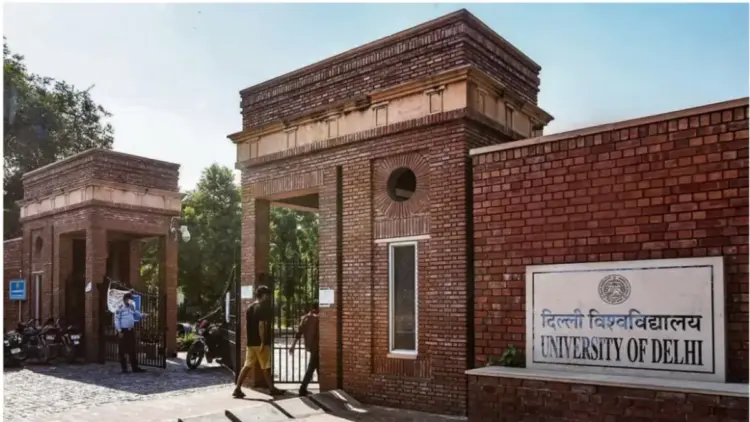
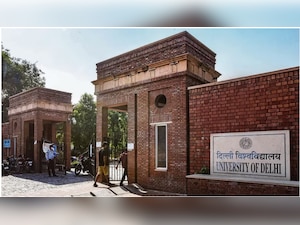
New Delhi – What began as a nascent proposal for a student union with a modest grant of Rs 150 in the weeks preceding India’s independence has, over nearly eight decades, blossomed into one of the nation’s most closely watched campus electoral phenomena. The Delhi University Students’ Union (DUSU) has not merely existed alongside student politics at Delhi University; it has actively shaped it, mirroring the institution’s own growth and the evolving aspirations of its diverse student body. From its humble beginnings facing significant financial hurdles to its current stature as a formidable platform for student representation, DUSU’s journey is a compelling narrative of institutional development, political engagement, and the enduring power of student voice.
The Genesis of Representation: Laying the Foundation for DUSU
The seeds of DUSU were sown on August 6, 1947, a pivotal moment in Indian history. In a communication to the Executive Council, the Vice-Chancellor of Delhi University acknowledged a request from a representative group of students to establish a formal student union. This proposal was met with enthusiastic endorsement in principle. The university administration recognized the burgeoning need for a structured body to channel student interests and facilitate communication between the student population and the university authorities.
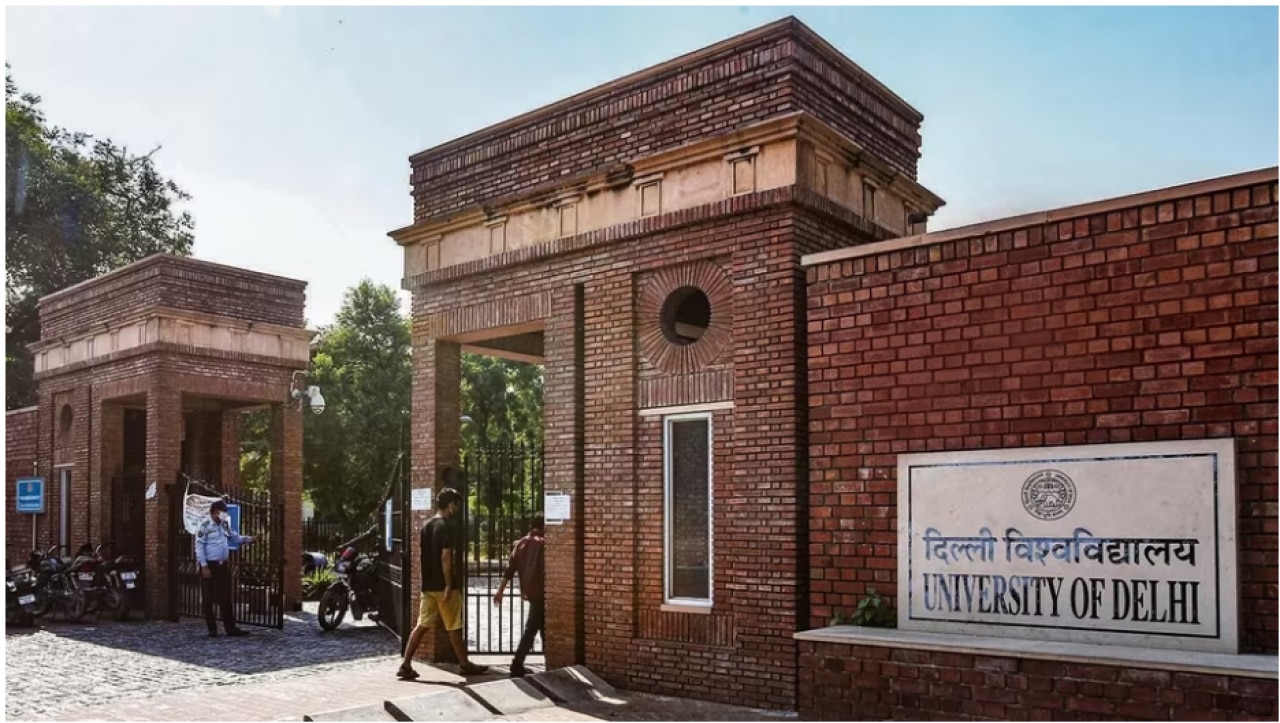
To bring this vision to fruition, the university planned the formation of a dedicated committee. This committee was tasked with the crucial responsibility of drafting the union’s constitution and outlining its operational procedures. Concurrently, a modest financial commitment was proposed: a grant of Rs 150 was earmarked for the initial expenses of the union once it was officially constituted. This initial financial allocation, though small by today’s standards, represented a significant gesture of support, signaling the university’s intent to foster a self-governing student body. What commenced as a bureaucratic proposal was thus set on a path to become a vibrant hub for students across Delhi University’s sprawling network of colleges and faculties.
Navigating Early Turbulent Waters: Financial Woes and Structural Realignments
The initial years of DUSU’s existence were far from smooth, particularly concerning its financial stability. The nascent union grappled with the realities of funding its operations and activities. Records from March 27, 1953, reveal a plea from the University Students’ Union for financial assistance. The university, while acknowledging that Rs 500 had already been disbursed to the union during that academic year, stressed the imperative for DUSU to strive towards financial self-sufficiency. This early emphasis on fiscal responsibility underscores the challenges faced by student organizations in their formative stages.
The financial deficit became even more pronounced by the following year. Minutes from March 14, 1954, painted a stark picture: the union had incurred expenses totaling Rs 1,995 against an income of only Rs 815. This substantial shortfall highlighted the need for a more robust financial framework and potentially a re-evaluation of funding models. Interestingly, these same records also noted a significant development: DUSU had officially adopted a constitution and, crucially, had conducted its first-ever elections. This marked a pivotal step towards democratizing student representation. To bridge the immediate financial gap and ensure continuity, a caretaker committee was proposed to manage the union’s affairs until the commencement of the next academic year. Furthermore, a grant of up to Rs 1,100 was suggested to cover pre-approved incurred expenses, contingent upon the scrutiny and approval of the submitted bills. These measures, while addressing immediate financial concerns, also laid the groundwork for more structured governance and financial accountability.
A New Constitutional Dawn: Formalizing Governance in 1973
The organizational architecture of DUSU underwent a significant review and restructuring nearly two decades after its initial establishment. On August 2, 1973, the Executive Council deliberated on the existing constitution, ultimately proposing its abrogation in favor of an interim constitution. This move signaled a desire to modernize the union’s governance, introduce enhanced financial controls, and clarify administrative roles.

The new constitutional framework brought about stricter financial oversight. Under its provisions, any expenditure exceeding Rs 100 required explicit approval from the union’s Executive Committee. This measure was designed to curb unchecked spending and promote prudent financial management. The constitution also formally defined key administrative positions. The Vice-Chancellor of Delhi University was designated as the patron of the union, a role that conferred a degree of oversight and guidance. Crucially, a staff advisor and a treasurer were to be appointed from the university’s esteemed teaching faculty and by the patron, respectively. These appointments aimed to provide institutional support and expertise to the student-led body.
The 1973 constitution also solidified the elected leadership structure, stipulating four key office-bearer positions: President, Vice-President, Secretary, and Assistant Secretary. These roles were to be filled through direct elections by the DUSU members, ensuring that the union’s leadership was directly accountable to the student electorate. This constitutional overhaul marked a significant evolution, transforming DUSU from a loosely organized body into a more formalized and democratically structured entity.

The Pillars of Power: Understanding Key DUSU Posts
At the heart of DUSU’s electoral process lie four central positions, each carrying distinct responsibilities and influence:
- President: As the primary spokesperson and chief representative of the union, the President embodies DUSU’s voice on campus and beyond. They lead executive functions, chair meetings, and are the face of student concerns to university administration and external stakeholders.
- Vice-President: This role serves as a crucial support to the President. The Vice-President is tasked with assuming the President’s duties in their absence and often plays a significant role in specific policy initiatives or committees.
- Secretary: The custodian of the union’s administrative machinery, the Secretary is responsible for managing records, organizing meetings, and ensuring the smooth functioning of DUSU’s day-to-day operations.
- Joint Secretary: In the current structure, the Joint Secretary plays a vital role in communication, event management, and addressing student grievances. They often act as a bridge between the student body and the executive, facilitating outreach and support.
Beyond these elected roles, the current DUSU constitution continues to recognize the Vice-Chancellor as the patron. The union’s objectives are clearly delineated, emphasizing its core mandate: to effectively represent students’ interests and concerns before university authorities and to actively promote student welfare in all its facets.

The Price of Representation: Evolving Membership Fees
The financial accessibility of DUSU membership has been a consistent feature, though it has seen gradual adjustments over the decades. For a considerable period, students paid a nominal subscription fee of Rs 5. This low fee ensured that the barrier to entry for student participation remained minimal.
However, reflecting the increasing costs of running a student union and the evolving economic landscape, the membership fee was revised. In the academic year 2013-14, the fee was increased to Rs 20. Most recently, on June 21, 2024, university officials confirmed a further revision, raising the subscription fee to Rs 40. While this represents a significant percentage increase from its historical low, it remains a relatively affordable amount, ensuring continued broad-based student participation in DUSU’s activities and elections.

From Campus Curiosity to National Spectacle: The Rise of DUSU Elections
Over the decades, DUSU elections have transcended their initial role as internal university affairs to become a major fixture in Delhi University’s political and campus calendar. These elections are characterized by the active participation of student groups with deep-rooted connections to national political organizations. Prominent among these are the Akhil Bharatiya Vidyarthi Parishad (ABVP) and the National Students’ Union of India (NSUI), often seen as the student wings of the BJP and the Congress parties, respectively. Alongside them, Left-backed student groups, such as the All India Students’ Federation (AISF) and the Students’ Federation of India (SFI), and a host of independent candidates, contribute to a vibrant and often fiercely contested electoral landscape.
The 2026 DUSU elections, as highlighted, exemplified this trend. The contest for the four central posts saw intense campaigning and significant mobilization from major student political alliances, including the ABVP, NSUI, and a notable alliance between AISA (All India Students’ Association) and SFI. Voting took place on September 18, with the counting process commencing on September 19 at the Multipurpose Hall of the University Sports Stadium in North Campus. The election witnessed a voter turnout of 40.46%, a figure that, while modest, underscores the engagement of a significant portion of the student electorate in shaping their union’s leadership. The sheer scale and national attention garnered by these elections underscore DUSU’s transformation into a significant political battleground, often serving as a barometer for broader political currents in the country.

The Issues That Resonate: Defining the 2026 DUSU Electoral Discourse
The campaigns leading up to the 2026 DUSU elections were dominated by a spectrum of issues crucial to the student experience. Foremost among these were concerns surrounding student safety and the availability of affordable accommodation. The pressing need for secure and economically viable living spaces for students, particularly those migrating from different parts of the country, was a recurring theme.
The tragic collapse of a five-storey building in South Delhi’s Satya Niketan, which housed a boys’ paying guest (PG) accommodation and resulted in the deaths of seven individuals, including students, cast a grim shadow over the election discourse. This devastating incident brought the critical issues of student accommodation safety and regulation into sharp focus, prompting candidates and student groups to pledge action and advocate for stricter oversight of off-campus housing.

Beyond accommodation and safety, other key issues that resonated with the student electorate included:
- Transport Facilities: The need for improved and accessible public transportation options for students commuting to various campuses.
- Campus Infrastructure: Demands for better academic facilities, including libraries, laboratories, and digital learning resources.
- Campus Security: Calls for enhanced security measures within university premises to ensure a safe and conducive learning environment.
- Academic Reforms: Discussions around curriculum relevance, examination patterns, and the overall quality of education.
- Student Welfare Programs: The importance of robust support systems, including mental health services, career counseling, and financial aid.
These issues, deeply intertwined with the daily lives of students, formed the bedrock of the manifestos and campaign promises of the contesting student organizations, reflecting a mature and issue-oriented approach to student politics.

The Contenders: Who Vied for Power in the 2026 DUSU Elections?
The 2026 DUSU elections featured a dynamic field of candidates representing the major student political forces:
- Akhil Bharatiya Vidyarthi Parishad (ABVP): The ABVP fielded Yash Dabas for the post of President, Ishu Maurya for Vice-President, Riya Chhawadi for Secretary, and Lakshya Raj Singh for Joint Secretary.
- National Students’ Union of India (NSUI): The NSUI nominated Vijay Shankar Meena for President, Vir Chatrath for Vice-President, Namrata Chaudhary for Secretary, and Gopal Choudhary for Joint Secretary.
- AISA-SFI Alliance: This formidable alliance presented Ananya Raturi as their candidate for President, Akshat Shikhar for Vice-President, Stanzin Deskyong for Secretary, and B Parijaat for Joint Secretary.
As the counting of votes progressed on September 19, the electoral landscape remained intensely competitive. The changing leads across the four key contests were a testament to the closely watched nature of the election, with each alliance vying for a decisive victory. The outcome of these elections would not only determine the leadership of DUSU for the upcoming term but also provide insights into the prevailing student political sentiment within Delhi University.

From a Modest Proposal to a National Dialogue: The Enduring Legacy of DUSU
The trajectory of the Delhi University Students’ Union is a powerful testament to the evolving nature of student representation and engagement in India. What began as a nascent idea, nurtured by a modest grant of Rs 150 in 1947, has metamorphosed into a structured, democratically elected body with a robust constitution and a significant presence across the university.
Today, DUSU elections command national attention, serving as a crucial platform where student organizations articulate their visions and advocate for critical issues. The debates and discussions surrounding these elections extend far beyond the confines of the university campus, influencing broader conversations on education policy, student rights, safety, and socio-economic concerns. DUSU’s journey from a simple proposal to a nationally watched electoral event underscores its enduring significance as a voice for millions of students and a vital component of India’s democratic fabric. The union’s continued evolution promises to shape the future of student leadership and activism for generations to come.