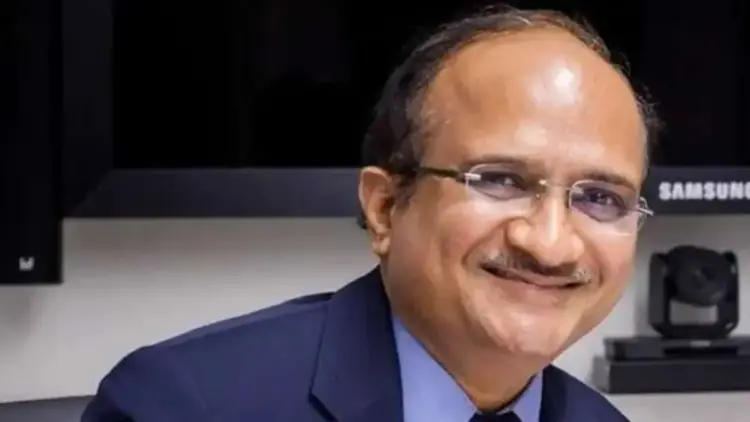
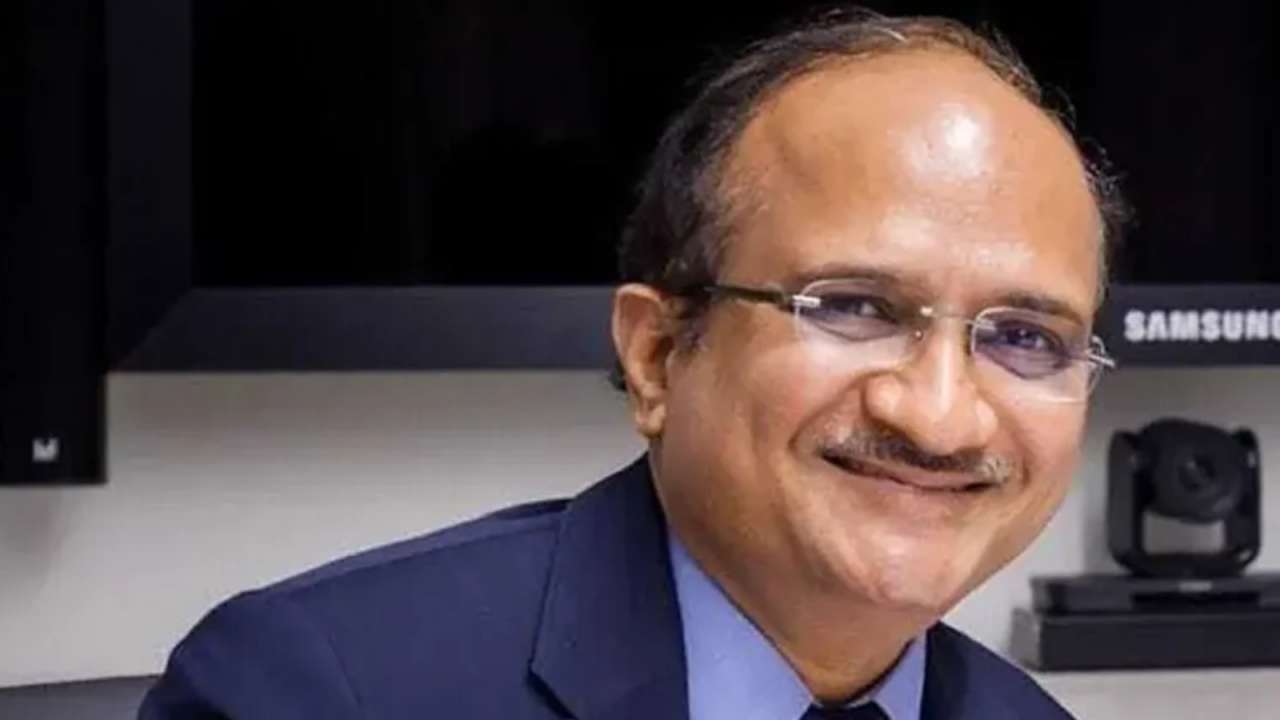
New Delhi, India – [Insert Date of Publication] – In the wake of recent controversies that have cast a shadow over the prestigious Indian Institutes of Technology (IITs), a prominent voice from within the academic fraternity has proposed a radical overhaul of the undergraduate B.Tech program. V. Ramgopal Rao, the former Director of IIT Delhi and the current Group Vice-Chancellor of BITS Pilani Campuses, has advocated for the consideration of five-year B.Tech programs across IITs. His suggestion, made in response to the public scrutiny faced by an IIT Bombay professor, stems from a deep concern about the growing heterogeneity in student cohorts and the limitations of the current "one-size-fits-all" educational model.
Rao, a seasoned academic with over 25 years of experience at IIT Bombay and IIT Delhi, including his tenure as Director of IIT Delhi from 2016 to 2021, believes that the current four-year B.Tech structure is increasingly inadequate to cater to the diverse learning needs and backgrounds of students admitted to these premier institutions. His proposal is not merely an academic exercise but a considered response to observed challenges in teaching and learning within the IIT system, exacerbated by the intense competitive landscape of entrance examinations.
The Catalyst: A Professor Under Fire
The immediate trigger for Rao’s public statement was the controversy surrounding Professor Suryanarayana Doola of IIT Bombay. While details of the specific controversy remain sensitive and subject to ongoing examination, Rao expressed his distress at the public vilification of Professor Doola. Having known him personally, Rao described Doola as "one of the finest faculty members I have known in the IIT system, and a gentleman of the highest integrity." He emphasized the need for fair examination of any concerns raised and cautioned against public campaigns that can unjustly harm individuals.
"I am disturbed to see Prof. Suryanarayana Doola being vilified over the recent controversy at IIT Bombay," Rao stated. "Whatever concerns have been raised should be examined fairly. A public campaign against an individual serves no one." This sentiment underscores Rao’s belief that while accountability is important, due process and a fair hearing are paramount, especially for experienced educators.
The Core of the Issue: Heterogeneity in Classrooms
Rao’s central argument revolves around the stark reality of the modern IIT classroom: an unprecedented level of student heterogeneity. He points to the aftermath of the Joint Entrance Examination (JEE) Advanced, which serves as the gateway to IITs. Students who secure admission often represent a vast spectrum of performance, with JEE Advanced ranks ranging from single digits to five digits.
"Students now come from an intensive coaching ecosystem, with JEE Advanced ranks in the same classroom ranging from single digits to five digits," Rao explained. He elaborated on this by citing the example of Computer Science and Engineering (CSE) at IIT Delhi, where students with such disparate ranks find themselves in the same lecture halls. This wide variance in academic preparedness, he argues, creates "highly heterogeneous classrooms across the IIT system."
Furthermore, Rao highlighted that language proficiency can also add another layer of complexity to this already diverse learning environment. The pressure to keep pace with a curriculum designed for an assumed level of understanding can leave many students struggling.
The "One-Size-Fits-All" Dilemma
The crux of Rao’s critique lies in the inadequacy of the current "one-size-fits-all" approach to teaching and learning in IITs. He posed a fundamental question: "The question to ask therefore is, with such heterogeneity, can we expect every student to learn at the same pace?"
Rao stressed that there is "nothing wrong with opening the doors of our best institutions to students from different backgrounds." The issue, he contends, is whether the existing pedagogical methods within the IIT system have adequately adapted to accommodate this diversity.
"A faculty member cannot pitch every class at several levels at once," Rao articulated. "Move too slowly, and some students lose interest. Move too quickly, and others are left behind." This delicate balancing act, he suggested, is becoming increasingly untenable, leading to potential disengagement and academic struggle for a significant portion of the student body.
The Coaching Conundrum and Independent Learning
Rao also shed light on a phenomenon he has observed firsthand: the disconnect between the coaching-centric preparation for entrance exams and the demands of independent learning at the university level. He recalled instances where students with top JEE Advanced ranks, who excelled at solving familiar problem types quickly, struggled when presented with novel challenges or questions outside their practiced repertoire.
"Coaching had prepared them to solve familiar types of questions quickly. Many are lost when they see a question which they haven’t solved before," Rao observed. This suggests that while coaching instills problem-solving skills for specific exam formats, it may not adequately cultivate the deeper conceptual understanding and adaptive thinking required for advanced academic pursuits.
Crucially, Rao emphasized that this challenge is not confined to any specific admission category. "This is not a difficulty confined to any admission category," he clarified. "The move from coaching to independent learning can be hard for anyone." This insight is vital, as it reframes the issue not as a problem with certain student demographics, but as a systemic challenge in the transition from a highly structured preparatory phase to a more self-directed academic environment.
The Proposed Solution: A Five-Year B.Tech Model
To address these multifaceted challenges, V. Ramgopal Rao has proposed a shift towards five-year B.Tech programs at IITs. This proposal is not about diluting academic rigor but about creating a more flexible and supportive learning structure.
Under the proposed model, students would still be able to complete their B.Tech degrees in a shorter timeframe if they meet the credit requirements. "Students who fulfil credit requirements could graduate in four years, or possibly three-and-a-half years," Rao suggested. This ensures that high-achieving students are not penalized by a longer program duration.
However, for students who require additional time and support, the five-year structure would offer a crucial buffer. "Others could extend their coursework to five years and get more academic help, including recorded lectures, online material and language support where needed," he explained. This provision aims to bridge the gap in understanding and provide tailored assistance to students who might otherwise fall behind.
A significant psychological benefit of this approach, Rao believes, lies in its inherent inclusivity. "The pace would be decided by performance within the IIT, not by a student’s admission category or entrance rank," he stated. This would remove the stigma often associated with students needing extra time.
"Designating it as a five-year programme for everyone would have a psychological benefit as well," Rao elaborated. "Students who need more time would simply be following the programme as designed, while those who are ready could complete it sooner. No one would be singled out for taking a fifth year." This normalization of extended learning periods could foster a more supportive and less pressure-cooker environment.
Maintaining Standards, Fostering Support
Rao’s proposal is firmly rooted in a commitment to maintaining and even enhancing academic standards. He stressed that the core objective remains to equip students with the knowledge and skills expected of an IIT graduate. However, he reiterates the need to acknowledge and act upon the reality that students do not all begin at the same academic starting line or progress at an identical pace.
"Giving them the time and support to meet those standards is a responsibility of the system," Rao asserted. This statement encapsulates a call for the IIT system to evolve and adapt its pedagogical and structural frameworks to better serve its diverse student population, ensuring that the pursuit of excellence is inclusive and supportive.
The implications of Rao’s proposal are far-reaching. It calls for a fundamental re-evaluation of how IITs approach undergraduate education, moving beyond the traditional four-year model to one that is more responsive to the evolving academic landscape and the diverse needs of its students. As the IITs continue to grapple with challenges related to student well-being and academic success, Rao’s suggestion offers a compelling direction for future reforms. The conversation is now open, urging stakeholders to consider whether a more flexible, five-year framework could be the key to unlocking the full potential of every student entering these hallowed halls of learning.