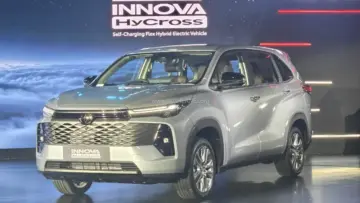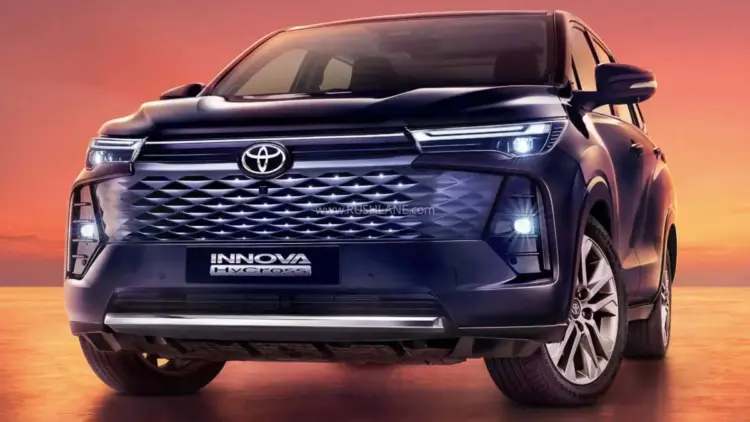
The Toyota Innova brand has long been the cornerstone of the Indian Multi-Purpose Vehicle (MPV) segment, evolving from a rugged workhorse into a sophisticated, tech-laden premium cruiser. With the recent unveiling of the Toyota Innova Hycross Facelift, the Japanese automaker has once again raised the bar, integrating advanced fifth-generation hybrid technology with a pioneering flex-fuel powertrain capable of running on ethanol blends up to E85.
Following the official launch, the release of the detailed product brochure has provided a granular look at the specifications, equipment levels, and the distinct personas of each variant. From a speed-restricted entry-level hybrid to a luxury-focused flagship, the new Hycross lineup is designed to capture a wide spectrum of buyers, ranging from fleet operators to high-net-worth individuals.

1. Main Facts: The New Hierarchy of the Hycross
The Toyota Innova Hycross Facelift represents a significant technological leap, primarily driven by India’s push toward sustainable mobility. The most striking update is the introduction of the flex-fuel strong-hybrid system across the core lineup, comprising the G-SLF, GX, VX, and ZX grades.
Pricing and Availability
Toyota has structured the pricing to maintain its competitive edge while reflecting the increased costs of hybrid and flex-fuel components. The hybrid range starts at an aggressive Rs 19.99 lakh for the entry-level G-SLF and scales up to Rs 31.99 lakh for the top-tier ZX (ex-showroom). Meanwhile, the traditional petrol-only model continues in the GX trim, priced between Rs 19.59 lakh and Rs 19.64 lakh. Bookings for the hybrid variants are scheduled to commence on November 26, 2026, signaling a phased rollout of the new technology.

The "G-SLF" Distinction
Perhaps the most discussed detail in the new brochure is the "SLF" designation for the base hybrid variant. Standing for "Speed Limiting Function," the G-SLF is electronically capped at a top speed of 80 km/h. This strategic move clearly bifurcates the lineup, positioning the G-SLF as a dedicated solution for commercial fleet operators and taxi services, where regulatory speed governors are often mandated, while reserving higher performance for private buyers in the GX, VX, and ZX trims.
2. Chronology: The Evolution of an Icon
To understand the significance of the Hycross Facelift, one must look at the trajectory of the Innova nameplate in the Indian market:

- 2005 – The Genesis: Toyota launches the original Innova, replacing the Qualis. It becomes an instant hit for its reliability and "bulletproof" diesel engine.
- 2016 – The Crysta Era: The Innova Crysta is introduced, moving the brand upmarket with more power, luxury features, and a more aggressive design.
- 2022 – The Hycross Revolution: Toyota shifts from a ladder-frame chassis to a monocoque (TNGA-C) platform, introducing front-wheel drive and the first strong-hybrid powertrain in the segment.
- 2024/2025 – The Flex-Fuel Transition: Recognizing the Indian government’s ethanol blending roadmap, Toyota showcases the flex-fuel prototype.
- 2026 – The Facelift Launch: The current iteration arrives, standardizing six airbags, upgrading infotainment systems, and making the flex-fuel hybrid system the mainstay of the range.
3. Supporting Data: Technical Specifications and Variant-Wise Equipment
The Hycross Facelift is a masterclass in modular packaging. While the exterior dimensions remain consistent across the board—4,755 mm in length, 1,845 mm in width, and 1,790 mm in height—the internal technology varies significantly.
Powertrain Performance
The heart of the Hycross is the 1,987cc, four-cylinder engine.

- Petrol GX: Produces 127 kW (approx. 170 bhp) and 206 Nm of torque, paired with a Direct Shift CVT.
- Strong Hybrid (G-SLF, GX, VX, ZX): The fifth-generation system delivers a combined maximum output of 147 kW (approx. 197 bhp). While the engine provides 188 Nm, the electric motor adds an immediate 206 Nm of torque. This system utilizes an e-Drive transmission and a 56-cell lithium-ion battery pack.
- Environmental Compatibility: The hybrid system is now optimized for E20 to E85 ethanol-petrol blends, significantly reducing the carbon footprint compared to traditional internal combustion engines.
Variant Breakdown: From Utility to Luxury
G-SLF Hybrid (The Fleet Specialist)
- Price: Rs 19.99 Lakh.
- Key Features: 17-inch alloys, projector LED lamps, 8-inch touchscreen, and a 17.8 cm information display.
- Limitations: 80 km/h speed limit, no reverse camera, no smart entry, and manual AC. It serves as a high-efficiency, high-durability tool for the commercial sector.
GX Hybrid (The Practical Choice)
- Price: Rs 23.99 Lakh – Rs 24.04 Lakh.
- Upgrades: Removes the speed limiter, adds smart entry, a reverse parking camera, and Toyota’s telematics suite with SOS e-call. It retains the 8-inch screen and manual climate control, making it the "sweet spot" for budget-conscious private families.
VX Hybrid (The Premium Experience)
- Price: Rs 28.79 Lakh – Rs 28.84 Lakh.
- Tech Overhaul: Features a massive 31.2 cm (12.3-inch) infotainment screen and a matching digital instrument cluster. It introduces wireless Android Auto/Apple CarPlay and a 6-speaker audio system.
- Comfort: Includes a panoramic sunroof, automatic dual-zone climate control, rear sunshades, and a 360-degree panoramic view monitor. The interior is elevated with a soft-touch dashboard and chestnut-black fabric.
ZX Hybrid (The Flagship)
- Price: Rs 31.99 Lakh.
- Exclusivity: Available only as a 7-seater with powered "Ottoman" second-row captain seats.
- Safety: The only variant equipped with Toyota Safety Sense (ADAS), featuring dynamic radar cruise control, lane trace assist, and pre-collision warnings.
- Luxury: 9-speaker JBL system, ventilated front seats, 8-way power-adjustable driver’s seat with memory, and 18-inch wheels with a specific cladding design.
4. Official Context: Toyota’s Strategic Vision
While official statements from Toyota Kirloskar Motor (TKM) emphasize "customer-centricity," the brochure reveals a deeper alignment with national policy. The inclusion of flex-fuel technology is a direct response to India’s National Policy on Biofuels. By engineering the Hycross to handle E85, Toyota is future-proofing the vehicle against upcoming changes in fuel availability, while also helping the country reduce its oil import bill.
Furthermore, the decision to standardize six airbags across all variants, including the base G-SLF, reflects Toyota’s commitment to the "Safety First" philosophy. This move anticipates stricter Bharat NCAP norms and addresses the growing consumer demand for safety, even in the entry-level segments.

5. Implications: Impact on the Market and Consumers
The release of the Hycross Facelift has several far-reaching implications for the Indian automotive landscape:
Redefining the Fleet Market
By introducing the G-SLF with a factory-fitted speed limiter, Toyota is simplifying the compliance process for fleet owners. This ensures that the vehicle remains within legal limits for commercial transport while providing the fuel-saving benefits of a strong hybrid—a combination that could drastically lower the Total Cost of Ownership (TCO) for taxi operators.

Pressure on Competitors
The Hycross Facelift puts significant pressure on rivals like the Maruti Suzuki Invicto (its rebadged sibling) and the Kia Carnival. With its flex-fuel capability, Toyota now holds a unique selling proposition (USP) that no other MPV in India currently offers. The brand’s ability to offer a "green" alternative that doesn’t suffer from the range anxiety of pure EVs is a potent marketing tool.
Consumer Transition to Ethanol
As E20 fuel becomes more common at petrol pumps across India, Hycross owners will be among the first to benefit from potentially lower fuel costs and lower emissions without needing to modify their vehicles. This positions Toyota as a leader in the transition phase between fossil fuels and full electrification.

The Luxury Shift
The significant jump in equipment for the VX and ZX variants—specifically the massive 31.2 cm screens and the Ottoman seating—moves the Innova closer to the luxury territory once occupied solely by the Toyota Vellfire or Mercedes-Benz V-Class. It caters to a growing demographic of "chauffeured achievers" who desire business-class comfort in a reliable, locally-serviced package.
Conclusion
The Toyota Innova Hycross Facelift is more than just a mid-cycle refresh; it is a calculated recalibration of what a modern MPV should be. By balancing the needs of the commercial sector with the G-SLF and the desires of the luxury buyer with the ZX, Toyota has created a comprehensive ecosystem under a single nameplate. With flex-fuel integration, enhanced safety, and cutting-edge infotainment, the Hycross is well-positioned to maintain its dominance in the Indian market for years to come, serving as a bridge to a more sustainable automotive future.