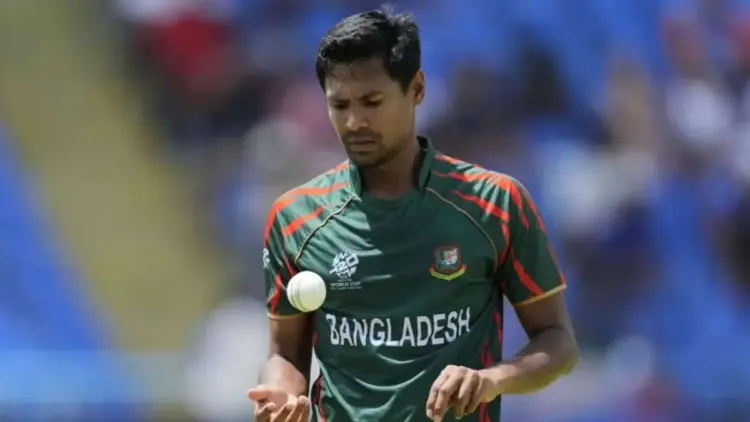
DHAKA, BANGLADESH – November 26, 2026 – In a move that sends ripples through the cricketing world, Bangladesh’s star left-arm pacer, Mustafizur Rahman, widely known as "Fizz" or "The Cutter Master," has reportedly decided to abstain from the upcoming Indian Premier League (IPL) mini-auction. Scheduled for December 16 in Goa, the auction will proceed without one of its most enigmatic and historically significant talents. Sources close to the cricketer indicate that his decision is not driven by a lack of demand, but rather a profound desire to avoid a repeat of the "humiliation and backlash" he endured following last year’s controversial IPL 2026 auction involving the Kolkata Knight Riders (KKR). This retreat from the IPL spotlight signals a poignant moment in the career of a player who once commanded immense attention and substantial bids, now prioritizing mental well-being over the lucrative prospects of the world’s premier T20 league.
Instead of the IPL, Rahman is expected to shift his focus to other prominent franchise leagues, with a likely return to the Pakistan Super League (PSL) with Lahore Qalandars next season. He is currently honing his skills with Dubai Capitals in the ILT20 and is also set to make his Big Bash League (BBL) debut for the Melbourne Renegades. While Mustafizur steps back, twelve other Bangladeshi players, including prominent names like Taskin Ahmed, Shoriful Islam, and Towhid Hridoy, have registered for the mini-auction, reflecting the continued aspiration of their compatriots to participate in the IPL.
Mustafizur’s choice is a stark reminder of the immense pressures, both on and off the field, that elite athletes navigate in the high-stakes environment of international franchise cricket, particularly when geopolitics intersect with professional sport. His absence leaves a void, but also highlights a critical conversation about player welfare, fan expectations, and the long shadow cast by past controversies.
Main Facts: A Painful Withdrawal
The core of Mustafizur Rahman’s decision to skip the IPL 2027 mini-auction stems from a deep-seated fear of experiencing renewed public criticism and personal anguish. This sentiment is rooted in the events surrounding the IPL 2026 auction, where a significant contract quickly unraveled amid broader diplomatic tensions, leading to his unprecedented release from the Kolkata Knight Riders (KKR) roster.
Sources close to the left-arm pacer reveal that the wounds from that episode are still fresh. The prospect of registering for the auction, only to potentially go unsold, looms large as a source of anticipated public humiliation. In Bangladesh, where cricket is a national obsession, the scrutiny faced by players is intense. Mustafizur reportedly fears that if he were to register and not be picked, or even if he were picked but perceived to be underperforming or prioritizing personal gain, he would be subjected to a torrent of online trolling and accusations of "avarice" from a passionate, yet sometimes unforgiving, fan base.
This pre-emptive withdrawal is a testament to the psychological toll that professional sports can exact. For a player who, just a few years ago, was heralded as one of the most exciting and sought-after fast bowlers in the global T20 circuit, this decision represents a quiet, yet profound, act of self-preservation. It underscores a desire to shield himself from the emotional rollercoaster of the IPL auction process and the subsequent public commentary, opting instead for a path that promises more stability and less external pressure.
Chronology: The Arc of a "Fizz"ing Career and the Fateful 2026 Auction
To fully grasp the weight of Mustafizur’s current decision, it is essential to trace his journey through the IPL and understand the specifics of the controversy that led to his disillusionment.
The Rise of "The Fizz": IPL Debut and Early Stardom (2016-2017)
Mustafizur Rahman burst onto the international scene in 2015, immediately captivating audiences with his deceptive off-cutters and slower deliveries. His unique skill set earned him the moniker "The Fizz." His IPL debut came in 2016 with Sunrisers Hyderabad (SRH). He was an instant sensation, playing a pivotal role in SRH’s maiden IPL title victory. In that season, he claimed 17 wickets from 16 matches at an impressive economy rate of 6.90, earning him the "Emerging Player of the Season" award – a rare feat for an overseas player. His ability to consistently deliver under pressure and outsmart batsmen with his variations made him one of the league’s most exciting prospects.
Following his stellar debut, he continued with SRH in 2017, albeit with fewer appearances due to injuries. His value as a specialist T20 bowler remained high, leading to significant interest in subsequent auctions.
A Nomad’s Journey: Fluctuating Fortunes Across Franchises (2018-2025)
Over the years, Mustafizur became something of an IPL nomad, plying his trade for several franchises. He joined the Mumbai Indians (MI) in 2018, followed by stints with the Rajasthan Royals (RR), Delhi Capitals (DC), and Chennai Super Kings (CSK) in various seasons leading up to 2025. Across these teams, his performance was a mixed bag. While he showcased glimpses of his brilliance, delivering match-winning spells, he also battled inconsistent form and recurring injury concerns that often limited his availability and impact.
Despite these challenges, his career IPL statistics remained respectable: in 60 matches, he has claimed 65 wickets at an average of 29.58 and an economy rate of 7.93. He remained a valuable asset, particularly for his ability to bowl in the death overs, but the consistent, unplayable "Fizz" of 2016 became more intermittent.
The IPL 2026 Auction: A High Bid, a Swift Release, and Geopolitical Fallout
The IPL 2026 auction proved to be the pivotal and ultimately scarring event for Mustafizur. Despite his fluctuating form, his unique left-arm pace and variations still held significant appeal. A fierce bidding war reportedly erupted between Chennai Super Kings (CSK) and Delhi Capitals (DC) for his services. Ultimately, it was the Kolkata Knight Riders (KKR) who secured him with a substantial bid of Rs 9.2 crore (approximately USD 1.1 million). This was a significant sum, reflecting the franchise’s belief in his potential to bolster their bowling attack. Mustafizur was, notably, the only Bangladeshi player to secure a contract in that auction.
However, the jubilation was short-lived. In an unprecedented turn of events, KKR was compelled to release Mustafizur from his contract shortly after the auction. The official reason cited was "BCCI directives," which were understood to be a direct consequence of escalating diplomatic tensions between India and Bangladesh. These tensions, which had been simmering over various socio-political issues, reached a flashpoint, culminating in a major cricketing fallout: Bangladesh’s decision to withdraw from the T20 World Cup, which was scheduled to be held in India that year. Scotland subsequently took Bangladesh’s place in the tournament.
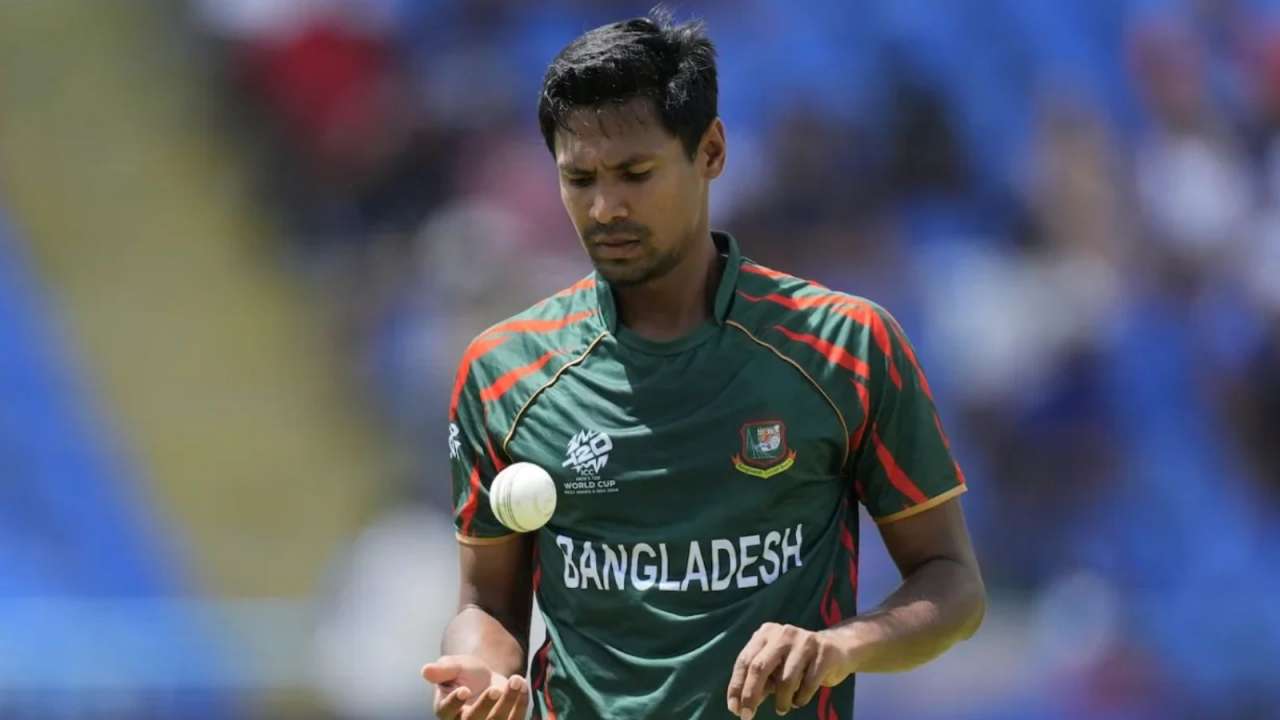
The specifics of the "BCCI directives" were not fully publicised, but it was widely interpreted that the Indian cricket board, under governmental pressure or as a diplomatic measure, advised or instructed franchises against including Bangladeshi players. For Mustafizur, this was a devastating blow. To be bought for such a high price, only to be released not due to performance or injury, but due to geopolitical circumstances entirely beyond his control, was a profound professional and personal humiliation. The financial loss was significant, but the emotional impact of being caught in the crossfire of international relations was arguably far greater.
Supporting Data: Statistical Trajectory, Public Scrutiny, and Expert Insights
Mustafizur Rahman’s journey is a microcosm of a modern cricketer’s career – a blend of statistical triumphs, periods of struggle, and intense public and media scrutiny.
Statistical Overview: A Career of Peaks and Troughs
His overall IPL record of 65 wickets in 60 matches, while decent, doesn’t fully capture the impact of his early years. In his debut 2016 season, his economy rate of 6.90 was elite. In subsequent seasons, with different teams and often managing injuries, his economy rate climbed, hovering closer to 8 runs per over. This suggests that while his wicket-taking ability remained, his consistency in restricting runs, particularly against aggressive IPL batting lineups, sometimes waned.
Comparing him to other prominent left-arm pacers in the IPL, such as Trent Boult or Mitchell Starc (who have played fewer seasons but often have more explosive impact), Mustafizur’s value proposition shifted. While his unique variations were unmatched initially, batsmen eventually adapted, and his pace, while effective, wasn’t express. His international career also mirrored this trajectory: he remains a vital cog for Bangladesh in T20Is and ODIs, with impressive overall stats, but the consistent peak form of 2015-2016 has been challenging to sustain.
The Cauldron of Social Media and Fan Expectations
The "trolling on social media in Bangladesh" that Mustafizur fears is a very real phenomenon. Bangladeshi cricket fans are known for their fervent passion, which can swing from adulation to fierce criticism in an instant. When a player like Mustafizur, who carries the hopes of a nation, is perceived to have underperformed or to have prioritized financial gain (via franchise cricket) over national duty, the backlash can be severe.
Last year, following his release from KKR, social media platforms were abuzz. While many sympathized with his plight, attributing it to external factors, a significant segment of the fan base questioned his form, his decision to even enter the auction given the political climate, and whether his focus was sufficiently on national team commitments. The accusation of "avarice" is particularly stinging, implying that a player is solely chasing money rather than representing his country or playing for the love of the game. This narrative can be incredibly damaging to a player’s morale and public image.
Expert Commentary: Navigating the Modern Game
Cricket analysts and former players have often weighed in on the delicate balance between franchise cricket and international commitments. Many acknowledge that the financial opportunities in leagues like the IPL are life-changing, but they also highlight the physical and mental toll of a packed global schedule.
Regarding Mustafizur’s decision, observers suggest it is a pragmatic one. "It’s a tough call for any player to step away from the IPL’s financial might, but Mustafizur’s experience last year was uniquely challenging," noted a prominent cricket pundit. "Being released not for performance but for geopolitical reasons leaves a deep scar. His decision reflects a player prioritizing his mental health and avoiding a scenario where he’s once again at the mercy of non-cricketing factors, or facing undue pressure from his home fans." The consensus is that while his talent is undeniable, the circumstances surrounding his past IPL involvement have created an environment that is no longer conducive to his well-being.
Official Responses: Silence, Directives, and Player Welfare
The events surrounding Mustafizur Rahman’s release from KKR in 2026 and his subsequent decision to withdraw from the 2027 mini-auction have elicited varying degrees of official and unofficial responses from key stakeholders.
Mustafizur Rahman’s Camp: A Plea for Peace
While Mustafizur himself has not issued a direct public statement regarding his withdrawal, the sentiments conveyed by "people close to him" paint a clear picture. Their emphasis on his desire to avoid "pain," "humiliation," and "criticism" underscores the profound impact of last year’s controversy. This collective voice from his inner circle serves as his unofficial statement, communicating a need for a period of calm and a strategic shift away from the intense glare of the IPL spotlight. It suggests a player choosing emotional well-being over potential financial gain or renewed exposure, a rare but understandable decision in the cutthroat world of professional sport.
Kolkata Knight Riders (KKR): Navigating a Difficult Situation
Following the IPL 2026 auction, KKR’s decision to release Mustafizur was met with surprise and, in some quarters, criticism. However, franchise officials typically remain tight-lipped on the specifics of "BCCI directives," especially when they involve sensitive political dimensions. KKR’s official communication at the time likely referred to "unforeseen circumstances" or "board directives," without delving into the diplomatic complexities. Franchises are beholden to the rules and guidelines set by the IPL Governing Council and the BCCI, and in instances of geopolitical tension, their room for independent action is severely limited. Their move, while regrettable for the player, was likely a compliance decision forced upon them.
Board of Control for Cricket in India (BCCI) / IPL Governing Council: The Unseen Hand
The "BCCI directives" that led to Mustafizur’s release were the most opaque yet impactful element of the 2026 controversy. The BCCI, as the governing body of Indian cricket and the IPL, holds immense power. When geopolitical tensions escalate, particularly involving nations with whom India shares a complex relationship, the BCCI often acts in alignment with broader governmental foreign policy objectives. While no public statement explicitly detailed the nature of these directives concerning Bangladeshi players, the outcome – the release of Mustafizur and the subsequent non-participation of Bangladesh in the T20 World Cup in India – spoke volumes. Such directives are rarely questioned by franchises, given the regulatory authority of the board. The BCCI’s role in player registration, auction rules, and overall league governance means it can, and sometimes does, influence player participation based on factors beyond purely cricketing merit.
Bangladesh Cricket Board (BCB): A Balancing Act
The Bangladesh Cricket Board (BCB) found itself in a challenging position during the 2026 controversy. Their decision to withdraw the national team from the T20 World Cup in India was a significant diplomatic statement, reflecting the severity of the India-Bangladesh tensions at the time. Regarding Mustafizur’s individual situation, the BCB typically encourages its players to participate in foreign leagues, recognizing the financial benefits and exposure they provide. However, they also prioritize national duty. In the aftermath of the KKR release, the BCB likely offered support to Mustafizur, understanding that he was an unfortunate casualty of larger issues. His current decision to skip the IPL might be met with understanding from the BCB, given the traumatic experience he endured, possibly even relief that he is prioritizing his mental well-being and focusing on other leagues that might offer a less fraught environment.
Implications: A Path Forward Amidst Lingering Shadows
Mustafizur Rahman’s withdrawal from the IPL 2027 mini-auction carries significant implications for his career, Bangladeshi cricket, and the broader ecosystem of international franchise leagues.
Impact on Mustafizur’s Career: A Strategic Reorientation
For Mustafizur, this decision represents a strategic reorientation of his professional path. By consciously opting out of the IPL, he is sacrificing the league’s unparalleled financial rewards and global visibility. However, he is gaining control over his narrative and, critically, safeguarding his mental health. Playing in the PSL, ILT20, and BBL offers him continued high-level T20 cricket, allowing him to hone his skills and maintain form without the specific emotional baggage associated with the IPL.
The psychological benefit of this move cannot be overstated. By avoiding the potential for public humiliation and fan backlash, he can focus purely on his performance. This could, paradoxically, lead to a resurgence in his confidence and form, potentially extending his international career for Bangladesh. While the IPL is the pinnacle, success and happiness in other top-tier leagues can still cement his legacy as a global T20 bowler. The challenge will be to ensure that the perceived "step down" in league profile doesn’t impact his brand value or his selection for Bangladesh, particularly with the team heavily relying on his experience.
Impact on Bangladeshi Cricket: A Mixed Signal
Mustafizur’s absence from the IPL auction sends a mixed signal for Bangladeshi cricket. On one hand, it highlights the vulnerability of players to geopolitical forces and the intense pressure they face from their home fan base. It underscores the need for robust support systems for athletes navigating such complex situations.
On the other hand, the registration of twelve other Bangladeshi players for the auction, including prominent figures like Taskin Ahmed, Shoriful Islam, and Towhid Hridoy, demonstrates a continued aspiration to play in the IPL. This suggests that Mustafizur’s unique and unfortunate experience has not entirely deterred his compatriots. Their potential selection would be a boost for Bangladeshi cricket, providing exposure and financial benefits. However, Mustafizur’s high-profile withdrawal might subtly influence how Indian franchises perceive Bangladeshi players, potentially leading to more cautious bids, though this is speculative. The BCB will likely continue to advocate for its players’ participation in major leagues, while also ensuring their well-being.
Broader IPL Context: Geopolitics and Player Welfare
Mustafizur’s situation serves as a potent reminder of how geopolitical realities can intersect with and disrupt the otherwise commercially driven world of franchise cricket. The IPL, despite its global appeal and vast resources, is not immune to such external influences. The "BCCI directives" of 2026 underscore the fact that player recruitment can, at times, transcend purely cricketing considerations. This situation prompts a broader reflection on the ethical responsibilities of leagues and governing bodies when players become collateral damage in diplomatic disputes.
Furthermore, the increasing number of T20 leagues globally provides players with alternatives. While the IPL remains the most lucrative, the availability of other strong leagues like the PSL, BBL, ILT20, and SA20 offers players choices. This growing ecosystem could empower players to make decisions that prioritize their welfare and comfort, even if it means foregoing the IPL.
In conclusion, Mustafizur Rahman’s decision to opt out of the IPL mini-auction is a deeply personal and professionally significant one. It is a retreat born of past pain, a conscious choice to protect his emotional well-being from the volatile confluence of fan expectations, media scrutiny, and geopolitical sensitivities. While the IPL will miss "The Fizz," his determination to find his rhythm and joy for the game in other leagues offers a poignant lesson: sometimes, the bravest move is to step back, reassess, and forge a new path where the love for the game can flourish unburdened by the shadows of controversy. The cricketing world will watch with interest as Mustafizur charts his course, hoping that this strategic withdrawal ultimately leads to a renewed burst of his unique talent on the global stage.