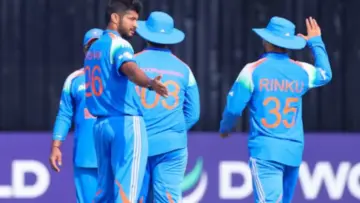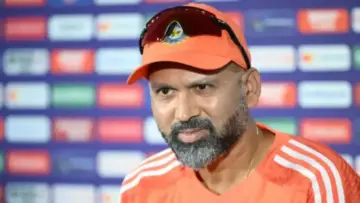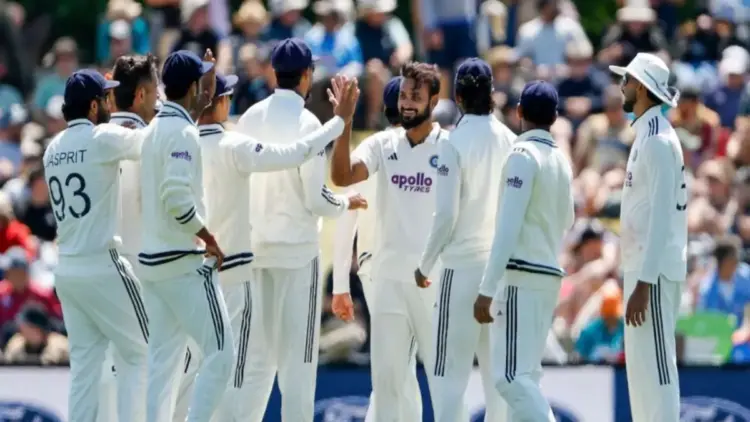
Christchurch, New Zealand – In a dramatic turnaround that epitomized the unpredictable nature of Test cricket, India staged a formidable comeback in the second session of Day 1 against New Zealand at Hagley Oval. After a steady, albeit cautious, start by the Blackcaps, a relentless Indian pace attack, spearheaded by the impressive Akash Deep, tore through the middle order, seizing control of the crucial second Test. By tea, New Zealand found themselves precariously placed at 131 for 4, with Daryl Mitchell (6) and Tom Blundell (8) battling to stem the tide.
The morning session had seen New Zealand’s openers navigate a challenging new ball spell on a typically green Christchurch surface. However, the post-lunch period witnessed a palpable shift in momentum, ignited by an inspired burst from India’s fast bowlers. This sudden collapse, from a comfortable 110 for 1 to 110 for 4 in a matter of overs, has set the stage for a compelling contest, underscoring the fierce competition inherent in the series. India, having won the toss and elected to bowl, will be buoyed by their resurgence, while New Zealand faces the daunting task of rebuilding their innings on a pitch offering assistance to the quicks.
The Chronology of Day 1: A Tale of Two Sessions
The opening day of the second Test at Hagley Oval unfolded as a classic Test match narrative, oscillating between periods of patient accumulation and sudden, explosive action.
Morning Session: New Zealand’s Cautious Foundation
The day began with anticipation thick in the Christchurch air. Indian captain Rohit Sharma, after winning a vital toss, made the strategic decision to bowl first, a choice heavily influenced by the verdant green tinge on the Hagley Oval pitch and the overcast conditions. The expectation was that the surface would offer significant lateral movement and bounce, providing an early advantage to India’s potent pace battery.
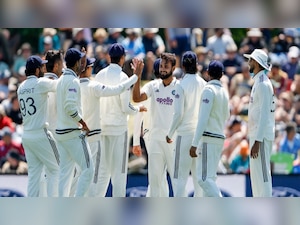
New Zealand’s opening pair, captain Tom Latham and Devon Conway, walked out to face the music of Jasprit Bumrah and the debutant Gurnoor Brar. The initial overs were a testament to disciplined Test match bowling and equally resolute batting. Bumrah, with his characteristic precision, probed the corridors of uncertainty, while Brar, making his international debut as India’s 321st Test player, settled into his rhythm, replacing the injured Prasidh Krishna. The New Zealand openers, aware of the dangers lurking on a fresh pitch, displayed admirable patience, leaving well and defending stoutly.
Latham, in particular, looked assured, riding out an early LBW scare in the very first over, a decision that went his way after a review. He effectively assessed the conditions, choosing his shots carefully and capitalising on any loose deliveries. Conway, at the other end, grew in confidence, playing some elegant strokes through the off-side. Their partnership began to frustrate the Indian attack, as the new ball lost some of its initial venom.

Just as the partnership looked set to carry New Zealand safely to lunch, India found their breakthrough on the very last ball before the interval. Gurnoor Brar, delivering a full, nipping-back delivery, trapped Conway (31 off 65 balls) plumb in front of the stumps. It was a moment of immense personal triumph for the debutant, who had worked tirelessly in domestic cricket for this opportunity. His maiden Test wicket sent a jolt of energy through the Indian camp and ensured New Zealand went into lunch at 77 for 1, having laid a respectable, if not dominant, foundation.
Post-Lunch Session: India’s Ferocious Fightback
The second session began with New Zealand looking to build on their solid start. Captain Tom Latham, well-set on 42, continued his measured approach, finding an able partner in Henry Nicholls. The pair steadily accumulated runs, rotating the strike and punishing the occasional bad ball. Latham, a picture of composure, reached his 32nd Test half-century in 88 balls, punctuated by five well-timed fours, anchoring the innings with characteristic grit. Together, he and Nicholls pushed New Zealand past the 100-run mark in the 36th over, seemingly in control.

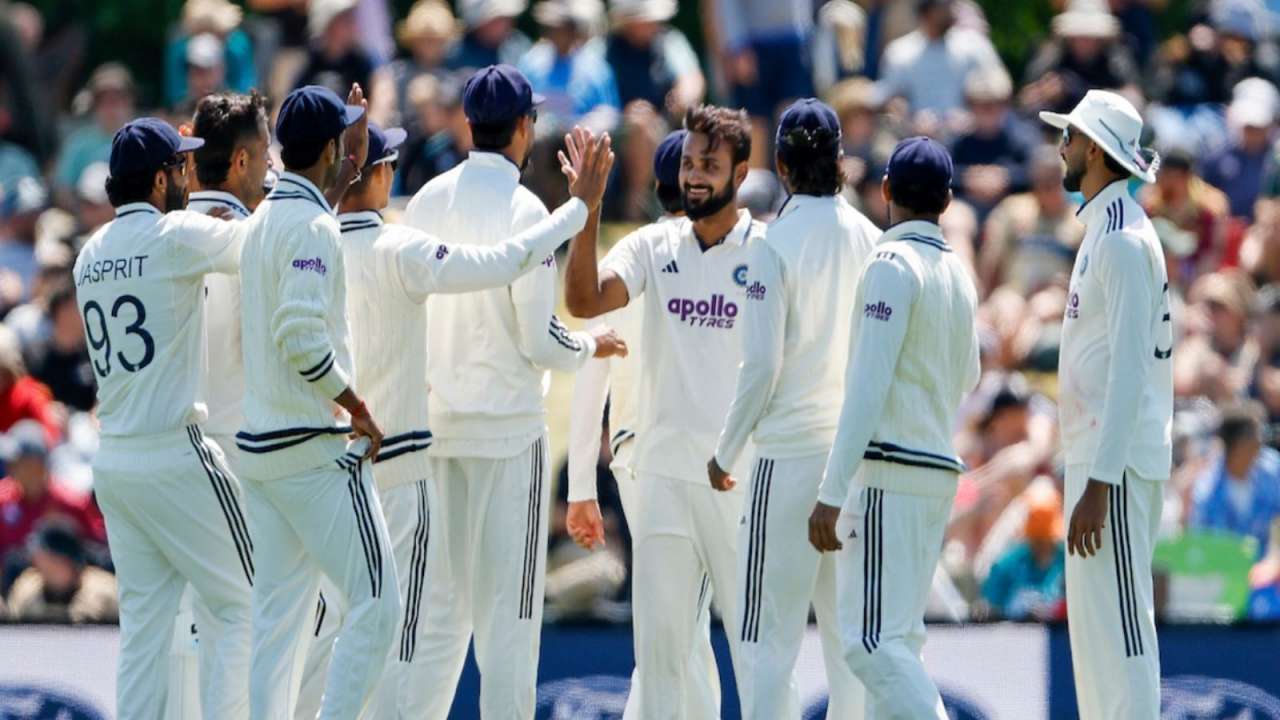
However, the game was about to be irrevocably altered by the relentless accuracy and newfound aggression of India’s pace attack, particularly the emerging talent of Akash Deep. The right-arm fast-medium bowler, making his presence felt, delivered the crucial breakthrough India desperately sought. Latham, attempting to drive a full-length delivery outside off-stump, found a faint edge that carried safely into the gloves of Rishabh Pant behind the stumps. The dismissal of the set captain for 59 off 128 balls, featuring six fours, brought a roar from the Indian contingent. New Zealand’s score now stood at 110 for 2, and the momentum had begun to shift.
The psychological impact of Latham’s wicket was immediate and profound. Just two overs later, Anshul Kamboj, another promising young pacer, struck a second blow. Henry Nicholls, attempting to pull a short-pitched delivery from Kamboj, top-edged it horribly. The ball soared towards long leg, where a diving Akash Deep completed a brilliant catch, showcasing his athleticism in the field as well. Nicholls departed for a cautious 16 off 46 balls, and suddenly, New Zealand had stumbled to 110 for 3, losing two vital wickets in quick succession without adding a single run to the team total.

The collapse wasn’t over. Akash Deep, sensing an opportunity to truly dismantle the New Zealand middle order, returned in the very next over to claim his second wicket of the session. Rachin Ravindra, a player known for his attacking flair, prodded tentatively at a delivery that held its line just outside off-stump. The ball kissed the outside edge, and Rishabh Pant completed a regulation catch. Ravindra’s stay was a brief and uncomfortable nine-ball duck, leaving New Zealand in disarray at 110 for 4. In a breathtaking spell of just 14 balls, India had ripped through the heart of New Zealand’s batting, transforming a steady start into a precarious situation.
With the scoreboard reading 110 for 4 and the Indian pacers breathing fire, Daryl Mitchell and Tom Blundell walked to the crease facing immense pressure. They exhibited commendable resolve, weathering a challenging period of aggressive bowling from Kamboj and Jasprit Bumrah. They absorbed the pressure, played cautiously, and ensured no further wickets fell before the tea break. Their brief, unbeaten partnership of 21 runs was crucial in stopping the bleeding and taking New Zealand to 131 for 4 at the tea interval.

Supporting Data and Contextual Analysis
The unfolding drama of Day 1 is deeply rooted in the unique characteristics of the Hagley Oval and the tactical nuances employed by both teams.
The Hagley Oval Factor: A Bowler’s Paradise
Hagley Oval in Christchurch has earned a reputation as one of the most bowler-friendly venues in Test cricket, especially on the first day. The pitch typically boasts a healthy covering of grass, providing significant assistance for fast bowlers in the form of swing and seam movement. The average first-innings score here tends to be lower than at many other Test venues, underscoring the dominance of the ball over the bat. This knowledge undoubtedly influenced Rohit Sharma’s decision to bowl first, a calculated risk that paid dividends in the second session.

The conditions perfectly suited India’s pace attack. Jasprit Bumrah, a master of seam and swing, found his rhythm after an initial quiet spell. The emerging talents of Akash Deep and Anshul Kamboj capitalized on the movement, consistently hitting challenging lengths that exploited the slight dampness and greenness of the surface. Even Gurnoor Brar, on debut, extracted enough movement to trouble the well-set Devon Conway. The overcast skies further aided the swing bowlers, making batting a constant challenge.
Individual Performances: Rising Stars and Seasoned Anchors
Akash Deep’s Ascendancy: The performance of Akash Deep was arguably the defining narrative of the day. His spell after lunch was a masterclass in aggressive, wicket-taking bowling. Having previously shown glimpses of his potential in domestic cricket, his ability to dismiss a set batsman like Tom Latham, followed by the crucial wicket of Rachin Ravindra, showcased his temperament and skill on the international stage. His impact has immediately added significant depth and a new dimension to India’s already formidable pace battery. His three wickets for just 28 runs at tea were pivotal in shifting the momentum.

Gurnoor Brar’s Debut Impact: While Akash Deep stole the headlines in the second session, Gurnoor Brar’s debut wicket of Devon Conway was equally significant. Breaking a stubborn opening partnership and getting his first Test scalp in his maiden outing is a dream start for any young cricketer. It highlights India’s commitment to nurturing young fast-bowling talent and suggests a promising future for the right-arm quick.
Tom Latham’s Resilience: Despite his dismissal, Tom Latham’s innings of 59 was a testament to his experience and ability to anchor an innings in difficult conditions. His half-century provided the backbone of New Zealand’s initial resistance. His wicket, however, exposed the vulnerability of the New Zealand middle order against a rampant Indian attack.

New Zealand’s Batting Depth: The sudden collapse from 110 for 1 to 110 for 4 raises questions about New Zealand’s batting depth, particularly if their top order fails to convert starts. While Daryl Mitchell and Tom Blundell are capable batsmen, their ability to mount a significant recovery will be crucial for New Zealand to post a competitive total.
Series Context: A Pivotal Test
This second Test holds immense significance for the series. With the series delicately poised, gaining an early advantage in this match is paramount. India’s comeback has not only put them in a strong position on Day 1 but also delivered a psychological blow to New Zealand. A dominant performance here could dictate the flow of the entire series.

Official Responses and Team Perspectives
While no official post-session press conferences were held, the mood in both camps would undoubtedly reflect the contrasting fortunes of the second session.
From the Indian Dressing Room (Inferred):
The Indian camp would be brimming with confidence and satisfaction. Captain Rohit Sharma and Head Coach Rahul Dravid would likely be lauding the execution of their bowling plans, particularly the discipline shown after lunch.
"We knew that if we stuck to our lines and lengths, this pitch would offer us rewards," a hypothetical statement from Captain Sharma might read. "The way Akash Deep and Anshul Kamboj responded after lunch, bringing that extra intensity, was fantastic to watch. Getting Latham and then the quick wickets of Nicholls and Ravindra really turned the game on its head. It’s a collective effort, and the debutants, Gurnoor and Akash, have shown immense character. We need to maintain this pressure tomorrow morning and wrap up the innings as quickly as possible."
Akash Deep, if asked about his performance, would likely express humility and determination: "It’s a dream come true to perform for India. My focus was just on hitting the right areas and letting the pitch do the rest. Getting big wickets is always special, and I’m just happy to contribute to the team’s cause. We know the job isn’t done yet, and we’ll come back strong tomorrow."

From the New Zealand Dressing Room (Inferred):
The New Zealand dressing room would be a mix of frustration and a steely resolve to fight back. Captain Tom Latham and Coach Gary Stead would be addressing the middle-order collapse, emphasizing the need for composure and significant partnerships.
"It was a disappointing passage of play after lunch, no doubt," a hypothetical quote from Captain Latham might state. "We had built a decent platform, and my dismissal, followed by a couple of quick ones, put us on the back foot. Credit to the Indian bowlers, they bowled a very good spell. But this is Test cricket, and we have fought back from tough situations before. Daryl and Tom showed good character to get us to tea. We need to come out tomorrow with a clear plan, build partnerships, and ensure we put up a competitive total. The pitch still has something in it for the bowlers, but it’s not unplayable."
The focus would be on resilience and the belief in their lower-order batsmen to contribute significantly.
Implications and The Road Ahead
The dramatic conclusion to the second session on Day 1 has profound implications for the remainder of this Test match and potentially the series.

For Day 2: A Crucial Morning Session
The first hour of Day 2 will be absolutely pivotal. India will be eager to exploit the freshness of the morning pitch and the remaining swing and seam movement to quickly dismiss the remaining New Zealand batsmen. Their aim will be to bowl out New Zealand for a score significantly below 200, thereby establishing a strong first-innings lead. Jasprit Bumrah, having already bowled with discipline, will be expected to lead the charge with the new ball (or a slightly older one), supported by the confidence-filled Akash Deep and Anshul Kamboj.
Conversely, New Zealand’s task is clear yet challenging: Daryl Mitchell and Tom Blundell must forge a substantial partnership. They need to weather the initial storm, absorb pressure, and gradually shift the momentum back in their favour. If they can extend their partnership beyond the first hour and add another 50-70 runs, it could significantly alter the complexion of the innings, providing their bowlers with a more defendable total. The longer they bat, the more the pitch will ease, potentially making batting easier for their lower order.

For the Test Match: A Low-Scoring Affair?
Given the conditions and the nature of Day 1, this Test match appears poised to be a low-scoring encounter where every run will be fiercely contested. A first-innings lead of even 50-70 runs could prove decisive. The team that bats with more discipline and resilience will likely emerge victorious. The match is unlikely to last the full five days, suggesting that wickets will continue to fall regularly.
For the Series: Momentum Shift
India’s comeback has delivered a significant psychological advantage. If they can capitalise on this strong position and secure a first-innings lead, it will put immense pressure on New Zealand for the rest of the match and potentially the series. Conversely, if New Zealand’s lower order can stage a remarkable recovery, it would be a huge morale booster and demonstrate their fighting spirit. The momentum in this tightly contested series is now firmly with India, but New Zealand’s home advantage and fighting spirit mean the contest is far from over.

Player Development and Future Prospects
The performances of Akash Deep and Gurnoor Brar on Day 1 could be career-defining. Their ability to step up on the international stage, especially under pressure, underscores the depth of India’s fast-bowling talent pool. Their continued success could solidify their places in the Test squad, adding healthy competition for spots. For New Zealand, the resilience shown by Mitchell and Blundell will be crucial not just for this match but for their confidence going forward.
In conclusion, Day 1 of the Christchurch Test provided a captivating display of Test cricket’s ebbs and flows. India’s spirited comeback after lunch, orchestrated by their relentless pace attack, has positioned them strongly. However, the fight shown by New Zealand’s lower-middle order ensures that the second Test remains finely balanced, promising further enthralling action as Day 2 dawns at Hagley Oval.