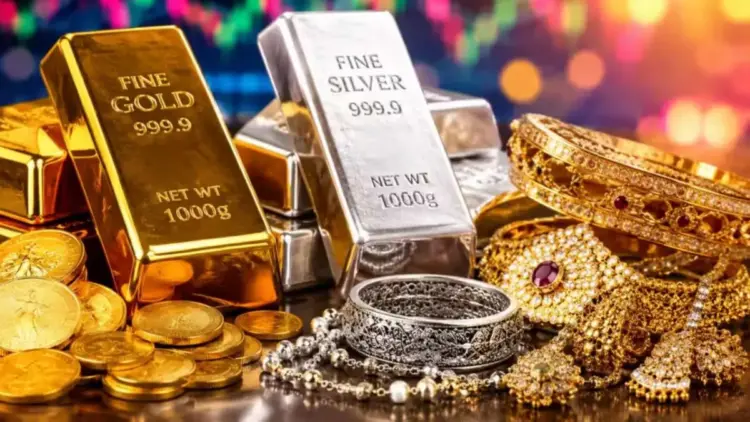
Mumbai, India – November 27, 2026: India’s venerable precious metals market continues its intricate dance with global economic forces and deeply ingrained domestic traditions. As of November 27, 2026, the prices of gold and silver reflect a complex interplay of international market trends, robust local demand, and the ever-shifting sands of currency exchange rates. A slight upward trajectory for gold, spurred by persistent global inflationary pressures and safe-haven buying, marks the current landscape, while silver’s dual identity as both a precious metal and an industrial commodity dictates its unique price movements.
This detailed analysis delves into the current valuations of gold and silver across major Indian cities, dissecting the myriad factors influencing these prices and offering insights into the broader implications for investors, consumers, and the Indian economy.
Current Market Snapshot: Gold and Silver on November 27, 2026
The bullion market on this Friday, November 27, 2026, presents a dynamic picture. The national average for 24-Karat gold (999 pure) is recorded at ₹12,655 per gram, while 22-Karat gold (91.67% pure), the preferred choice for exquisite Indian jewellery, stands at ₹11,540 per gram. This slight appreciation underscores a global sentiment favoring precious metals amidst lingering economic uncertainties.
Silver, often considered gold’s more volatile counterpart, is currently trading at approximately ₹1,70,000 per kilogram for 999 pure silver. The price for Silver 925 (sterling silver), popular for ornaments and industrial applications, is closely aligned at ₹1,69,900 per kilogram. These figures represent the baseline for transactions across the nation, subject to regional variations influenced by local taxes, logistical costs, and specific market dynamics.
A Look Back: The Chronology of India’s Bullion Market (2025-2026)
India’s affinity for gold and silver transcends mere financial investment; it is woven into the very fabric of its cultural, social, and economic life. From ancient times, these metals have served as symbols of wealth, status, and security, often passed down through generations. Gold, in particular, remains the ultimate hedge against inflation and economic instability for millions of Indian households, especially in rural areas where access to formal financial instruments may be limited.
The period spanning late 2025 through 2026 has been characterized by a blend of global economic adjustments and sustained domestic demand. Following a phase of post-pandemic recovery and subsequent inflationary spikes, central banks globally, including the US Federal Reserve, embarked on a series of interest rate hikes in late 2024 and early 2025. This initially put some downward pressure on gold prices, as higher interest rates made non-yielding assets like gold less attractive.

However, as 2025 progressed into 2026, a nuanced picture emerged. While initial rate hikes curbed some inflation, new geopolitical tensions in Eastern Europe and the Middle East, coupled with persistent supply chain disruptions and energy price volatility, rekindled inflationary concerns. This led to a resurgence in safe-haven demand for gold. Investors sought refuge in the yellow metal as a store of value against potential currency depreciation and market turbulence.
Domestically, 2026 witnessed a robust demand for gold and silver, particularly ahead of major festivals like Diwali and Akshaya Tritiya, and during the peak wedding season. Despite fluctuating global prices, Indian consumers continued their traditional buying patterns, viewing precious metals as both auspicious and a wise long-term investment. Government policies, including import duties and Goods and Services Tax (GST) adjustments, also played a role in shaping local market dynamics, adding layers of complexity to pricing structures. The Indian Rupee’s performance against the US Dollar throughout 2026 also significantly influenced the landed cost of imported gold and silver, often translating into higher local prices when the Rupee weakened.

The specific upward movement observed on November 27, 2026, can be attributed to a confluence of factors: continued global inflation worries following recent economic data releases, a slight weakening of the US Dollar against major currencies, and the anticipation of further festive demand in the coming weeks.
Supporting Data: A Deep Dive into Pricing and Influencers
Understanding the granular details of gold and silver prices requires a thorough examination of both their specific characteristics and the myriad factors that drive their valuations.

Gold Prices: Purity, Regional Variations, and Underlying Drivers
The distinction between 24K and 22K gold is crucial for consumers. 24-Karat gold, often referred to as 999 pure gold, signifies 99.9% purity. It is the purest form of gold available and is typically used for bullion bars, coins, and investment purposes. Its price is directly reflective of the international spot price.
22-Karat gold, or 916 gold, contains 91.67% pure gold, with the remaining percentage comprising alloys like copper, silver, or zinc. These alloys are added to increase the metal’s durability, making it suitable for crafting intricate jewellery. While slightly less pure, 22K gold is the standard for most Indian jewellery due to its strength and malleability. The price difference between 24K and 22K reflects this purity differential, along with the "making charges" that are levied on finished jewellery.

City-Wise Gold Rates on November 27, 2026 (per gram):
- Delhi:
- 24K Gold: ₹12,660
- 22K Gold: ₹11,615
- Mumbai:
- 24K Gold: ₹12,655
- 22K Gold: ₹11,600
- Kolkata:
- 24K Gold: ₹12,655
- 22K Gold: ₹11,600
- Chennai:
- 24K Gold: ₹12,655
- 22K Gold: ₹11,600
The slight variations observed across cities, such as Delhi’s marginally higher rates, are typically due to local taxes (like octroi or entry taxes in some regions, though largely subsumed under GST), specific logistics costs, and the localized demand-supply dynamics within that particular market. Reputable sources like Good Returns, upon which these figures are based, aggregate data from various bullion associations and jewellers to provide these daily benchmarks. Consumers are always advised to check with local jewelers for precise real-time prices, including making charges and GST.

Silver Prices: Industrial Demand Meets Investment Appeal
Silver, often overshadowed by gold, possesses a unique market profile. 999 pure silver (99.9% pure) is the benchmark for investment-grade silver bullion, coins, and industrial applications requiring high purity. Silver 925, or sterling silver, is 92.5% pure silver alloyed with other metals (usually copper) to enhance its strength and durability, making it ideal for jewellery, silverware, and decorative items.
City-Wise Silver Rates on November 27, 2026 (per 10 grams of 999 pure silver):

- Delhi: ₹1,700
- Mumbai: ₹1,700
- Kolkata: ₹1,700
- Chennai: ₹1,700
Unlike gold, silver prices often exhibit greater volatility due to its significant industrial demand. Silver is a critical component in a wide array of high-tech industries, including electronics, solar panels (photovoltaics), medical applications, photography, and electric vehicles. As global economic activity and technological advancements accelerate, the demand for industrial silver tends to rise, directly impacting its price. Conversely, an economic slowdown can depress silver prices more sharply than gold. For India, silver holds cultural significance, particularly in certain regions where silver ornaments are more prevalent, and it is also a popular choice for investment among a broader segment of the population due to its relatively lower price point compared to gold.
Key Influencing Factors: A Deeper Dive
The dynamics of precious metal pricing are multifaceted:

-
Global Market Trends:
- US Dollar Index (DXY): There is generally an inverse relationship between the US Dollar and precious metal prices. A weaker dollar makes gold and silver cheaper for holders of other currencies, thereby increasing demand.
- International Spot Prices: Global benchmarks like COMEX futures and the London Bullion Market Association (LBMA) fixings heavily influence Indian prices. Any movement in these international prices directly translates to domestic adjustments.
- Global Interest Rates: Higher interest rates, particularly by the US Federal Reserve, increase the opportunity cost of holding non-yielding assets like gold and silver, potentially leading to price dips. Conversely, lower rates make them more attractive.
- Geopolitical Stability/Instability: Periods of global political unrest, conflicts, or economic uncertainty trigger safe-haven buying, pushing up gold and silver prices.
- Inflation Expectations: When inflation is expected to rise, investors often turn to gold as a traditional hedge against the erosion of purchasing power.
-
Local Demand:

- Festive and Wedding Seasons: India’s cultural calendar is dotted with numerous festivals (e.g., Diwali, Akshaya Tritiya, Dhanteras) and wedding seasons that traditionally drive immense demand for gold and silver jewellery and investment products.
- Rural vs. Urban Demand: Rural India accounts for a significant portion of gold consumption, often linked to agricultural prosperity (good monsoons) and traditional savings habits. Urban demand is more influenced by modern investment vehicles and fashion trends.
- Investment vs. Jewellery Demand: While a substantial portion of demand is for jewellery, a growing segment is driven purely by investment, with buyers opting for coins, bars, or digital gold.
-
Currency Rates (INR vs. USD):
- India imports a large percentage of its gold and silver requirements. A depreciation of the Indian Rupee against the US Dollar makes these imports more expensive in local currency terms, directly increasing the landed cost and, consequently, domestic prices.
-
Government Policies:

- Import Duties: The Indian government frequently adjusts import duties on gold and silver to manage foreign exchange reserves and control smuggling. Higher duties directly increase domestic prices.
- GST: The Goods and Services Tax (currently 3% on the value of gold and silver, and 5% on making charges for jewellery) adds to the final price for consumers.
- Regulations: Policies related to hallmarking, gold monetization schemes, and disclosure requirements also influence market operations and consumer confidence.
-
Central Bank Holdings: The Reserve Bank of India (RBI) holds significant gold reserves as part of its foreign exchange assets. While not directly influencing daily retail prices, the RBI’s accumulation or selling of gold can signal broader economic stability and impact sentiment.
Official Responses: Expert Views and Market Sentiment
The current market sentiment, as observed by industry experts, reflects a cautious optimism for precious metals.

Mr. Anish Sharma, Chief Economist at Zenith Capital Advisors, commented on the prevailing conditions: "The global economic landscape in late 2026 remains a mixed bag. While some major economies show signs of stabilization, persistent inflationary pressures, especially in energy and food, continue to fuel demand for safe-haven assets. Gold, in particular, benefits from this environment. We are also seeing central banks globally continuing to diversify their reserves with gold, which provides a strong underlying support to prices."
Mr. Rajesh Mehta, President of the All India Gem and Jewellery Domestic Council (GJC), highlighted the domestic perspective: "Despite the global price fluctuations, Indian consumers’ faith in gold and silver remains unwavering. We’ve seen robust demand leading up to the current festive season. The slight price increase today is unlikely to deter genuine buyers, especially those looking to invest for future generations or for upcoming weddings. However, we consistently urge consumers to prioritize hallmarked jewellery to ensure purity and transparency."

Bullion dealers across the country report a steady flow of customers, with a discernible trend of both investment-driven purchases (bars and coins) and traditional jewellery buying. "Customers are well-informed these days," says Ms. Priya Singh, proprietor of ‘Shubham Jewellers’ in Mumbai. "They track international prices and rupee movements closely. We’ve seen an uptick in digital gold investments too, offering an alternative for those seeking purity and convenience without the physical storage concerns."
While the Indian government and RBI have not issued specific statements regarding the current daily price movements, their ongoing focus on maintaining economic stability, managing inflation, and strengthening the Rupee implicitly influences the bullion market. Any future policy announcements related to import duties or trade agreements will be closely watched by the industry.

Implications: Future Outlook and Strategic Considerations
The current pricing and underlying factors carry significant implications for various stakeholders:
For Investors:
Gold and silver continue to serve as crucial components of a diversified investment portfolio.

- Gold as a Hedge: Gold’s role as a hedge against inflation and economic uncertainty remains paramount. In a world grappling with sustained price rises and geopolitical tensions, its appeal as a store of value is amplified.
- Silver’s Dual Role: Silver offers investors a unique proposition, blending the safe-haven characteristics of a precious metal with the growth potential tied to industrial demand. Its increasing use in green technologies (solar, EVs) positions it favorably for long-term growth.
- Diversification: Allocating a portion of one’s portfolio to precious metals can help mitigate overall risk, especially during periods of equity market volatility.
- Investment Avenues: Beyond physical gold and silver, investors in India have access to Sovereign Gold Bonds (SGBs) – government-backed securities offering interest and capital appreciation linked to gold prices – and Gold Exchange Traded Funds (ETFs), providing liquidity and convenience. Digital gold platforms have also gained traction, allowing fractional purchases and secure storage. Investors should carefully consider their risk appetite and investment horizon before making decisions.
For Consumers:
The daily fluctuations in prices directly impact household budgets and purchasing decisions.
- Timing Purchases: For those planning jewellery purchases, especially for weddings or festivals, tracking price trends and making informed decisions is crucial. Buying during temporary dips can offer better value.
- Understanding Costs: Beyond the per-gram price, consumers must account for "making charges" (labor costs for crafting jewellery) and "wastage charges" (material lost during crafting), which can significantly add to the final cost.
- Hallmarking: The importance of purchasing hallmarked gold and silver jewellery cannot be overstated. Hallmarking guarantees the purity of the metal, providing consumer confidence and ensuring fair value.
For the Indian Economy:
The precious metals sector holds substantial economic weight in India.

- Trade Deficit: India is one of the world’s largest importers of gold. High import volumes can significantly contribute to the country’s trade deficit, impacting the balance of payments.
- Savings Instrument: Gold serves as a vital traditional savings instrument, particularly for rural households, providing financial security and acting as collateral for loans.
- Employment and GDP Contribution: The jewellery manufacturing and retail sector is a significant employer, supporting millions of livelihoods and contributing substantially to India’s Gross Domestic Product. Policies impacting this sector have broad economic ramifications.
Future Outlook:
The near to medium-term outlook for gold and silver prices suggests continued volatility but with an underlying bullish sentiment.
- Continued Inflationary Pressures: If global inflationary pressures persist, or even intensify, gold’s appeal as an inflation hedge will likely keep its prices elevated.
- Interest Rate Trajectory: The future path of global interest rates, particularly from the US Federal Reserve, will be a critical determinant. Any signs of an end to the tightening cycle or potential rate cuts could provide a significant boost to precious metals.
- Geopolitical Developments: Ongoing geopolitical events will continue to act as a catalyst for safe-haven buying, creating upward price momentum.
- Industrial Demand for Silver: The global push towards renewable energy and electrification will sustain strong industrial demand for silver, providing a floor for its prices and potential for growth.
- Key Events to Watch: Upcoming central bank meetings, major economic data releases (e.g., inflation reports, GDP figures, employment data), and significant geopolitical developments will be key indicators for market participants.
In conclusion, India’s precious metals market on November 27, 2026, reflects a sophisticated interplay of global economic currents and deeply rooted domestic practices. While gold’s safe-haven appeal remains strong amidst global uncertainties, silver’s dual nature as an investment and industrial commodity positions it for dynamic movements. For both investors and consumers, informed decision-making, coupled with an understanding of these complex dynamics, will be key to navigating the evolving landscape of India’s enduring fascination with gold and silver.