

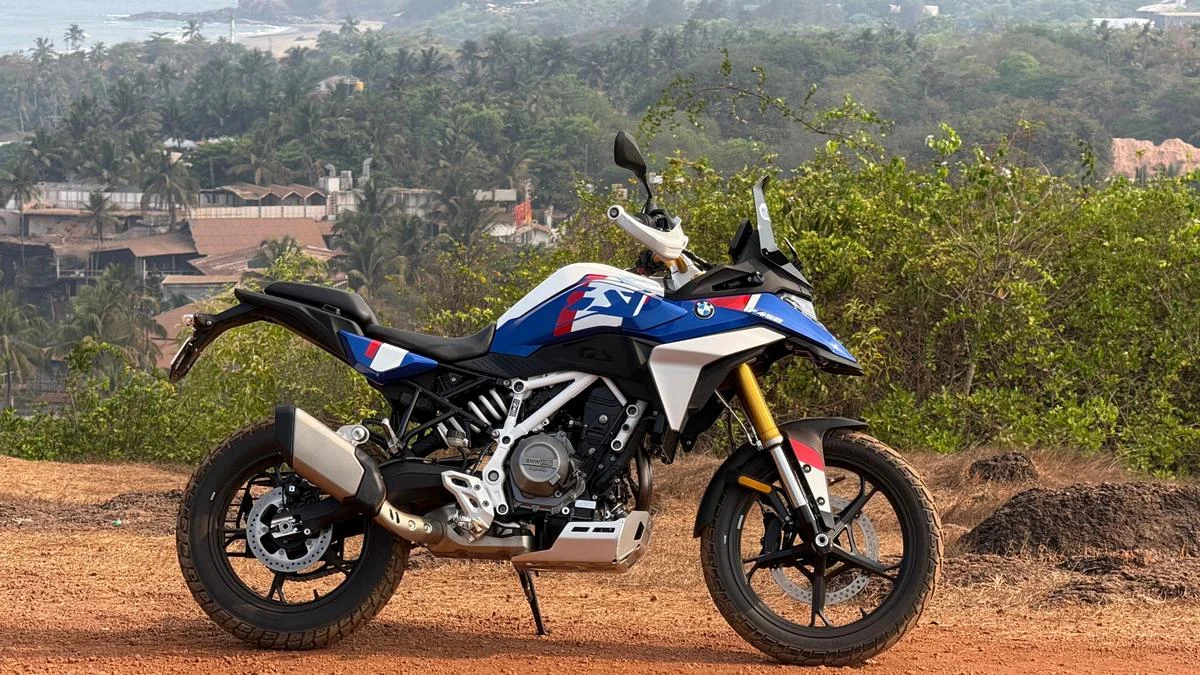
The landscape of Indian motorcycling has undergone a seismic shift over the last decade. What was once a market dominated exclusively by high-efficiency commuters has evolved into a sophisticated arena where "Adventure" (ADV) is the most sought-after prefix. Into this burgeoning segment, BMW Motorrad has introduced a machine that seeks to bridge the gap between entry-level accessibility and heavy-weight capability: the BMW F 450 GS.
Positioned as a premium yet approachable mid-capacity adventure tourer, the F 450 GS is not merely a downsized version of its larger R 1300 GS sibling, but a precision-engineered tool designed specifically for the unique demands of the Indian subcontinent. Following an extensive test ride through the winding coastal roads and rugged hilltops of Goa, it is evident that BMW has crafted a motorcycle that understands its mission with clinical clarity.
Main Facts: The Core Identity of the F 450 GS
The BMW F 450 GS enters a highly competitive mid-size ADV market, currently populated by stalwarts like the KTM 390 Adventure and the Royal Enfield Himalayan 450. However, the Bavarian manufacturer has opted for a "premium-first" approach, focusing on refinement and sophisticated electronic aids.
Key Specifications at a Glance:
- Engine: 420 cc parallel-twin, liquid-cooled.
- Power Output: 48 hp @ 9,500 rpm.
- Peak Torque: 43 Nm @ 7,500 rpm.
- Transmission: 6-speed with Shift Assistant Pro and Easy Ride Clutch (ERC).
- Seat Height: 845 mm (Standard).
- Fuel Efficiency: Approximately 26–27 km/l.
- Price Range: ₹4,70,000 to ₹5,30,000 (Ex-showroom).
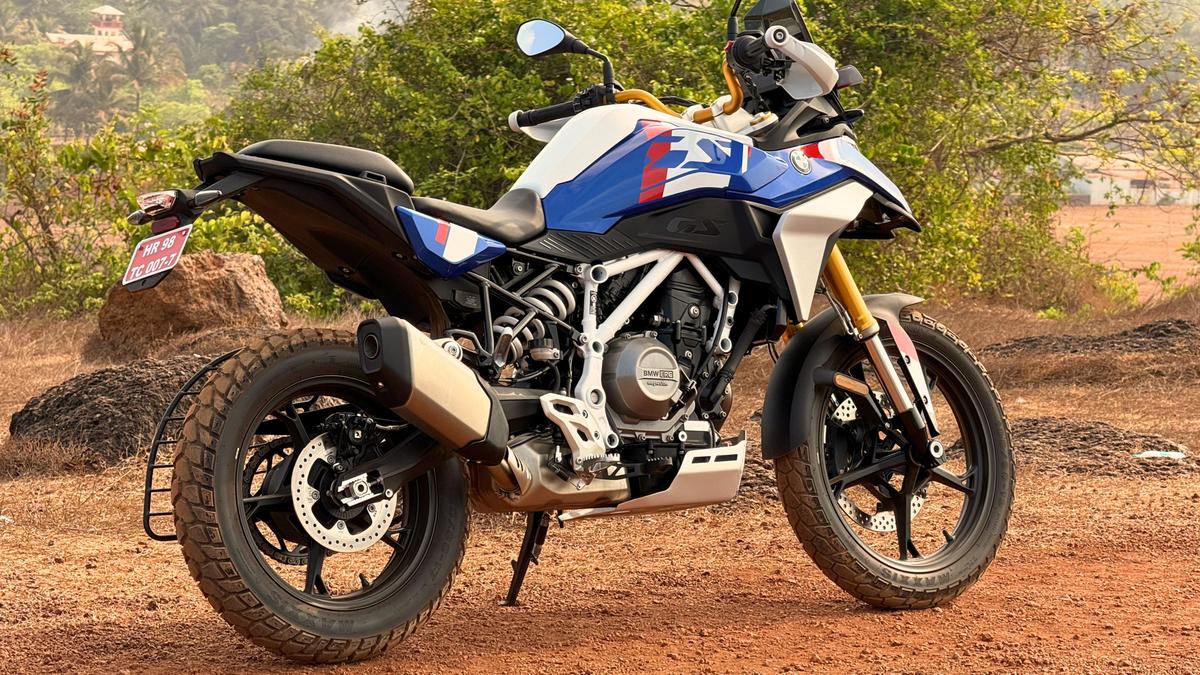
The motorcycle’s design is unmistakably GS. It features the iconic asymmetrical "beak" and an upright, commanding stance that suggests off-road readiness without the intimidating bulk of a 1250cc machine. By utilizing a parallel-twin configuration rather than a single-cylinder, BMW has prioritized vibration management and high-speed cruising stability—two critical factors for Indian riders who often cover vast distances between off-road trails.
Chronology: From Coastal Cruising to Vagator’s Dirt Trails
The evaluation of the F 450 GS took place over several days in Goa, providing a comprehensive mix of urban congestion, highway stretches, and technical off-road terrain.
Phase 1: The Urban and Highway Transition
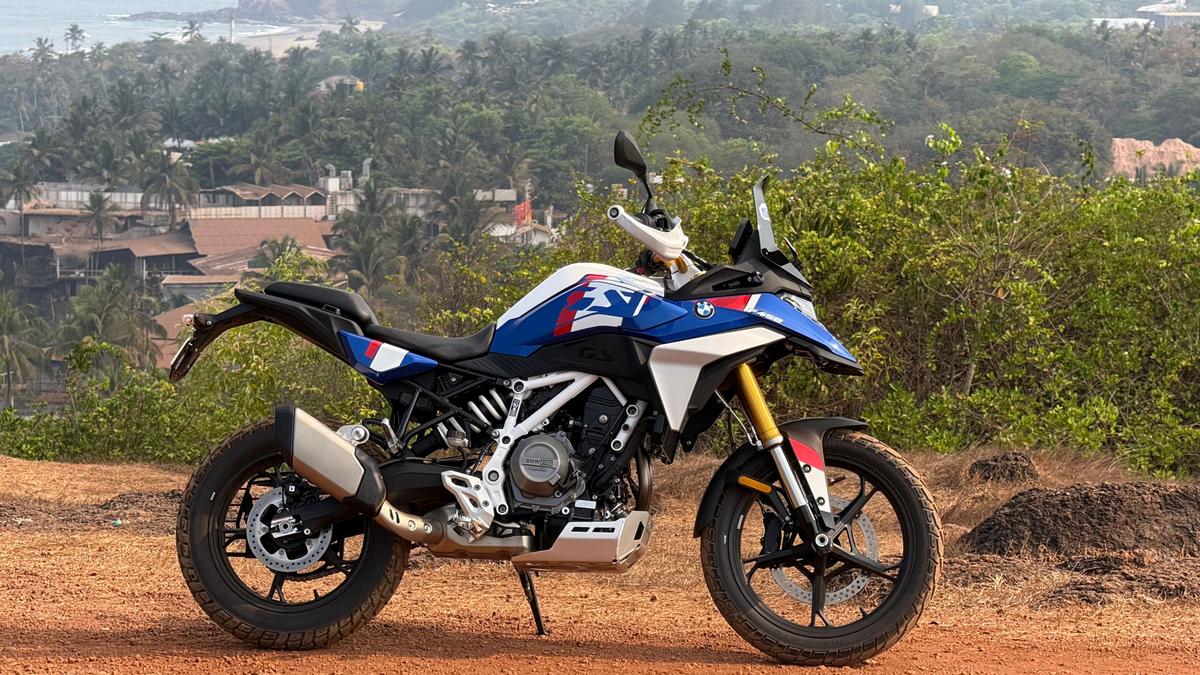
The initial hours were spent navigating the narrow, bustling streets of North Goa. Here, the F 450 GS demonstrated its "unintimidating" nature. Despite the 845 mm seat height—which may pose a challenge for riders under 5’7"—the bike’s narrow waist makes it easier to reach the ground than the numbers suggest. The parallel-twin engine showed immediate refinement, pulling cleanly from low RPMs without the "chugging" sensation often found in high-performance singles.
As the roads opened up toward the interior, the bike’s highway manners came to the fore. At speeds of 100-110 km/h, the engine remains in a sweet spot, with the 135° crankshaft effectively canceling out the high-frequency buzz that plagues many mid-capacity motorcycles.
Phase 2: Technical Ascent at Vagator Hilltop
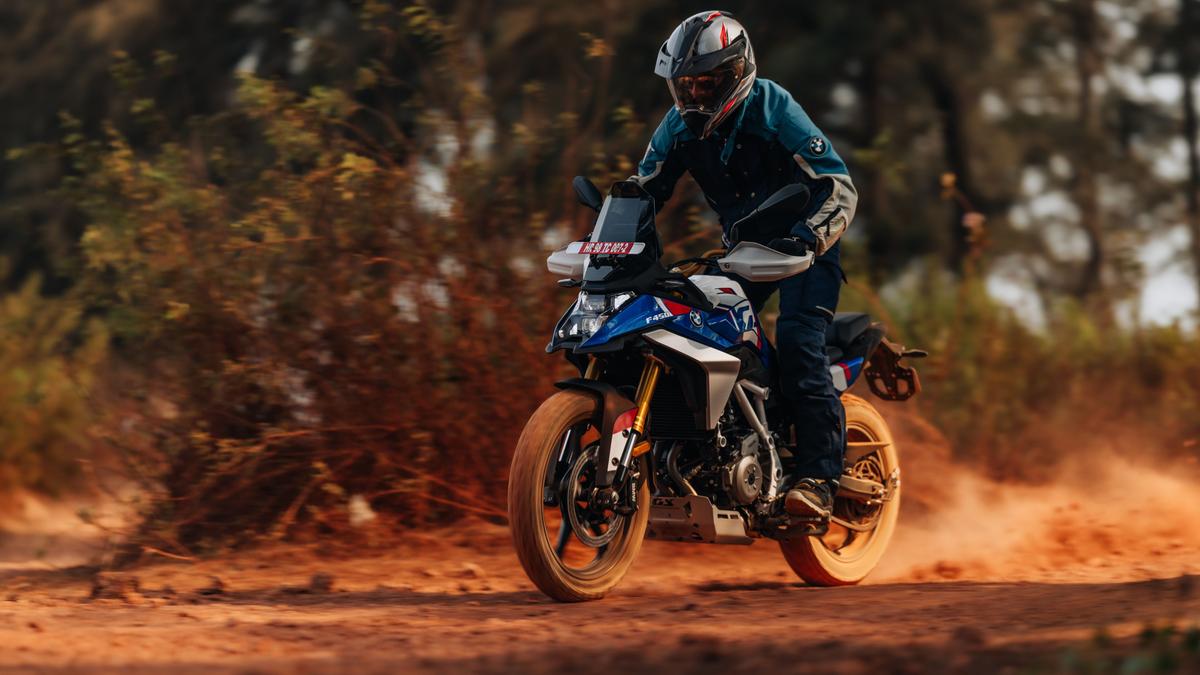
The true test of an ADV lies off the tarmac. At the Vagator hilltop, the terrain shifted to loose gravel, steep inclines, and basalt rock patches. This environment allowed for the testing of the "Enduro Pro" mode. By disengaging rear ABS and softening the traction control intervention, the F 450 GS transformed from a polite commuter into a playful dirt bike. The standing ergonomics proved excellent; the serrated footpegs provided ample grip, and the handlebar height allowed for a natural standing posture, reducing rider fatigue during technical maneuvers.
Supporting Data: Engineering and Technological Innovations
The F 450 GS is more than just a frame and an engine; it is a showcase of how BMW is trickling down technology from its flagship models to the mid-range segment.
The Parallel-Twin Powerhouse
The heart of the machine is the 420 cc parallel-twin. While many competitors opt for a 270° crank to mimic a V-twin character, BMW’s use of a 135° crankshaft is a deliberate engineering choice aimed at smoothness. This configuration, paired with a counter-balancer, ensures that the handlebars and footpegs remain vibration-free even as the digital tachometer nears the redline.
The "Easy Ride Clutch" (ERC) and Shift Assistant Pro
Perhaps the most discussed feature of the F 450 GS is the Easy Ride Clutch. This system allows the rider to come to a complete stop and pull away again without manually engaging the clutch lever.
- The Learning Curve: For veteran riders, the ERC requires a recalibration of muscle memory. The initial instinct to "feather" the clutch in slow traffic is replaced by a reliance on precise throttle modulation.
- The Benefit: In stop-and-go traffic or during grueling off-road climbs where hand fatigue (clutch pump) usually sets in, the ERC is a revelation. When paired with the Shift Assistant Pro (a bi-directional quickshifter), the F 450 GS offers a near-seamless riding experience that allows the pilot to focus entirely on their line and the terrain.
Suspension and Braking Geometry
The motorcycle employs 43mm USD (Upside Down) front forks and a rear monoshock with progressive damping.
- On-Road: The setup is firm enough to prevent excessive "nose-dive" under hard braking, providing a sporty feel in the corners.
- Off-Road: The 19-inch front and 17-inch rear wheel combination offers a balance between agility and the ability to roll over obstacles. The suspension travel is generous, soaking up mid-corner bumps without unsettling the chassis.
Official Responses and Market Positioning
BMW Motorrad India has been vocal about its strategy to capture the "aspirational" segment of the Indian market. While the F 450 GS is priced at a premium compared to the Royal Enfield Himalayan 450 (which starts significantly lower), BMW officials emphasize that they are not competing on price alone.
The company’s official stance highlights three pillars: Refinement, Technology, and Ecosystem.
- Refinement: BMW asserts that the twin-cylinder configuration offers a level of touring comfort that single-cylinder rivals cannot match.
- Technology: Features like the 6.5-inch TFT display with multi-controller integration and lean-angle sensitive ABS are marketed as "class-leading."
- The GS Trophy Heritage: By offering a "GS Trophy" variant with specialized liveries and off-road oriented parts, BMW is tapping into the global community of GS owners, providing Indian riders with a sense of belonging to an international touring brotherhood.
Industry analysts suggest that BMW is targeting the "upgrader"—the rider who has spent two years on a 250cc or 300cc bike and is now looking for a "forever bike" that can handle a trip to Ladakh or a cross-country tour with luggage and a pillion without breaking a sweat.
Implications: A New Benchmark for the Mid-Size Segment?
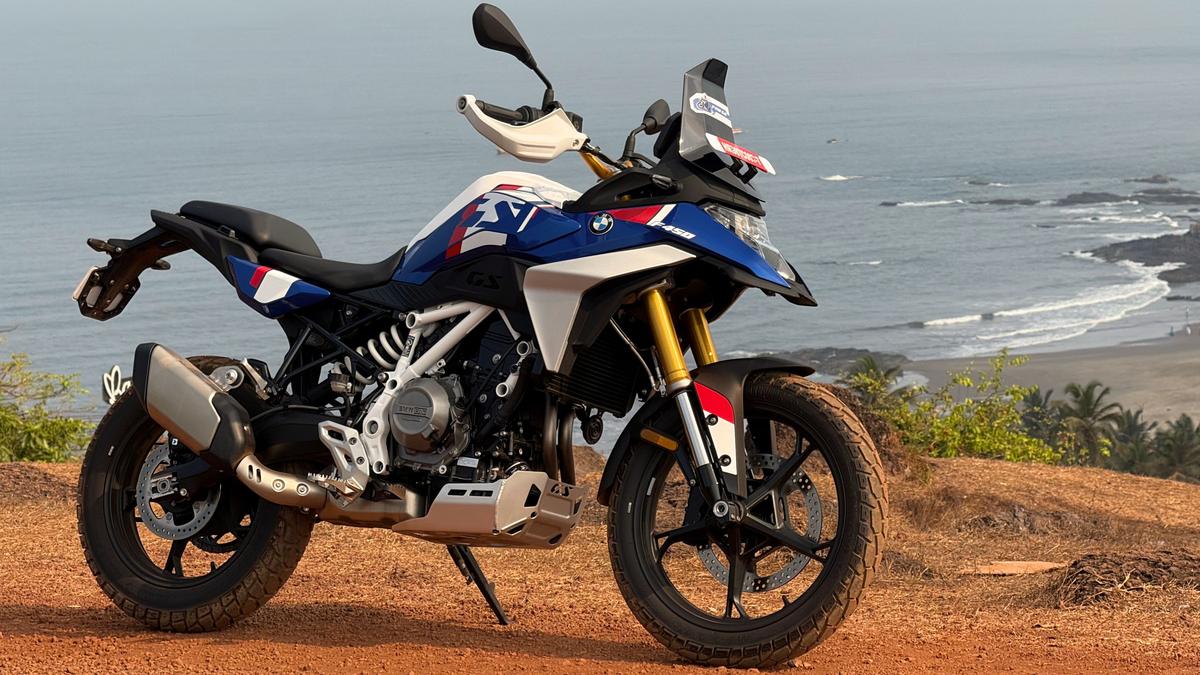
The introduction of the BMW F 450 GS has significant implications for the Indian motorcycle industry and the riding community at large.
1. Pressure on Competitors
The F 450 GS raises the bar for what riders expect in terms of electronics. It may force competitors to accelerate the inclusion of features like quickshifters and high-resolution TFT screens as standard equipment rather than optional extras.
2. Redefining the "Entry-Level" Luxury
For many, the "GS" badge was an unattainable dream due to the high cost and massive physical size of the R 1250/1300 GS. The F 450 GS democratizes the brand. It provides a gateway into the BMW ecosystem, potentially creating lifelong brand loyalty.
3. Practicality in Indian Conditions
The bike’s heat management is a crucial takeaway. During the Goa test, even in high-humidity and low-speed crawling, the engine did not radiate excessive heat toward the rider’s legs—a common complaint with high-performance European motorcycles in India. This makes the F 450 GS a viable daily commuter for those who can afford its premium price tag.
4. The Cost of Ownership
While the initial purchase price is high, the fuel efficiency of 26-27 km/l is respectable. However, prospective buyers must consider the "BMW Premium." Maintenance costs and spare parts for a twin-cylinder BMW will inevitably be higher than for domestic single-cylinder alternatives. This motorcycle is a commitment to a premium lifestyle, not just a purchase of a transport vessel.
Conclusion: The Verdict
The BMW F 450 GS is a masterclass in balance. It manages to be sophisticated without being fragile, and powerful without being intimidating. While the Easy Ride Clutch and the seat height present a slight learning curve, the rewards are a riding experience that feels significantly more "grown-up" than anything else in the sub-500cc category.
BMW Motorrad has not just launched a new motorcycle; they have refined the definition of the mid-capacity ADV. For the rider who values smooth power delivery, cutting-edge tech, and the prestige of the GS badge, the F 450 GS stands as a compelling, albeit expensive, invitation to adventure.
Pricing Details:
- Base Variant: ₹4,70,000
- Exclusive Variant: ₹4,90,000
- GS Trophy Variant: ₹5,30,000
(All prices are ex-showroom, India)
This report was compiled in association with Motorscribes and The Hindu. For further updates on the Indian automotive sector, follow @motorscribes on social media.
