

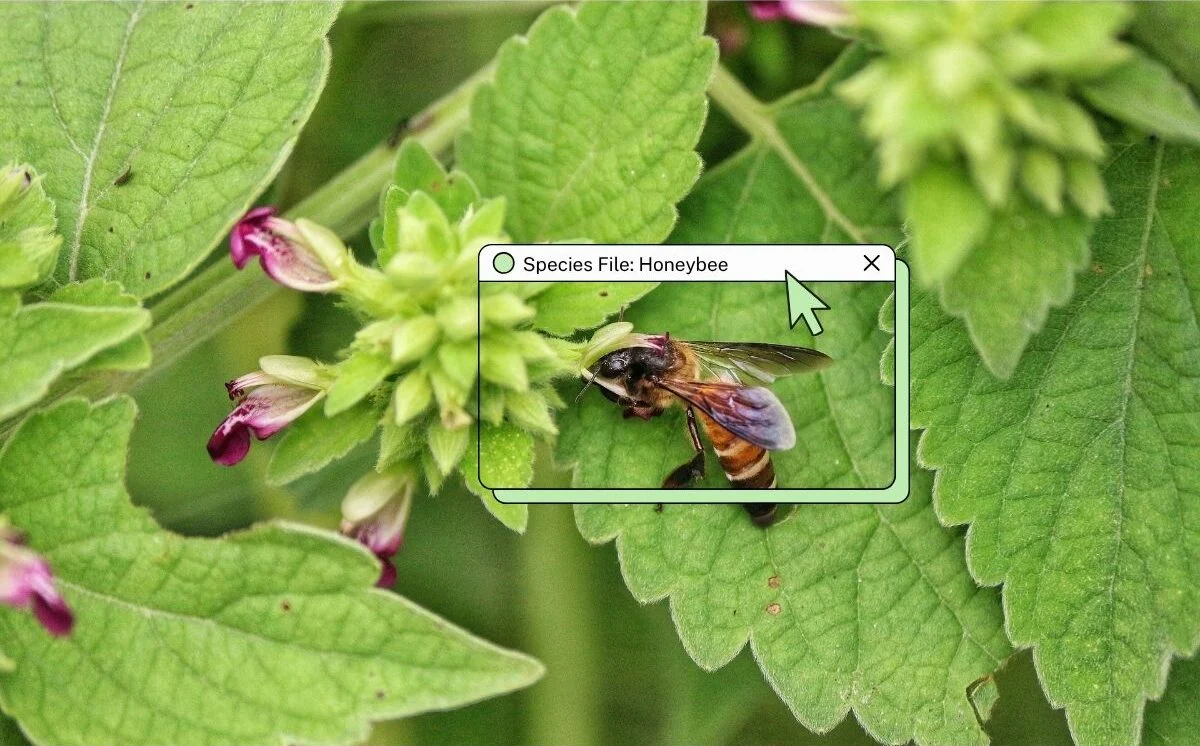
In the vast and varied landscapes of India, from the high-altitude apple orchards of Himachal Pradesh to the dense mangroves of the Sunderbans, a silent workforce is at the heart of the nation’s food security and ecological health. Honey bees, belonging to the genus Apis, are far more than mere producers of honey and wax; they are the architectural backbone of India’s biodiversity. However, as environmental pressures mount, the country is witnessing a critical shift in how it perceives and protects these winged laborers.
Recent initiatives, including the National Highways Authority of India’s (NHAI) ambitious "bee corridor" project, signal a growing recognition that the survival of the honey bee is inextricably linked to the survival of the Indian economy.
Main Facts: The Pillars of Indian Apiculture
India is home to a diverse array of honey bee species, categorized into domesticated and wild varieties. The most prominent domesticated species are the Indian hive bee (Apis cerana indica) and the European bee (Apis mellifera), the latter having been introduced to boost commercial honey production. In the wild, the rock bee (Apis dorsata) and the little bee (Apis florea) play dominant roles in pollinating forest canopies and scrublands.
The economic stakes are staggering. While honey is a valuable commodity, the "service" of pollination provided by these insects is their most significant contribution. Data from 2023 indicates that honey bees alone contribute to approximately 20% of the total crop yield in India. For a nation where a significant portion of the population depends on agriculture, the health of bee populations is not merely an environmental concern but a matter of national food security.
Despite their importance, honey bees occupy a precarious legal position. Unlike tigers or elephants, honey bees are not listed under a specific schedule of the Wildlife Protection Act (1972). This lack of formal protection has historically meant that their habitats—forests, grasslands, and even urban green spaces—have been vulnerable to unchecked development and pesticide use.
Chronology: From Traditional Beekeeping to a Modern Crisis
The relationship between humans and bees in India spans millennia, but the modern era has brought unprecedented challenges.
- Pre-1980s: Traditional beekeeping focused largely on wild honey hunting and small-scale rearing of Apis cerana indica.
- 1980s – 1990s: The introduction of Apis mellifera revolutionized commercial honey production, leading to the "Sweet Revolution." However, this also introduced new pathogens and competition for native species.
- 2020: Experts from the Central Bee Research and Training Institute (CBRTI) in Pune began sounding alarms regarding the impact of urbanization. K. Lakshmi Rao, assistant director at CBRTI, highlighted that habitat loss and the "stress" caused by sound, air, and light pollution in cities were decimating urban bee populations.
- 2022-2023: Global studies began to provide concrete evidence of "phenological mismatch" in India—a phenomenon where global warming causes flowers to bloom earlier than bees emerge from their winter states, leading to starvation for the bees and poor pollination for the plants.
- 2024: In a landmark move to mitigate habitat fragmentation, the NHAI announced the development of the nation’s first pollinator corridors along major highways.
Supporting Data: The Cost of Decline
The decline of pollinators is a global trend, but its impact in India is particularly acute due to the country’s dependence on manual and insect-aided agriculture. According to the International Union for Conservation of Nature (IUCN), while a comprehensive assessment of all Indian bee species is still pending, the general trend for pollinators is a downward trajectory.
1. The Pollination Gap
Bees are responsible for the fertilization of nearly 75% of the world’s food crops. In India, crops like mustard, sunflowers, oilseeds, and various fruits (apples, mangoes, citrus) are heavily dependent on honey bees. Research suggests that in regions where bee populations have dwindled, farmers have seen a 15% to 30% reduction in seed set and fruit quality.
2. Urbanization and Pollution
Urban bees face a "triple threat":
- Pesticide Exposure: Even in urban gardens, the use of neonicotinoids and other insecticides can be lethal or cause sub-lethal effects, such as disorientation, which prevents bees from finding their way back to the hive.
- Habitat Fragmentation: The replacement of native flowering trees with ornamental, non-nectar-producing plants has created "food deserts" for bees.
- Environmental Stressors: Research published in Journal of Animal Ecology indicates that light pollution interferes with the nocturnal foraging patterns of species like Apis dorsata, while air pollution masks the scent of flowers, making it harder for bees to locate food.
3. Climate Change and Fitness Loss
A critical study on bee activity levels showed that for every 1-degree Celsius rise in temperature above the historical average, the synchronization between bees and their primary forage plants shifts by several days. This mismatch leads to "fitness loss," where larvae do not receive enough nutrition during their developmental stages, resulting in smaller, weaker adults with shorter lifespans.

Official Responses: Building the "Bee Corridors"
Recognizing that bees need "highways" of their own to travel between fragmented green spaces, the Indian government has pivoted toward "Green Infrastructure."
The National Highways Authority of India (NHAI) has unveiled a pioneering plan to integrate biodiversity into infrastructure development. The initiative involves planting specific "bee-friendly" flora along the embankments and medians of national highways. These corridors will consist of:
- Sequential Flowering Plants: A mix of species that bloom at different times of the year to ensure a year-round supply of nectar and pollen.
- Native Species: Prioritizing indigenous trees like Neem, Jamun, and Mahua, which provide both forage and nesting sites.
- Chemical-Free Zones: Reducing or eliminating the use of herbicides along these stretches to ensure the safety of the visiting pollinators.
Furthermore, the National Beekeeping and Honey Mission (NBHM), launched under the "Atmanirbhar Bharat" initiative, aims to promote scientific beekeeping. While its primary goal is to increase honey production and farmer income, it also serves a conservation purpose by encouraging the maintenance of healthy bee colonies across rural landscapes.
Implications: Food Security and Beyond
The shift toward protecting honey bees carries profound implications for India’s future.
Economic Resilience
By securing the 20% of crop yield currently attributed to bees, India protects billions of dollars in agricultural value. For smallholder farmers, a healthy bee population can be the difference between a surplus harvest and a failed season. The "Sweet Revolution" also provides an alternative livelihood for migratory beekeepers, particularly in states like Assam and Bihar, where bees are moved across regions to follow the flowering seasons of different crops.
Biodiversity as Infrastructure
The NHAI’s bee corridors represent a paradigm shift in civil engineering. It acknowledges that infrastructure should not just be about moving people and goods, but about maintaining the ecological flow of the landscape. If successful, these corridors could serve as a model for other sectors, such as the Railways and Urban Planning departments, to incorporate "pollinator-friendly" designs into their projects.
The Role of Stingless Bees
As climate change makes traditional honey bees more vulnerable, researchers are turning their attention to stingless bees (Meliponini). Recent studies suggest these smaller bees are exceptionally fit for "polyhouse" or greenhouse pollination. They are less aggressive and more resilient to certain temperature fluctuations, potentially offering a backup for controlled agricultural environments.
The Path Forward
Despite these positive steps, challenges remain. The lack of a formal "Schedule" status for bees under the Wildlife Protection Act means that large-scale habitat destruction can still occur without the stringent legal hurdles that protect other wildlife. Environmentalists argue that until bees are recognized as "protected wildlife," their conservation will remain a secondary priority to industrial expansion.
Moreover, the "urban stress" mentioned by K. Lakshmi Rao requires a fundamental change in city management. This includes reducing light pollution at night and adopting "Natural Farming" techniques in peri-urban areas to reduce chemical runoff.
Conclusion
The honey bee is a small insect carrying the weight of a massive nation’s ecological and economic stability. From the wild rock bees hanging from high-rise balconies to the domesticated hives in the mustard fields of Rajasthan, these insects are the silent engines of growth. The move toward bee corridors and the recognition of climate-induced "fitness loss" mark the beginning of a more sophisticated approach to conservation in India. However, the true test will lie in whether these "pollinator highways" can withstand the continued pressure of a rapidly industrializing nation. To save the bee is, quite literally, to save the harvest.
