

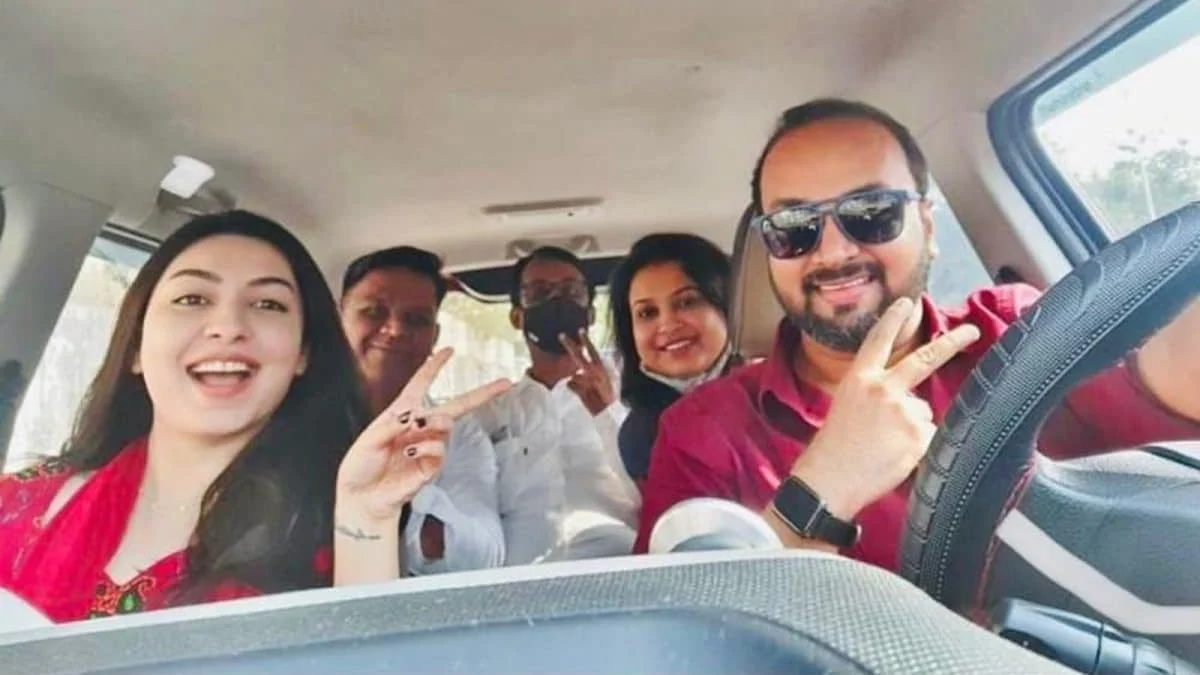
Mumbai, India — As the sun rises over the sprawling skylines of Mumbai, Bengaluru, and Delhi, a quiet revolution is taking place on the asphalt. For decades, the status symbol of the Indian middle class was the single-occupancy private vehicle. Today, that symbol is being recalibrated. Driven by the twin pressures of skyrocketing fuel costs and soul-crushing traffic congestion, thousands of urban professionals are abandoning the isolation of the driver’s seat for the collaborative efficiency of carpooling.
This shift is not merely a matter of convenience; it is becoming a socio-economic necessity. With the Indian government, led by Prime Minister Narendra Modi, intensifying its push for fuel conservation and sustainable urban living, the "empty back seat" is increasingly viewed as a wasted resource. Leading this charge are community-driven platforms like LiftLelo, which has built a network of over 35,000 commuters across Maharashtra’s industrial heartlands, signaling a fundamental change in how India moves.
Main Facts: The Drivers of Change
The surge in carpooling adoption in 2026 is anchored by three primary factors: economic volatility, infrastructure strain, and a cultural pivot toward the sharing economy.
1. The Economic Burden of Solo Commuting
Fuel prices have reached a critical threshold where daily solo commuting is no longer viable for a significant portion of the workforce. With petrol and diesel prices hovering at historic highs, the monthly transport budget for an average commuter traveling 40–60 kilometers daily has nearly doubled over the last three years. Carpooling allows users to split these costs, often reducing their monthly fuel expenditure by 50% to 75%.
2. The Infrastructure Bottleneck
Despite massive investments in metros and coastal roads, the sheer volume of private vehicles continues to outpace road capacity. In cities like Mumbai and Bengaluru, peak-hour traffic has reached a point where "travel time" is often double the "distance time." By increasing vehicle occupancy, carpooling platforms are effectively removing thousands of cars from the road every morning, offering a micro-solution to a macro-problem.
3. The Tech-Enabled Community
Platforms such as LiftLelo, Quick Ride, and sRide have moved beyond simple "ride-sharing" to create "commuter communities." LiftLelo, for instance, focuses on route-based matching that connects professionals working in the same hubs—such as the Bandra-Kurla Complex (BKC) in Mumbai or Hinjewadi in Pune. This ensures that carpooling is not just a transaction between strangers, but a structured arrangement between peers.
Chronology: From Informal "Lifts" to Tech-Driven Networks
The evolution of carpooling in India has transitioned through several distinct phases:
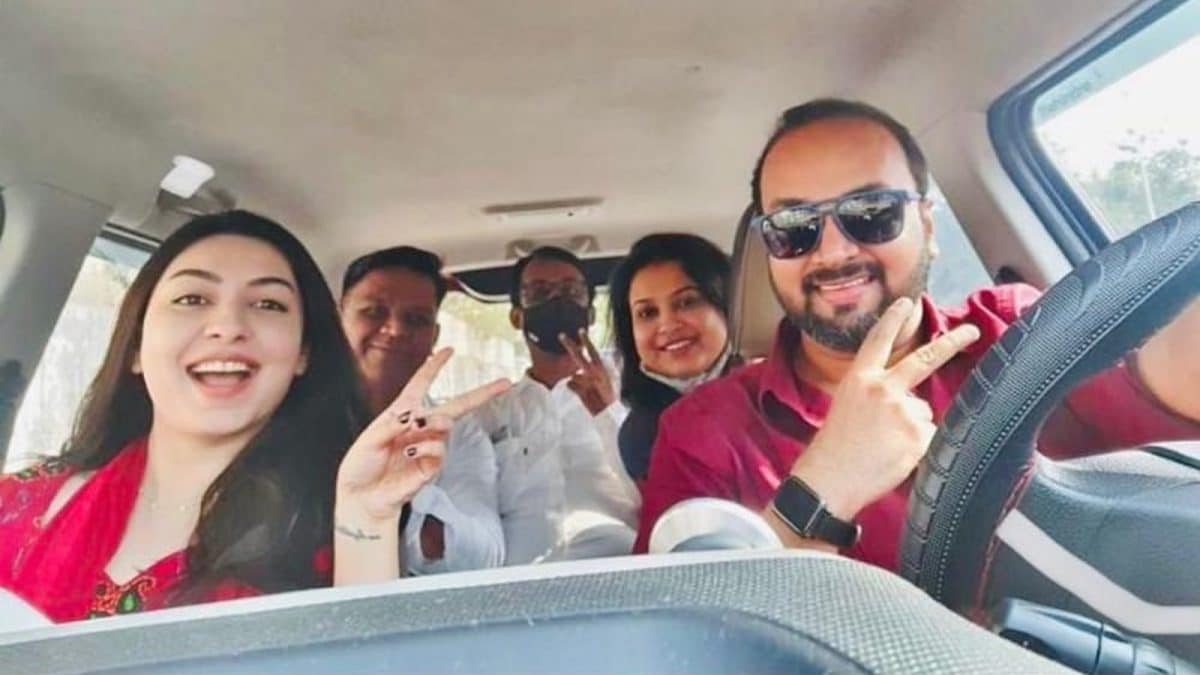
- 2015–2017: The Nascent Stage: Early players like BlaBlaCar introduced the concept of inter-city ride-sharing. Locally, commuters began using informal WhatsApp and Facebook groups to find rides. LiftLelo was founded in 2017 during this period, starting as a small-scale coordination effort in Mumbai to help office-goers find reliable travel partners.
- 2018–2020: Consolidation and Growth: Platforms began integrating office email verification and GPS tracking. The focus shifted to "intra-city" daily commutes. LiftLelo expanded from Mumbai into Navi Mumbai and Thane, leveraging the massive flow of workers toward the city’s business districts.
- 2020–2022: The Pandemic Hiatus: The COVID-19 pandemic and the subsequent "Work From Home" (WFH) era saw a temporary decline in carpooling. However, this period allowed tech platforms to refine their safety protocols and verification algorithms.
- 2023–2025: The Post-Pandemic Resurgence: As offices mandated a return to physical workspaces, the sudden influx of vehicles led to unprecedented traffic jams. This, coupled with global oil price fluctuations, triggered a massive spike in carpool registrations.
- 2026: The Mainstream Shift: Carpooling is no longer seen as a "budget" option but as a responsible, high-tech way to commute. LiftLelo crosses the 35,000-user mark, and the government begins actively endorsing shared mobility as part of national fuel conservation goals.
Supporting Data: Mapping the Commuter Landscape
The scale of the carpooling movement is best understood through the lens of urban data. According to industry reports and platform metrics from LiftLelo, the impact of shared commuting is measurable and significant.
Urban Hotspots and Route Activity
The demand for carpooling is highest in corridors where public transport is either overcrowded or lacks "last-mile" connectivity.
- Mumbai/Navi Mumbai: Routes such as Kharghar to BKC and Thane to Lower Parel are the most active. Commuters on these routes report saving up to 90 minutes of daily travel stress by opting for carpools over multiple-transfer public transit.
- Pune: The Hinjewadi IT Park remains the epicenter of carpooling. With over 300,000 employees commuting to this hub, the "IT corridor" has seen a 40% year-on-year increase in shared rides.
- Bengaluru: The Outer Ring Road (ORR) and Whitefield corridors, notorious for some of the world’s slowest traffic, have become the primary markets for platforms like Quick Ride and sRide.
Impact Metrics
On average, a single carpool vehicle (with four occupants) replaces three additional cars on the road. For a network like LiftLelo with 35,000 users, this translates to:
- Reduced Emissions: An estimated reduction of thousands of tons of CO2 annually.
- Cost Savings: An average carpooler saves approximately ₹5,000 to ₹8,000 per month on fuel and maintenance.
- Parking Relief: Significant reduction in the demand for office parking spaces, which are at a premium in districts like South Mumbai and Gurgaon.
Official Responses: The Government’s Fuel Conservation Mandate
The rise of carpooling aligns perfectly with the current administration’s macro-economic goals. Prime Minister Narendra Modi has been vocal about the need for India to reduce its dependence on imported crude oil.
In a recent directive, the Prime Minister’s Office (PMO) emphasized that fuel conservation must become a "Jan Andolan" (People’s Movement). To lead by example, the PM recently ordered a reduction in the size of his own official convoy and urged Chief Ministers across India to adopt similar austerity measures.
"Every drop of fuel saved is a contribution to the national exchequer," the Prime Minister stated in a recent address. This high-level endorsement has provided a moral and civic impetus for carpooling. Urban planners and transport authorities are now looking at ways to provide "High Occupancy Vehicle" (HOV) lanes in major metros—a move that would give carpoolers a dedicated lane to bypass traffic, further incentivizing the shift.
Shailesh Dubey, the founder of LiftLelo, echoes this sentiment. Speaking on the platform’s mission, Dubey noted, "LiftLelo was created to solve the ’empty seat’ problem. We saw thousands of cars with just one person, while others struggled with expensive cabs or crowded trains. Our goal is to make carpooling the default choice for the Indian professional."

Implications: The Future of Urban Mobility
The long-term implications of the carpooling trend extend far beyond the individual commuter’s wallet.
1. Cultural Shift in Ownership
India is moving from a culture of "ownership" to a culture of "access." For the younger generation of workers (Gen Z and Millennials), owning a car is increasingly seen as a liability due to traffic and parking woes. Carpooling provides the comfort of a private vehicle without the associated stress of driving and maintenance.
2. Enhanced Safety and Trust
One of the historical barriers to carpooling in India was the "stranger danger" factor. However, 2026’s carpooling ecosystem has addressed this through:
- Corporate Verification: Users must verify their identity using official work email addresses.
- Community Moderation: Platforms like LiftLelo use active WhatsApp moderation and peer reviews to weed out bad actors.
- Gender-Specific Options: Many apps now offer "women-only" carpools to ensure safety and comfort for female commuters.
3. Technological Evolution
The next phase of carpooling will likely involve AI-driven "dynamic routing," where apps can predict traffic patterns and suggest the most efficient pickup points in real-time. Integration with corporate HR portals is also on the horizon, where companies may offer "green incentives" or carbon credits to employees who carpool.
Practical Guide: How to Join the Movement
For those looking to transition to shared commuting, the process has been streamlined through technology.
Step-by-Step Integration:
- Platform Selection: Download verified apps like LiftLelo (for Mumbai/Pune focus), Quick Ride, or BlaBlaCar.
- Verification: Complete your profile using a government ID and, crucially, your office email ID to build trust within the community.
- Route Mapping: Enter your home and office locations. The app’s algorithm will match you with users traveling on the same path at similar times.
- Coordination: Use in-app chat features to finalize pickup points. Experts suggest choosing a landmark (like a specific metro station or cafe) for consistency.
- Digital Payments: Most platforms now use integrated UPI wallets to handle the splitting of costs, removing the awkwardness of cash transactions.
Conclusion
As India’s urban centers continue to expand, the traditional model of "one person, one car" is reaching its breaking point. The convergence of high fuel prices, government-led conservation efforts, and innovative platforms like LiftLelo has created a tipping point. Carpooling is no longer just a way to save money; it is a civic contribution toward cleaner air, clearer roads, and a more sustainable Indian future. In the battle against urban gridlock, the most powerful tool may not be a new flyover, but the simple act of sharing a ride.
