

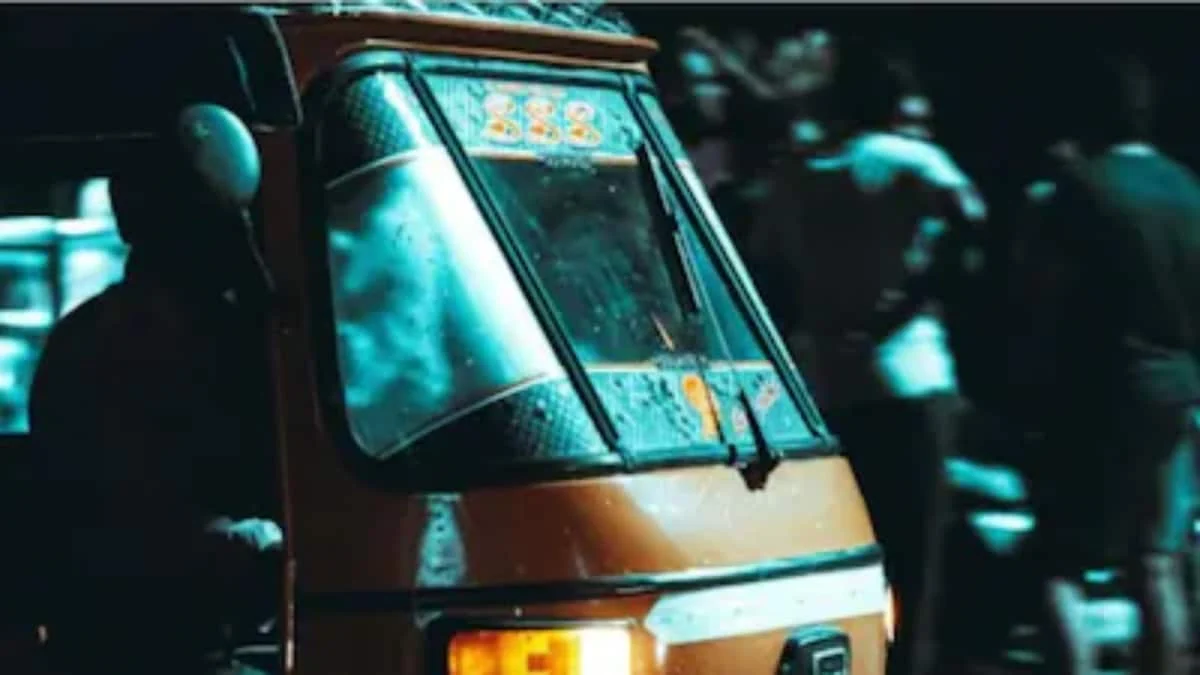
This enforcement drive marks one of the most significant interventions in recent years, signaling a shift in the city’s approach to regulating its informal transit sector. As of mid-May 2026, the BTP has signaled that the era of "unchecked discretion" for auto drivers is coming to a close, as authorities utilize both traditional patrolling and modern reporting mechanisms to restore order to the city’s transit ecosystem.
Main Facts: A Statistical Overview of the Crackdown
The scale of the enforcement action reflects the magnitude of the problem. According to official data released by the Bengaluru Traffic Police, a total of 2,988 cases were registered against auto-rickshaw drivers over the last quarter. This surge in enforcement is a direct consequence of a spike in commuter complaints received via social media, the BTP’s dedicated helpline, and on-ground reports.
The violations are categorized into two primary infractions that have long plagued the city’s commuters:
- Excessive Fare Demands: A total of 1,354 cases were filed against drivers for demanding fares significantly higher than those mandated by the government-approved meter rates. This includes the pervasive issue of "flat-rate" demands that ignore the meter entirely.
- Refusal to Ply: Perhaps the more frustrating of the two for daily commuters, 1,634 cases were registered against drivers who refused to take passengers to their requested destinations. This often occurs when a destination is deemed "too close," "too far," or located in an area with high traffic congestion.
The crackdown has been concentrated in high-traffic zones, including major railway stations (SBC, Yeshwantpur, and Cantonment), bus terminals like Majestic and Shantinagar, and the city’s tech corridors such as Whitefield, Outer Ring Road, and Electronic City.
Chronology: From Growing Resentment to Policy Action
The road to this massive enforcement drive began several months ago as the post-pandemic transport landscape in Bengaluru stabilized. While ride-hailing apps like Uber, Ola, and Namma Yatri provided some structure, a significant portion of the population still relies on hailing autos from the street.
- Early 2026: Commuters began reporting a systematic increase in "pre-emptive" night fares. While transport regulations strictly permit a "one-and-a-half" (1.5x) fare only after 10:00 PM, drivers in commercial hubs like Indiranagar and Koramangala were reportedly demanding these rates as early as 7:30 PM or 8:00 PM.
- March 2026: Social media platforms were flooded with accounts of "language-based targeting." Migrants and tourists, often unfamiliar with local Kannada or the standard geography of the city, reported being quoted fares triple the standard rate.
- April 2026: Following a series of viral videos showing heated exchanges between commuters and drivers, the Bengaluru Traffic Police announced a "Special Enforcement Drive." This involved deploying plainclothes officers at major junctions to monitor driver behavior firsthand.
- May 2026: The BTP consolidated its data for the three-month period, revealing the 2,988 bookings. On May 14, officials confirmed that the drive would not be a one-off event but a sustained campaign to ensure compliance with the Motor Vehicles Act.
Supporting Data: The Anatomy of the Violation
To understand why the police action was necessary, one must look at the data surrounding the "Night Fare" exploitation. Under the current Karnataka Transport Department rules, the base fare for the first 2 km is fixed at ₹30, with ₹15 for every subsequent kilometer. Between 10:00 PM and 5:00 AM, drivers are entitled to 1.5 times the meter reading.
However, the BTP’s investigation revealed that:
- Temporal Violation: Over 60% of the overcharging cases occurred between 6:00 PM and 9:30 PM, a window where peak-hour traffic is high, but standard rates still apply.
- Geographic Hotspots: The refusal-to-ply cases were most frequent in areas like Sarjapur and Bellandur, where drivers often refuse short-distance "last mile" trips from tech parks to residential layouts, preferring high-value long-distance fares.
- Demographic Vulnerability: A significant portion of the 1,354 overcharging cases involved passengers arriving at the KSR Bengaluru City Railway Station. These travelers, often carrying luggage and arriving from other states, were frequently coerced into paying "package rates" rather than meter-based fares.
Official Responses: Zero Tolerance for Harassment
The Bengaluru Traffic Police have been vocal about the objectives of this campaign. A senior traffic official, speaking on the condition of anonymity, noted that the primary goal is to re-establish the "sanctity of the meter."
"We have received thousands of complaints where commuters feel bullied into paying exorbitant amounts," the official stated. "The Motor Vehicles Act is clear: a public service vehicle cannot refuse a passenger without a valid reason, and they cannot charge a paisa over the regulated fare. We are using these 3,000 cases as a deterrent to the entire community."
The authorities have also emphasized the role of the public in this drive. The BTP has urged citizens to use the ‘Public Eye’ app and their Twitter (X) handle to report violations. For a complaint to be actionable, the police require:
- The vehicle registration number.
- The location and time of the incident.
- A brief description of the violation (refusal or overcharging).
Penalties for these offenses include hefty fines under the Motor Vehicles Act, and in cases of repeat offenders, the police have recommended the suspension of driving licenses and permits to the Regional Transport Office (RTO).
Perspectives: The Driver’s Dilemma and the Commuter’s Relief
While the crackdown has been widely cheered by the public, it has also sparked a necessary conversation about the economic pressures facing auto-rickshaw drivers.
The Honest Driver’s Stance:
Interestingly, many within the auto-driving community support the police action. "A few bad apples are ruining the name of all auto drivers in Bengaluru," said Manjunath, a driver with 20 years of experience. "When a driver asks for double the fare, the passenger gets angry at all of us. We want people to trust the meter again because that is our steady livelihood."
The Economic Reality:
However, some driver unions argue that the government has not adjusted the base fare in accordance with rising fuel prices and the cost of living in Bengaluru. They claim that "refusals" are often a result of drivers trying to avoid "dead mileage"—traveling to an area where they are unlikely to find a return passenger.
The Commuter’s Experience:
For commuters, the crackdown is a long-overdue relief. "I used to spend 20 minutes every evening arguing with five different drivers just to get home," said Ananya, a software professional in Mahadevapura. "Since the police started checking near the metro stations, I’ve noticed more drivers are willing to turn on the meter without a fight."
Implications: The Future of Urban Mobility in Bengaluru
The implications of this crackdown extend far beyond the 2,988 fines issued. It represents a critical moment for Bengaluru’s reputation as a global city.
- Impact on the Tech Economy: Bengaluru’s economy relies on the seamless movement of its workforce. Unreliable and predatory transport options act as a "tax" on productivity and decrease the quality of life, potentially deterring talent from moving to the city.
- The Shift to Digital Integration: This crackdown is likely to accelerate the adoption of app-based or "SaaS" (Software as a Service) models for autos. When street-hailing becomes a site of conflict, both drivers and passengers move toward platforms that offer transparent pricing and tracking.
- Policy Reform: The data gathered during these three months could serve as a foundation for the Transport Department to reconsider fare structures. If the data shows that certain routes are consistently "refused," it may indicate a need for different pricing tiers or better-integrated public transport in those specific zones.
- Strengthening Rule of Law: By consistently enforcing the Motor Vehicles Act, the BTP is sending a message that "customary" overcharging will no longer be tolerated as a norm. This strengthens the public’s trust in local governance and law enforcement.
Conclusion
The booking of nearly 3,000 auto-rickshaw drivers is a significant milestone in Bengaluru’s ongoing struggle with urban mobility. While the crackdown provides immediate relief to harassed commuters, the long-term solution lies in a balance between strict enforcement, fair economic incentives for drivers, and the continued expansion of the city’s metro and bus networks.
For now, the Bengaluru Traffic Police have made their stance clear: the streets of Bengaluru belong to the citizens, and the right to fair, respectful, and regulated transport is non-negotiable. As the special drive continues into the monsoon season—a time when auto-rickshaw demands and prices typically skyrocket—all eyes will be on the BTP to see if they can maintain this momentum and permanently change the commuting culture of India’s tech capital.
