

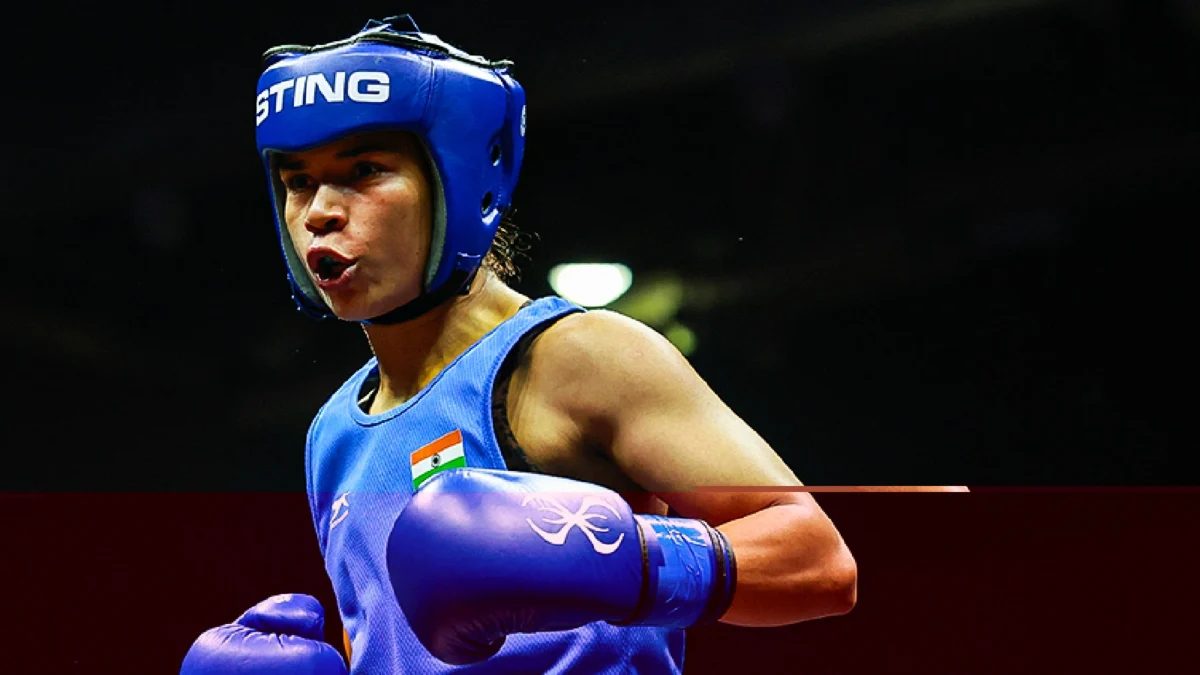
Patiala, India – May 14, 2026 – In a seismic upset that has sent ripples through the Indian boxing fraternity, two-time World Champion Nikhat Zareen’s aspirations for the upcoming Commonwealth Games and Asian Games were abruptly halted following a 1-4 defeat to the prodigious World Junior Champion Sakshi Chaudhary. The high-stakes semifinal bout in the 51-kg category, held at the National Institute of Sport in Patiala, marked a pivotal moment, not just for Zareen but for the evolving landscape of selection processes within Indian boxing.
Zareen, a beacon of consistency and a formidable force on the international stage, found herself on the losing end of a fiercely contested encounter, a result that underscores the burgeoning talent pool within the nation’s boxing ranks. The defeat means Zareen will miss out on representing India at two of the most prestigious multi-sport events on the global calendar, prompting immediate introspection and a recalibration of her future trajectory towards the ultimate goal: Olympic qualification.
The outcome also serves as a potent testament to the Boxing Federation of India’s (BFI) recent shift from a controversial assessment-based selection system to a more transparent, bout-driven trial format. This change, mandated by the Sports Authority of India (SAI) in response to widespread complaints of alleged bias and lack of transparency, has now delivered a consequence of immense sporting significance, proving that no athlete, regardless of their decorated past, is immune to the rigors of direct competition.
The Shockwave in Patiala: A Detailed Look at the Main Event
The air inside the National Institute of Sport in Patiala was charged with anticipation on May 14, 2026. All eyes were on the 51-kg semifinal bout, pitting the reigning two-time World Champion Nikhat Zareen against the rising star, World Junior Champion Sakshi Chaudhary. For Zareen, this was more than just another fight; it was a crucial gateway to securing her spot for both the Commonwealth Games and the Asian Games, tournaments where she was widely expected to vie for gold.
From the opening bell, the intensity was palpable. Zareen, known for her sharp footwork, intelligent counter-punching, and relentless aggression, faced a challenger who brought an equal measure of determination and youthful vigor. Sakshi Chaudhary, perhaps the underdog on paper given Zareen’s unparalleled international pedigree, demonstrated remarkable composure and tactical acumen. She moved with purpose, closing down angles, and landing precise combinations that kept Zareen on the defensive for crucial moments.
The bout progressed through three rounds of relentless action, each boxer trading blows and attempting to assert dominance. Zareen showcased flashes of her signature brilliance, weaving in and out, landing crisp jabs and powerful straight rights. However, Chaudhary matched her intensity, displaying an impressive work rate and a surprising ability to absorb pressure while continuing to press forward. Her punches seemed to carry significant impact, catching the judges’ attention.
When the final bell rang, signaling the end of the grueling contest, a collective hush fell over the venue. The decision, when announced, sent a wave of surprise through the audience and across social media platforms. Sakshi Chaudhary was declared the winner by a decisive 4-1 split decision, a scoreline that reflected her assertive performance and effective strategy against a highly decorated opponent. For Zareen, the verdict was a stark reminder of the unforgiving nature of elite sport, where past accolades offer no guarantees against present form and hungry challengers. The loss not only denied her a place in the finals of the trials but, more significantly, definitively ended her immediate hopes of competing at the Commonwealth and Asian Games.
Chronology of a Policy Shift and Nikhat’s Recent Struggles
The dramatic outcome of the 51-kg semifinal cannot be fully understood without delving into the recent tumultuous history of selection processes within the Boxing Federation of India (BFI) and Nikhat Zareen’s own journey leading up to these trials.
The BFI’s Controversial Assessment System
For a period leading up to these trials, the BFI had implemented an "assessment system" for selecting athletes for major international competitions. This system was designed to evaluate boxers based on a range of parameters, including sparring bouts, training performance, fitness levels, and a subjective appraisal by coaches and selectors. While proponents argued it allowed for a holistic view of a boxer’s readiness, critics vehemently opposed it, citing a severe lack of transparency and a significant potential for bias.
Complaints mounted from various quarters, with allegations ranging from favoritism to opaque scoring mechanisms. This simmering discontent eventually boiled over, attracting the attention of the Sports Authority of India (SAI), the apex national sports body. The SAI, keen on upholding principles of fairness and equity, intervened decisively, suspending the BFI’s assessment system and directing the federation to adopt a more objective, trial-based selection model. The mandate was clear: direct, head-to-head bouts with immediate declaration of winners would be the definitive method for selection. This intervention marked a turning point, signaling a commitment to a merit-based system where performance in the ring would be the sole determinant.
Nikhat Zareen’s Path to Patiala
Nikhat Zareen herself was no stranger to the nuances of the previous system. Earlier in the year, she had topped the BFI’s assessment process for the Asian Championships in Mongolia. This initial success had positioned her favorably, highlighting her consistent performance in training and internal evaluations. However, her campaign at the Asian Championships did not yield the desired outcome. She suffered a loss in the semifinals, which, under the BFI’s previous criteria, meant she missed out on an assured spot in the Indian team for the Commonwealth Games and Asian Games.
This loss was significant. Had she secured a gold or silver at the Asian Championships, her position for the multi-sport events might have been automatically confirmed, sparing her the intensity of these direct trials. Instead, her semifinal exit meant she, like all other contenders, had to prove her mettle in the newly instituted trial bouts. This created a scenario where a two-time World Champion was forced to navigate a challenging domestic field, under a new, unforgiving selection system, to earn her right to represent the nation.
The Return to the Drawing Board
Zareen’s defeat to Sakshi Chaudhary in Patiala thus represents a full circle moment for the BFI’s selection policy. The new system, born out of a desire for transparency, delivered an outcome that few would have predicted. For Nikhat, it means a period of intense reflection and recalibration. As she exits the immediate race for the Commonwealth and Asian Games, the imperative now shifts entirely towards preparing for the first Olympic Qualifier in April 2027, which will be the World Championships in Kazakhstan. This extended timeline offers her a crucial window to analyze her performance, address tactical shortcomings, and return stronger.
The "drawing board" for Zareen will involve a deep dive into her technique, strategy, and perhaps even her mental approach. The fierce domestic competition she faced underscores the fact that the gap between top-tier international athletes and ambitious national challengers is narrowing, demanding constant evolution and adaptation from even the most decorated champions.
Supporting Data: A Deep Dive into the 51kg Category and India’s Boxing Depth
Nikhat Zareen’s unexpected exit, while a personal setback, simultaneously illuminates the remarkable depth of talent burgeoning within Indian women’s boxing, particularly in the highly competitive 51-kg category. Far from being a one-off anomaly, the trial results underscore a broader trend of fierce competition and rising stars, a testament to the growth and development initiatives within the sport.
The Crucible of the 51kg Division
The 51-kg category at the Patiala trials was arguably one of the most stacked divisions, featuring a formidable lineup of accomplished athletes, each with significant international accolades. Zareen, as a two-time World Champion, was undoubtedly the marquee name, but her path was fraught with challenges from other decorated boxers:
- Sakshi Chaudhary: The young phenom who ultimately defeated Zareen. Chaudhary is not merely a "World Junior Champion" but also a 2025 World Cup medalist and a World Championships quarter-finalist in the 54 kg category from last year. Her decision to drop down to the 51 kg category for these trials immediately signaled her ambition and the intense competitive environment Zareen faced. Chaudhary’s victory is not just an upset; it’s a validation of her strategic weight switch and her ability to perform under immense pressure against the very best.
- Minakshi Hooda: Another formidable presence, Hooda is the 2025 48kg World Champion. Her presence in the 51kg category further intensified the competition. The fact that she had to move up a weight class to compete for these spots speaks volumes about the congestion of talent at various weight divisions. Minakshi’s prowess was evident as she defeated another strong contender, Nitu Ghanghas, in an earlier bout, showcasing her own championship pedigree.
- Nitu Ghanghas: The 2022 Commonwealth Games champion in her weight class, Nitu represented another significant hurdle. Her defeat to Minakshi Hooda prior to the semifinals highlighted that even established champions faced an uphill battle in this trial. Nitu’s aggressive style and proven international success made her a serious contender, underscoring that every bout in this category was a high-stakes affair.
The presence of such a high caliber of boxers in a single weight category is a double-edged sword for Indian boxing. While it ensures that only the absolute best represent the nation, it also means that highly decorated athletes might miss out on major events due to the sheer strength of domestic competition. This internal rivalry, however, is a potent catalyst for pushing athletes to continually elevate their performance levels.
Other Notable Results from the Trials
The trials weren’t just about the 51kg category. Other results further demonstrated the depth across various divisions:
- In the men’s 55kg category, Jadumani Singh secured a hard-fought 3-2 victory over Pawan Bartwal to advance to the final, indicating tight contests even in the lighter men’s divisions.
- Sumit Kundu showcased his strength in the men’s 70kg semifinals, overcoming Hitesh Gulia, further solidifying his position as a contender in his category.
- Former world youth champion Jyoti Gulia, who had previously lost in the assessment for the Asian Championships in the 51kg, was also competing in these trials. Her journey, however, was cut short as she went down to Minakshi Hooda in the quarter-finals, underscoring the relentless nature of the competition even for past champions.
Nikhat Zareen’s Legacy and the Pressure Cooker
Nikhat Zareen’s journey to becoming a two-time World Champion is a story of grit, resilience, and exceptional talent. She has not only overcome formidable international opponents but also navigated significant challenges within the domestic selection system throughout her career. Her triumphs have inspired countless aspiring boxers and brought immense pride to the nation.
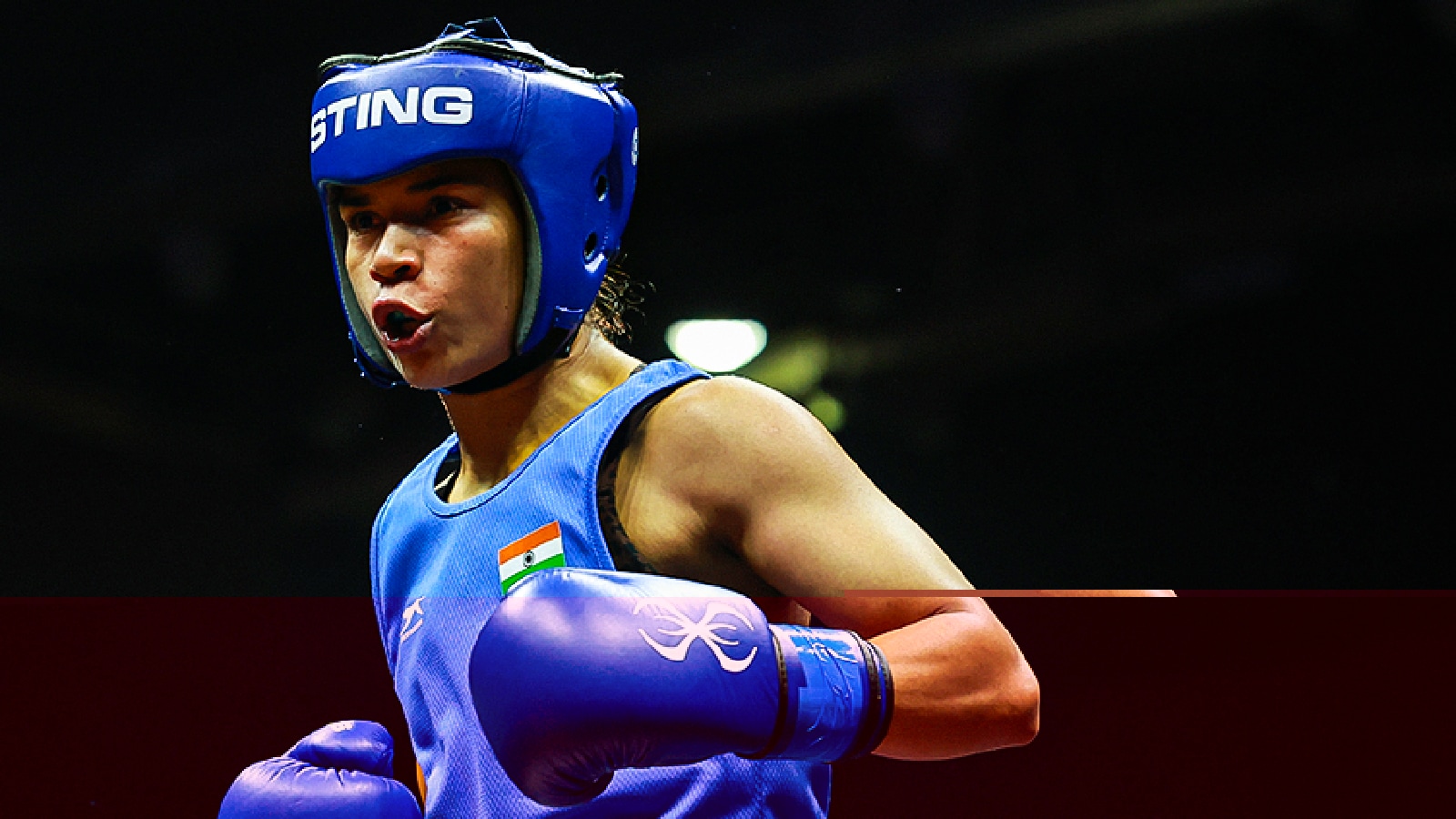
However, with great success comes immense pressure. As a leading face of Indian boxing, expectations on Zareen are always sky-high. The constant demand to perform, to justify her position, and to continually improve places a significant mental and physical toll on athletes. These trials, coming after her setback at the Asian Championships, placed her under an intense spotlight, where every punch and every decision carried immense weight. Her journey has been one of overcoming injuries, battling for recognition, and consistently proving her mettle, making this latest setback a particularly poignant moment in her illustrious career.
The competitive ecosystem within Indian boxing, especially in the women’s categories, has matured significantly. The days when a few dominant figures could hold sway for extended periods are giving way to an era of fierce internal competition, where multiple medal contenders vie for limited international spots. This ultimately bodes well for India’s prospects on the global stage, as only the most battle-hardened and sharpest athletes emerge from such a demanding selection process.
Official Responses: Coaching Insights and Strategic Outlook
The immediate aftermath of Nikhat Zareen’s defeat prompted a candid assessment from Santiago Nieva, the head coach of the Indian women’s boxing team. His observations provide valuable insight into Zareen’s performance, the quality of her opponent, and the strategic roadmap for her future. Nieva’s perspective, honed by years of experience at the highest levels of international boxing, offers a nuanced understanding of what transpired and what lies ahead.
Santiago Nieva on Nikhat’s Performance and Needed Adjustments
Nieva did not shy away from acknowledging the significance of the outcome, emphasizing the competitive nature of the new trial system. "She has to prove she is better than the other girls," Nieva told The Indian Express, highlighting the non-negotiable principle of direct merit in the new selection regime. He contrasted her current performance with past evaluations: "In the last assessment, she did slightly better than her competitors. This time, she lost in a close bout." This observation confirms that Zareen’s form was indeed strong previously, but on the day, Sakshi Chaudhary simply edged her out.
The coach was clear about the path forward for the two-time World Champion. "So, she needs to remain focused and make some adjustments," he advised. This points to a need for specific technical and tactical refinements rather than a wholesale overhaul. Nieva’s assessment of Zareen’s boxing style offered further detail. "I would say when she is boxing from outside, she does very well. But there is always a scope for improvement. And her offensive game has improved a lot. But today she would have needed a little more consistency in her offensive game. She needs to keep working on those things, and sometimes small adjustments and improvements can make the difference."
This detailed feedback suggests that while Zareen possesses exceptional defensive skills and a strong command from a distance, her offensive output, particularly its sustained nature throughout a bout, needs enhancement. In close contests decided by fine margins, a more consistent and impactful offensive game can tip the scales. Nieva’s emphasis on "small adjustments" indicates that Zareen is already operating at an elite level, and incremental refinements, rather than fundamental changes, are what’s required to regain her competitive edge.
Nieva’s Praise for Sakshi Chaudhary and Depth of Talent
While addressing Zareen’s setback, Nieva was equally effusive in his praise for Sakshi Chaudhary, acknowledging the quality of the winning performance. "It was a good bout. Sakshi played very well," he stated, giving credit where it was due. He further elaborated on Chaudhary’s sharpness, which proved decisive on the day: "But Sakshi was very sharp today and managed to win."
Nieva also underscored the impressive depth of talent within the 51-kg category, which he described as boasting "many potential medalists." This reinforces the notion that Zareen’s defeat is not an indictment of her abilities but rather a reflection of the exceptionally high standards and intense competition among India’s elite women boxers. The coach’s remarks suggest a healthy competitive environment, which ultimately benefits the national team’s prospects on the international stage.
Looking Ahead: The Olympic Qualifier
Crucially, Nieva provided a long-term perspective on Zareen’s career, assuring that this setback is not insurmountable. "Keeping in mind the first Olympic Qualifier is in April 2027, which is the World Championships in Kazakhstan, she would have plenty of time to make a comeback," he affirmed. This timeline offers Zareen a significant window—nearly a year—to regroup, train intensively, implement the necessary adjustments, and prepare for the most important competition on the Olympic cycle. The focus now shifts from immediate multi-sport games to the ultimate prize: qualification for the Paris 2028 Olympic Games. This strategic outlook provides a clear objective and a structured pathway for Zareen to channel her efforts and resolve.
BFI’s Stance (Hypothetical)
While the article doesn’t provide direct quotes from BFI officials, it’s reasonable to infer their perspective based on their recent policy changes. A BFI official might express satisfaction with the new trial system, emphasizing its role in fostering fair play and transparency. They would likely highlight that the system is designed to identify the best in-form athletes, irrespective of past achievements, and that the outcome, while surprising, is a direct result of this merit-based approach. They might also reiterate their confidence in all selected athletes to perform well at the Commonwealth and Asian Games, while supporting Zareen in her journey towards Olympic qualification. The BFI’s stance would likely be one of upholding the integrity of the new system, even when it leads to unexpected results involving their most celebrated athletes.
Implications: The Road Ahead for Nikhat, Sakshi, and Indian Boxing
The outcome of the 51-kg semifinal trials carries significant implications, not only for the athletes directly involved but also for the broader landscape of Indian boxing. It signals a shift in power dynamics, validates a new selection methodology, and sets the stage for intensified competition on the domestic and international fronts.
For Nikhat Zareen: A Period of Reflection and Reinvigoration
For Nikhat Zareen, the immediate implication is profound disappointment and a necessary return to the "drawing board." Missing out on both the Commonwealth Games and Asian Games, events where she was a strong medal contender, is a significant blow to her competitive calendar and personal aspirations for 2026. However, Nieva’s clear roadmap towards the April 2027 World Championships in Kazakhstan (the first Olympic Qualifier) provides a crucial silver lining and a defined objective.
Her focus will now entirely shift to this ultimate goal. This extended period, free from the immediate pressures of CWG and Asian Games, could paradoxically benefit her. It allows for a more comprehensive and unhurried approach to training, tactical adjustments, and mental preparation. Zareen will need to:
- Analyze her performance: A meticulous review of her bout against Sakshi, identifying specific areas where she was outmaneuvered or lacked consistency.
- Refine her offensive game: As suggested by Nieva, enhancing the consistency and impact of her attacking sequences will be paramount. This might involve developing new combinations, improving her power delivery, or adapting her rhythm.
- Mental fortitude: Overcoming such a public setback requires immense mental strength. Rebuilding confidence and maintaining focus will be critical as she gears up for the Olympic qualifiers.
- Strategic adaptation: The competitive landscape is evolving. Zareen will need to adapt her strategy to counter emerging talents and new styles, ensuring she remains at the forefront of the sport.
This phase could serve as a powerful period of reinvention for Zareen, ultimately making her a more formidable and well-rounded boxer for the 2028 Olympic cycle.
For Sakshi Chaudhary: A Stardom in the Making
For Sakshi Chaudhary, the implications are overwhelmingly positive. This victory is a career-defining moment, catapulting her from a promising junior into a national senior team contender.
- International Debut at a High Level: She will now represent India at two major international multi-sport events, offering her invaluable experience against elite global competition. This exposure is crucial for her development.
- Confidence Boost: Defeating a two-time World Champion will undoubtedly imbue her with immense confidence, validating her strategic move to the 51kg category and her rigorous training.
- Increased Scrutiny and Pressure: With this victory comes increased scrutiny and expectations. She will now be viewed as a medal prospect, and the pressure to perform will be significant.
- Pathway to Olympics: Her success positions her favorably for future Olympic qualification cycles, establishing her as a serious contender in the 51kg division.
Chaudhary’s ascent signifies the emergence of a new generation of talent ready to challenge the established order, keeping the competition healthy and dynamic.
For Indian Boxing: Validation and a Competitive Future
The outcome of these trials has several broader implications for Indian boxing:
- Validation of BFI’s New Trial System: The most immediate implication is the apparent validation of the BFI’s shift to a direct trial system. Despite the upset, the result lends credibility to the process, suggesting it is indeed transparent and merit-based, addressing past criticisms of bias. It demonstrates that the federation is serious about selecting the best in-form athletes.
- Depth of Talent: The intense competition in the 51kg category, featuring multiple World Champions and CWG medalists, underscores the remarkable depth of talent within Indian women’s boxing. This robust internal competition is a healthy sign for the sport, as it pushes athletes to continually raise their game.
- Increased Global Prospects: When domestic competition is this fierce, it naturally prepares athletes for the rigors of international tournaments. The boxers who emerge from such a demanding selection process are likely to be more resilient, tactically astute, and mentally tough, thereby enhancing India’s medal prospects on the global stage, including at the Olympics.
- Evolving Landscape: The era of undisputed champions holding their spot for extended periods might be nearing its end, especially in certain weight categories. The fluidity of selection ensures that young, hungry talent can break through, creating a more dynamic and unpredictable competitive environment.
The Unpredictable Nature of Elite Sports
Ultimately, Zareen’s defeat serves as a powerful reminder of the inherent unpredictability of elite sports. Past glories, while celebrated, do not guarantee future success. Every competition is a fresh challenge, demanding peak performance and unwavering focus. It highlights the constant need for adaptation, the relentless pursuit of improvement, and the unforgiving nature of direct competition where a fraction of a second or a subtle tactical advantage can determine the victor.
As Nikhat Zareen embarks on her new journey towards the Olympic qualifiers, and Sakshi Chaudhary prepares to make her mark on the Commonwealth and Asian Games, the landscape of Indian boxing has undoubtedly been reshaped. This event in Patiala will be remembered not just for an upset, but as a testament to the sport’s evolving dynamics and the boundless talent within the nation.
