

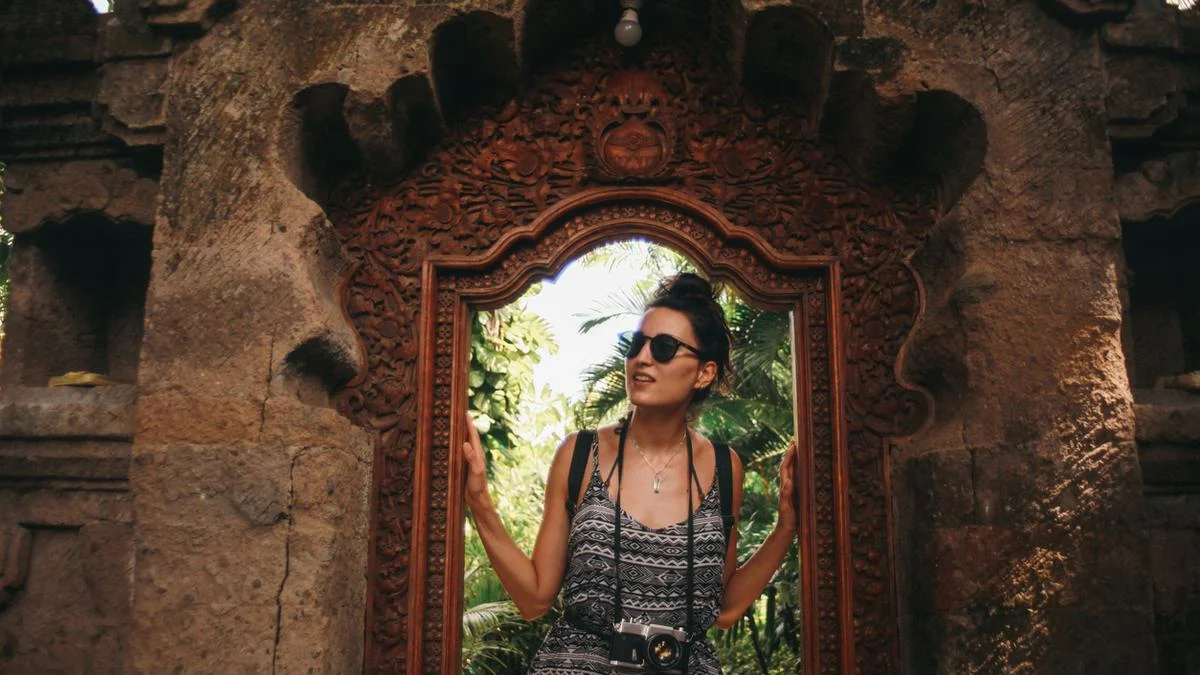
DENPASAR, INDONESIA — For Rajesh and Aarti, a newly married couple from the bustling streets of Delhi, the island of Bali represents far more than a pin on a map or a collection of picturesque beaches. To them, Indonesia’s premier tourist province is a "liberating getaway"—a rare geography where they can splurge on luxury, shed the social inhibitions of home, and embrace a sense of unbridled self.
Contrast this with the perspective of Hari bhau and his wife, an elderly couple from rural Maharashtra. For them, Bali’s allure is not in the "jungle swings" or high-octane water sports, but in its spiritual pulse. At a natural hot spring nestled in the Balinese highlands, Hari bhau plunges into the sulfur-rich waters with youthful abandon. His wife hesitates, bound by the modesty typical of her village upbringing, until he gently pulls her in. Moments later, she is swimming with practiced ease. "I learned in my village lake," she admits with a smile, noting that such a public display of freedom would be unthinkable back home in the presence of extended family.
These stories illustrate a growing trend: Bali is no longer just a backpacker’s haven or a surfer’s paradise. It has successfully repositioned itself as a clean, hospitable, and affordable multi-generational destination. As the island emerges from the economic shadows of the COVID-19 pandemic, it is increasingly leaning into its role as a premier "accessible international experience" for Indian travelers, who now constitute one of the island’s most vital demographics.
I. Main Facts: The Strategic Pivot of Balinese Tourism
Bali’s post-pandemic recovery has been nothing short of strategic. While much of the world’s tourism industry struggled with erratic reopening schedules, Bali focused on a "Quality Tourism" initiative. This approach emphasizes the island’s unique cultural identity—predominantly Hindu in a nation that is the world’s most populous Muslim-majority country—as its primary selling point.
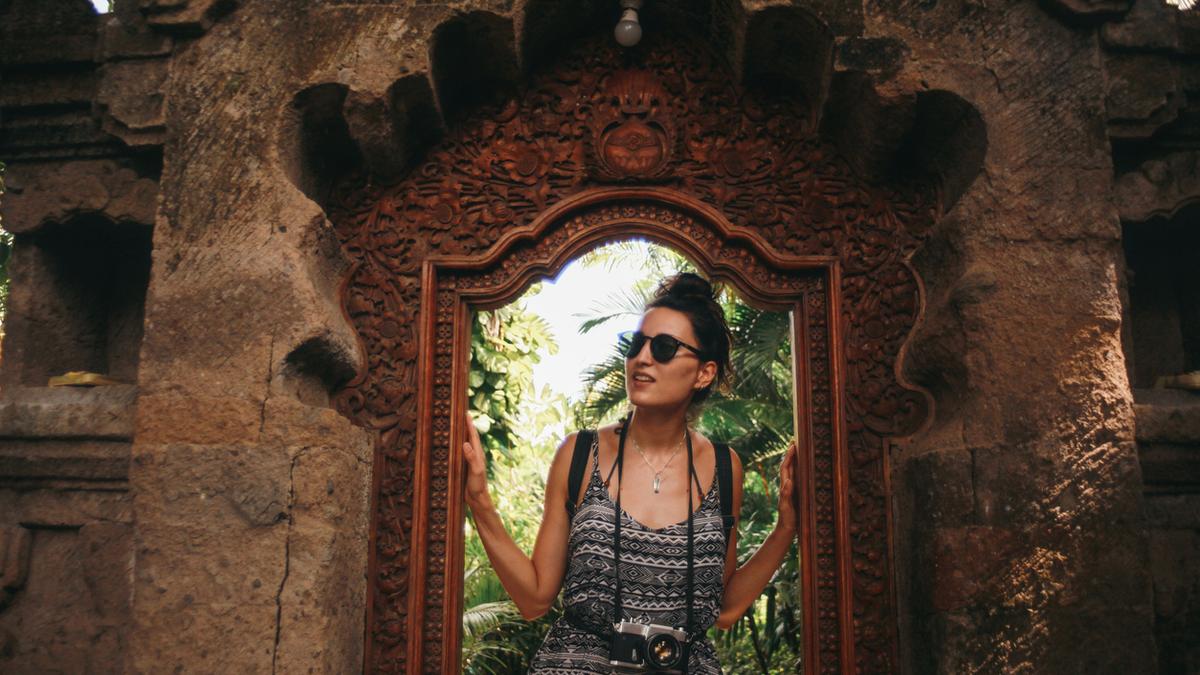
The Indian Connection
According to recent tourism data, Indian visitors have surged to become the third-largest group of international arrivals in Bali, trailing only behind Australians and the Chinese. This shift is driven by several factors:
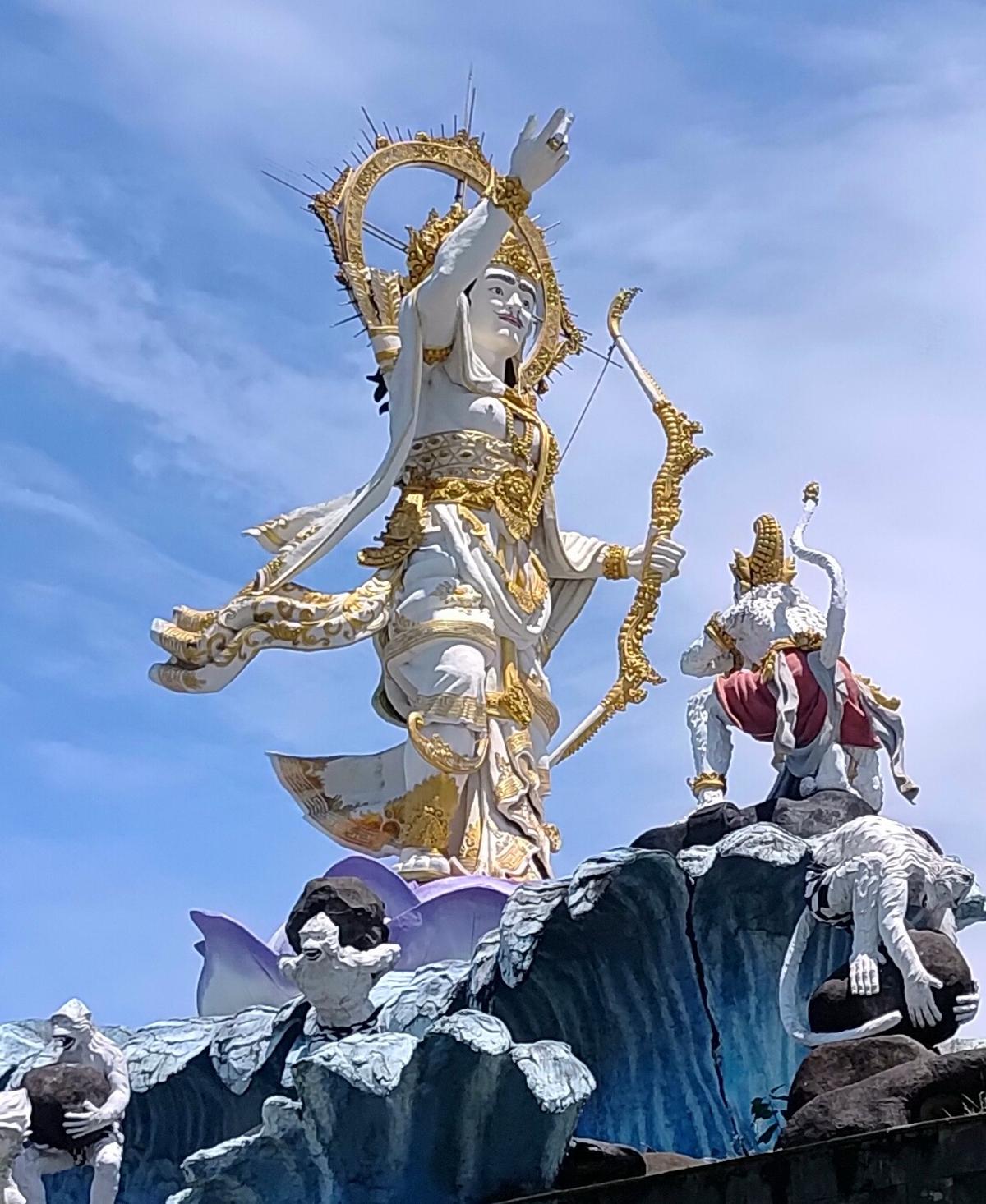
- Cultural Synchronicity: The ubiquity of the Ramayana and Mahabharata in Balinese life provides a sense of "familiar exoticism" for Indians.
- Economic Accessibility: The strength of the Indian Rupee against the Indonesian Rupiah allows for a "luxury for less" experience.
- Connectivity: Enhanced flight routes via hubs like Singapore’s Changi Airport have made the journey seamless.
II. Chronology: A Journey from the Spiritual to the Surreal
The journey to Bali often begins before the wheels touch the tarmac at Ngurah Rai International Airport. For many, like this correspondent, the trip is born of impulse or spiritual seeking.
The Transit Experience
The voyage typically involves a layover at Singapore’s Changi Airport. Described frequently as a destination in itself, Changi serves as a psychological palate cleanser. After an overnight stay amidst its indoor forests and high-tech terminals, the final leg to Denpasar introduces the traveler to the Balinese climate: a humid, aromatic embrace of tropical rains and lush greenery.
Arrival and the First Impression
Driving through Kuta and Seminyak, the first-time visitor is immediately struck by the landscape’s visual density. Unlike many Western-style resorts where religion is relegated to specific buildings, Bali’s spirituality is architectural and atmospheric. Stone-carved statues of deities stand guard at every crossroads, sidewalk, and hotel entrance.

From South to North: The Cultural Ascent
The journey usually moves from the coastal energy of the south to the cultural heart of the island: Ubud.
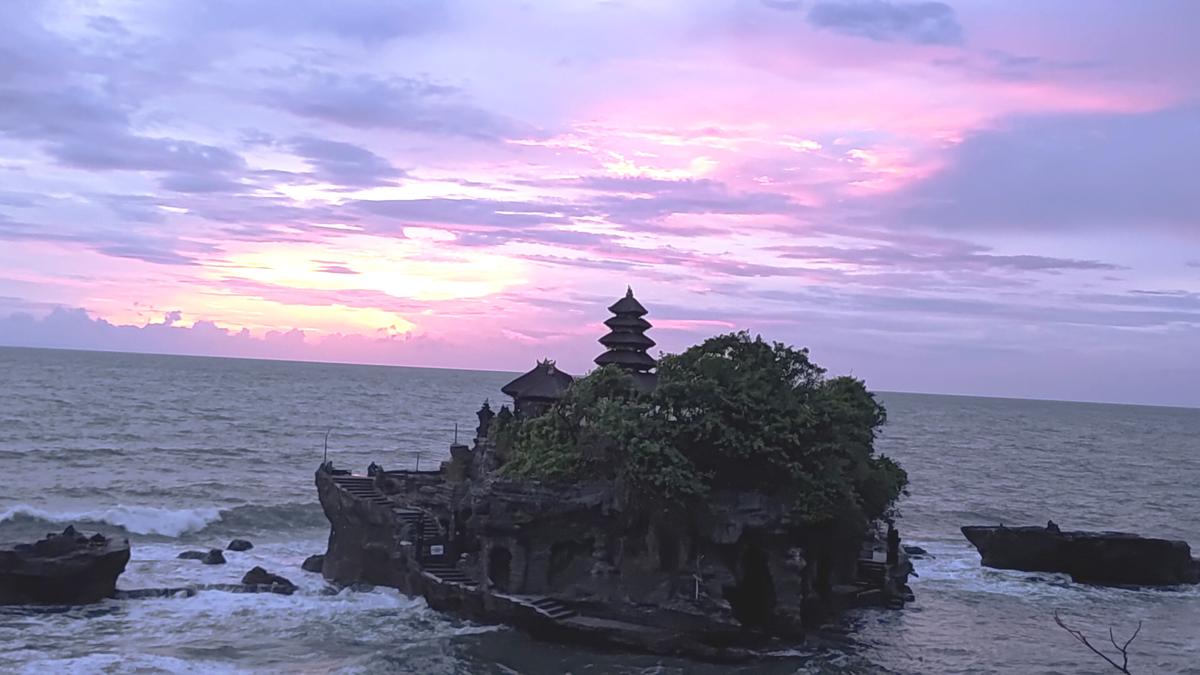
- Uluwatu & Melasti: The initial days are often spent on the southern cliffs. At Melasti Beach, the Indian Ocean presents a dramatic turquoise front. Nearby, the Uluwatu Temple, perched precariously on a limestone cliff, hosts the Kecak fire dance at sunset—a rhythmic, choral retelling of the Ramayana that serves as a visceral introduction to Balinese performance art.
- The Temple Trail: Travelers then move inland to sites like Tirta Empul, where the holy spring water is used for ritual purification. While visitors are often restricted from the innermost sanctums, the sight of local couples performing post-wedding rituals offers an intimate window into the island’s living traditions.
- The Northern Wilderness: Moving further north, the landscape shifts to the dramatic. The Gitgit Waterfalls require a slippery trek through dense forest. It is here that the camaraderie of the road manifests; groups of travelers from Tamil Nadu often warn newcomers of treacherous paths, creating a temporary, cross-continental community in the heart of the jungle.
III. Supporting Data: The Architecture of Identity
Bali’s ability to host millions without losing its soul is not accidental. It is the result of a conscious effort to preserve the "Balinese-ness" of the island.
Language and Visual Identity
Tour guide Eka explains that the prevalence of Balinese script on signboards—often placed above the Roman alphabet—is a deliberate policy. "We want to ensure our identity is not swallowed by global attention," Eka says. This sentiment is echoed by Kadek Salen, a native resident, who explains that the daily offerings (Canang sari) seen on every doorstep are not "burdensome rituals" but symbols of gratitude to ancestors.
The Subak System: A UNESCO Legacy
The island’s famous terraced rice fields, such as those in Tegalalang, are more than just photo opportunities. They are maintained through the Subak system, a traditional ecological irrigation method that dates back to the 9th century. This system embodies the Balinese philosophy of Tri Hita Karana, which emphasizes harmony between humans, nature, and the divine.
Culinary Adaptability
The economic impact of the Indian traveler is perhaps most visible in the culinary landscape. While Balinese cuisine is traditionally non-vegetarian, the island has seen a "vegetarian explosion." From high-end resorts in Seminyak to small warungs (cafes) in Ubud, vegetarian and vegan options are now standard, catering specifically to the dietary requirements of the Indian diaspora.
IV. Official Responses: Hospitality as a Cultural Mandate
Local officials and tourism stakeholders have emphasized that Bali’s post-pandemic strategy relies on "High-Touch" hospitality.
"Our culture is our currency," says a representative of the local tourism board. The focus has shifted from merely increasing "headcounts" to increasing "length of stay." This is achieved by diversifying the itinerary. No longer is Bali just a beach destination; it is now marketed as a wellness hub (spas and hot springs), an agricultural destination (coffee plantations and kopi luwak production), and an adventure outpost (Mount Batur).
The Mount Batur Phenomenon
The pre-dawn excursion to Mount Batur, an active volcano, has become a cornerstone of the Balinese experience. Local cooperatives manage the rugged jeep drives across hardened lava fields. The "collective gasp" of hundreds of tourists from across the globe as the sun rises over the caldera is a testament to the island’s universal appeal. It is a moment of rare stillness that local guides use to educate visitors on the island’s volcanic geology and its role in keeping the soil fertile for the ubiquitous rice and fruit plantations.

V. Implications: The Future of the Bali-India Corridor
The deepening relationship between Bali and the Indian traveler has significant implications for the future of regional tourism.
1. The "Home Away From Home" Effect
As the writer notes, sipping coconut water on a ranch in the remote island of Nusa Penida feels "unmistakably like home." This psychological comfort is a powerful driver for repeat tourism. For Indians, Bali offers the prestige of an international vacation with the soul of a domestic pilgrimage.
2. Sustainable Development Challenges
The sheer volume of tourism brings challenges. The "curated" nature of the vistas and the fact that almost every experience is now ticketed raises questions about the commercialization of the sacred. However, the Balinese model of "welcoming without losing oneself" provides a blueprint for other cultural hubs. By integrating religious imagery into public spaces and maintaining the Subak system, Bali ensures that tourism serves the culture, rather than the other way around.
3. Economic Resilience
By diversifying its source markets—specifically targeting the burgeoning Indian middle class—Bali has insulated itself against the volatility of Western or North Asian markets. The island’s abundance, from its fields of mangosteen and durian to its silver and batik artisans, ensures that the "tourist dollar" is distributed across multiple sectors of the local economy.
Conclusion: A Feeling That Lingers
Ultimately, Bali’s success lies in its ability to be different things to different people. To the newlyweds from Delhi, it is a playground. To the elderly couple from Maharashtra, it is a sanctuary. To the spiritual seeker, it is a classroom.
As the turquoise waves crash against the white sands of Broken Beach and Crystal Bay in Nusa Penida, one realizes that Bali is not merely a destination to be checked off a list. It is a sensory experience—a "feeling," as the locals say—that lingers long after the flight home. Like the echo of the waves retreating into the Bali Sea, the island leaves an indelible mark on the traveler, promising that no matter how much the world changes, the "Island of the Gods" remains a place where one can truly be oneself.
The author is a senior journalist based in New Delhi, specializing in international travel and cultural trends.
