

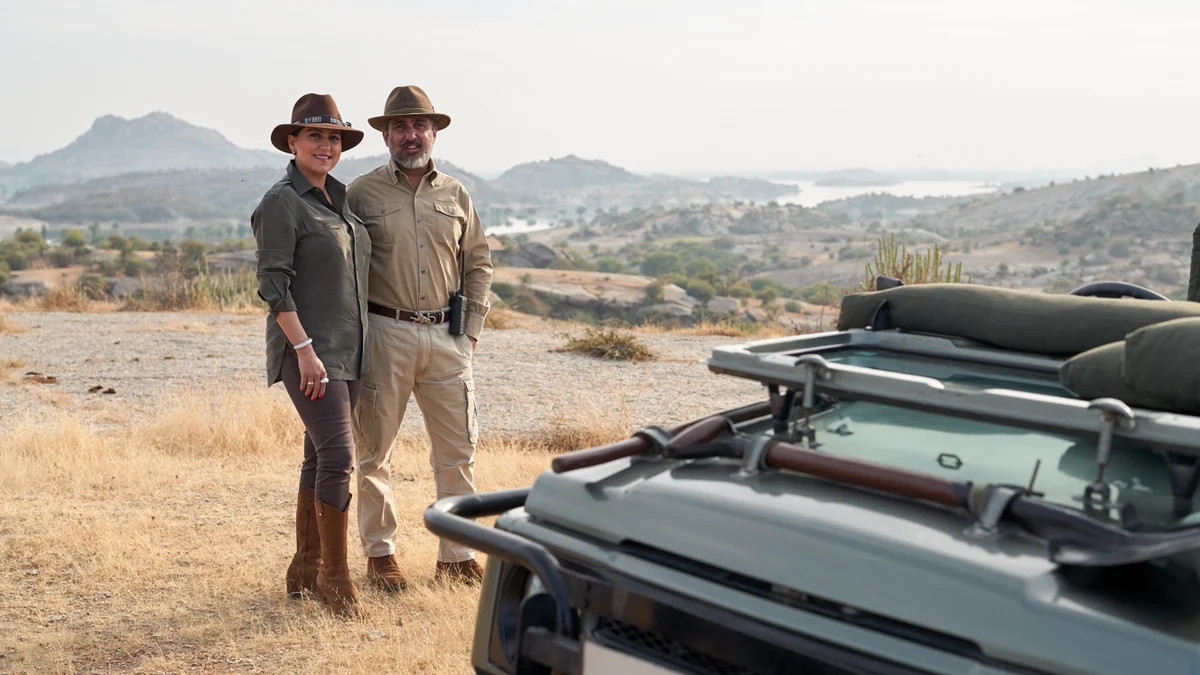
In the heart of Rajasthan’s rugged terrain, where the dry deciduous forests of Ranthambore meet the vindhyas, a transformation is unfolding. What began as a childhood spent under the canopy of a grand banyan tree has evolved into a global blueprint for high-end eco-tourism. Jaisal Singh, the founder of SUJÁN, is not merely a courtier of luxury; he is a conservationist who views hospitality as the primary engine for ecological preservation.
As India prepares to host the International Big Cat Summit in New Delhi, the dialogue surrounding wildlife protection is shifting. It is no longer just about fences and patrols; it is about community integration, sustainable commerce, and the "rewilding" of degraded landscapes. Through his flagship property, Sujan Sher Bagh, and a growing portfolio of international projects, Singh is challenging the status quo of the Indian safari industry.
I. Main Facts: The Intersection of Heritage and Conservation
The story of SUJÁN is inextricably linked to the history of Ranthambore National Park. Jaisal Singh’s upbringing was anything but conventional. While his peers were navigating the urban sprawl of mid-century Delhi, Singh was walking the length and breadth of one of India’s most iconic tiger habitats. His parents, both acclaimed filmmakers, and his uncle, the legendary wildlife conservationist Valmik Thapar, established the Ranthambore Foundation, an NGO dedicated to the symbiotic relationship between local communities and the forest.
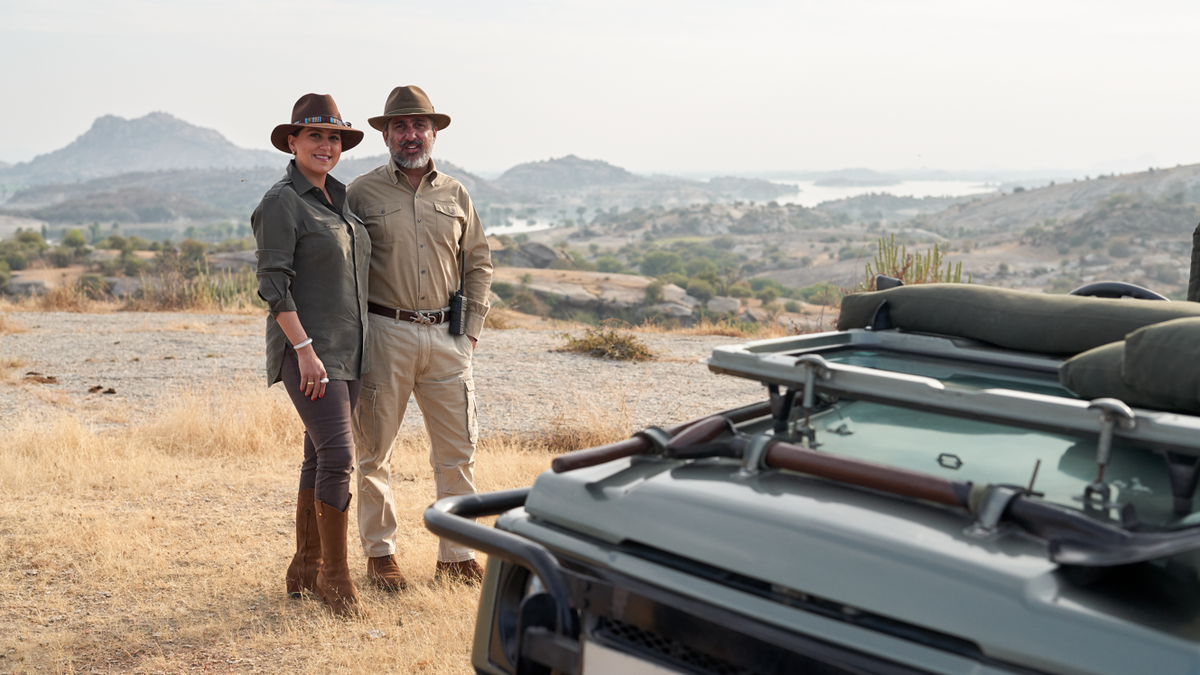
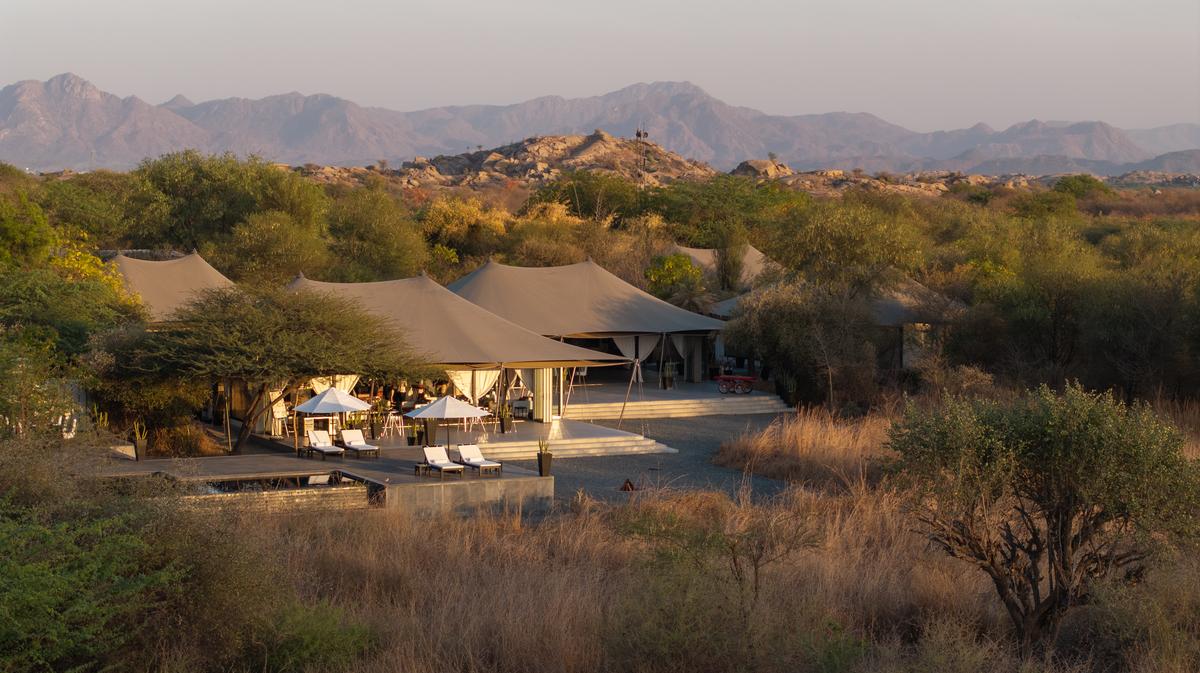
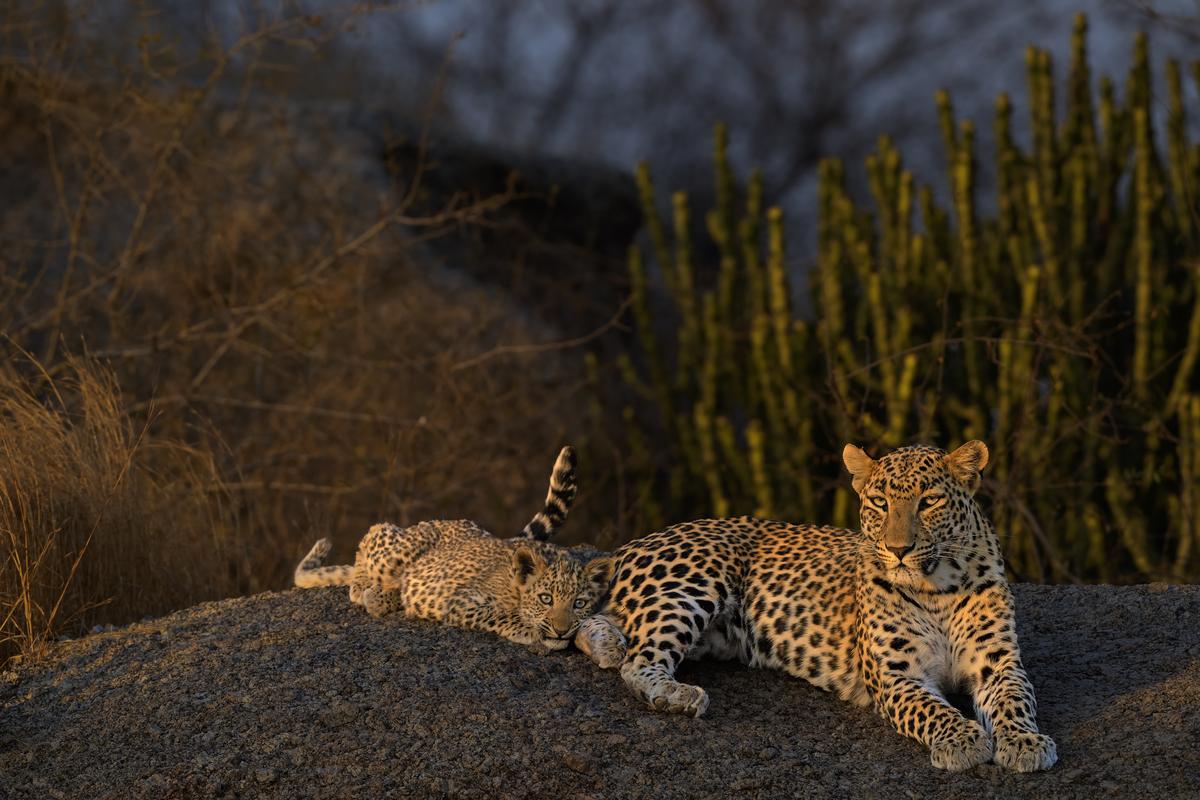
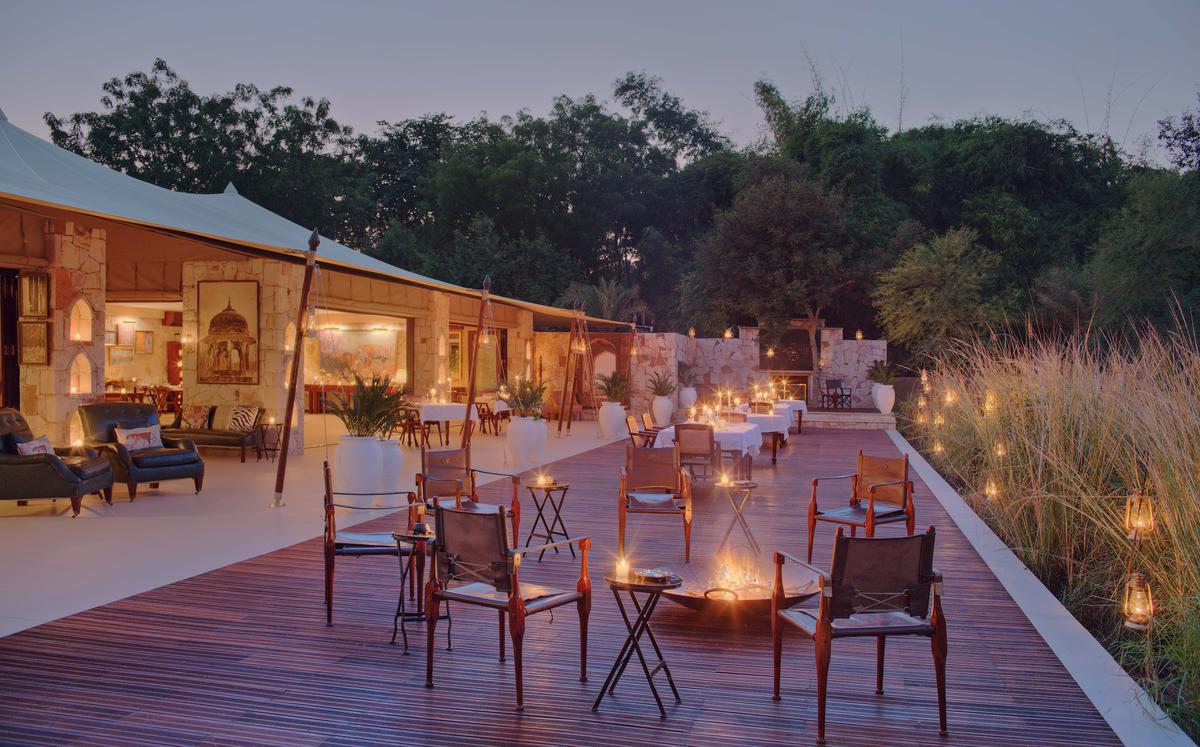
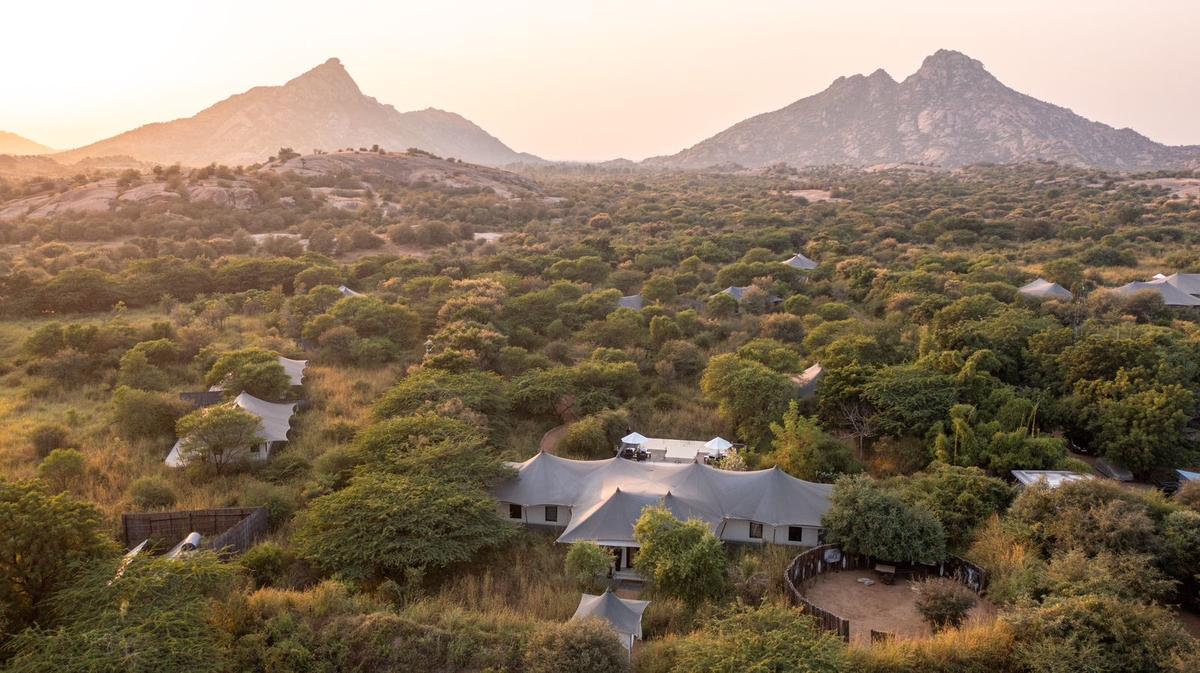
In 2000, Singh founded Sujan Sher Bagh, which is widely recognized as one of India’s first luxury tented camps. This was not a move toward commercial exploitation, but rather a strategic business plan to convert a rewilded family farm into a sustainable enterprise. Today, the SUJÁN portfolio has expanded to include Jawai (celebrated for its leopard conservation) and Jaisalmer (The Serai), all of which are members of the prestigious Relais & Châteaux association.
The core philosophy of these properties is a "conservation first" model. Every guest is charged a mandatory sustainability fee, which directly funds healthcare initiatives, community outreach, and rewilding projects. This model posits that luxury hospitality, when executed with integrity, can provide the financial armor necessary to protect endangered ecosystems from the pressures of industrialization and unplanned development.
II. Chronology: From Wild Childhood to Global Conservationist
The Formative Years (1970s – 1990s)
Jaisal Singh’s early memories are defined by a "rudimentary lifestyle" that he now considers the ultimate luxury. Living near Jogi Mahal, an erstwhile hunting lodge, he experienced Ranthambore before it became a global tourist destination. There was no running water or electricity; there was only the rhythm of the forest and the early efforts of his family to stem the tide of poaching and habitat loss.
The Entrepreneurial Pivot (2000)
Before departing for the School of Oriental and African Studies (SOAS) in London to study the history of art, a young Singh pitched a business plan to his parents. The goal was to take their rewilded farm on the park’s edge and create a tented safari camp inspired by the aesthetic of the Great Safaris of the early 20th century. This year marked the birth of Sujan Sher Bagh.
Expansion and Recognition (2001 – 2023)
Over the next two decades, the 12-room camp became a benchmark for the industry. Singh’s wife, Anjali Singh, joined the mission, bringing a focus on design and community engagement. The brand expanded into the granite hills of Jawai, creating a unique model of co-existence between the Rabari herdsmen and wild leopards.
The Present and Future (2024 and Beyond)
As of mid-2024, the Singhs are moving beyond the borders of India. Having signed a Memorandum of Understanding (MOU) with a Central Asian country, they are pioneering "Special Wildlife Zones"—private-public partnerships aimed at restoring degraded lands into thriving habitats.
III. Supporting Data: The Ecological Cost of "Fast" Tourism
The success of Ranthambore has brought with it a set of modern challenges that Singh describes as "habitat degradation." The data and observations from the field suggest a troubling trend:
- Vehicle Density: Singh notes that while the official number of jeeps allowed into the park remains regulated, the sheer volume of visitors has surged. He draws a direct parallel to the Maasai Mara in Kenya, where vehicle numbers have quadrupled, leading to disrupted migration patterns and chronic wildlife stress.
- The Connectivity Paradox: The advent of high-speed expressways (such as the Delhi-Mumbai Expressway) has significantly reduced travel time. While good for the economy, Anjali Singh points out that this has "destroyed the slow pace" essential for ethical wildlife exploration.
- Social Media Impact: The "Instagrammification" of the tiger has led to a culture of "guaranteed sightings." Tourists often pressure guides to crowd around big cats for the perfect reel, violating the decorum and silence that defined the safaris of previous decades.
- Urban Encroachment: The lack of government "zoning" around national parks has allowed city-centric hotel chains to build massive properties. These hotels often target the "wedding market," bringing loud music, bright lights, and high-density crowds to the literal doorstep of sensitive wildlife corridors.
IV. Official Responses and Global Cooperation
The upcoming International Big Cat Summit in New Delhi (June 1-2) represents a significant diplomatic and scientific effort to address these issues. The summit is expected to bring together over 400 delegates, including policymakers, multilateral agencies, and financial institutions.
Strengthening Global Cooperation
The summit’s primary objective is the protection of the "Big Seven": the tiger, lion, cheetah, leopard, snow leopard, jaguar, and puma. By inviting industry leaders to play an active part through corporate funding and partnerships, the Indian government is acknowledging that state resources alone are insufficient for long-term conservation.
Anjali Singh emphasizes that bringing "global minds together" is essential. The summit aims to create a standardized framework for big cat conservation that can be applied across different continents, from the jungles of India to the savannas of Africa and the mountains of Central Asia.
The Tracker Academy Initiative
Recognizing the gap in professional training, Jaisal and Anjali Singh are in talks with state governments to launch a formal Training Academy for Trackers and Guides.
- The Goal: To standardize wildlife etiquette and biological knowledge among local drivers and trackers.
- The Output: A certification program that ensures every person leading a safari is an ambassador for the forest, rather than just a driver chasing a sighting.
- Timeline: The project is slated for a 2025 launch.
V. Implications: The Move Toward Private Conservation Zones
The most profound implication of Jaisal Singh’s current work is the shift toward Special Wildlife Zones (SWZs). Singh argues that India’s current model is too localized and often hamstrung by bureaucracy.
1. The Rewilding of Degraded Land
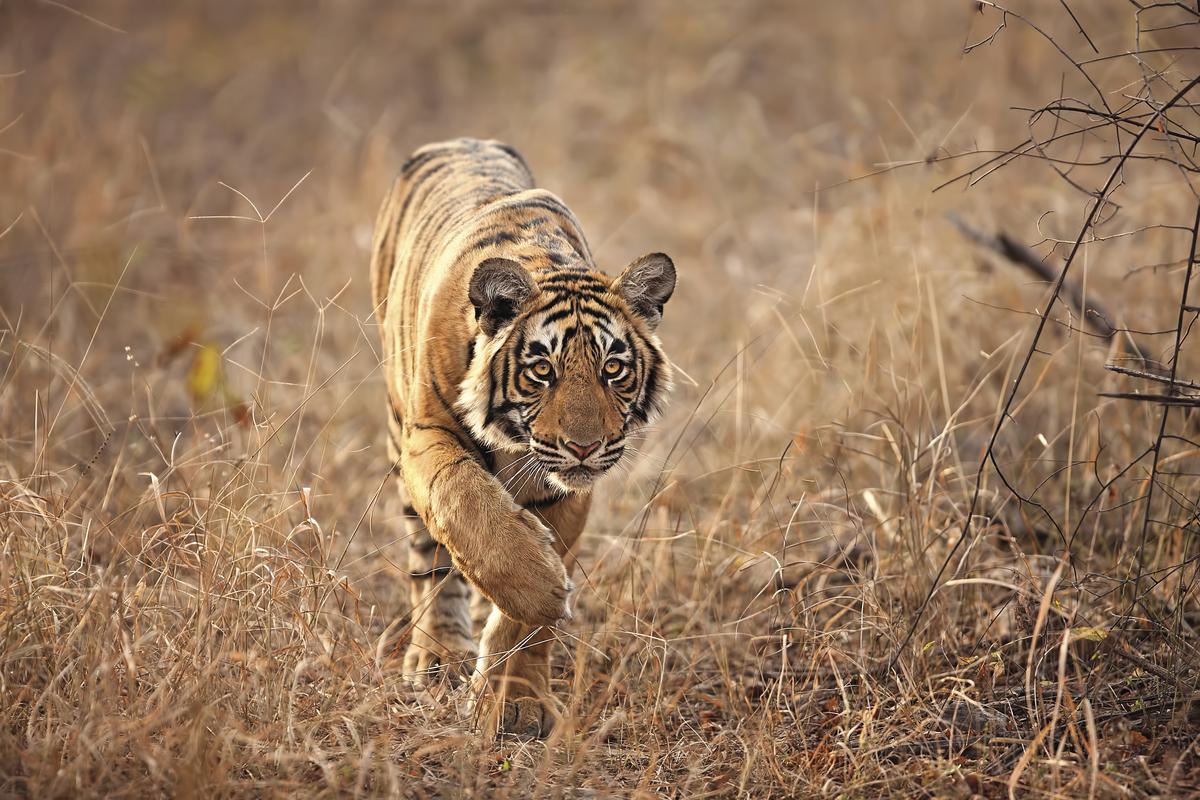
Singh’s vision involves taking "degraded land" at the edges of existing national parks—land that is currently unproductive for both humans and wildlife—and rewilding it. By creating a buffer zone of private or community-managed conservancies, the core forest is protected from human-wildlife conflict.
2. The International Model
Because land policy in India is a "touchy topic," Singh is taking his model abroad first. By establishing successful private conservation reserves in Central Asia, he hopes to provide a "proof of concept" to the Indian government. The goal is to demonstrate that private investment can restore biodiversity while providing high-value, low-impact tourism.
3. Redefining CSR in Hospitality
For the Singhs, Corporate Social Responsibility (CSR) is not a "card on a towel" or a one-off donation for a toilet. It is a fundamental business cost. The implication for the broader hospitality industry is clear: if every hotel located near a reserve implemented a mandatory sustainability fee and local employment quota, the financial burden of conservation would shift from the government to the beneficiaries of the ecosystem.
Conclusion
Jaisal Singh’s journey from a tent under a banyan tree to the boardroom of global conservation summits reflects a maturing of the Indian environmental movement. As Ranthambore faces the dual pressures of social media fame and urban encroachment, the SUJÁN model offers a sobering but hopeful path forward.
By professionalizing the safari experience, advocating for strict zoning, and expanding the footprint of protected land through private initiatives, the Singhs are attempting to preserve the "slow life" that first captivated them decades ago. The message to the industry is unequivocal: hospitality must be the shield that protects the wild, or it will eventually become the force that destroys it. In the words of Jaisal Singh, "Hospitality can be a big driver of conservation, if done right." The world is now watching to see if the rest of the industry can follow suit.
