

Main Facts: The Resurgence of the Simple Fruit Elixir
In an era dominated by complex, multi-ingredient energy drinks and store-bought beverages laden with synthetic preservatives, the culinary world is witnessing a significant pivot back to simplicity. At the forefront of this movement is the humble strawberry juice—a vibrant, nutrient-dense beverage that serves as a testament to the power of fresh ingredients.
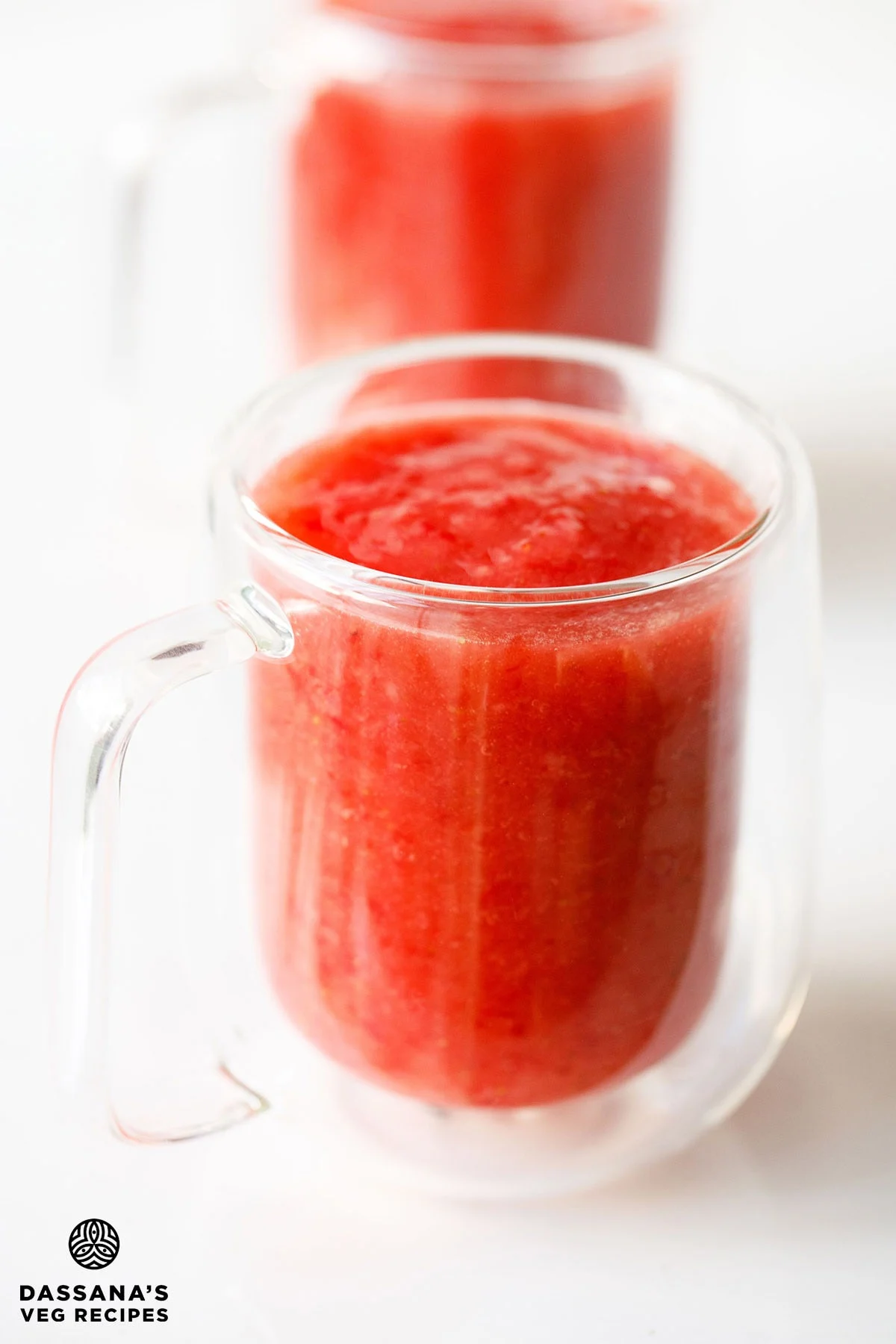
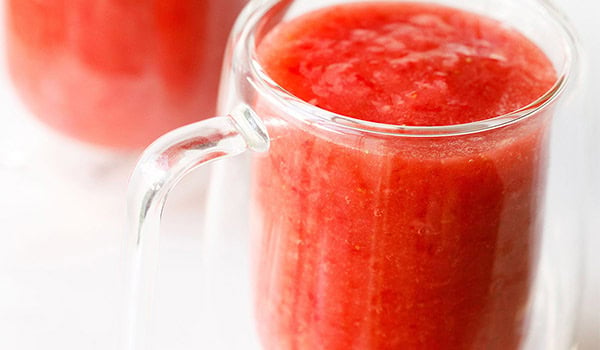
The core appeal of strawberry juice lies in its accessibility. Unlike traditional juicing methods that require expensive cold-press machinery or centrifugal extractors, the modern strawberry juice recipe utilizes a standard household blender. This democratization of juice-making has turned a seasonal luxury into a daily staple for health-conscious consumers. By blending frozen or fresh strawberries with water and a choice of sweetener, individuals can create a beverage that ranges in texture from a light, refreshing liquid to a thick, indulgent fruit slush.
According to recent culinary trends, the versatility of the strawberry is its greatest asset. Whether used as a morning vitamin boost, a base for sophisticated mocktails, or a naturally chilled summer refresher, the strawberry juice "template" allows for infinite customization. The basic formula—two cups of berries, a touch of sweetener, and a controlled volume of water—represents a shift toward "functional snacking," where the beverage provides both hydration and a significant dose of dietary fiber and antioxidants.
Chronology: From Field to Blender—The Evolution of the Process
The journey of strawberry juice from a farm-side treat to a year-round household beverage has been facilitated by advancements in flash-freezing technology and the evolution of the high-speed blender. To understand how to achieve the perfect glass of strawberry juice, one must look at the chronological workflow of preparation, which has been refined by culinary experts to maximize both flavor and texture.
Phase 1: Sourcing and Temperature Management
The process begins with the selection of the fruit. Historically, strawberry juice was a strictly seasonal endeavor, limited to the late spring and early summer months. However, the modern approach emphasizes the use of frozen strawberries. Freezing berries at their peak ripeness preserves their nutritional profile and, crucially, provides a built-in cooling mechanism. When frozen berries are introduced to the blender, they eliminate the need for ice cubes, which often dilute the flavor as they melt.
Phase 2: The Blending Sequence
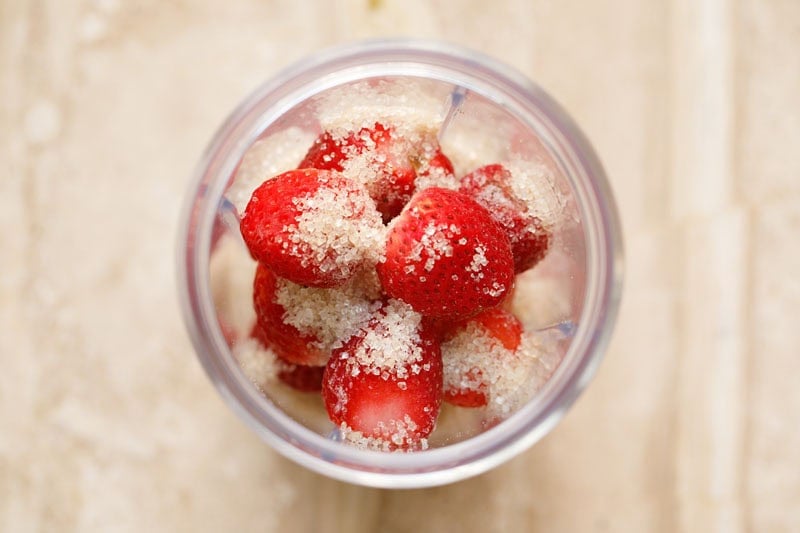
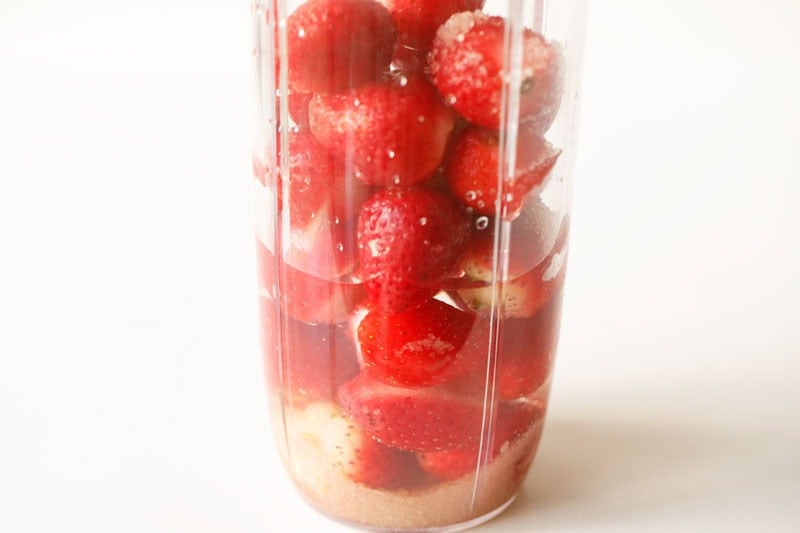
The standard procedure involves a specific order of operations to ensure a smooth consistency. Analysts of the process suggest adding two cups (approximately 22 to 24 medium-sized berries) into the blender jar first, followed by the dry sweetener. The sweetener—typically four tablespoons of sugar, though increasingly substituted with honey or agave—acts as a macerating agent.
Phase 3: Hydration and Emulsification
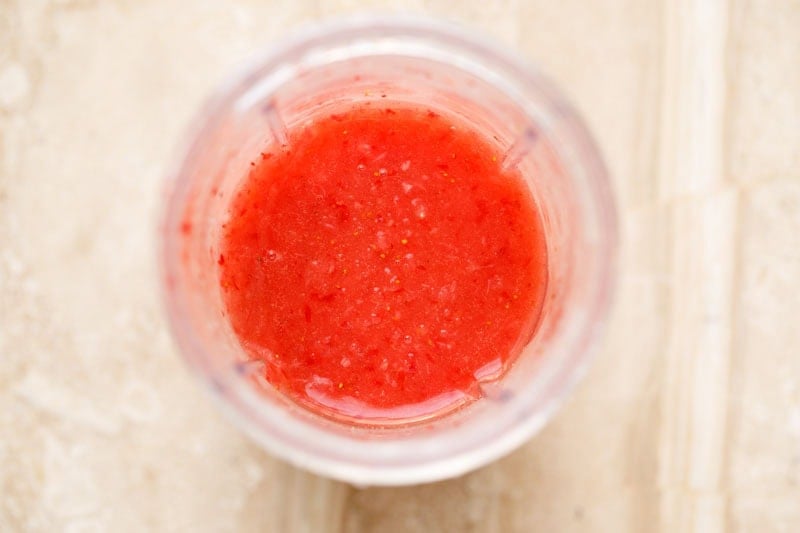
The addition of 1.5 cups of water follows. This specific ratio is designed to produce a "thick juice" profile. The chronology of blending is vital; starting at a low speed to break down the frozen cellular structure of the berry before ramping up to high speed ensures that the seeds are either finely ground or evenly distributed, preventing a gritty mouthfeel.
Phase 4: Final Adjustments and Serving
The final stage involves the "taste and adjust" protocol. Because the acidity and sugar content of strawberries vary wildly between batches, the final 60 seconds of preparation are dedicated to fine-tuning. If the juice is too viscous, additional water is pulsed in. If it is too tart, additional sweetener is integrated. The result is a beverage that is served immediately to prevent the natural separation of solids and liquids.
Supporting Data: The Nutritional and Chemical Profile
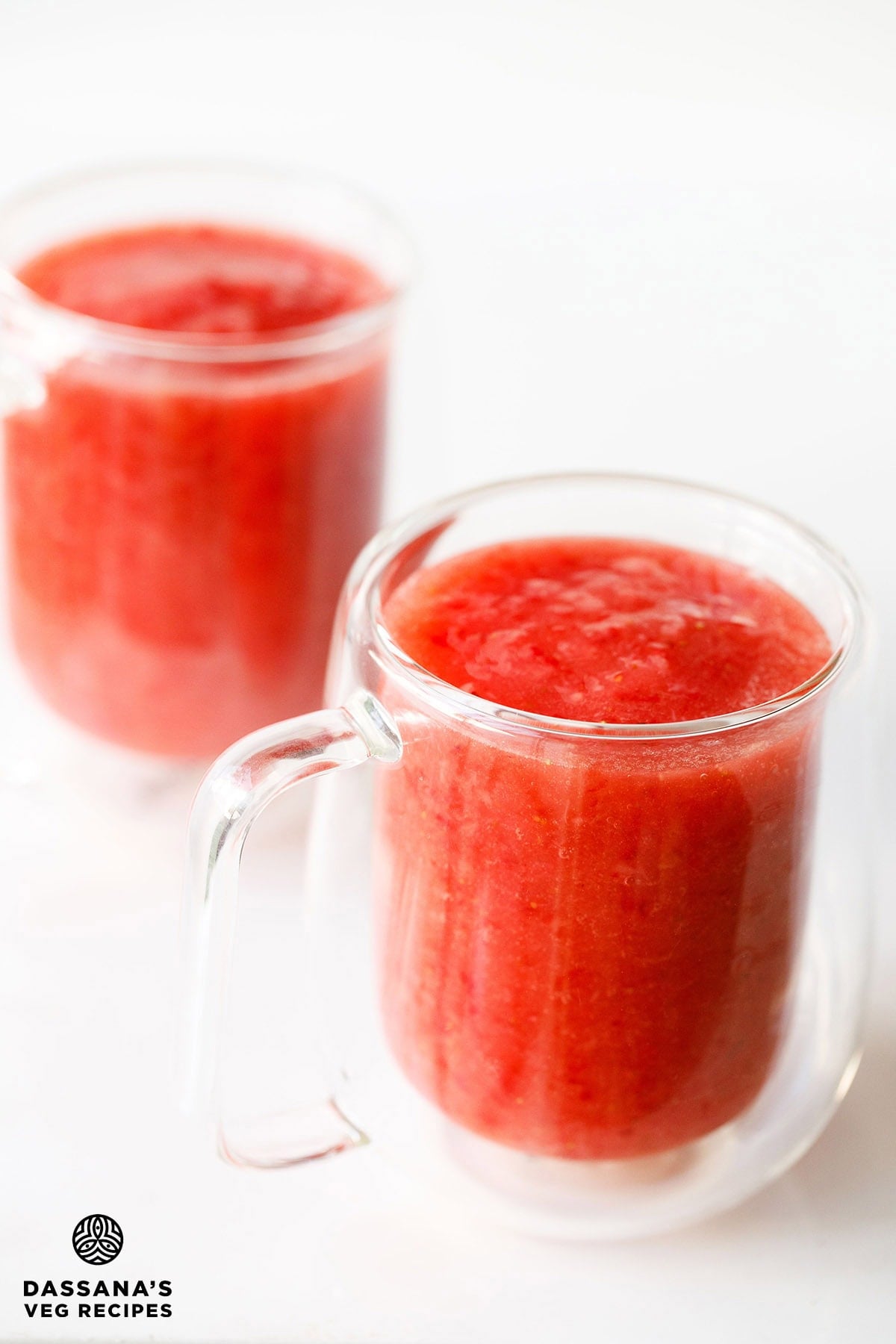
The decision to incorporate strawberry juice into a daily regimen is often backed by impressive nutritional data. A standard serving (approximately 2 glasses) of homemade strawberry juice provides a robust profile of macro and micronutrients that far exceed those of processed "fruit-flavored" drinks.
Key Nutritional Metrics (Per Batch):
- Caloric Content: 138 kcal, making it a low-calorie alternative to sodas or milkshakes.
- Vitamin C Powerhouse: A single batch delivers approximately 85 mg of Vitamin C, fulfilling or exceeding the daily recommended intake for most adults. Vitamin C is critical for collagen synthesis and immune function.
- Fiber Content: Unlike strained juices, the recommended "unstrained" version of this recipe retains 3 grams of dietary fiber, which aids in digestion and helps regulate blood sugar spikes.
- Mineral Density: The juice contains 221 mg of Potassium and 29 mg of Calcium, along with trace amounts of Magnesium and Phosphorus, essential for electrolyte balance and bone health.
Beyond the basic vitamins, the chemical complexity of the juice can be enhanced through aromatic additions. The inclusion of rose water (approximately 2 teaspoons) introduces geraniol and nerol—compounds that provide a floral note which psychologically enhances the perception of sweetness without adding calories. Similarly, the addition of lemon or lime juice introduces citric acid, which not only brightens the flavor profile but also acts as a natural antioxidant to prevent the juice from browning (oxidation).
Official Responses: Expert Insights and Culinary Standards
While there is no "International Strawberry Juice Commission," the consensus among nutritionists and culinary professionals highlights several "best practices" that distinguish a professional-grade juice from a mediocre one.
The "Straining" Debate
Health experts generally advocate for the "unstrained" method. "When you strain a fruit juice, you are essentially stripping away the insoluble fiber that slows the absorption of fructose," says a consensus of dietary guidelines. By keeping the pulp, the consumer benefits from a more ‘whole food’ experience. Culinary professionals, however, note that for high-end hospitality settings, a strained juice provides a "crystal-clear" aesthetic that is often preferred for formal brunches.
The Sweetener Shift
Official health responses to high-sugar diets have led to a reimagining of the "4 tablespoons of sugar" mentioned in traditional recipes. Modern culinary standards now suggest "sweetening to taste." If the strawberries are harvested at the peak of the season, their natural Brix level (sugar content) may be high enough to eliminate the need for added sugar entirely. Experts suggest using maple syrup for a deeper flavor or stevia for a zero-calorie alternative.
The Safety of Frozen Produce
Food safety experts often point out that frozen strawberries are frequently "cleaner" than fresh ones for juicing purposes, as they are washed and blanched before being flash-frozen, reducing the risk of surface contaminants. Furthermore, the use of frozen fruit allows for a "naturally chilled" drink, avoiding the bacterial risks sometimes associated with contaminated ice machines.
Implications: The Future of Home-Based Beverage Crafting
The rise of the homemade strawberry juice recipe has broader implications for the beverage industry and consumer behavior.
1. The Decline of the Commercial Juice Aisle
As consumers realize that a high-quality, additive-free juice can be made in under five minutes using a blender, the demand for shelf-stable, pasteurized juices is seeing a decline. The "freshness factor" is a significant driver of this shift. Homemade juice retains volatile flavor compounds that are lost during the high-heat pasteurization process used in commercial bottling.
2. Economic and Environmental Impact
By utilizing frozen strawberries, consumers are contributing to a more sustainable food chain. Frozen fruit has a significantly lower "food waste" profile than fresh fruit, which has a notoriously short shelf life. Additionally, making juice at home eliminates the need for single-use plastic bottles and the carbon footprint associated with transporting heavy, liquid-filled containers from factories to grocery stores.
3. Culinary Fusion and Sophistication
The suggestion of adding ginger, mint, or vanilla extract to a simple strawberry base indicates a move toward "culinary mixology" in the home kitchen. Strawberry juice is no longer just a drink for children; with the addition of a floral note like rose water or a warming element like ginger, it becomes a sophisticated beverage suitable for adult palates and gourmet pairings.
4. Health and Wellness Integration
As the "Food as Medicine" movement gains traction, simple recipes like this serve as entry points for individuals looking to improve their diet. The high Vitamin C and antioxidant (anthocyanin) content of strawberries are linked to reduced oxidative stress and improved heart health. The ease of this recipe ensures that "healthy living" is not synonymous with "time-consuming."
In conclusion, the strawberry juice trend is more than a fleeting culinary fad. It is a reflection of a global desire for transparency in ingredients, nutritional density, and the joy of creating something fresh from scratch. Whether enjoyed as a thick, slushy treat or a refined, rose-scented elixir, strawberry juice remains a vibrant symbol of the modern, health-conscious kitchen.
