

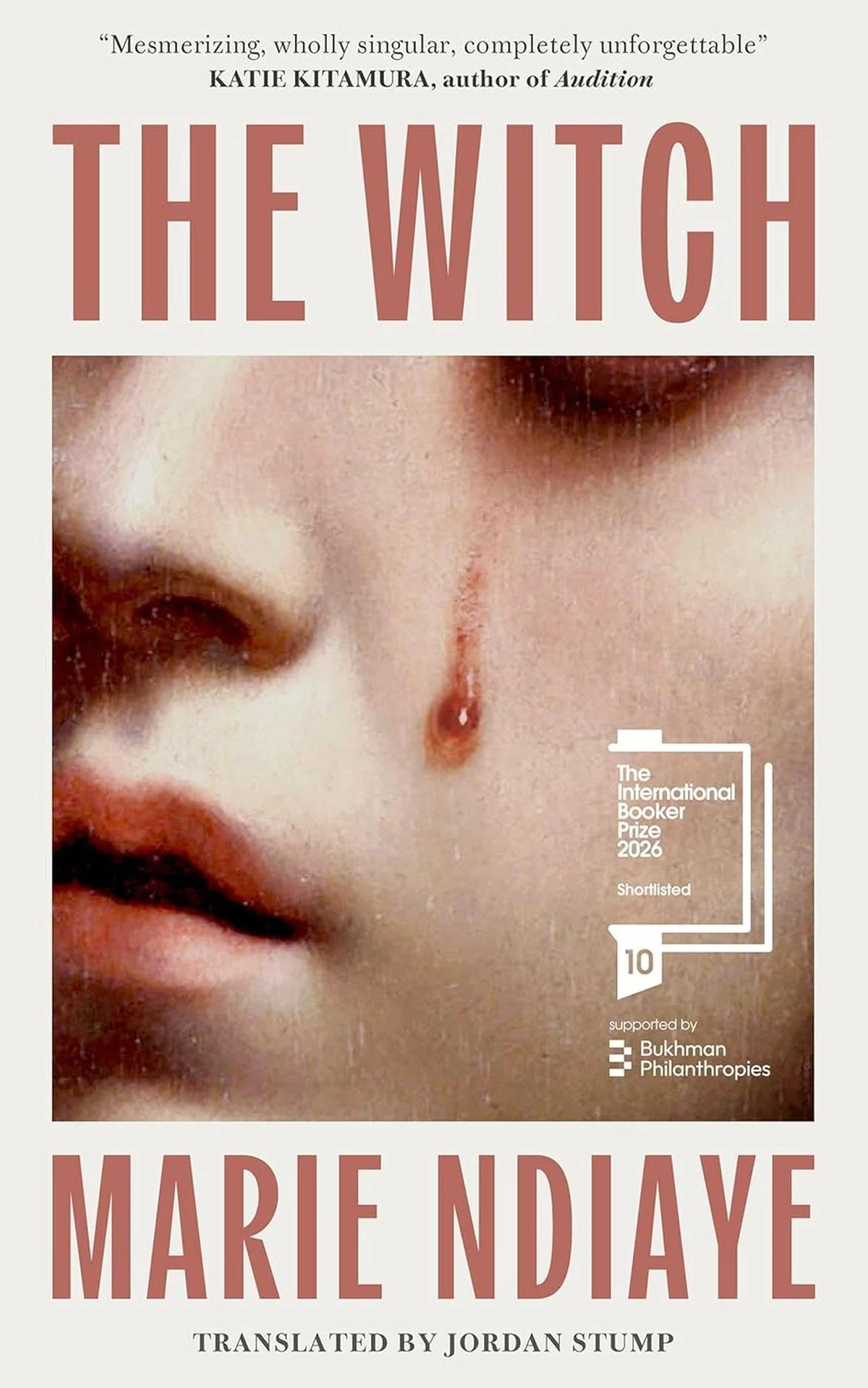
The literary world has recently turned its gaze toward a slim, yet profoundly unsettling novella that defies the conventional boundaries of genre and domestic fiction. Marie NDiaye’s The Witch (originally published in French as La Sorcière in 1996), translated into English by Jordan Stump and published by MacLehose Press, has secured a prestigious position on the 2024 International Booker Prize shortlist. This recognition marks a significant milestone for a work that sat untranslated for nearly three decades, highlighting a growing appetite for "Afropean" voices and experimental narratives that challenge the Western archetype of the supernatural.
Far from the gothic castles or rural covens typically associated with witchcraft, NDiaye’s protagonist, Lucie, exists within the stifling, beige confines of suburban France. The novella’s inclusion in the Booker shortlist underscores a critical shift in the valuation of translated literature—moving away from epic realism toward the "absurdly domestic" and the "uncomfortably intimate."
Main Facts: A Domestic Vision of the Occult
The Witch is not a story of grand incantations or broomsticks. Instead, it is a clinical, often harrowing examination of a woman struggling with "middling" magical abilities while navigating the crushing weight of domestic expectations. Lucie, the narrator, is a woman defined more by her failures than her powers. She lives under the "punishing gaze" of her husband, Pierrot, and the burgeoning, terrifying potential of her teenage twin daughters, Maud and Lise.
The core of the narrative revolves around the "banal existence" of a witch. Lucie’s magic is described as "honestly laughable"—she can divine only the most inconsequential details: the color of a passerby’s outfit, the weather in a distant town, or the temperature of a cup of coffee. This limitation serves as a potent metaphor for the diminished agency of the suburban housewife.

Key elements of the publication include:
- Author: Marie NDiaye, a Prix Goncourt winner and one of France’s most formidable contemporary writers.
- Translator: Jordan Stump, a long-time collaborator of NDiaye and a professor of French at the University of Nebraska-Lincoln.
- Length: A concise novella of approximately 100 pages.
- Critical Standing: Shortlisted for the 2024 International Booker Prize, bringing NDiaye’s 1990s-era work into the contemporary global spotlight.
Chronology: From 1990s French Radicalism to 2024 Global Acclaim
The journey of The Witch from a French manuscript to a Booker-shortlisted English novella is a testament to the slow-burning nature of literary translation and the enduring relevance of NDiaye’s themes.
1996: The Original Publication
Marie NDiaye published La Sorcière in France. At the time, NDiaye was already a rising star, having published her first novel at age 18. La Sorcière was part of a movement in French literature that sought to deconstruct the "family unit" using elements of the fantastic and the surreal.
The Middle Years: NDiaye’s Ascendance
While The Witch remained untranslated, NDiaye’s profile grew internationally. In 2009, she became the first Black woman to win the Prix Goncourt for Three Strong Women. This success sparked renewed interest in her earlier, more experimental works.

2023–2024: The English Translation and Shortlist
Jordan Stump, who has spent decades navigating NDiaye’s "complicated and subtle" prose, completed the translation for MacLehose Press. The English release was met with immediate critical curiosity. By May 2024, the International Booker Prize judges announced the novella’s inclusion on the shortlist, citing its "unsettling atmosphere" and "razor-sharp" prose.
May 16, 2024: Current Literary Discourse
The book has become a polarizing subject among readers. While critics praise its "dark humor" and "lack of redemption," some readers have found its lack of interiority and its "purposeless emotion" challenging to navigate.
Supporting Data: Themes of Motherhood, Power, and Alienation
The power of The Witch lies in its subversion of traditional tropes. NDiaye utilizes the supernatural to illuminate the very real horrors of social and familial structures.
The Metaphor of the "Middling" Power
Lucie’s magic is a source of shame rather than empowerment. In the text, she admits that her abilities are insignificant. This "insignificance" reflects the societal view of women’s labor in the 1990s (and today)—essential yet invisible, powerful yet localized to the domestic sphere.
The Transformation of the Daughters
The narrative follows a matrilineal transmission of power. Lucie trains her twins, Maud and Lise, hoping they will inherit her gifts. However, the daughters quickly surpass her, achieving a "real" witchcraft that involves transforming into birds and exhibiting a "superior indifference" to their parents’ crumbling marriage. This generational leap serves as a commentary on the alienation between mothers and daughters, where the younger generation’s liberation feels like a betrayal to the older generation’s sacrifices.
The Metaphor of "Tears of Blood"
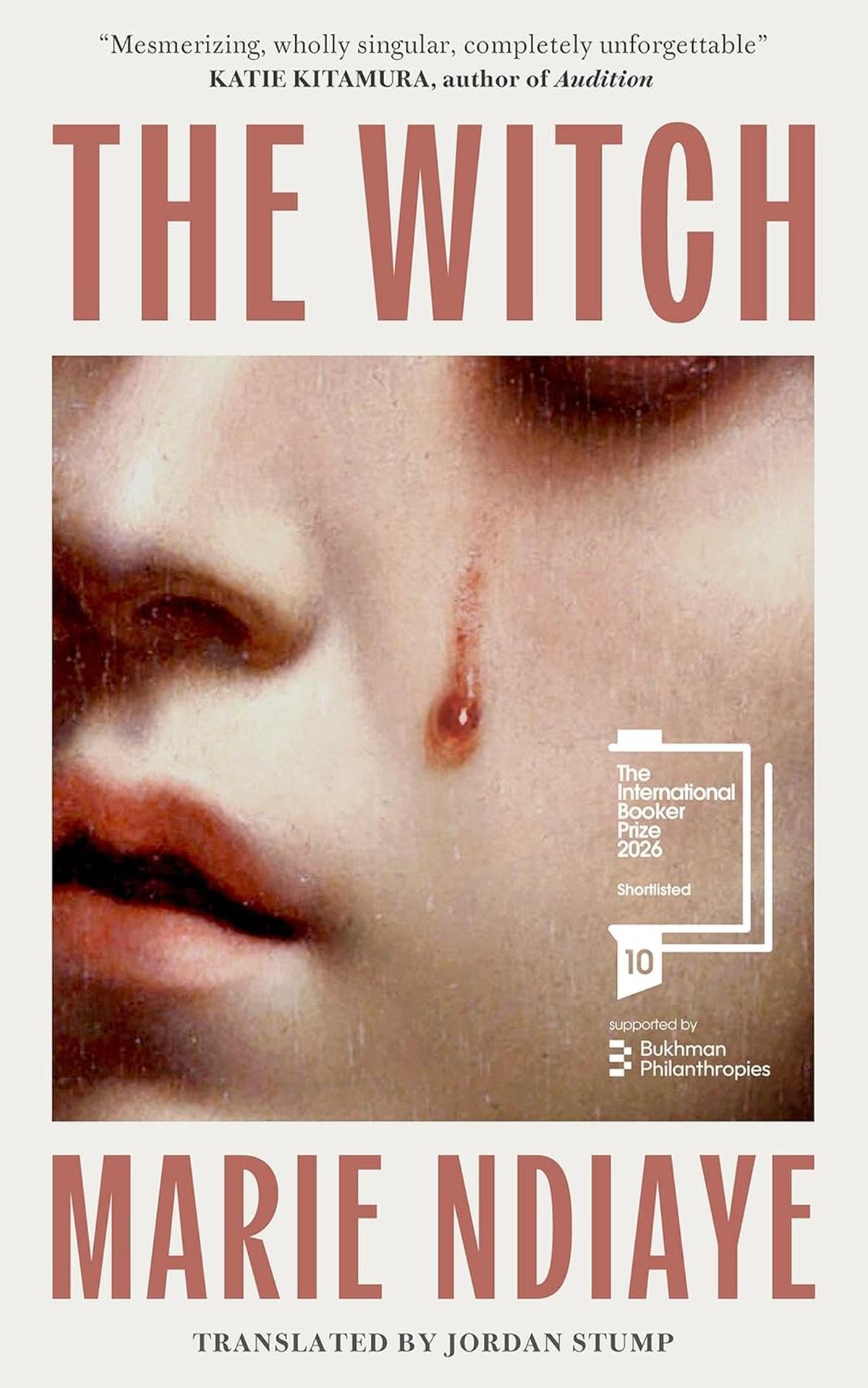
Magic in NDiaye’s world is not without physical cost. The shedding of "tears of blood" during divination acts as a visceral symbol of the pain and shame associated with womanhood and the "sacred obligation" of family legacy. These tears persist until the characters reach a point of "unbecoming"—a state where they no longer feel the need to conform to human emotional standards.
Official Responses: The Translator and the Prize Committee
The reception of The Witch has been characterized by a deep respect for the difficulty of the text.
Jordan Stump’s Perspective:
In an interview with the University of Nebraska-Lincoln’s magazine, Stump admitted that NDiaye’s work was initially intimidating. "I felt like she was maybe a little too smart for me when I was first reading her," he remarked. He emphasized that NDiaye is a "very complicated and subtle writer," and that translating her required learning a new way of reading—one that accepts ambiguity and the "coldness" of the narrative voice.

The International Booker Prize Judges:
The committee highlighted the book’s ability to create a "menacing" environment out of the ordinary. They noted that NDiaye’s prose, rendered by Stump, manages to be both "transparent and opaque," allowing the reader to see the events clearly while remaining locked out of the characters’ psychological motivations.
Critical Reception:
Literary critics have been divided. Some describe the book as a "tragicomic masterpiece" that uses the absurd to highlight the "struggle to belong." Others have struggled with the "lack of interiority," noting that Lucie’s narration is often contradictory and offers "no redemption" or easy answers for the reader.
Implications: Redefining the "Witch" for the 21st Century
The success of The Witch carries several implications for the future of literary fiction and the "supernatural" genre.
1. The De-Gothicization of the Supernatural
NDiaye’s work suggests that the most terrifying magic is that which happens in a "steaming cup of coffee" or under the "punishing gaze" of a husband. By removing the broomsticks and cauldrons, she forces the reader to confront the "occult" nature of everyday power dynamics. This aligns with a broader trend in "New Weird" and "Domestic Horror" where the setting is familiar, but the logic is skewed.

2. The Rise of the "Unsympathetic" Female Narrator
Lucie is not a hero. She is "compelling and absurd," "unreliable," and "driven by purposeless emotion." Her inability to understand her own daughters or save her marriage makes her a challenging figure. The book’s success suggests that readers are increasingly willing to engage with female protagonists who are not "likable" but are instead "honestly portrayed" in their complexities and failures.
3. The Importance of Translation in Recovering "Lost" Classics
The 28-year gap between the French and English publications of The Witch raises questions about what other seminal works remain hidden due to language barriers. The International Booker Prize’s role in "recovering" these works is vital for a truly global literary canon.
4. The "Afropean" Identity in Literature
While The Witch does not explicitly focus on race, NDiaye’s position as a writer of Senegalese and French heritage informs her exploration of "belonging" and "otherness." The "witch" in her story is an outsider within her own family and suburb—a metaphor that resonates with the immigrant experience and the feeling of being "in but not of" a society.
In conclusion, The Witch is an enigma about disenchantment. It is a tragicomic tale that refuses to provide the catharsis of a typical fantasy novel. Instead, Marie NDiaye offers a chilling reflection on the "sacred obligations" that bind us and the "superior indifference" required to truly break free. As the International Booker Prize ceremony approaches, The Witch stands as a formidable contender, reminding the world that sometimes the most potent magic is the kind that leaves us entirely, and terrifyingly, ordinary.
