

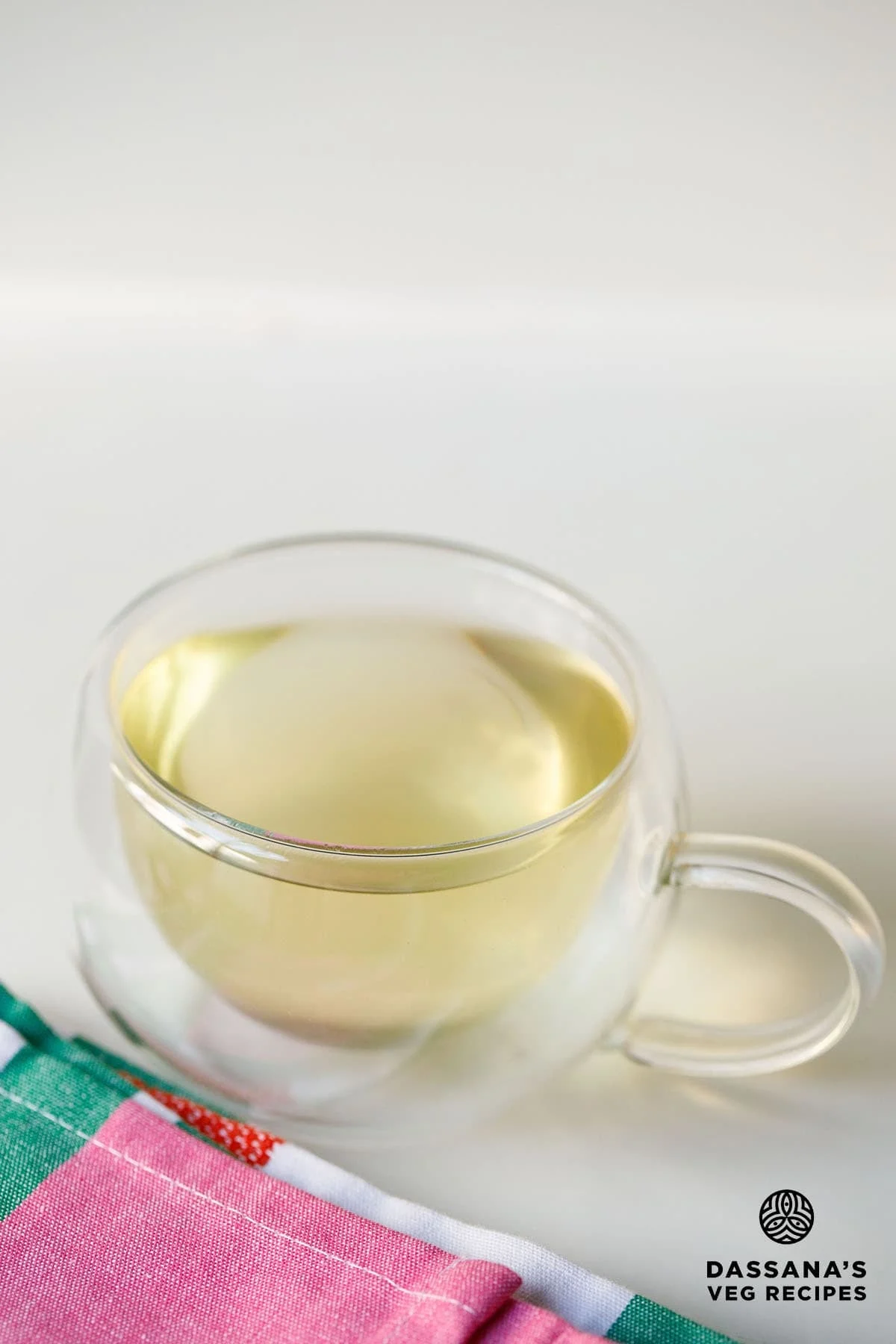
In the landscape of modern wellness and culinary tradition, few beverages bridge the gap between ancient herbal wisdom and contemporary lifestyle as seamlessly as lemongrass tea. Known botanically as Cymbopogon, lemongrass is more than a fragrant grass; it is the foundation of a sophisticated, caffeine-free tisane that has served as a cornerstone of Indian and Southeast Asian domestic life for centuries. Unlike traditional teas derived from Camellia sinensis, lemongrass tea offers a clean, citrusy profile that delivers the essence of lemon without the accompanying acidity of citrus juice.
As global interest in functional beverages continues to surge, lemongrass tea has transitioned from a localized remedy to a staple of the international health food market. This article explores the multifaceted nature of this herbal drink, from its botanical properties and precise preparation methods to its nutritional profile and cultural implications.
Main Facts: The Essence of the Infusion
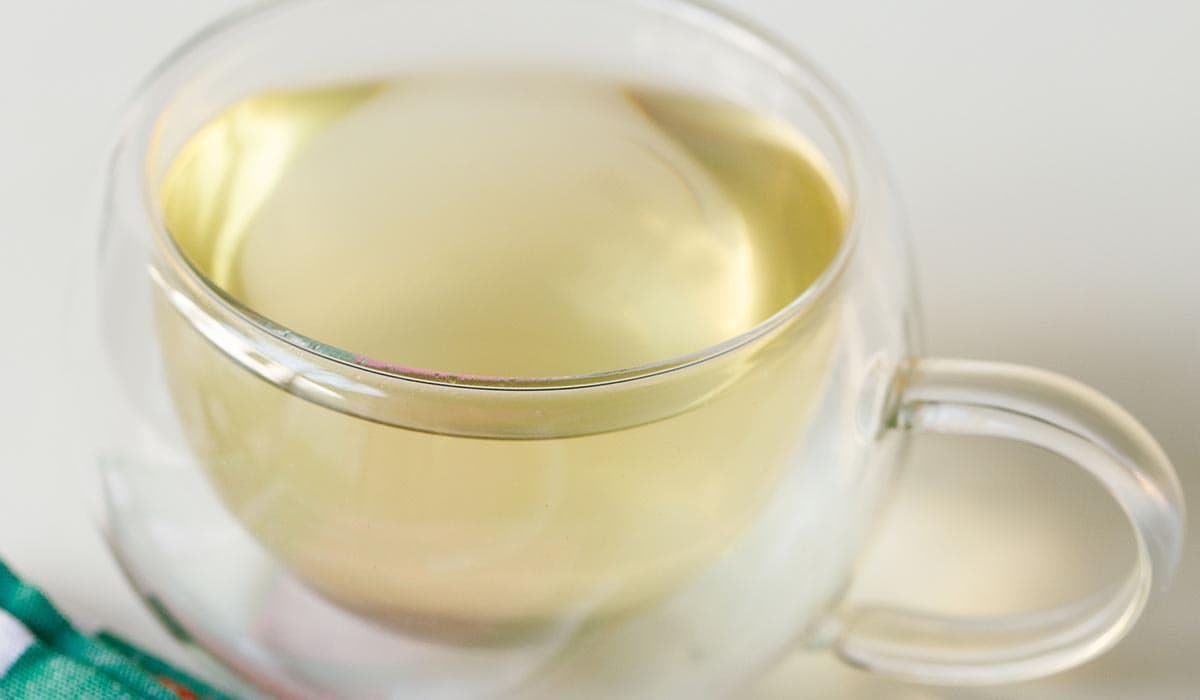
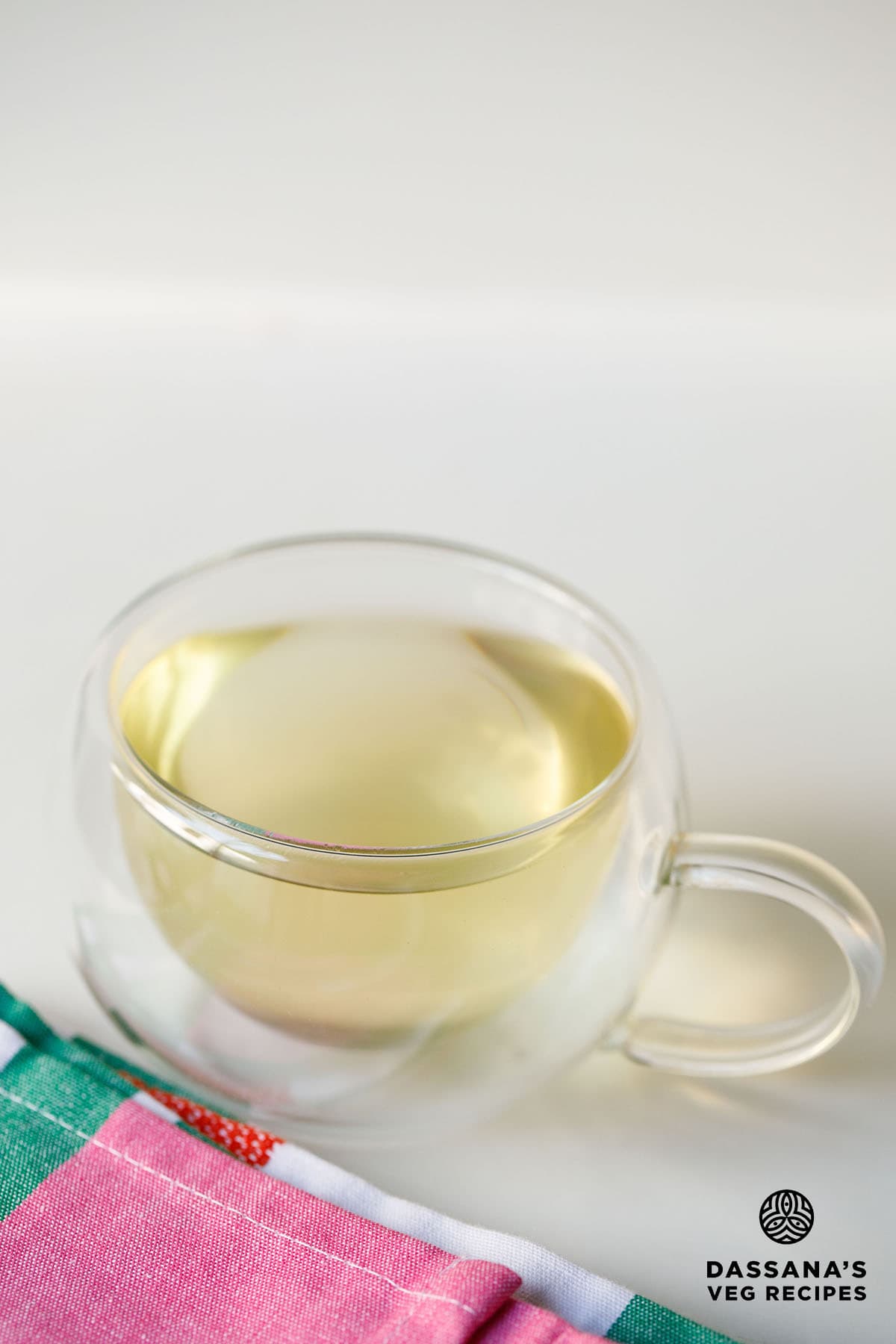
Lemongrass tea is a light, golden-hued herbal drink created through the decoction or infusion of fresh lemongrass stalks and leaves. Its primary appeal lies in its sensory complexity; it possesses a distinct lemon aroma driven by high concentrations of citral, an essential oil also found in lemon peels. However, when brewed, the flavor is remarkably mild, slightly sweet, and lacks the sharp, sour bite of citric acid.
Key Characteristics:
- Caffeine-Free: As a pure herbal tisane, it serves as an ideal evening beverage or an alternative for those sensitive to stimulants.
- Versatility: It can be consumed as a "clear tea" (without milk), a chilled refresher, or as a robust "Lemongrass Chai" when combined with black tea and dairy.
- Sourcing: While dried lemongrass is widely available in tea bags, culinary experts emphasize that fresh stalks provide a superior depth of flavor and a more vibrant aromatic profile.
- Culinary Roots: It is a fundamental element in Thai, Vietnamese, and Indian cuisines, often used to balance spicy or fatty flavors.
Chronology: The Architecture of a Perfect Infusion
The creation of an exceptional cup of lemongrass tea is a process of extraction that requires patience and precision. To understand how to maximize the plant’s therapeutic and flavor potential, one must follow the chronological steps of preparation.
Phase I: Preparation and Activation (Minutes 1–5)
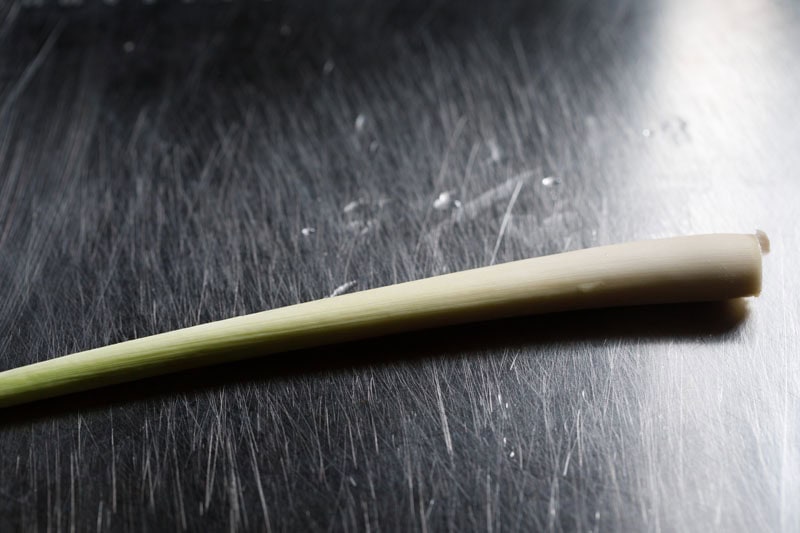
The process begins with the selection of the plant. A single, healthy lemongrass stalk consists of a woody outer layer and a tender, aromatic core.
- Cleansing: The stalk must be rinsed thoroughly to remove soil. The hard, bulbous base and the very top of the leaves are typically trimmed.
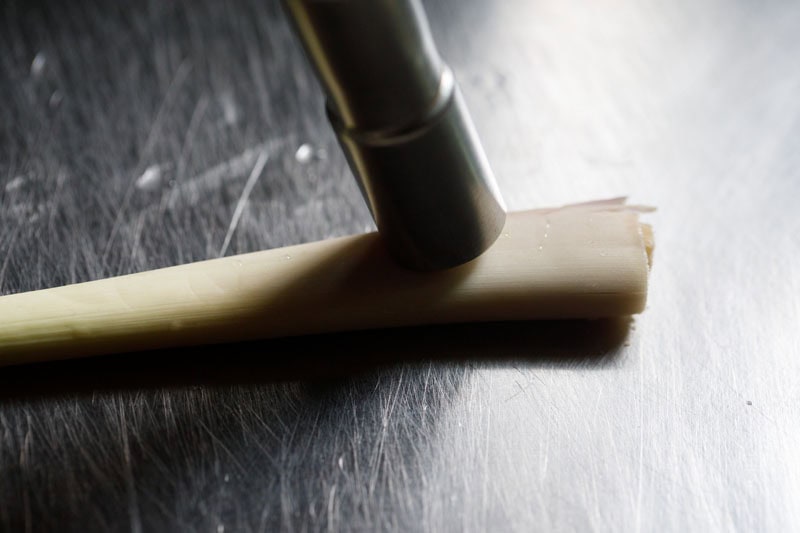
- Exposing the Oils: This is the most critical step. Using a pestle or the back of a heavy knife, the stalk is lightly crushed. This mechanical action breaks the plant’s cell walls, releasing the volatile essential oils (citral and geraniol) that contain the tea’s flavor and health properties.
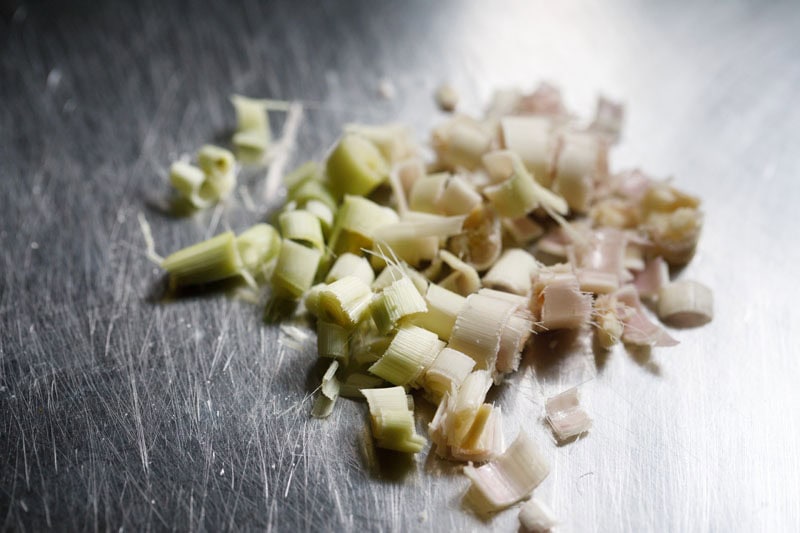
- Sectioning: Once crushed, the stalk is chopped into small pieces (roughly 1/4 cup) to increase the surface area for the water to penetrate.
Phase II: The Decoction Process (Minutes 6–15)
Unlike delicate green teas that require sub-boiling temperatures, lemongrass benefits from a sustained simmer.
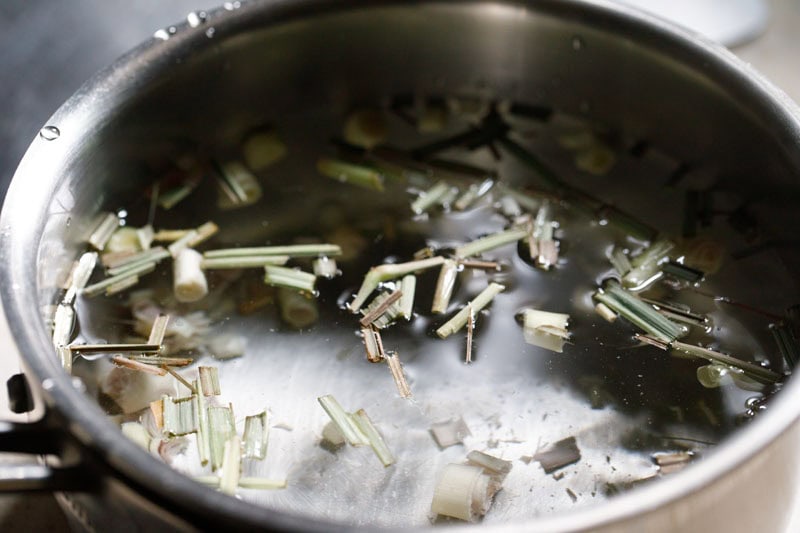
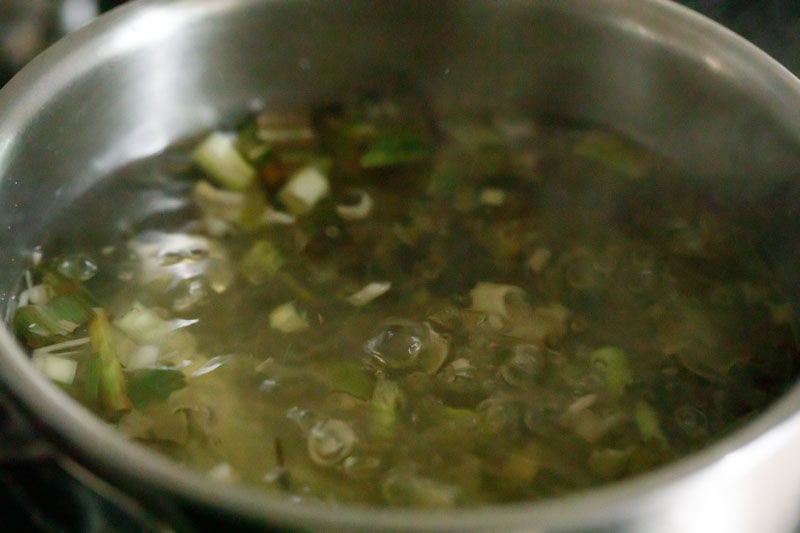
- Combining: Four cups of water are added to a saucepan along with the prepared stalks and optional leaves.
- The Boil: The mixture is brought to a rolling boil over medium heat.
- The Simmer: Once boiling, the heat is reduced. For a light, refreshing tea, a 5-minute simmer is sufficient. For those seeking a medicinal-strength infusion or a bolder flavor, the simmering time can be extended to 10 minutes. This period allows the water-soluble compounds and minerals to leach into the liquid.
Phase III: The Steeping and Finishing (Minutes 16–20)
- Steeping: After the heat is turned off, the pot is covered. This "traps" the steam and allows the remaining aromatics to settle back into the tea for an additional 2 to 3 minutes.
- Filtration: The liquid is strained through a fine-mesh sieve to remove the fibrous plant matter.
- Customization: At this stage, sweeteners (honey, sugar, or stevia) or additional flavor agents (lemon juice for tang) are added according to preference.
Supporting Data: Nutritional and Botanical Profile
While often consumed for its flavor, the nutritional density of lemongrass tea provides significant support for its reputation as a health tonic. Based on a standard serving size (approximately 1 cup of the prepared infusion), the tea is remarkably low in calories while offering a spectrum of micronutrients.
Nutritional Breakdown (Per Serving):
- Energy: 4 kcal
- Carbohydrates: 1g
- Protein: 0.1g
- Minerals:
- Potassium: 29 mg (Essential for heart health and fluid balance)
- Calcium: 10 mg (Supports bone density)
- Magnesium: 5 mg (Aids in muscle function and stress reduction)
- Phosphorus: 4 mg
- Iron: 0.3 mg
- Sodium: 12 mg
- Vitamins: Contains trace amounts of Vitamin C, Vitamin A, and B-complex vitamins (Thiamine, Riboflavin, Niacin, and Folate).
Botanical Variations: Stalk vs. Leaf
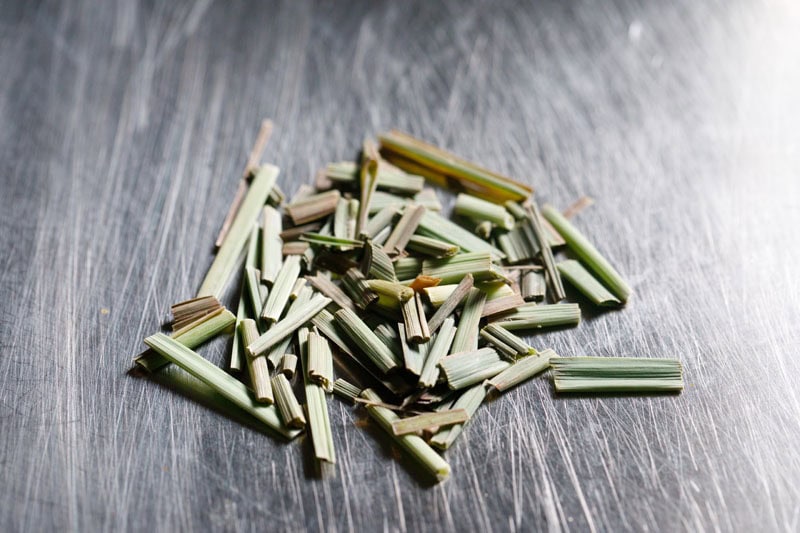
The stalk of the lemongrass plant is the most concentrated source of flavor, providing a "heavy" citrus base. The leaves, while milder, contribute a grassy, herbal top note. Using both in a ratio of 2:1 (stalk to leaf) creates the most balanced sensory experience.
Expert Perspectives: Clinical and Wellness Context
In the realm of traditional medicine, particularly Ayurveda, lemongrass is categorized as a "cooling" herb. Modern herbalists and nutritionists often highlight several key areas where lemongrass tea may offer physiological benefits.
Digestive Health
Lemongrass is frequently cited as a digestive aid. Its antimicrobial properties may help in maintaining a healthy gut flora balance, while the act of drinking a warm, aromatic infusion can stimulate the digestive tract and alleviate bloating.
Antioxidant Properties
Research published in various food science journals indicates that lemongrass contains several antioxidants, including chlorogenic acid, isoorientin, and swertiajaponin. These compounds help scavenge free radicals in the body, potentially reducing oxidative stress and inflammation.
Precautions and Official Guidance
While lemongrass tea is generally recognized as safe for regular consumption, health experts provide the following caveats:
- Pregnancy: Expectant mothers are often advised to consult with a healthcare provider, as high concentrations of lemongrass may have uterine-stimulating effects in some cases.
- Allergies: Individuals with a known sensitivity to grasses or essential oils should introduce the tea gradually.
- Purity: Medical professionals emphasize using organic lemongrass when possible to avoid the ingestion of pesticides that may have been used during commercial cultivation.
Implications: Cultural Impact and Modern Trends
The rise of lemongrass tea reflects a broader shift in global beverage consumption. As consumers move away from sugary sodas and high-caffeine energy drinks, the "Tisane Revolution" has placed lemongrass at the forefront of the market.
The Shift to Functional Hydration
Lemongrass tea is no longer just a beverage; it is marketed as a "functional" drink. Its ability to be served both hot (as a comforting winter tonic) and cold (as a summer electrolyte-rich refresher) makes it a versatile tool for hydration. The "Lemongrass Iced Tea" variant, often garnished with mint or cucumber, has become a staple in high-end spas and wellness retreats.
Sustainability and Home Gardening
One of the most significant implications of the lemongrass trend is its impact on sustainable living. Lemongrass is a hardy, perennial grass that is remarkably easy to grow in pots or backyard gardens in various climates. By encouraging home cultivation, the tea promotes a "garden-to-glass" philosophy, reducing the carbon footprint associated with packaged tea transport and plastic waste.
Culinary Innovation: The "Lemongrass Chai"
In India, the integration of lemongrass into traditional milk tea (Chai) represents a significant culinary evolution. By boiling lemongrass with black tea leaves before adding milk, drinkers create a beverage that combines the robust tannins of tea with the bright, uplifting notes of the herb. This fusion has become a popular "comfort drink" in urban centers, blending tradition with modern herbalism.
Conclusion: A Simple Ritual with Profound Depth
Lemongrass tea stands as a testament to the power of simplicity. From a single stalk of grass and four cups of water emerges a beverage that is nutritionally supportive, culturally significant, and sensorially delightful. Whether used as a morning wake-up call, a digestive aid after a heavy meal, or a chilled afternoon refresher, it offers a moment of clarity in a fast-paced world.
As we continue to explore the intersection of diet and health, the humble lemongrass stalk remains a vital ingredient—reminding us that sometimes the most effective wellness tools are the ones growing right in our own gardens.
Frequently Asked Questions (Summary)
- Can I drink it daily? Yes, it is a safe, light herbal tea for regular use.
- Is dried lemongrass effective? While convenient, fresh lemongrass is preferred for its superior essential oil content.
- Does it require milk? Traditionally, it is a clear tea, but "Lemongrass Chai" variations with milk are popular in South Asia.
- Is it better hot or cold? Both are excellent; hot tea emphasizes the aromatics, while cold tea highlights the refreshing citrus notes.
