

Main Facts: The Seasonal Soul of Goa
For decades, the conventional wisdom regarding Goa was simple: leave before the heat arrives. Historically, the onset of summer signaled a mass exodus. The stately Portuguese-era mansions, built for grandeur rather than ventilation, became stifling without modern climate control. Foreign backpackers retreated to cooler climes, the legendary beach parties fell silent, and the vibrant seasonal markets shuttered their stalls. However, beneath this veneer of seasonal dormancy lies the "true" Goa—a period of intense agricultural abundance and cultural intimacy that remains largely invisible to the winter tourist.
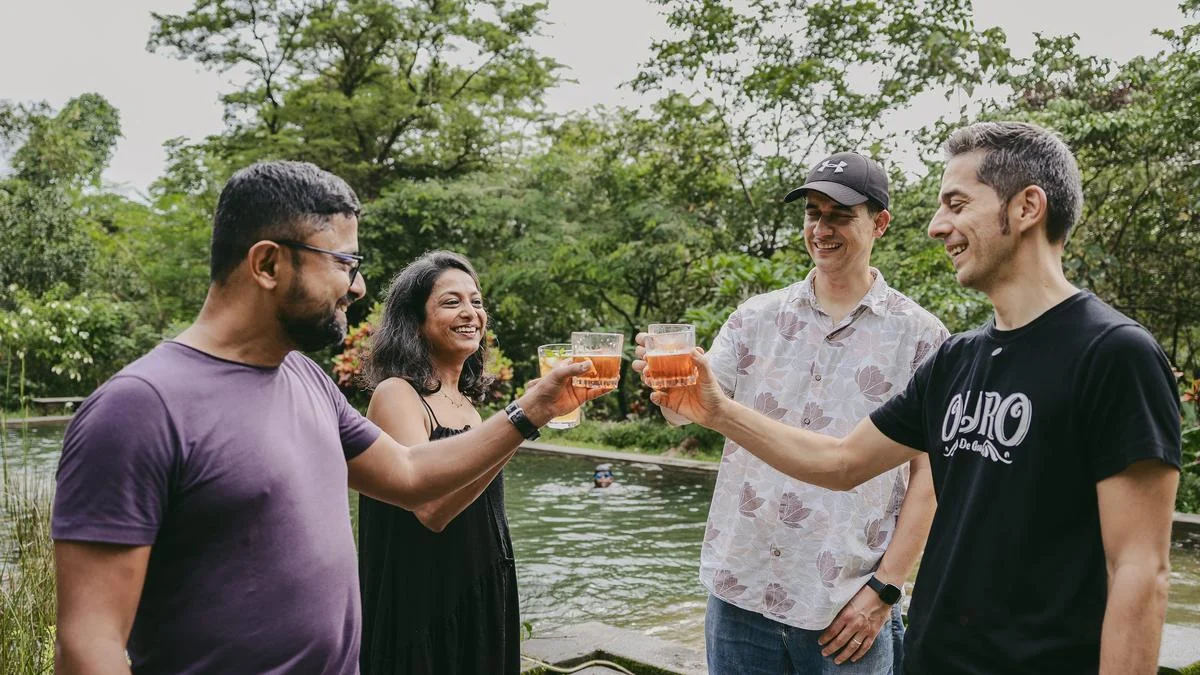
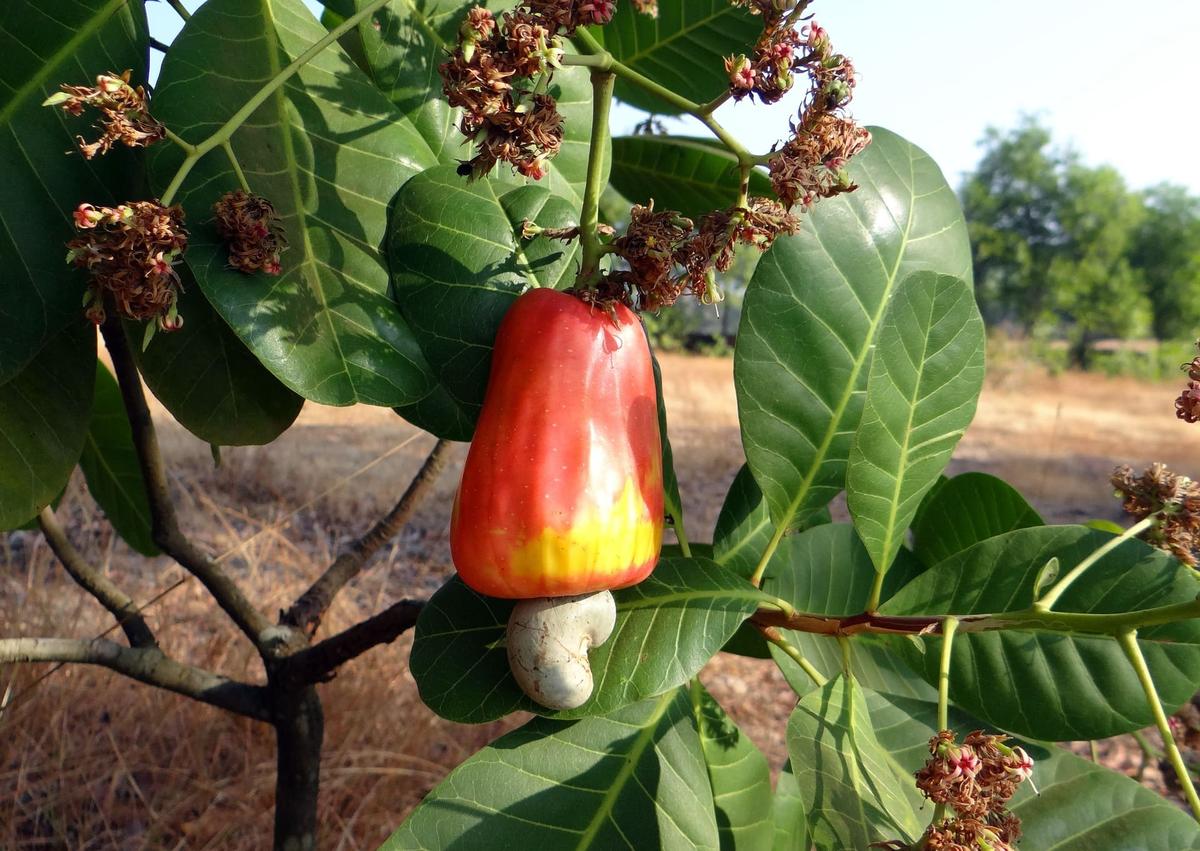
Central to this seasonal transformation is the cashew tree (Anacardium occidentale) and its primary liquid byproduct, urrak. Unlike its more famous, double-distilled cousin, feni, urrak is a single-distillate spirit available only during a fleeting window from February to May. It is often described as the "elixir of summer," a beverage so deeply intertwined with the Goan identity that it defines the state’s reputation for susegad—a relaxed, contented disposition toward life.
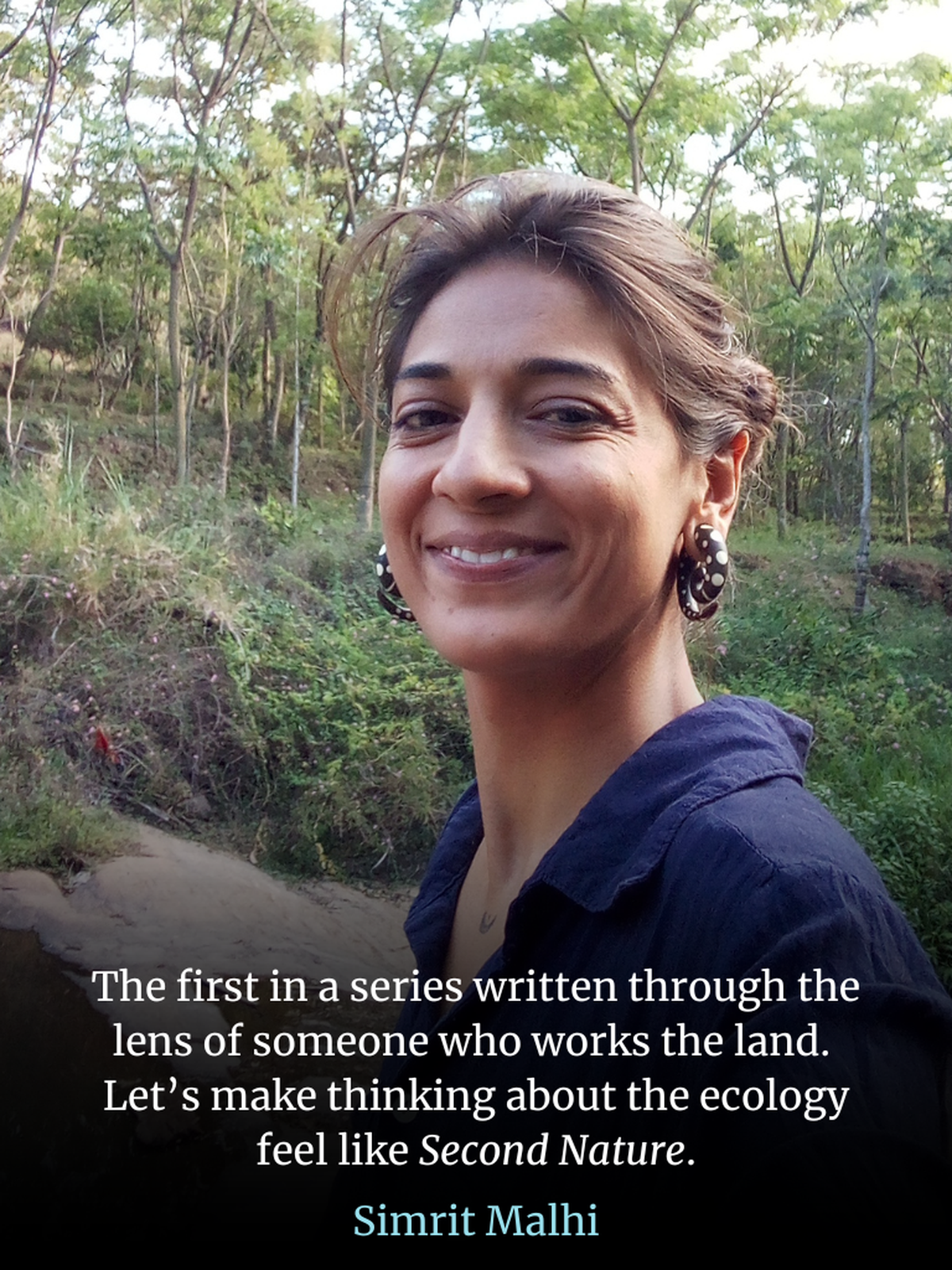
Simrit Malhi, a permaculture farmer who has resided in Goa since the early 2000s, notes that the summer season is when the region truly comes alive. Moving away from the commercialized "hippie haunts" of the north, Malhi and others like her have found sanctuary in the vaddos (traditional neighborhoods). In these hidden enclaves, life is dictated by the rhythm of the harvest. Here, the economy is one of reciprocity: a guitar gifted to a neighbor ensures a cat is fed; a history of residency dating back to 1871 grants a neighbor better knowledge of one’s own trees than the landowner possesses.

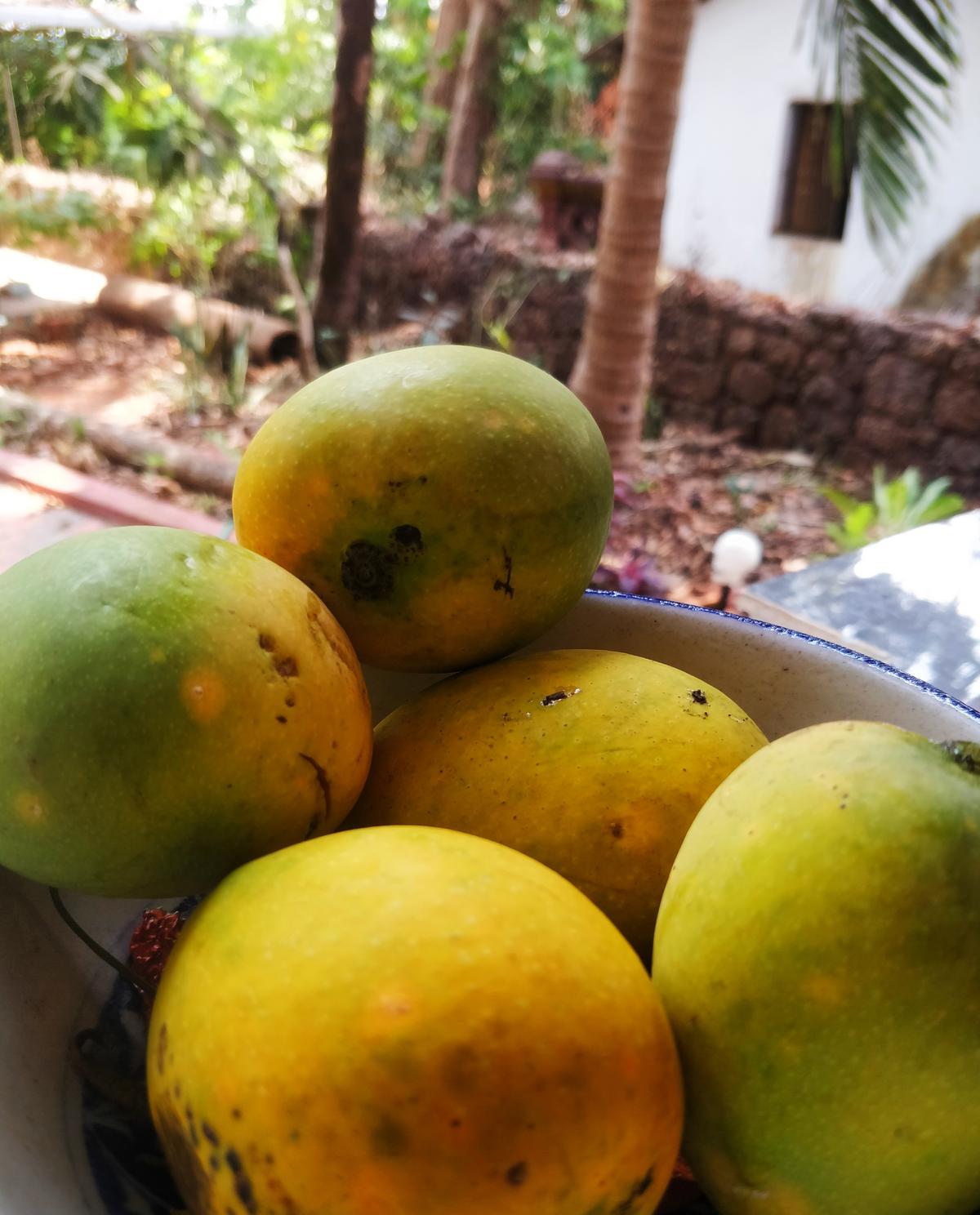
The summer bounty is not limited to spirits. The Goan landscape erupts with produce, including jackfruit, fresh kokum, cashew apples, and the prized Mankurad mango. The latter, often considered superior to the globally famous Alphonso by locals, represents the high-water mark of Goan horticulture—expensive, homegrown, and worth the premium.
Chronology: From Brazilian Shores to Goan Orchards
The presence of the cashew tree in Goa is a testament to the "Columbian Exchange" and the sophisticated agricultural strategies of the Portuguese. While the tree is now considered a cornerstone of Goan culture, it is not indigenous to the Indian subcontinent.
The 16th-Century Introduction
The Portuguese introduced the cashew tree to Goa more than 500 years ago, transporting seeds from Brazil. While they are often remembered solely as colonial administrators, the Portuguese were also pioneering agriculturalists. They recognized that the cashew tree possessed unique hardy characteristics: it thrived in infertile, lateritic soil and featured a robust root system capable of anchoring the earth against the monsoon rains.
Strategic Permaculture
In a move that prefigured modern permaculture—a system of agricultural and social design principles centered on simulating the patterns observed in natural ecosystems—the Portuguese planted cashews along Goa’s coastal belt. These trees acted as a biological windbreak, bearing the brunt of salt-laden sea breezes and protecting the more delicate farmlands in the interior. Over the centuries, the tree moved from being a coastal protector to a primary economic engine, as the global demand for the cashew nut grew.
The Seasonal Cycle
The modern urrak season follows a strict chronological path:
- February: The first batch, known as pochek, emerges. Connoisseurs generally avoid this early distillate, as it lacks the complexity and depth of flavor found later in the season.
- March to April: The harvest reaches its zenith. This period coincides with the highest temperatures of the year, yet it is when the urrak is at its most potent and flavorful.
- May: As the pre-monsoon clouds gather, the distillation fires are extinguished, and the remaining fruit is often left to return to the soil, marking the end of the cycle.
Supporting Data: The Pre-Industrial Science of Distillation
The production of urrak is a masterclass in sustainable, low-impact manufacturing. It remains one of the world’s last truly pre-industrial spirits, resisting the homogenization and mass production that have characterized the global liquor industry.
The Zero-Waste Model
The cashew tree is a perennial crop that requires virtually no chemical intervention. In Goa, cashew plantations are largely organic by default. The tree provides organic manure through heavy leaf shedding and aids in water percolation through its deep root systems. Furthermore, as a perennial, it serves as a significant tool for carbon sequestration.
The distillation process itself follows a "nothing wasted" philosophy:
- Collection: Only ripe fruit that has fallen naturally to the orchard floor is collected, ensuring maximum sugar content for fermentation.
- Deseeding: The cashew nut (the botanical seed) is manually removed for commercial sale.
- Koimbi (Foot-crushing): Using the oldest technology available—human feet—the cashew apples are crushed in granite-lined stone pits to extract the juice.
- Fermentation: The juice is funneled into clay fermentation vessels (traditionally buried in the ground) where wild yeasts convert sugars to alcohol.
- Distillation: The fermented juice is boiled in copper stills. The first distillate captured is urrak, boasting an alcohol by volume (ABV) typically between 12% and 15%.
- Recycling: The leftover pulp, or "pomace," is returned to the orchards to serve as high-quality organic fertilizer.
The Chemistry of Cooling
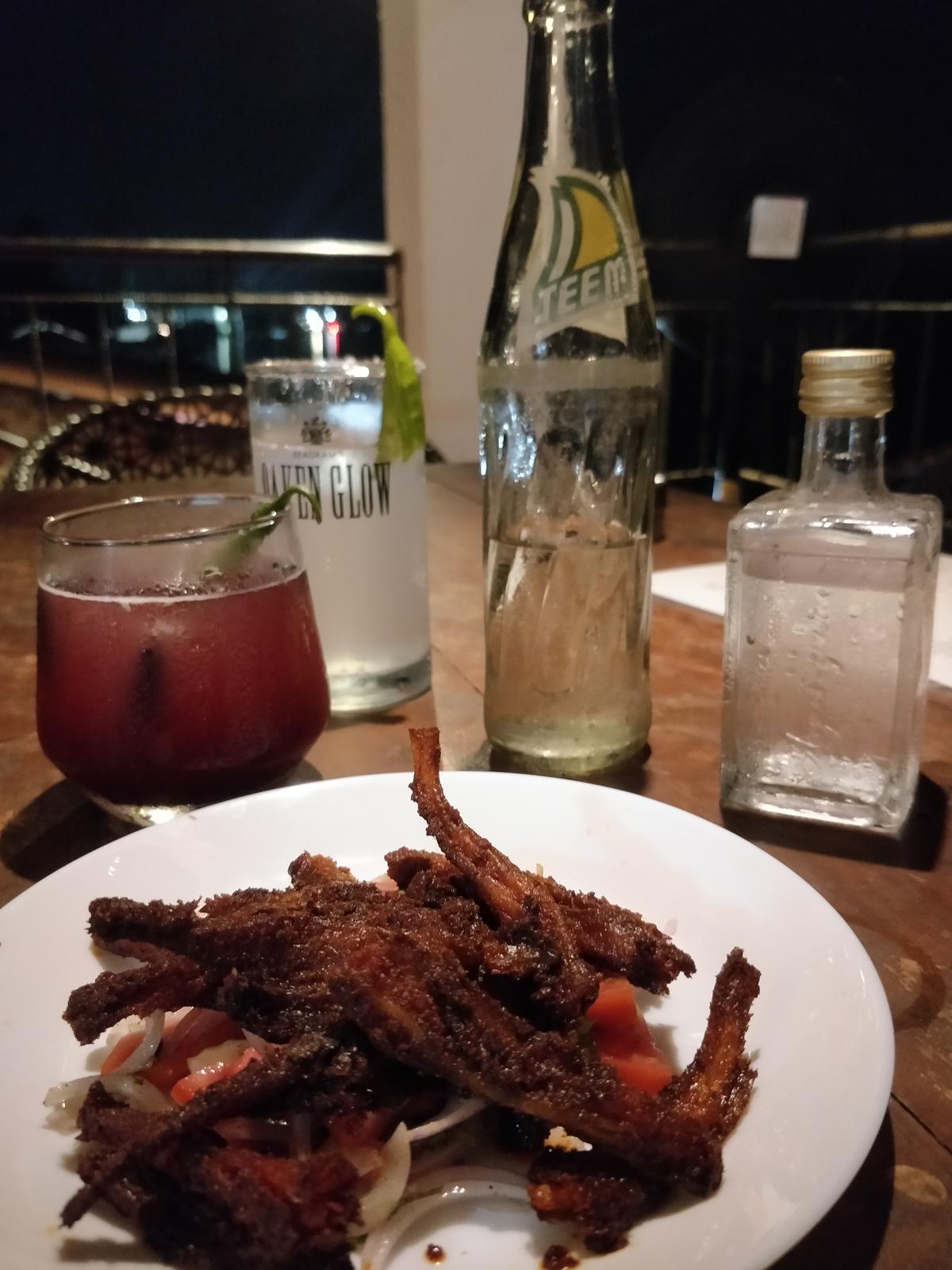
While urrak is an alcoholic beverage, Goans attribute specific physiological properties to it. It is considered "naturally cooling." Local wisdom dictates that drinking urrak in an air-conditioned room is a recipe for catching a cold, as the drink supposedly lowers the body’s internal temperature to match the summer heat. This "cooling" effect is why it is almost exclusively consumed outdoors, often mixed with lemonade, a pinch of salt, and a slit green chili.
Official Responses and Economic Context
The status of Goan cashew spirits has undergone significant shifts in the eyes of the law and global trade.
The GI Tag and Heritage Status
In 2009, Goan Cashew Feni (the double-distilled version) was granted a Geographical Indication (GI) tag, the first for an Indian liquor. This legal protection recognizes that the spirit can only be produced in Goa using traditional methods. While urrak is the intermediate step in Feni production, its status as a "heritage spirit" has bolstered local efforts to protect the traditional vaddo-based distilleries from industrial encroachment.
Regulatory Challenges
The Goa Excise Department maintains strict control over the distillation season. Licenses are issued to traditional "bhatti" (distillery) owners, many of whom have operated the same copper stills for generations. However, there is a constant tension between traditional production and modern safety standards. Officials have largely allowed the "foot-crushing" method to continue, recognizing it as a vital cultural heritage, provided the final product meets basic purity standards.

Resistance to Gentrification
Unlike tequila or mezcal, which have seen massive global investment and subsequent "premiumization," urrak has remained stubbornly local. Its "overpoweringly sweet funkiness," as described by Malhi, makes it difficult to incorporate into sophisticated, high-end cocktails. It is a spirit that "defiantly resists any attempt to gentrify it." Because it has a shelf life much shorter than bottled spirits and its flavor changes as it oxidizes, it does not export well, keeping the economy localized and community-driven.
Implications: Preservation and Environmental Stewardship
The story of the cashew harvest in Goa is more than a tale of seasonal drinking; it is a blueprint for cultural and environmental continuity in an era of rapid disruption.
Community Cohesion
The production of urrak acts as a social glue. It requires the cooperation of neighbors, the sharing of ancestral land, and the maintenance of traditional knowledge. In the vaddos, the act of sharing a glass of urrak on a balchao (a traditional Goan porch) is an initiation into the community. It is a barrier against the "shiny new Goa" of high-rise apartments and transient tourism.
Environmental Resilience
As climate change threatens traditional agricultural cycles, the cashew tree stands as a resilient survivor. Its ability to grow without irrigation or pesticides makes it an ideal crop for a future of water scarcity. Permaculture advocates, like Malhi, argue that the Goan model of cashew cultivation—integrated into the landscape and supporting a local spirit industry—is a sustainable alternative to the intensive mono-cropping seen in other parts of the world.
The Future of "Slow Spirits"
The persistence of urrak suggests that there is a market for "slow spirits"—products that cannot be rushed, mass-produced, or divorced from their geographical origin. By gatekeeping their favorite spots and adhering to traditional consumption rituals (such as using glass-bottled soda rather than plastic), Goans are preserving a way of life that values quality of experience over quantity of output.
In conclusion, the Goan summer is not a season to be endured, but a harvest to be celebrated. Through the lens of the cashew tree and the amber flow of urrak, we see a society that has successfully integrated a foreign species into its very soul, creating a sustainable, community-focused ecosystem that remains one of India’s most authentic cultural treasures. For those who know where to look, the true spirit of Goa isn’t found on a crowded beach in December, but in the shade of a cashew orchard in April, glass in hand, swaying to the "gentle urrak sway."
