

BARIPADA, ODISHA – In the heart of the Mayurbhanj district, where the red soil of Odisha meets the dense foliage of the Simlipal biosphere, stands a buttercup-yellow sentinel of history. The Belgadia Palace, a 19th-century Victorian-era structure, has transitioned from a private royal retreat into a beacon of sustainable heritage tourism. Managed by the 48th generation of the Bhanj dynasty, the property is more than a boutique hotel; it is a catalyst for cultural preservation and rural empowerment in one of India’s most storied tribal heartlands.
Main Facts: A Boutique Gateway to Odisha’s Heritage
The Belgadia Palace serves as the primary residence of the erstwhile royal family of Mayurbhanj, who opened its doors to the public in 2019. Situated in Baripada, the district headquarters, the palace is a sprawling estate characterized by its vibrant yellow-and-white facade, manicured lawns, and a unique blend of Greek and Victorian architecture.
The property features 12 guest rooms—divided into Palace Suites and Historical Suites—each curated with an Art Deco aesthetic that balances ancestral heirlooms with modern luxury. However, the true significance of the palace lies in its operational philosophy. Under the leadership of sisters Akshita Bhanj Deo and Mrinalika Bhanj Deo, the palace functions as a "living museum" and a social enterprise, funneling tourism revenue into local tribal communities and the revival of dying art forms like the Mayurbhanj Chhau dance.
Chronology: From Princely Seat to Modern Sanctuary
The history of The Belgadia Palace is inextricably linked to the progressive governance of the Bhanj dynasty, a lineage that has ruled Mayurbhanj for over a millennium.
- Early 1800s: The palace was originally constructed to serve as a guest house for visiting royalty, British dignitaries, and extended family members. It was designed to provide a secluded, aesthetic retreat away from the administrative bustle of the main palace.
- Post-Independence (1947–1950s): Following the merger of princely states into the Indian Union, the royal family made a significant philanthropic gesture. They vacated their primary, more expansive palace to facilitate the establishment of the Maharaja Purna Chandra (MPC) Junior College, ensuring that the youth of Mayurbhanj had access to higher education.
- Late 1990s: The royal family moved into The Belgadia Palace permanently, turning the guest residence into their primary ancestral home.
- 2019: Recognizing the potential for heritage tourism to uplift the local economy, the "next-gen" royals, Akshita and Mrinalika Bhanj Deo, launched the palace as a boutique hotel. This marked the beginning of a new era where the palace’s gates were opened to global travelers, researchers, and students.
- 2020–Present: Despite the challenges of the global pandemic, the palace expanded its reach by establishing the Mayurbhanj Foundation and Hasa Atelier, focusing on the socio-economic resilience of local artisans.
Supporting Data: The Architecture of Preservation
The restoration of The Belgadia Palace was a delicate exercise in "adaptive reuse." Unlike many heritage properties that undergo modern overhauls, the Bhanj Deo sisters insisted on maintaining the structural integrity and historical soul of the building.
Architectural Nuances
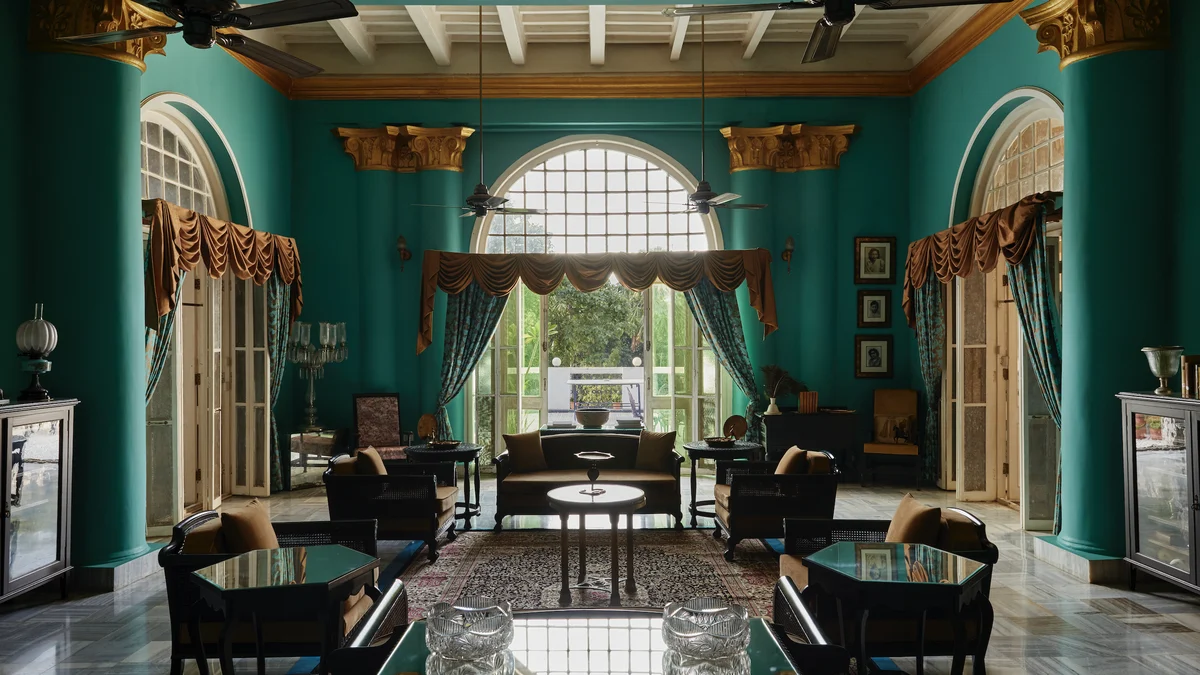
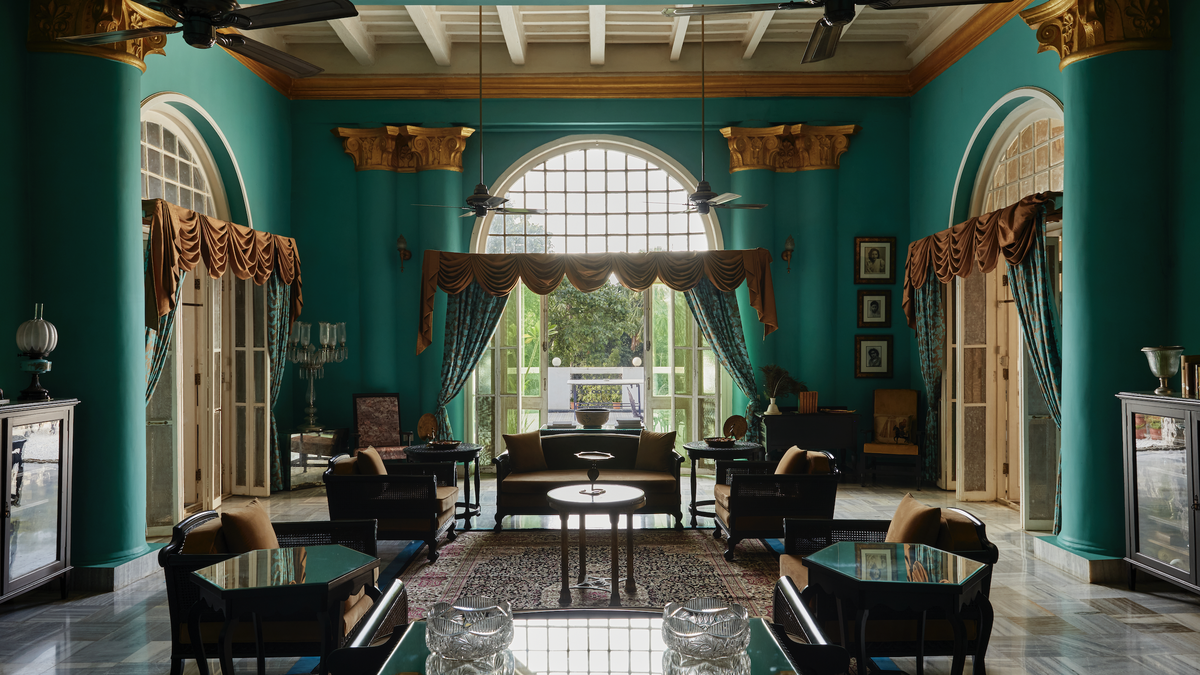
The palace is an Art Deco sanctuary. The interiors are defined by high ceilings, heavy velvet drapes, and sequestered nooks featuring wingback chairs and antique pouffes. The library houses a collection of books exceeding 100 years in age, covering subjects from Vedic philosophy to colonial law.
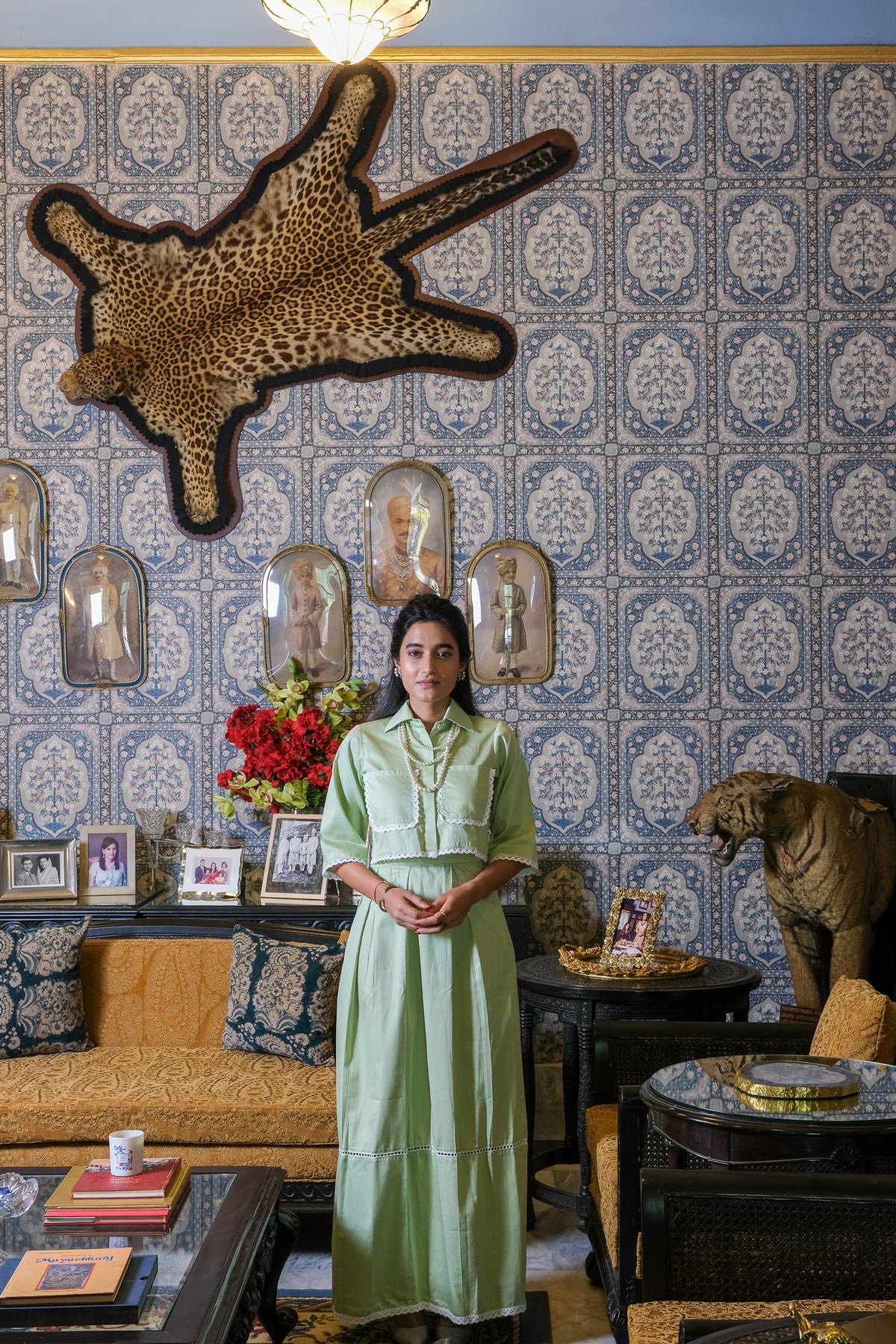
The renovation process was technically rigorous. "It isn’t as easy as simply installing new wiring or drilling into walls," Mrinalika Bhanj Deo explains. "Every technical decision had to be well thought out to preserve the heritage and legacy." The historical suites in the garden building, for instance, retain the curved archways and elevated platforms of the original palace kitchens, offering guests a tactile connection to the past.
Biodiversity and Environment
The palace grounds are a micro-ecosystem. A recent survey by guests using birding applications identified at least 15 distinct bird species within the palace gardens. The estate is also home to a diverse botanical collection, with century-old mango trees and neatly labeled flora that serve as an educational resource for visitors.
Official Responses: The Vision of the 48th Generation
The transformation of the palace is driven by a clear mandate: to prove that heritage can be a tool for modern development.

Mrinalika Bhanj Deo emphasizes that the palace’s mission is rooted in its original purpose. “The original function of the Belgadia palace has always been to host… be it in the way of arts, culture, or even having people come in to celebrate different events and festivals,” she says. “Opening the doors once again in 2019 felt like we were coming full circle.”
The sisters are also deeply involved in the day-to-day cultural integration of the property. They treat the palace as a bridge between the guest and the local community. "We treat the palace like a living museum," Mrinalika adds. "A team member escorts visitors through the property… we want to encourage both our visitors from the region and guests to partake in our celebration of Mayurbhanj and its legacy."
Supporting Data: Cultural and Culinary Integration
The stay experience at Belgadia is designed to be immersive, focusing on three core pillars: Performing Arts, Tribal Crafts, and Culinary Heritage.
The Revival of Mayurbhanj Chhau
One of the flagship experiences at the palace is the performance of Mayurbhanj Chhau, a martial and folk dance form that is distinct from its counterparts in Seraikela and Purulia due to its lack of masks. The palace works closely with Project Chhauni, a local organization dedicated to training the next generation of dancers. By hosting three-day festivals and regular performances, the palace provides a steady platform and income for these performers.
The Mayurbhanj Foundation and Sabai Grass
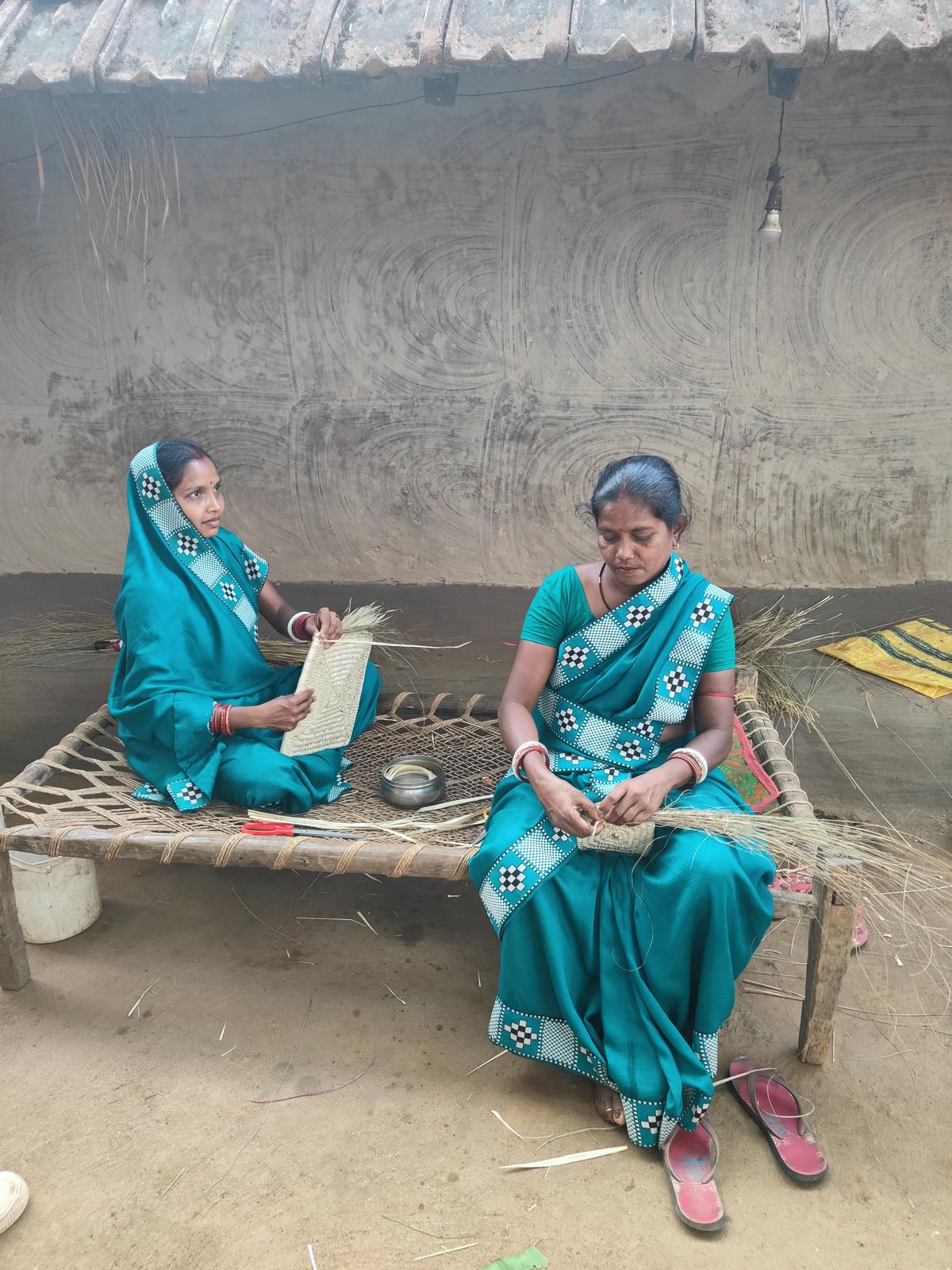
The district is famous for its Sabai grass (Eulaliopsis binata) handicrafts. Through the Mayurbhanj Foundation, the royal family supports clusters of women weavers in villages like Salasahi. When the pandemic disrupted supply chains, the sisters launched Hasa Atelier, an on-site boutique.
"This was born out of wanting to have a strong identity and presence for Odisha craftsmanship," says Mrinalika. The boutique sells Sabai grass baskets, ropes, and Dhokra (lost-wax casting) jewellery, ensuring that the profit remains within the community.
A Fusion of Palates
The culinary offerings at Belgadia reflect the geographical and cultural intersection of Odisha and West Bengal. The menu is a sophisticated blend of Odia and Bengali flavors, featuring:
- Bansha Pora Murgi: Chicken cooked inside bamboo stalks, a tribal specialty.
- Chakulis: The Odia variant of the dosa, served with mildly spiced ghugni.
- Local Delicacies: Chingdi checha (shrimp curry), badi chura (crushed lentil dumplings), and the iconic Chennapooda (burnt cottage cheese dessert).
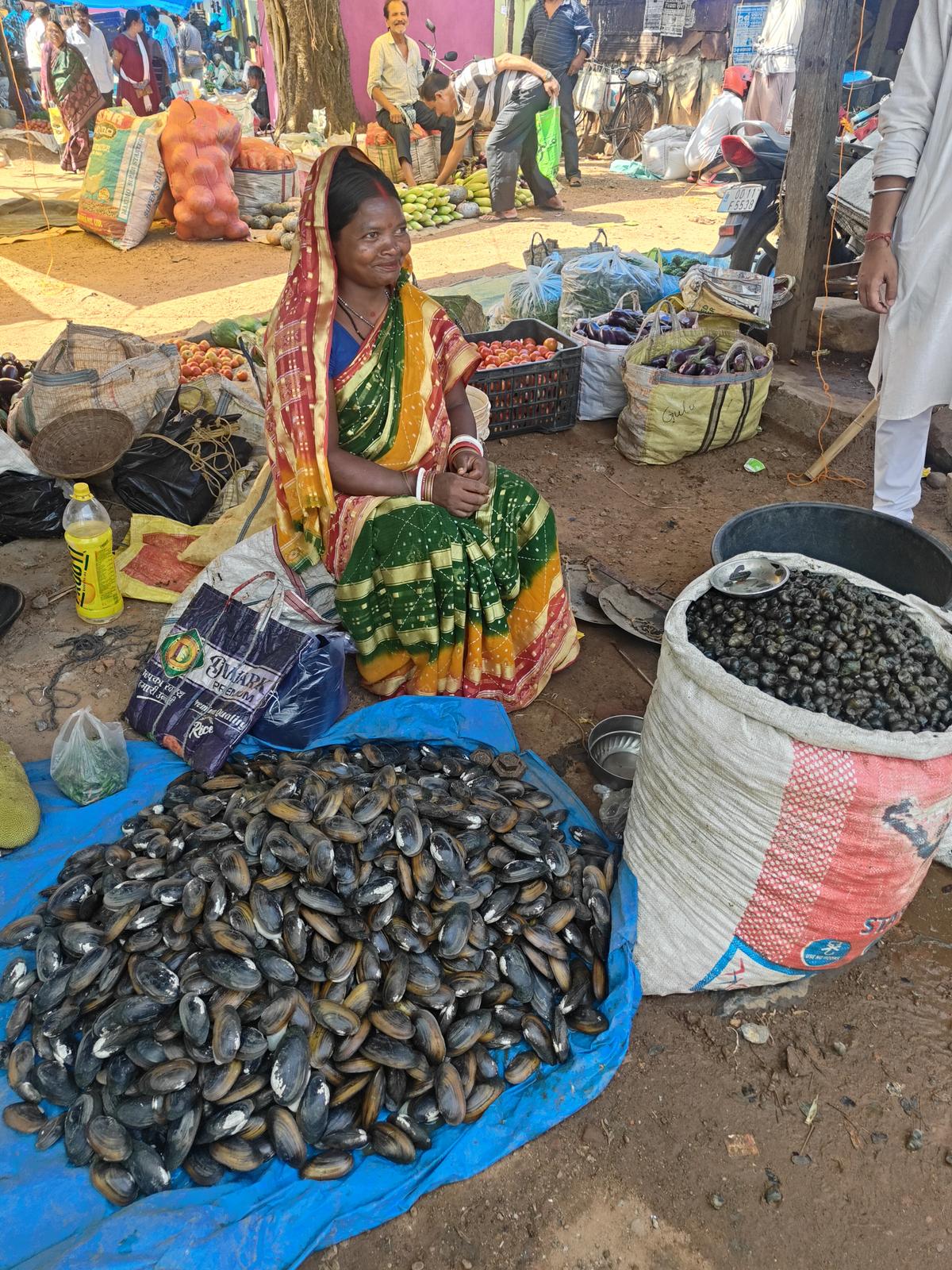
- The GI Factor: The palace introduces guests to the famous GI-tagged Red Ant Chutney (Kai Chutney), sourced from the local Baripada haat (market), highlighting the medicinal and nutritional traditions of the local tribes.
Implications: The Future of Heritage Tourism in Eastern India
The success of The Belgadia Palace has significant implications for the tourism landscape of Eastern India, particularly for Odisha, a state often overlooked in favor of Rajasthan’s palace circuits.
1. Decentralizing Tourism
By drawing high-end travelers to Baripada, the palace is decentralizing tourism from the "Golden Triangle" of Bhubaneswar-Puri-Konark. It positions Mayurbhanj as a viable luxury-heritage destination, opening doors for the exploration of the Simlipal National Park, home to the world’s only melanistic (black) tigers.
2. Sustainable Development Goals (SDGs)
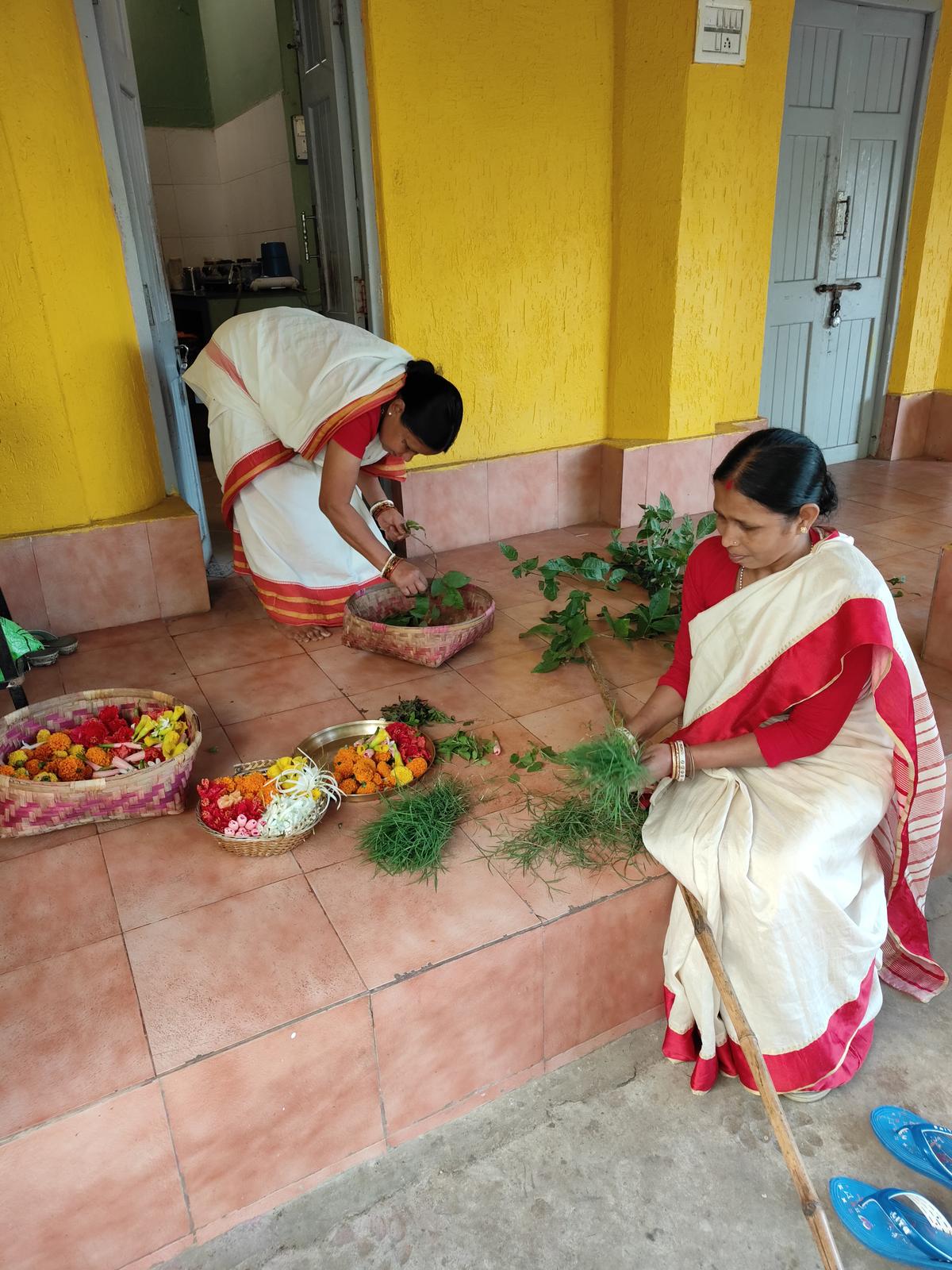
The palace’s model aligns with several UN SDGs, including Decent Work and Economic Growth (SDG 8) and Reduced Inequalities (SDG 10). By providing employment to locals—many of whom are seen in the palace gardens and dining rooms dressed in traditional red-and-white saris—the property ensures that the "royal" experience is a shared economic victory.
3. Preserving "Lived-In" History
Unlike state-run museums that can feel sterile, the "living museum" model at Belgadia preserves the human element of history. Guests stay alongside the royal family, witnessing the continuation of traditions rather than a reenactment of them. This authenticity is increasingly what the modern "conscious traveler" seeks.
4. Educational Catalyst
By welcoming students and local youth for tours, the palace fosters a sense of pride and ownership among the local population. It ensures that the history of the Bhanj dynasty—known for building railways, schools, and hospitals—is not forgotten by the younger generation.
Conclusion
The Belgadia Palace is a testament to the fact that history is not a static entity to be admired from a distance, but a dynamic force that can shape the future. Through the vision of Akshita and Mrinalika Bhanj Deo, this buttercup-yellow residence has become a lighthouse for Mayurbhanj. It proves that with sensitive restoration, community engagement, and a deep respect for local culture, the legacies of the past can provide the blueprint for a sustainable and inclusive future. As guests depart through the white gates, they leave not just with photographs of a "Wes Anderson-esque" palace, but with a profound understanding of the resilient spirit of Odisha.
