

The Indian automotive landscape is currently witnessing a paradigm shift, moving away from the clamor of internal combustion engines toward the hum of electric propulsion. At the forefront of this transition is Tata Motors, a company that has strategically positioned itself as the leader of the domestic Electric Vehicle (EV) market. Their latest offering, the Tata Punch.ev, represents more than just a new model; it is a manifestation of "quiet confidence." Eschewing unnecessary gimmicks and overwhelming tech-heavy marketing, the Punch.ev focuses on a singular, potent goal: delivering a functional, sophisticated EV that integrates seamlessly into the daily lives of the Indian middle class.
Main Facts: A Balanced Approach to Electrification
The Tata Punch.ev is the first product to be built on Tata’s dedicated "acti.ev" (Advanced Connected Tech-Intelligent Electric Vehicle) architecture. This represents a significant leap from previous "converted" platforms, allowing for better packaging, increased efficiency, and a ground-up approach to electric mobility.
Positioned strategically in the price bracket of ₹9.69 lakh to ₹12.59 lakh (ex-showroom), the Punch.ev fills the crucial gap between the entry-level Tiago.ev and the more premium Nexon.ev. It is offered in two main iterations: the Standard range and the Long Range. The latter, which features a 40 kWh battery pack, delivers approximately 122 bhp (130 PS) and 190 Nm of torque (noted as 154 Nm in specific tuning variants), providing a performance profile that punchily exceeds its compact dimensions.
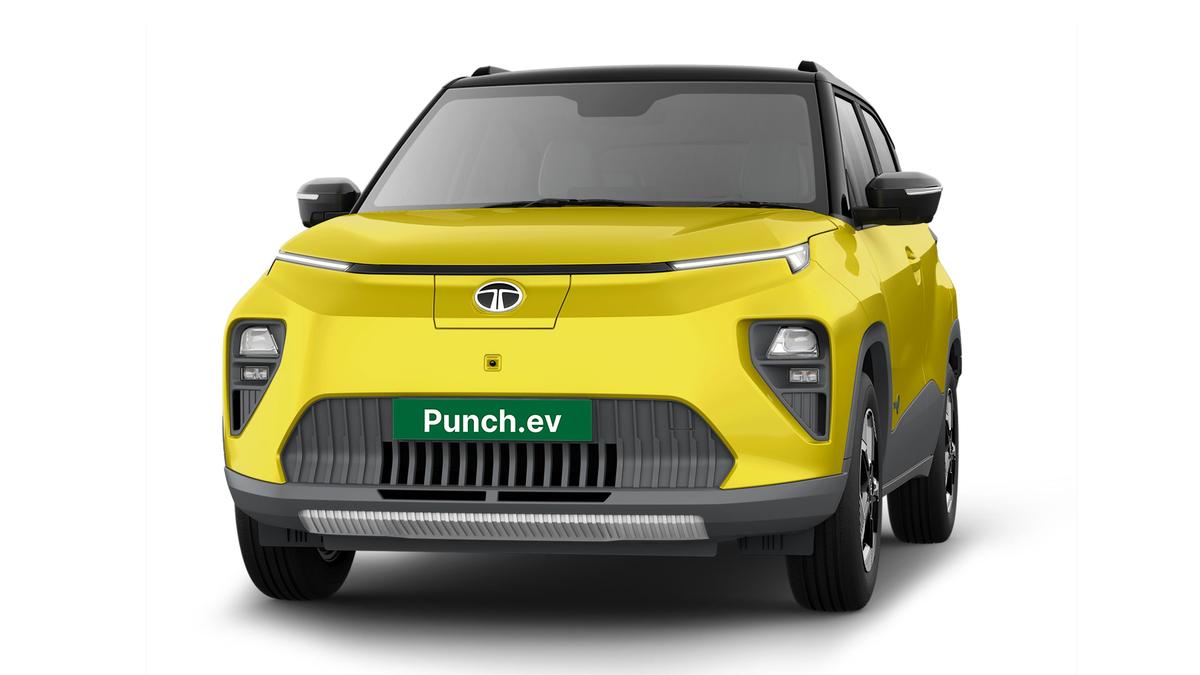
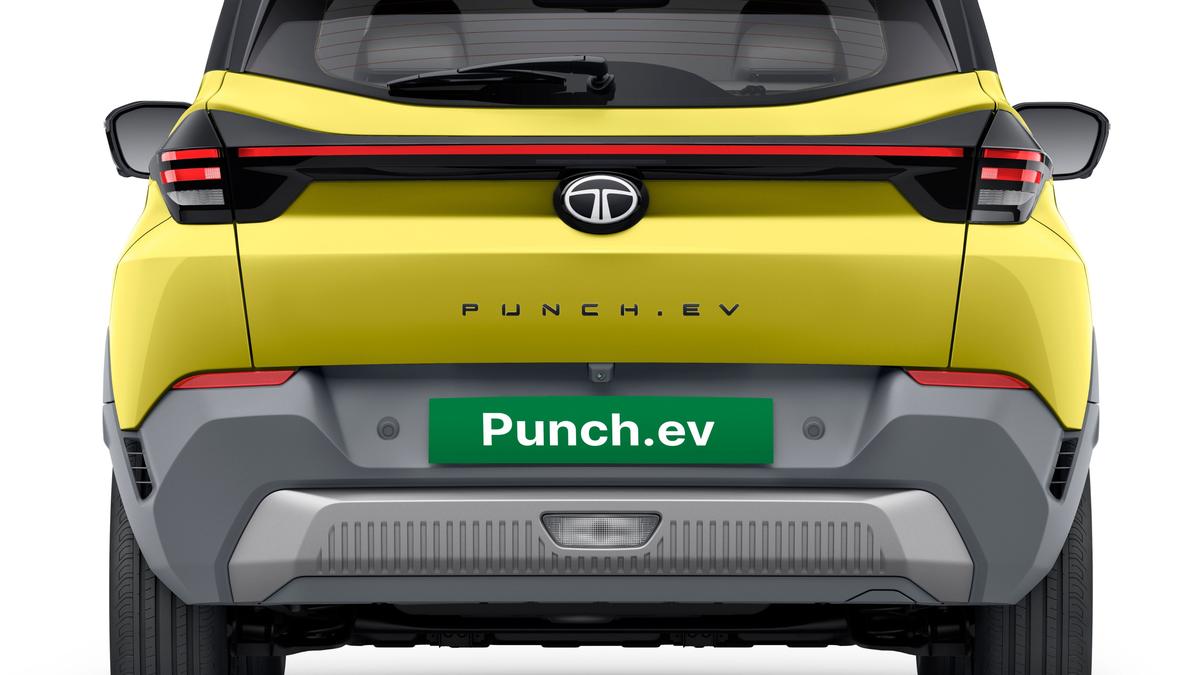
The vehicle is designed with the "City First" philosophy. While it retains the rugged, "mini-SUV" aesthetic of the internal combustion engine (ICE) Punch, the EV variant introduces a cleaner, more contemporary design language, including a signature full-width LED light bar and a revised front fascia that houses the charging port behind the iconic Tata logo.
Chronology: From Conversion to Dedicated Architecture
To understand the significance of the Punch.ev, one must look at the evolution of Tata Motors’ EV journey.
- Phase 1: The Conversion Era (2020–2022): Tata began its journey by retrofitting existing ICE platforms. The Nexon EV and Tiago.ev were pioneers, proving that Indian consumers were ready for electric mobility if the price and range were "just right."
- Phase 2: The Bridge (2023): As the market matured, Tata introduced software and battery management improvements, but the physical limitations of ICE-derived platforms (such as the transmission tunnel hump) remained.
- Phase 3: The acti.ev Revolution (2024): The launch of the Punch.ev marks the beginning of the second generation. By utilizing a dedicated EV platform, Tata has been able to offer a flat rear floor, a "frunk" (front trunk), and better weight distribution. This chronology highlights a rapid maturation of engineering capabilities within a four-year window.
Supporting Data: Performance, Range, and Technical Specifications
The true value of the Tata Punch.ev lies in the data derived from real-world usage versus laboratory testing.
Performance Dynamics
The Long Range variant’s motor is tuned for immediacy. In urban conditions, the car displays a remarkable eagerness up to 60 km/h. Unlike some budget EVs that suffer from "on-off" throttle responses, the Punch.ev utilizes a progressive throttle map. This ensures that the 154 Nm of torque is delivered linearly, preventing the "head-nod" effect often associated with electric torque delivery in stop-and-go traffic.
The Range Reality
While the Automotive Research Association of India (ARAI) provides optimistic figures for range, Tata Motors has been transparent about "real-world" expectations.
- ARAI Claimed Range: Often exceeding 420 km for the 40 kWh pack.
- Real-World Expectation: 300 km to 350 km.
This 300+ km window is a critical psychological threshold for Indian buyers, as it comfortably covers a week of urban commuting (averaging 40 km/day) on a single charge, or a medium-distance intercity trip.
Charging Infrastructure Compatibility
The Punch.ev supports DC fast charging up to 65 kW. In an ideal environment, the battery can replenish from 20% to 80% in approximately 30 minutes. More impressively, for users in a hurry, a 15-minute "splash and dash" can add roughly 130 km of range. This capability significantly reduces "range anxiety," transforming the EV from a restricted city car into a versatile tool for broader mobility.
Official Context and Industry Standards
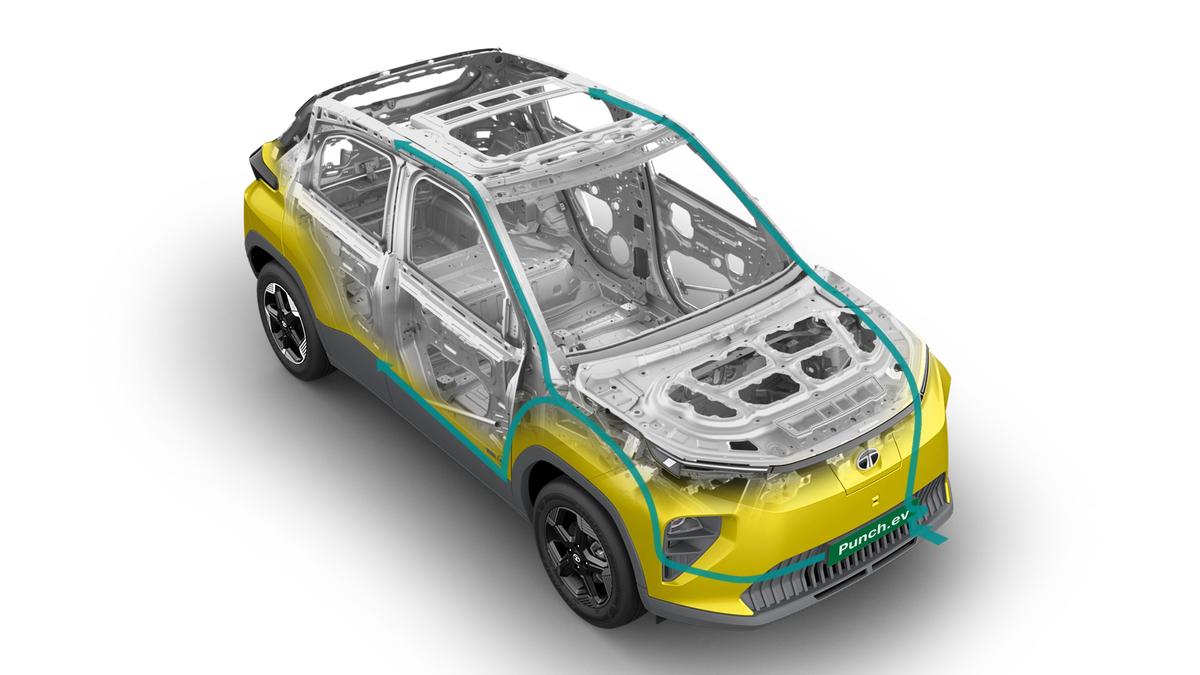
Tata Motors has integrated safety and structural integrity as core pillars of the acti.ev platform. The Punch.ev is engineered to meet high safety standards, following the footsteps of the ICE Punch, which earned a 5-star Global NCAP rating.
Safety Suite
The vehicle comes equipped with:
- Electronic Stability Control (ESC) and Traction Control: Vital for managing the instant torque of an electric motor, especially on wet or loose Indian roads.
- Structural Reinforcement: The battery pack is encased in a high-strength steel structure to protect against side impacts.
- Six Airbags: Now becoming a standard expectation in this segment, ensuring comprehensive occupant protection.
Interior and Ergonomics
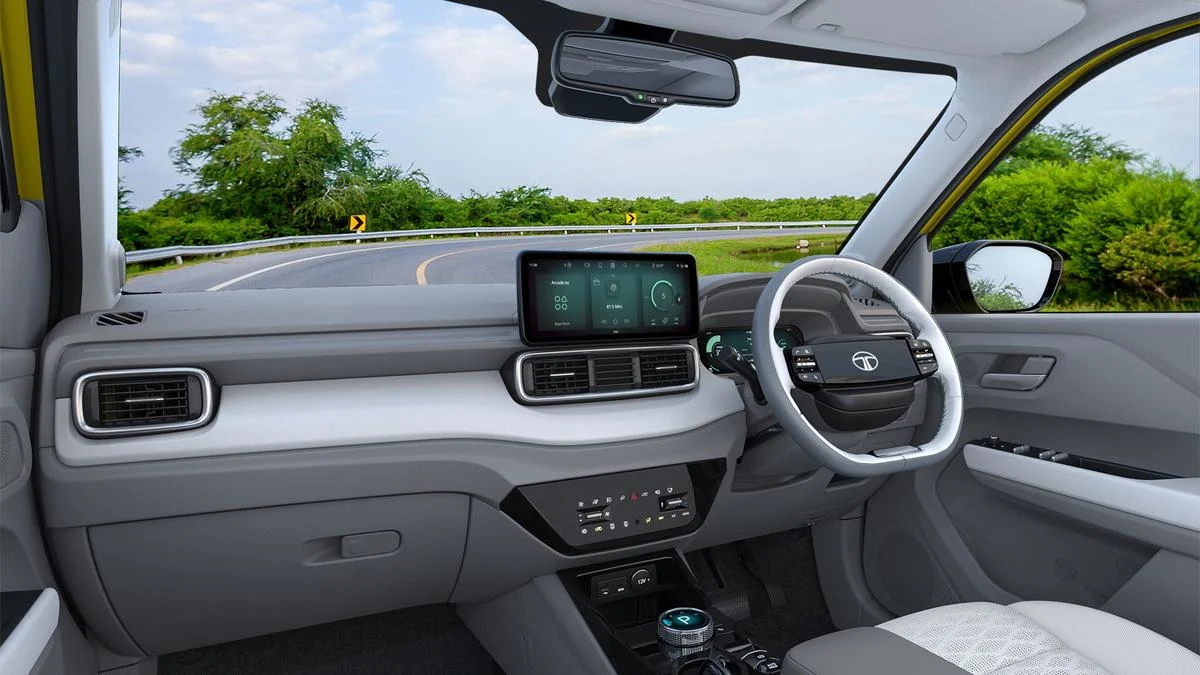
The cabin reflects a sophisticated shift in Tata’s design philosophy. The centerpiece is a dual 10.25-inch screen setup—one for the infotainment system and one for the digital instrument cluster.
- Software Integration: Wireless Android Auto and Apple CarPlay are standard, with the instrument cluster capable of projecting navigation maps directly in the driver’s line of sight.
- Premium Features: In a first for this segment, Tata has included ventilated front seats, a feature highly prized in India’s tropical climate.
- Space Management: Despite its compact footprint, the 366-litre boot and the addition of a small 14-litre frunk provide practical storage solutions that rival larger hatchbacks.
Implications: Impact on the Indian Market and Beyond
The arrival of the Tata Punch.ev has several far-reaching implications for the automotive industry and the consumer landscape.
1. Democratization of the Dedicated EV Platform
Previously, dedicated EV platforms were reserved for luxury vehicles (such as those from Tesla, Hyundai’s Ioniq, or Kia’s EV series). By bringing the acti.ev architecture to the sub-₹15 lakh segment, Tata has democratized high-end EV technology, forcing competitors to accelerate their own dedicated platform developments.
2. The "Goldilocks" Solution
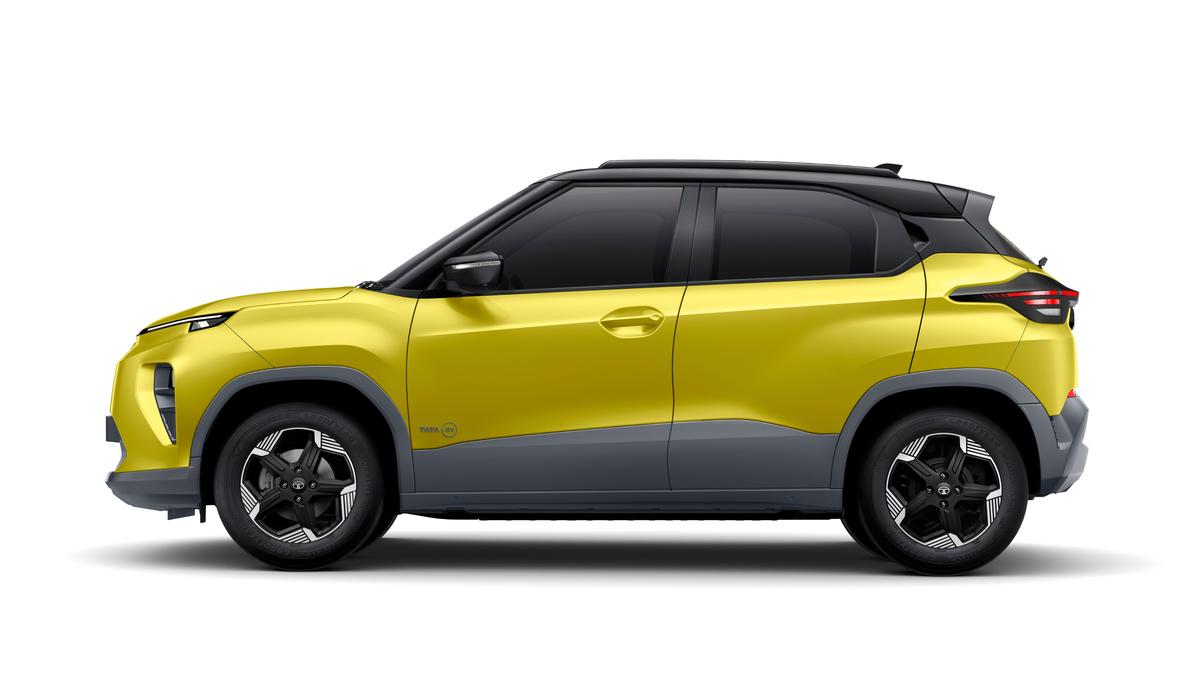
The Punch.ev serves as the "just right" solution for the Indian market. It offers the high seating position and ground clearance (195 mm) of an SUV—which is essential for navigating monsoon-flooded roads and unpaved terrain—while maintaining the compact dimensions necessary for tight urban parking. Its water-wading capability further cements its status as a rugged, "go-anywhere" city car.
3. Challenging the ICE Status Quo
With a starting price under ₹10 lakh, the Punch.ev is no longer a "luxury second car" for the wealthy. It is increasingly becoming a viable primary vehicle for young professionals and small families. The total cost of ownership (TCO), factoring in the significantly lower cost per kilometer compared to petrol or diesel, makes a compelling financial case for high-mileage urban users.
4. Material Quality and Future Improvements
While the Punch.ev is a triumph of engineering, it also highlights areas for future growth. Industry analysts note that while the tech and powertrain are world-class, some interior plastics and material choices remain basic to keep costs competitive. As the market evolves, the expectation for "premiumness" in the cabin will likely drive Tata to refine its fit and finish even further in future iterations.
Conclusion: A Practical Vision of the Future
The Tata Punch.ev does not attempt to reinvent the wheel; instead, it perfects the circularity of the driving experience. It addresses the friction points of EV ownership—charging speed, range anxiety, and price—with pragmatic, well-engineered solutions.
By focusing on "quiet confidence" rather than flashy gimmicks, Tata Motors has produced a vehicle that feels mature and ready for the masses. It is a car that fits into a garage as easily as it fits into a lifestyle. As India continues its journey toward a greener future, the Punch.ev stands as a benchmark, proving that the transition to electric mobility can be effortless, attainable, and, above all, enjoyable.
Technical Summary:
- Price Range: ₹9.69 lakh – ₹12.59 lakh (Ex-showroom)
- Battery Options: 25 kWh / 40 kWh
- Peak Power: 122 bhp (Long Range)
- Peak Torque: 154 Nm – 190 Nm
- Ground Clearance: 195 mm
- Boot Space: 366 Litres (plus Frunk)
This report was compiled in association with Motorscribes and The Hindu, providing comprehensive insights into the latest advancements in the Indian automotive sector.
