

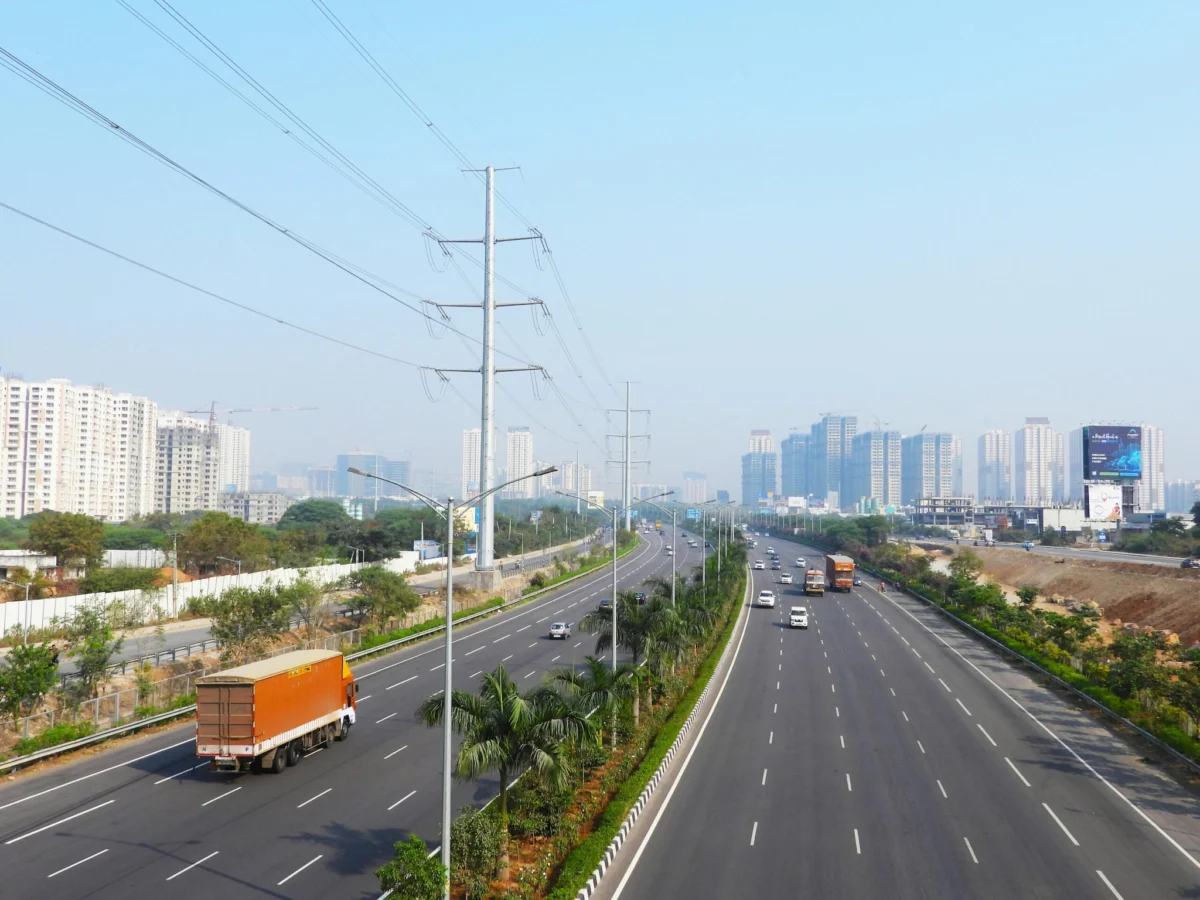
Lucknow, Uttar Pradesh | May 21, 2026, 20:30 IST – Uttar Pradesh is on the cusp of a monumental infrastructural leap forward with the ambitious Shamli-Gorakhpur Expressway project. This sprawling 742-kilometer corridor, estimated to cost a staggering ₹40,000 crore, is poised to redefine connectivity within the state, serving as a vital artery linking its western and eastern extremities. Beyond mere transit, the expressway promises to be a powerful catalyst for economic growth, industrial development, and enhanced tourism, transforming the socio-economic landscape of numerous districts.
The vision for this high-speed corridor extends far beyond intra-state travel. It is strategically designed to significantly reduce travel times to neighboring regions, most notably slashing the journey between Delhi NCR and the Nepal border to a mere 8 hours. This enhanced accessibility is expected to unlock unprecedented opportunities for trade, tourism, and cultural exchange with Nepal, a crucial neighbor. Furthermore, the expressway will streamline access to Bihar and other adjacent areas, fostering greater regional integration and economic synergy.
The project, spearheaded by the National Highway Authority of India (NHAI), is a testament to the state’s commitment to modernizing its infrastructure and stimulating economic progress. As land acquisition progresses across several districts, the dream of a seamless, high-speed network across Uttar Pradesh inches closer to reality.
Project Genesis and Strategic Alignment
The conceptualization and subsequent green-lighting of the Shamli-Gorakhpur Expressway represent a strategic initiative by the Uttar Pradesh government and the central government to address the long-standing connectivity challenges in the state’s vast northern belt. For years, the western and eastern parts of Uttar Pradesh have operated with relatively disparate levels of infrastructure development and economic activity. The proposed expressway aims to bridge this gap, creating a unified and dynamic economic region.
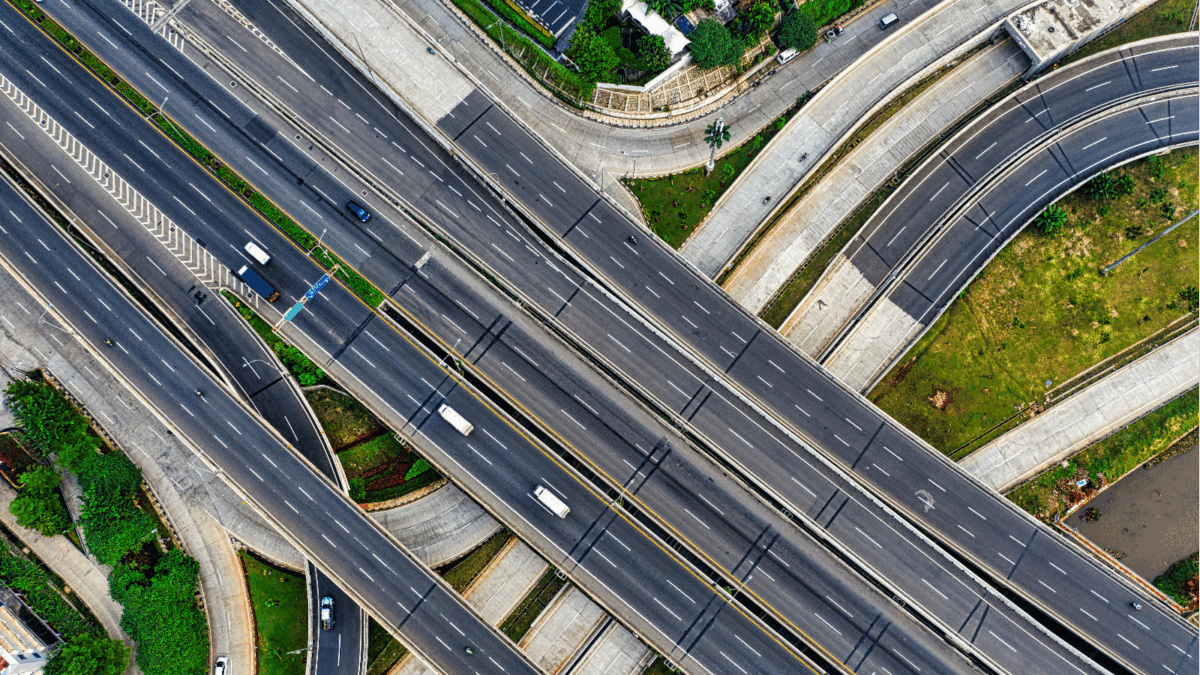
The project’s alignment is meticulously planned to traverse a significant swathe of Uttar Pradesh, connecting key urban centers, agricultural hubs, and burgeoning industrial zones. Starting near the Haryana border, the expressway will trace a path through the fertile plains, weaving its way through districts like Shamli, Muzaffarnagar, Saharanpur, Bijnor, Moradabad, Rampur, Bareilly, Pilibhit, Shahjahanpur, Lakhimpur Kheri, Sitapur, Bahraich, Shravasti, Balrampur, Sant Kabir Nagar, Gorakhpur, and finally culminating at Kushinagar on the Bihar border. This extensive reach ensures that the benefits of enhanced connectivity will be distributed across a broad spectrum of the state’s population and economic activities.
The decision to embark on such a large-scale project is underpinned by a clear understanding of its potential to catalyze economic development. Improved transportation networks are universally recognized as foundational pillars for economic growth. They reduce logistical costs for businesses, facilitate the movement of goods and services, attract investment, and create employment opportunities. The Shamli-Gorakhpur Expressway is anticipated to deliver on all these fronts, ushering in an era of accelerated development for Uttar Pradesh.
Chronology of Development: From Blueprint to Reality
The journey of the Shamli-Gorakhpur Expressway from a proposal to a tangible infrastructure project involves a series of critical stages, each demanding meticulous planning and execution. While the final operational date is slated for the end of 2030, the groundwork and development phases have been meticulously charted.
Initial Planning and Feasibility Studies: The genesis of the project likely involved extensive feasibility studies to assess the viability, economic impact, and environmental considerations of such a massive undertaking. This phase would have involved route surveys, traffic projections, and preliminary cost estimations.
Land Acquisition: A crucial and often complex phase, land acquisition for a project of this magnitude is a continuous process. The NHAI has been actively engaged in acquiring land across numerous districts that fall within the expressway’s proposed path. This involves negotiations with landowners, compensation distribution, and addressing any potential disputes. This stage is critical for maintaining the project’s timeline.
Project Division and Execution: To ensure efficient and timely completion, the NHAI has strategically divided the 742-kilometer project into two major sections. This division allows for parallel execution, optimizing resource allocation and accelerating the construction process.
- Eastern Section: This 394-kilometer portion is being managed by the NHAI’s East Region team. This segment will focus on connecting the eastern districts of Uttar Pradesh, including the crucial link to Gorakhpur and the Bihar border.
- Western Section: The NHAI’s West Region team is overseeing the 348-kilometer western segment. This part of the expressway will connect the western districts of Uttar Pradesh, linking them towards the Haryana border and eventually the National Capital Region.
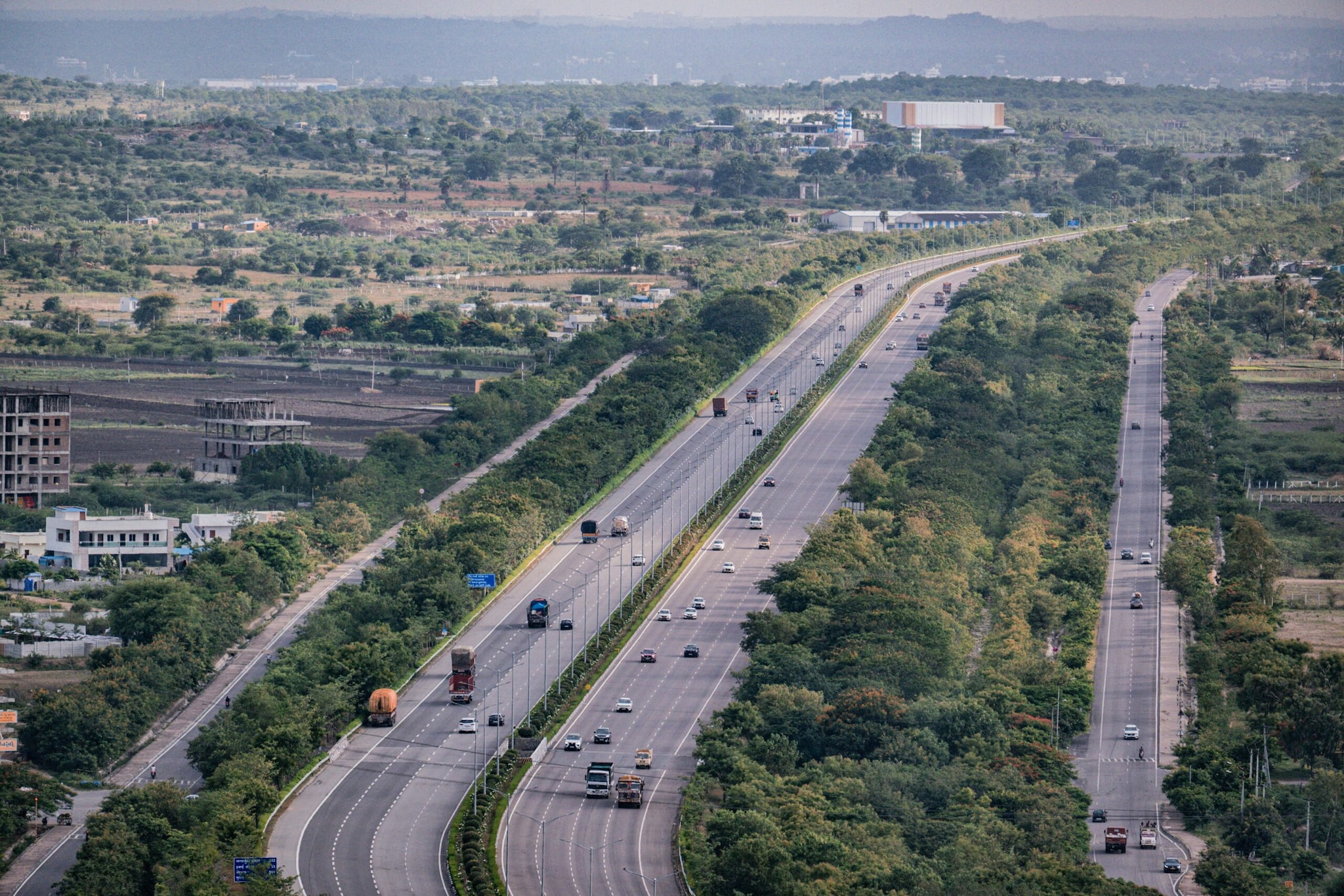
Construction Phases: The construction itself will be a multi-year endeavor, involving the intricate process of building the expressway, including earthwork, paving, bridge construction, and the development of associated infrastructure. The project’s design specifications, including a four-lane main route with six-lane structures for major flyovers, bridges, and railway overbridges, indicate a robust and future-ready infrastructure.
Target Completion: The entire Shamli-Gorakhpur corridor is slated to be fully operational by the end of 2030. This ambitious timeline underscores the urgency and commitment to delivering this transformative project.
Supporting Data and Infrastructure Details
The Shamli-Gorakhpur Expressway is not just about distance; it’s about the quality and efficiency of the infrastructure being built. The project specifications highlight a forward-thinking approach to transportation engineering.
- Total Length: The expressway will span an impressive 742 kilometers, establishing it as one of the longest expressways in Uttar Pradesh.
- Estimated Cost: The project is projected to cost approximately ₹40,000 crore, reflecting the scale and complexity of the undertaking. This significant investment signifies a major push towards modernizing the state’s infrastructure.
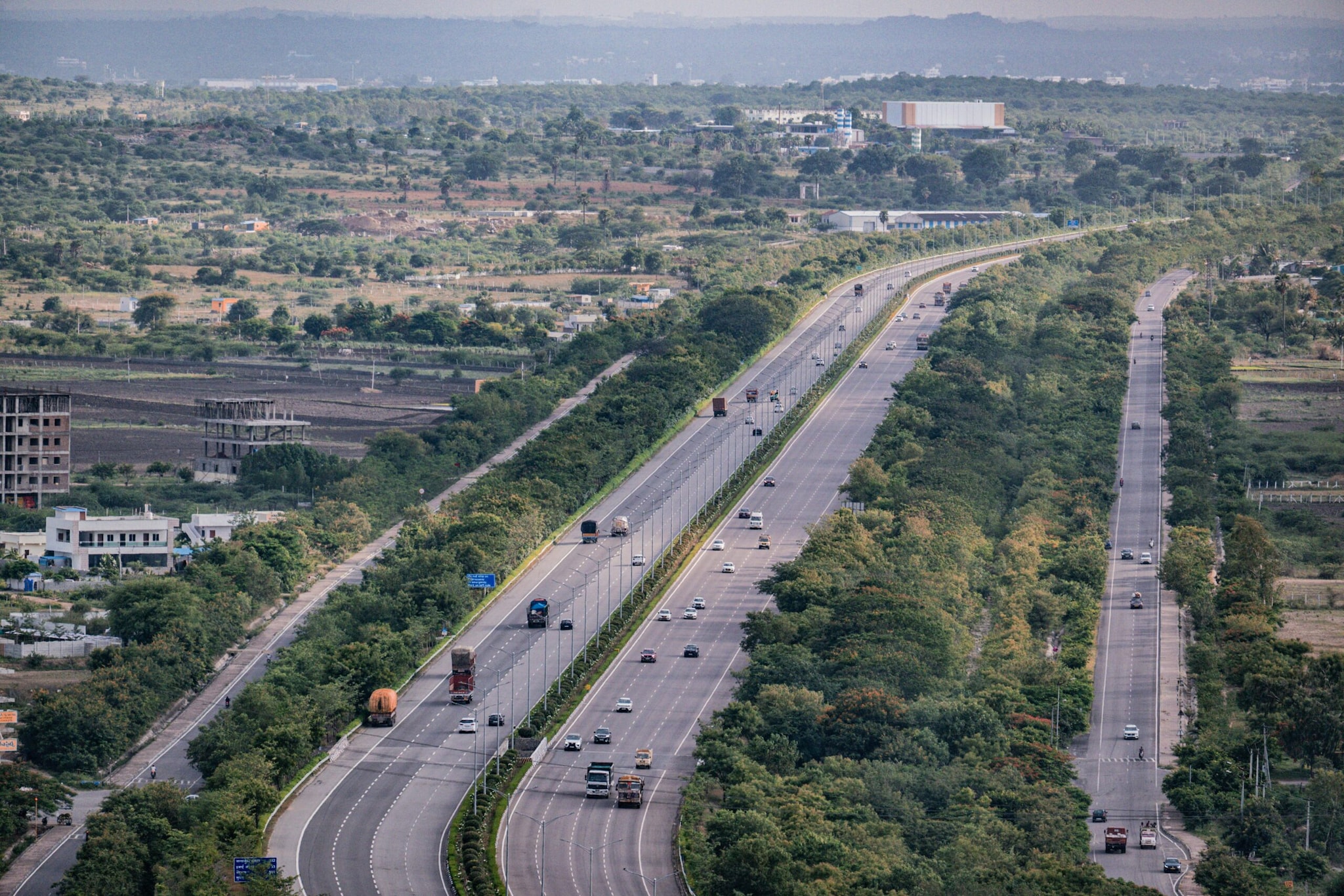
- Lane Configuration: The main carriageway of the expressway will be a four-lane structure, designed to handle high volumes of traffic efficiently. However, recognizing the importance of critical infrastructure nodes, all major flyovers, bridges, and railway overbridges will be constructed as six-lane structures. This ensures the capacity and resilience of these vital components, preventing bottlenecks and facilitating smoother transit.
- Geographical Coverage: The expressway’s route is designed to be inclusive, connecting a multitude of districts across Uttar Pradesh. This includes: Shamli, Muzaffarnagar, Saharanpur, Bijnor, Moradabad, Rampur, Bareilly, Pilibhit, Shahjahanpur, Lakhimpur Kheri, Sitapur, Bahraich, Shravasti, Balrampur, Sant Kabir Nagar, Gorakhpur, and Kushinagar. This extensive network ensures that a wide population base will directly benefit from the improved connectivity.
- Key Interconnections: The expressway will serve as a crucial link between the western and eastern parts of Uttar Pradesh. It will also provide a vital corridor connecting Delhi NCR to the Nepal border and facilitating travel to Bihar and other adjacent regions.
- Strategic Exit Ramps: The design incorporates strategically placed exit ramps. These are crucial for ensuring seamless connectivity for residents of towns and villages along the route, as well as for travelers accessing local destinations without having to traverse long distances on the main expressway.
Official Responses and Government Vision
The Shamli-Gorakhpur Expressway project has garnered significant attention from government officials, who have articulated a clear vision for its impact. While specific quotes from officials are not provided in the source material, the underlying sentiment reflects a strong commitment to infrastructure-led development.
The NHAI’s division of the project into eastern and western sections managed by dedicated regional teams underscores a commitment to operational efficiency and timely delivery. This organizational approach is a direct response to the need for robust project management in large-scale infrastructure initiatives.
The government’s focus on improved connectivity is often framed within the broader context of "Ease of Doing Business" and "Atmanirbhar Bharat" (self-reliant India). By reducing logistical barriers and improving the flow of goods and people, the expressway is expected to:
- Boost Economic Activity: Facilitate faster and cheaper movement of raw materials and finished goods, making Uttar Pradesh a more attractive destination for industries.
- Enhance Tourism: Improve accessibility to historical and natural attractions in the eastern parts of the state, potentially boosting the tourism sector.
- Create Employment: The construction phase alone will generate significant direct and indirect employment. Furthermore, the long-term economic growth spurred by the expressway will lead to sustainable job creation in various sectors.
- Improve Quality of Life: Reduced travel times and better connectivity can improve access to healthcare, education, and other essential services for residents in the covered districts.
The government’s proactive approach in land acquisition and the structured division of the project signal a determination to overcome potential hurdles and ensure the project’s successful completion within the stipulated timeframe.
Implications: A Transformative Impact on Uttar Pradesh
The Shamli-Gorakhpur Expressway is poised to be a game-changer for Uttar Pradesh, with far-reaching implications across economic, social, and logistical spheres.
Economic Renaissance:
The most significant impact will undoubtedly be on the state’s economy. The reduction in transportation costs and time will make Uttar Pradesh a more competitive region for businesses. This could lead to:
- Industrial Growth: New industrial clusters may emerge along the expressway’s corridor, attracted by improved connectivity and access to markets. Sectors like manufacturing, agro-processing, and logistics are likely to benefit immensely.
- Agricultural Prosperity: Farmers in the western and eastern regions will have better access to markets, enabling them to transport their produce more efficiently and reduce post-harvest losses. This could lead to increased profitability and improved livelihoods.
- Boost to MSMEs: Micro, Small, and Medium Enterprises (MSMEs), which form the backbone of the Indian economy, will find it easier to procure raw materials and distribute their products, thereby enhancing their competitiveness.
Enhanced Regional Connectivity and Trade:
The expressway’s strategic alignment, particularly its link to Nepal and Bihar, will foster greater regional integration.
- Cross-Border Trade: The significantly reduced travel time to the Nepal border will likely boost trade between India and Nepal, creating economic opportunities for businesses in both countries.
- Inter-State Commerce: Improved connectivity with Bihar will facilitate the movement of goods and services, strengthening economic ties and creating a more cohesive regional market.
Tourism and Cultural Exchange:
Uttar Pradesh is rich in cultural heritage and natural beauty. The expressway will make these attractions more accessible.
- Promoting Tourism: Destinations like Kushinagar, a significant Buddhist pilgrimage site, and various historical and natural attractions in the eastern districts will become more accessible to tourists from Delhi NCR and beyond. This can lead to a surge in tourism, generating revenue and employment.
- Cultural Exchange: Enhanced connectivity will also facilitate greater cultural exchange and understanding between different regions of the state and with neighboring states and countries.
Social Development and Employment:
Beyond economic metrics, the expressway promises to bring about positive social changes.
- Employment Generation: The construction phase will create thousands of direct and indirect jobs. In the long run, the economic growth spurred by the expressway will lead to sustained employment opportunities across various sectors.
- Improved Access to Services: Residents in the districts along the route will experience improved access to healthcare facilities, educational institutions, and other essential services due to reduced travel times.
- Urbanization and Development: The expressway is likely to spur planned urbanization and development in the towns and cities along its path, leading to improved infrastructure and amenities.
Challenges and Future Outlook:
While the prospects are undeniably bright, the successful realization of the Shamli-Gorakhpur Expressway’s full potential will also depend on addressing potential challenges. These might include ensuring equitable development along the entire corridor, managing environmental impacts, and fostering skilled labor availability for industries that may emerge.
However, with its robust planning, significant investment, and strategic importance, the Shamli-Gorakhpur Expressway stands as a beacon of progress for Uttar Pradesh. It is not merely a road project but a transformative endeavor that promises to reshape the state’s economic trajectory, enhance its connectivity, and improve the lives of its citizens for generations to come. The coming years will witness the gradual unfolding of this ambitious vision, as the rumble of construction gives way to the hum of economic activity and seamless travel.
