

Main Facts: The Evolution of a Mediterranean Classic
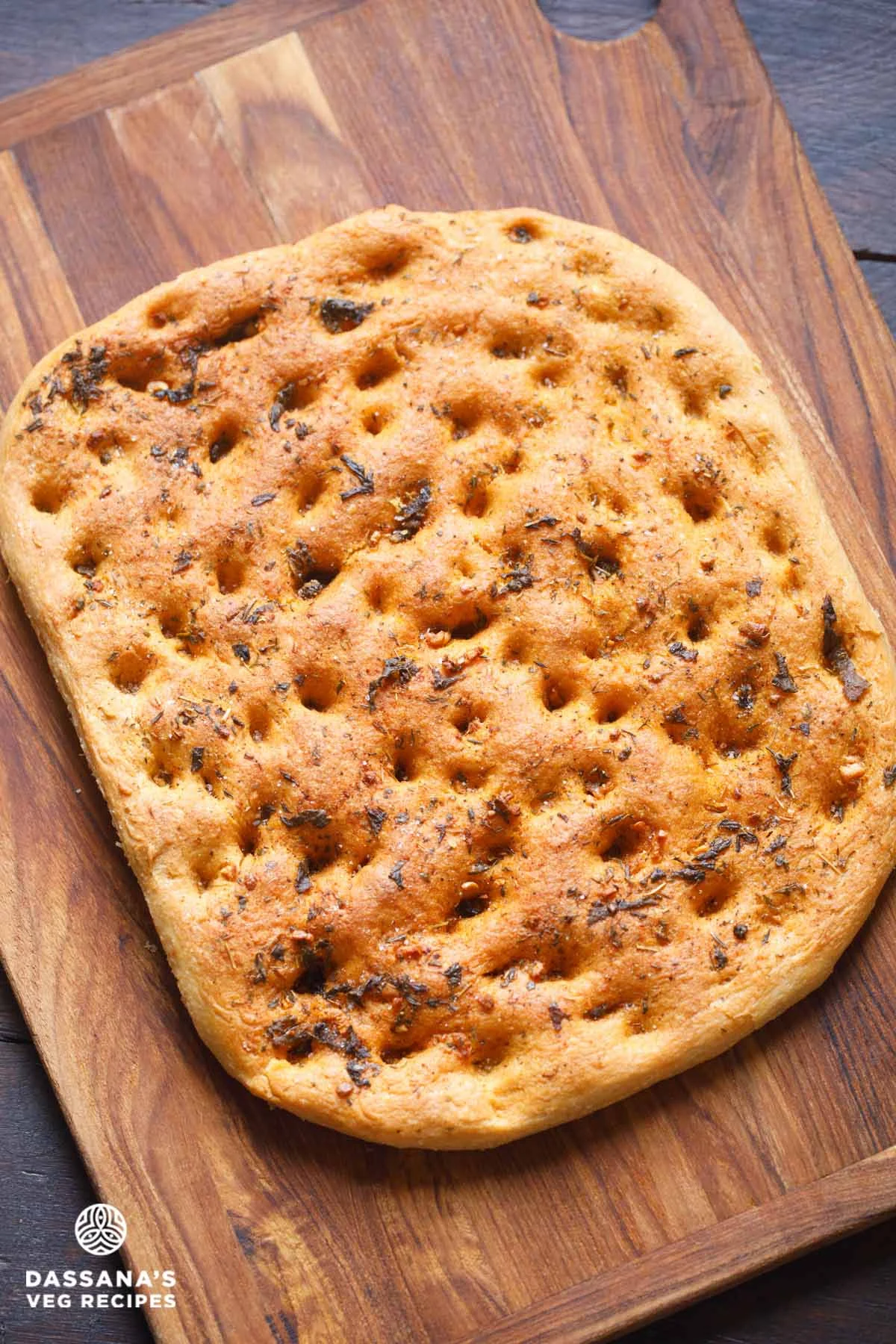
Focaccia, the storied Italian flatbread characterized by its pillowy interior, golden-crisp periphery, and signature dimpled topography, is undergoing a nutritional and artisanal transformation. Traditionally crafted with highly refined "00" or all-purpose flours, contemporary culinary trends are pivoting toward ancient grains and whole-wheat alternatives. A prominent new methodology, popularized by culinary expert Dassana of Veg Recipes of India, demonstrates that the transition to whole wheat—specifically organic stone-ground hard durum wheat—does not necessitate a sacrifice in texture or flavor.
This artisanal approach to homemade focaccia emphasizes a high-hydration dough, an intensive herb-infusion process, and a double-fermentation cycle. The result is a loaf that challenges the hegemony of commercial bakeries. According to the developer, the homemade iteration provides a superior organoleptic experience compared to supermarket alternatives, offering a "light crumb and golden crust" that balances health-conscious ingredients with the indulgent requirements of Italian soul food.
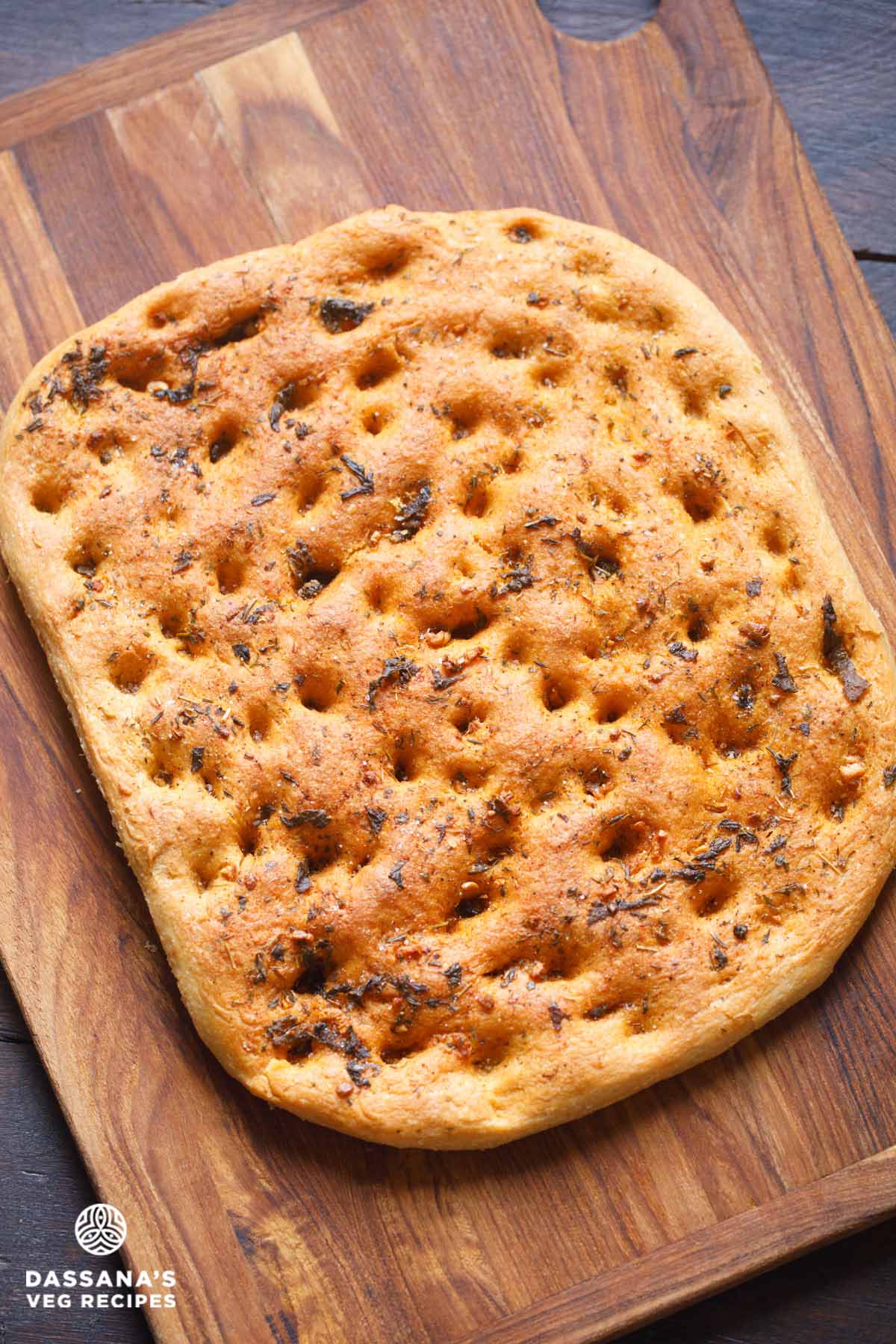
Key to this recipe is the integration of an infused herb oil, utilizing a blend of fresh basil, garlic, parsley, and thyme. This technique ensures that the aromatics are not merely superficial toppings but are deeply integrated into the bread’s structural dimples. Furthermore, the use of whole wheat flour introduces a complex, nutty profile and a significant boost in dietary fiber and micronutrients, aligning the bread with modern "slow food" and "clean eating" movements.
Chronology: The Lifecycle of an Artisanal Loaf
The production of high-quality whole wheat focaccia is a disciplined chronological process that rewards patience and precise temperature management.
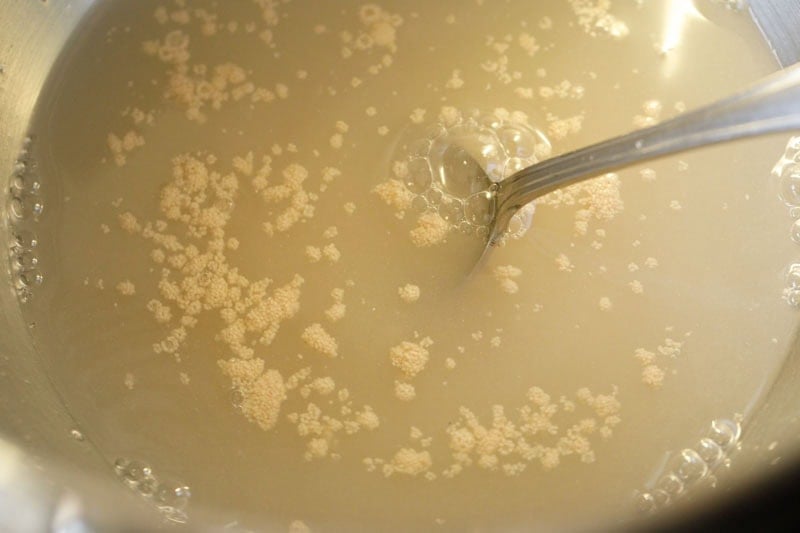
Phase I: Yeast Activation and Dough Synthesis
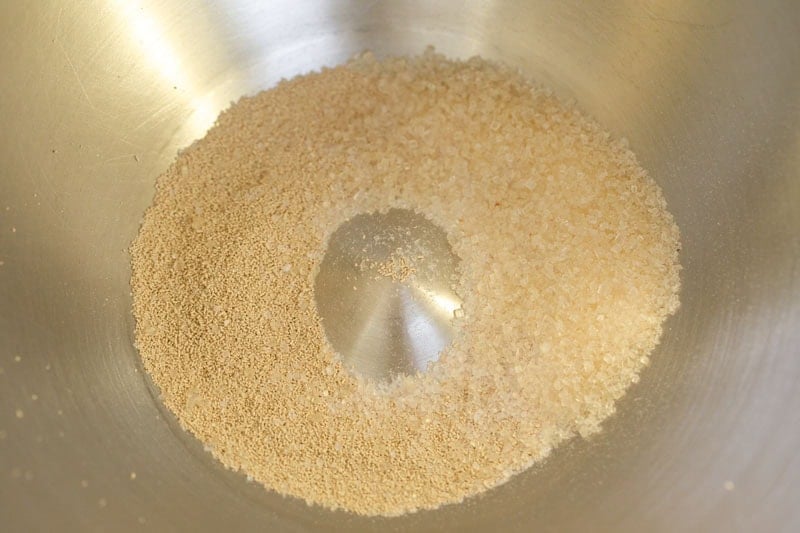
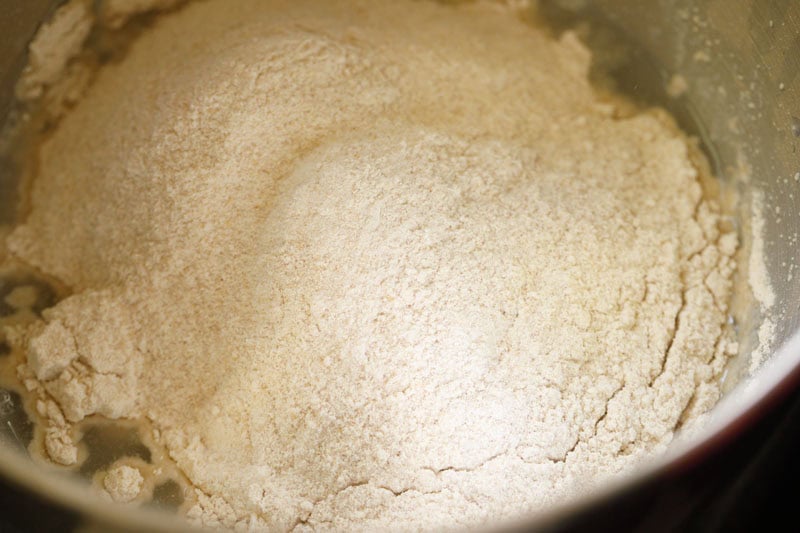
The process begins with the foundational "bloom." Using two teaspoons of instant yeast (or active dry yeast requiring warm water), the baker initiates the fermentation process. In a stand mixer fitted with a dough hook, four cups of whole wheat flour are integrated with a salt-water solution. The chronology of kneading is vital; the dough must transition from a shaggy mass to a smooth, elastic, and slightly sticky consistency.
At the mid-point of kneading, three tablespoons of premium olive oil are incorporated. This stage is critical for lipid-gluten interaction, ensuring the final crumb remains soft despite the higher fiber content of the whole wheat.
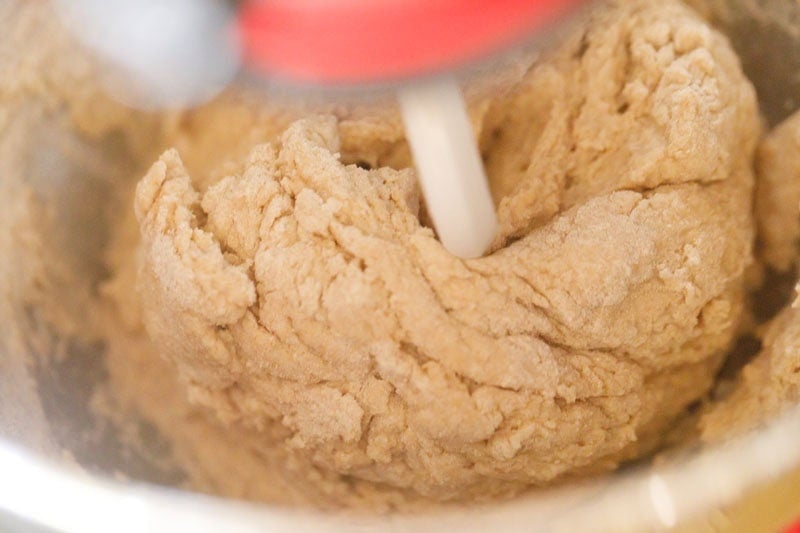
Phase II: The Primary Fermentation (The First Rise)
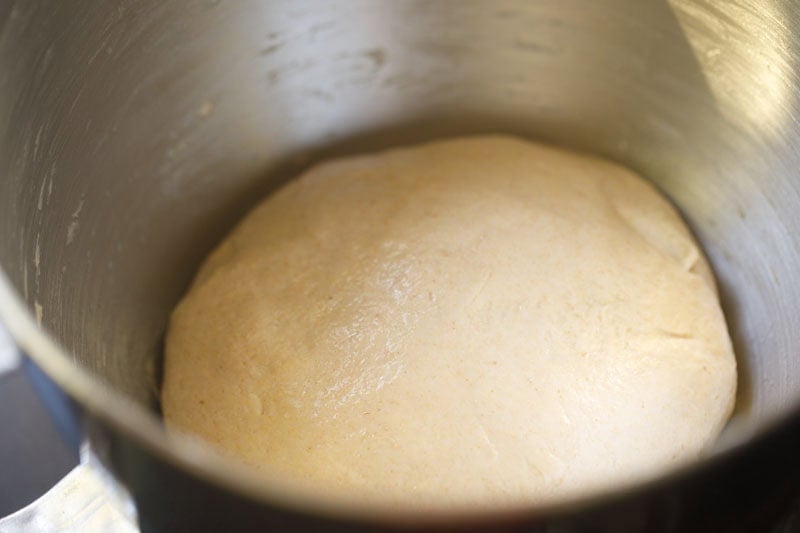
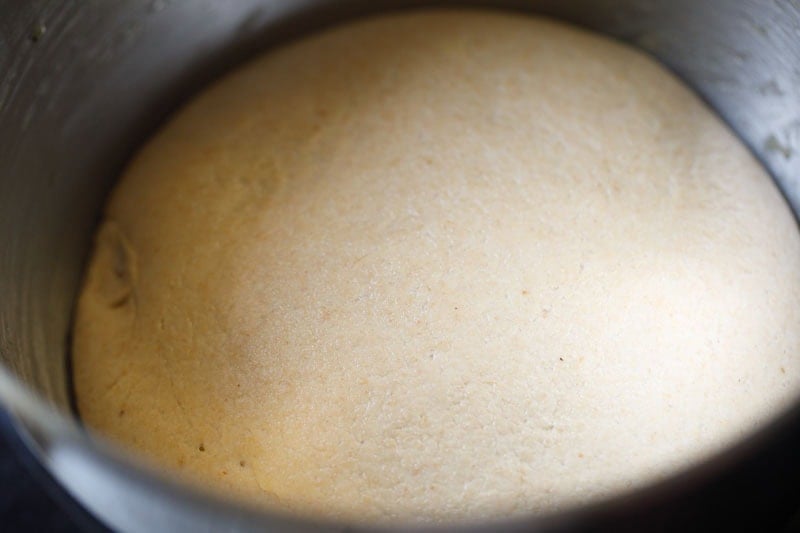
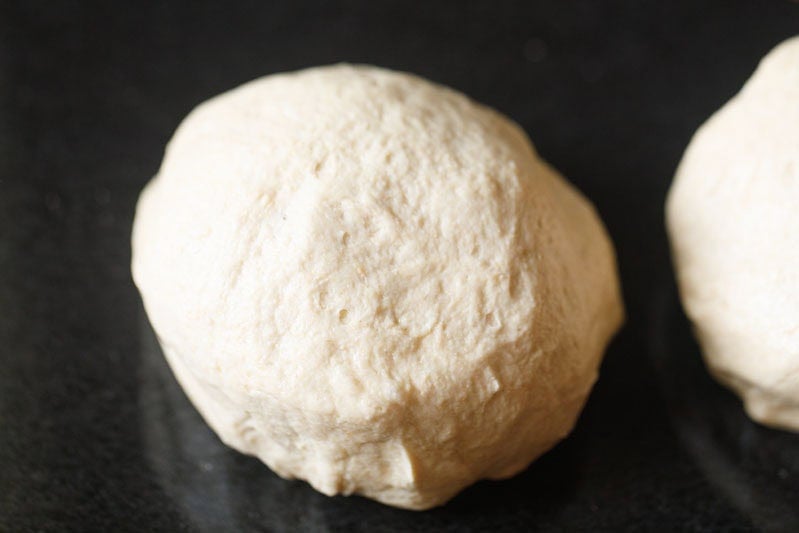
Once synthesized, the dough enters its first leavening period. This stage typically requires 40 to 50 minutes in optimal conditions, though it may extend to two hours in cooler climates. This "bulk fermentation" allows the yeast to consume sugars and produce carbon dioxide, creating the airy internal structure that defines the focaccia style.
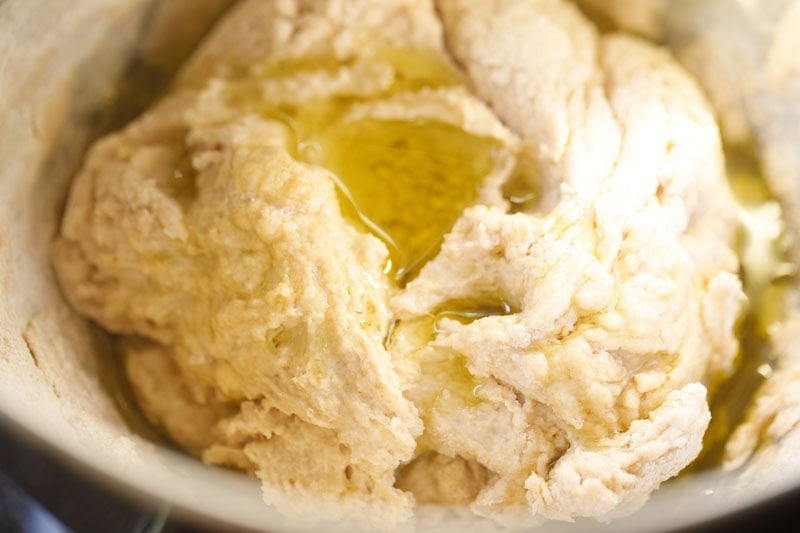
Phase III: The Infusion and Steeping
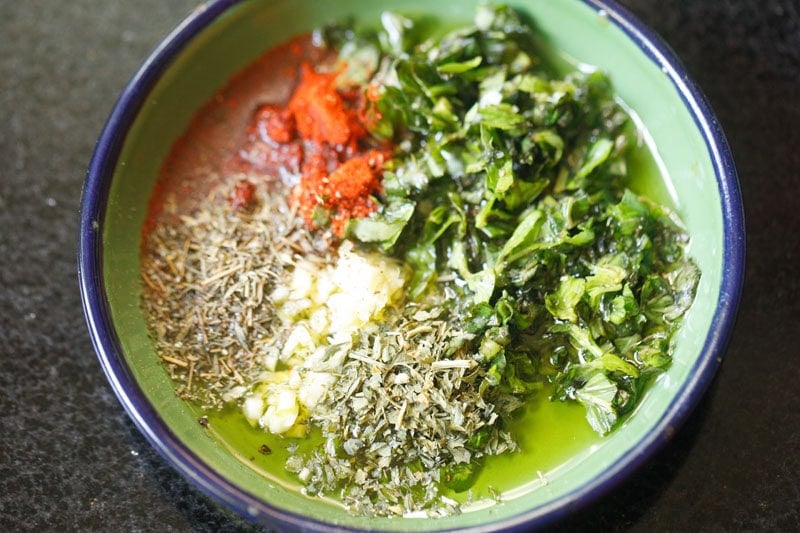
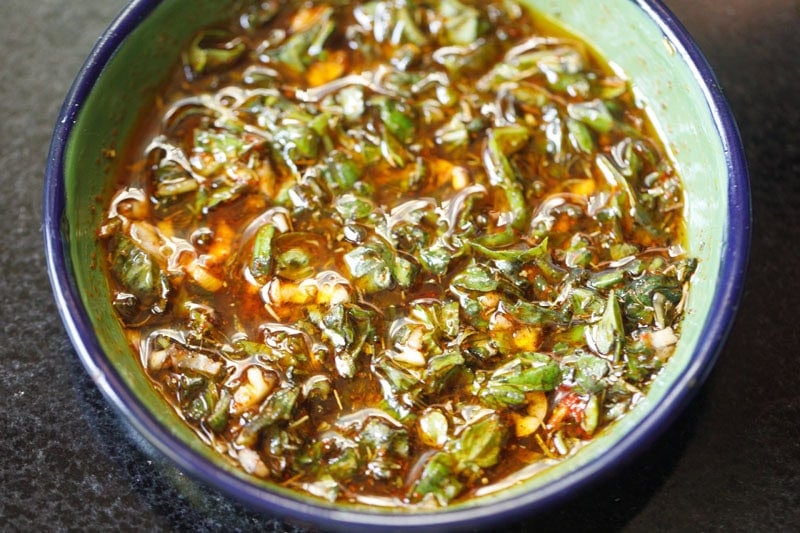
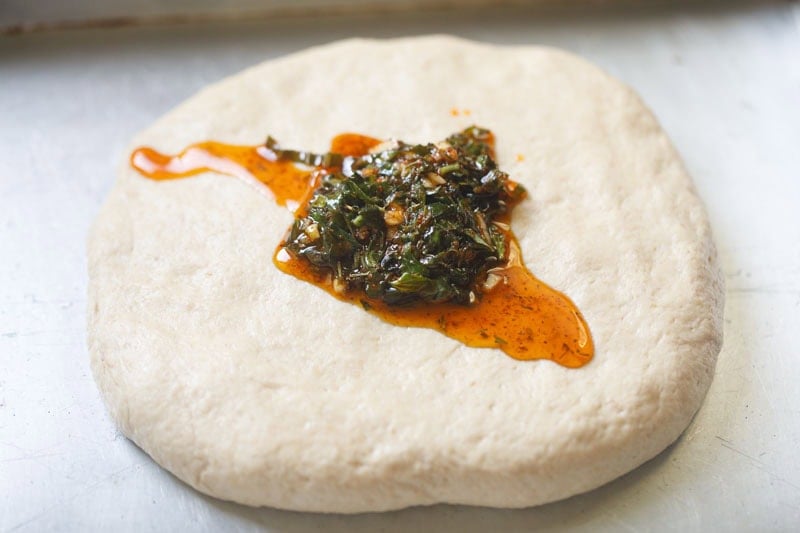
Simultaneous to the dough’s rise, the "flavor engine" of the bread is prepared. A quarter-cup of olive oil is warmed—not boiled—to create a medium for infusion. Freshly chopped basil, minced garlic, parsley, thyme, and red chili flakes are steeped in the warm oil for 20 to 30 minutes. This chronological overlap ensures the oil is fully saturated with phytonutrients and aromatic compounds by the time the dough is ready for assembly.
Phase IV: Structural Assembly and Second Rise
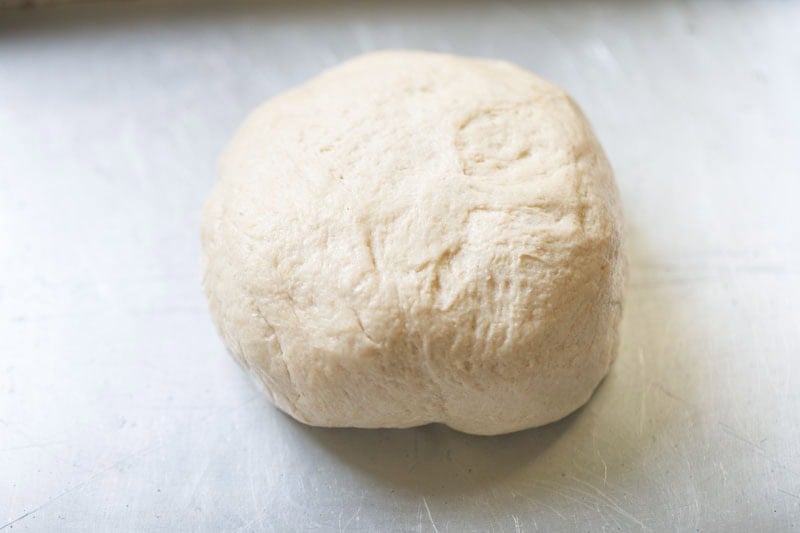
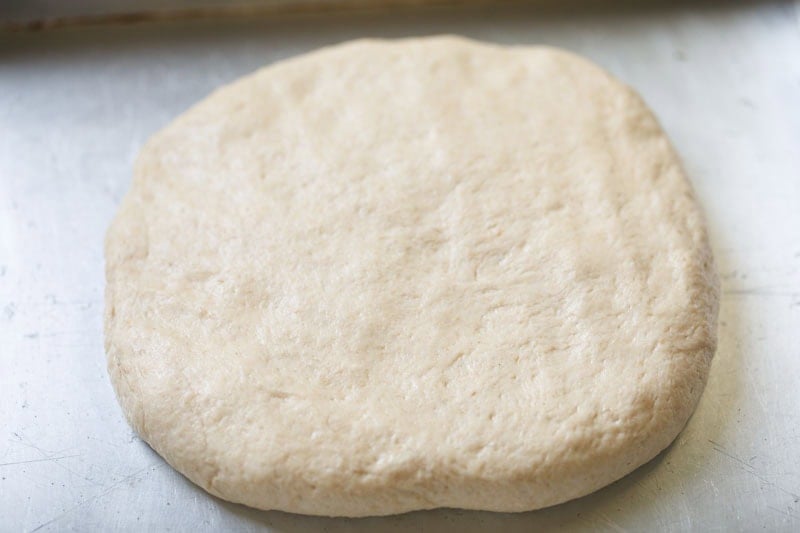
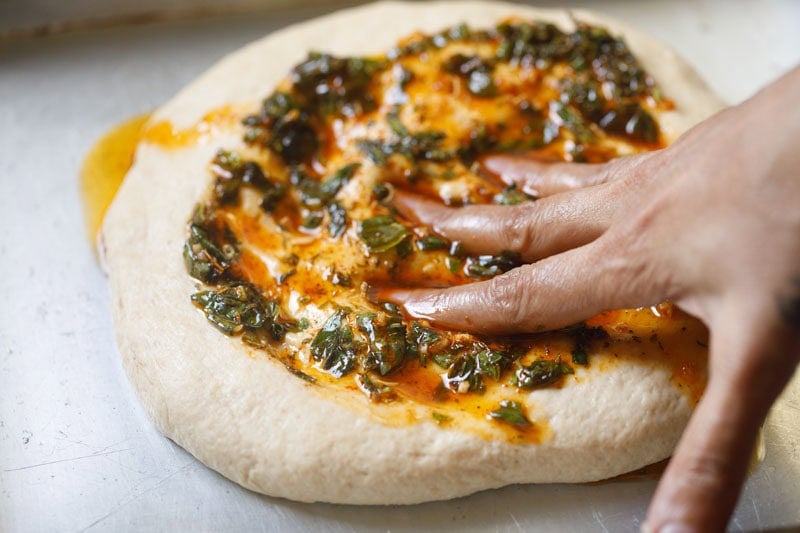
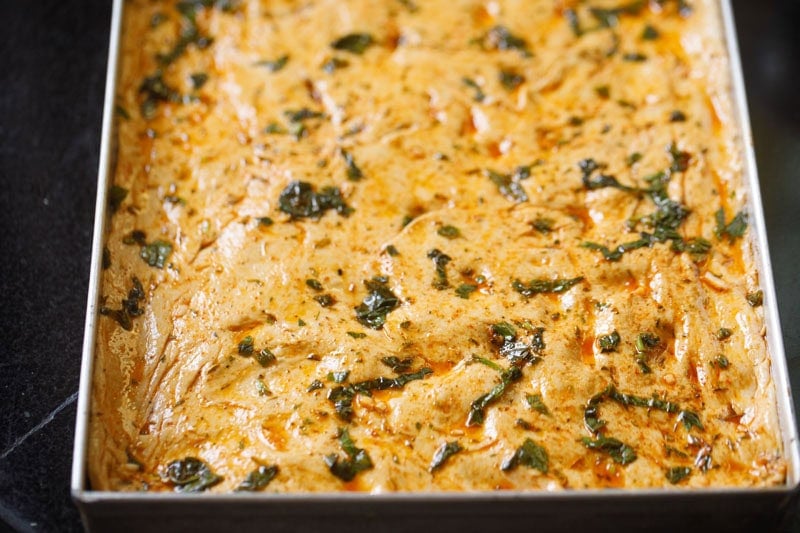
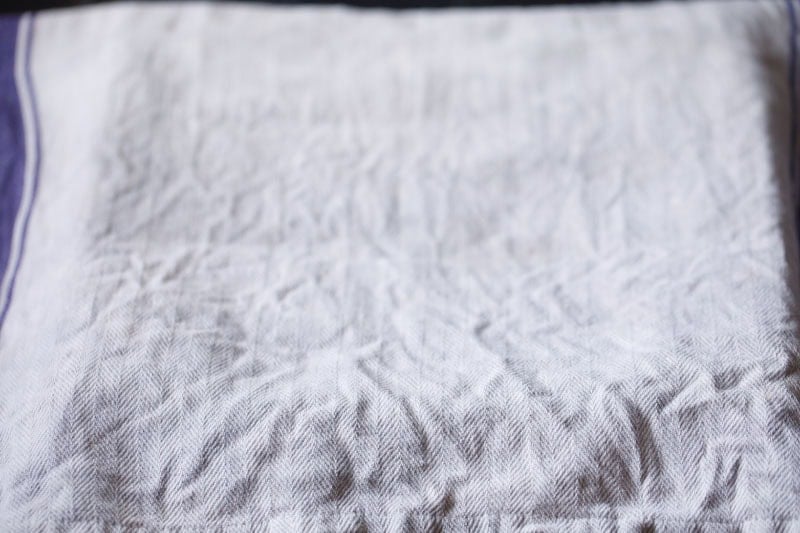
The risen dough is divided and transferred to heavily greased pans. The baker then performs the "dimpling" technique—a rhythmic indentation of the dough using the fingertips. This is not merely aesthetic; the dimples serve as reservoirs for the herb-infused oil. After the oil is applied, a second rise of 30 to 40 minutes is required to recover the volume lost during shaping.

Phase V: The Thermal Transformation
The final stage is the bake, conducted at 200 degrees Celsius (390 degrees Fahrenheit) for 30 to 45 minutes. This high-heat environment triggers the "oven spring" and the Maillard reaction, resulting in a deep golden crust and the characteristic "hollow" sound when tapped, indicating a successful bake.
Supporting Data: Nutritional Profile and Chemical Composition
To understand the impact of substituting refined flour with whole wheat, one must examine the quantitative data. The following nutritional breakdown represents the profile of a standard two-loaf yield:

- Caloric Density: 1301 kcal (per full recipe)
- Macronutrient Balance: 183g of Carbohydrates, 37g of Protein, and 55g of Total Fat.
- Dietary Fiber: 29g (This is significantly higher than white-flour counterparts, aiding in glycemic control and digestive health).
- Micronutrient Density: The inclusion of whole grains and fresh herbs provides 10mg of Iron, 341mg of Magnesium, and 948mg of Phosphorus.
- Vitamin Profile: Notable levels of Vitamin K (47µg) and Vitamin B9/Folate (389µg), primarily sourced from the fresh herbs and the germ of the wheat.
The chemical success of the bread relies on Hydration Levels. Whole wheat flour is more absorbent than all-purpose flour due to the presence of bran and germ. The recipe’s requirement for 1.5 to 2 cups of water for 4 cups of flour creates a hydration percentage that allows for gluten development while maintaining the "sticky" texture necessary for a light crumb.
Official Responses: Expert Recommendations and Technical Insights
Dassana, the primary developer of this methodology, provides several "official" insights for home bakers looking to replicate professional results. Her recommendations focus on the nuances of flour quality and environmental variables.
On Flour Selection:
"The amount of water will vary depending on the quality and type of flour used," Dassana notes. She specifically advocates for organic stone-ground durum wheat, which provides a superior "tooth" and nutritional density. She cautions that when using all-purpose or bread flour, the water volume must be adjusted downward to prevent the dough from becoming unmanageable.
On Temperature Management:
Expert advice emphasizes that yeast is a living organism sensitive to its environment. If using active dry yeast, the water must be warm (approx. 105-115°F), whereas instant yeast is more resilient at room temperature. In colder climates, bakers are encouraged to extend the rising time rather than forcing the process with excessive heat, which can sour the dough.
On Herb Versatility:
While the standard utilizes basil and thyme, the developer suggests that the "flavor profile" can be legally modified with cilantro, rosemary, or sage depending on the intended pairing. However, the "golden rule" remains the use of fresh herbs over dried for the most vibrant infusion.
Implications: Culinary Versatility and the Future of Home Baking
The resurgence of artisanal focaccia baking has broader implications for both home economy and gastronomy.
The Death of the "Store-Bought" Standard
The most immediate implication is the shifting consumer perception of quality. As more individuals master high-hydration doughs at home, the demand for preservative-laden, dry supermarket breads is declining. The homemade whole wheat focaccia offers a "clean label" alternative that is both more flavorful and more satiating.
Culinary Integration
The versatility of this loaf extends its utility beyond a simple side dish. Its structural integrity makes it an ideal candidate for:
- Gourmet Sandwiches: Filling the crumb with grilled vegetables, pesto, and buffalo mozzarella.
- The "Bruschetta" Evolution: Using toasted whole-grain focaccia as a sturdier base for tomato and balsamic toppings.
- Modern Appetizers: Serving as a vessel for hummus, herbed butter, or high-quality balsamic reductions.
Sustainability and Storage
In an era focused on reducing food waste, the storage capabilities of this recipe are significant. The bread can be refrigerated for up to five days or frozen for a month without losing its structural integrity, provided it is reheated in a skillet or oven to revive the lipid content in the crust.
Final Thoughts
The transition of focaccia from a refined-flour staple to a whole-grain powerhouse represents a maturation of the home baking movement. By combining the ancient traditions of Italian dimpled bread with modern nutritional science and infusion techniques, bakers are creating a product that is at once indulgent and restorative. As this recipe demonstrates, the secret to the perfect loaf lies not in complexity, but in the disciplined execution of the rise, the dimple, and the steep.
