

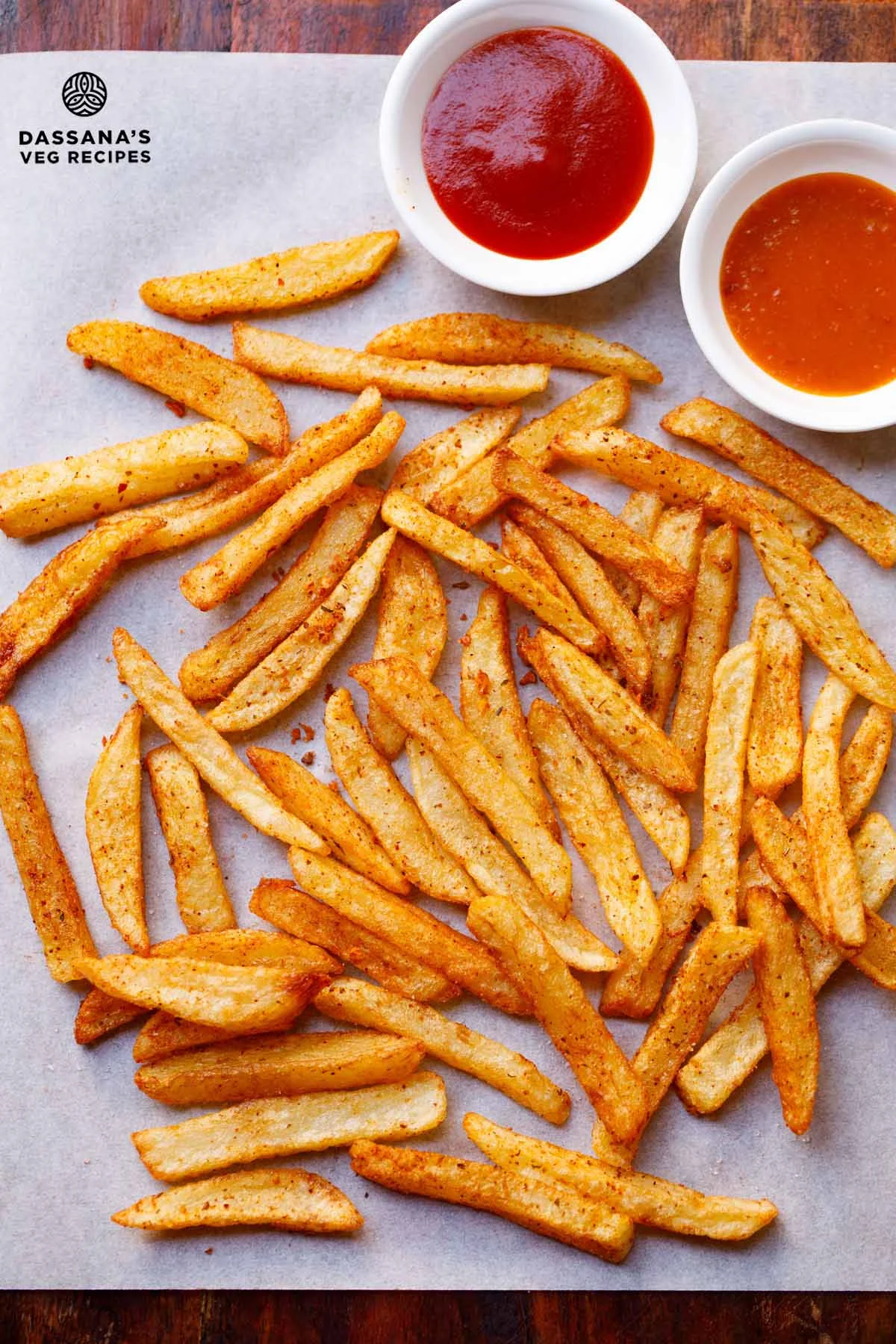
The humble potato has long served as the canvas for some of the world’s most beloved comfort foods, but few iterations have captured the contemporary palate quite like Peri Peri fries. A synthesis of Portuguese-African heat and Belgian-inspired frying techniques, Peri Peri fries represent more than just a side dish; they are a masterclass in texture, spice balance, and culinary chemistry.
By utilizing fresh produce, a meticulous double-frying process, and a sophisticated blend of spices, home chefs can elevate the standard french fry into a gourmet experience. This article examines the technical requirements, the chemical foundations of the perfect crunch, and the cultural implications of the Peri Peri phenomenon.
Main Facts: The Anatomy of a Perfect Fry
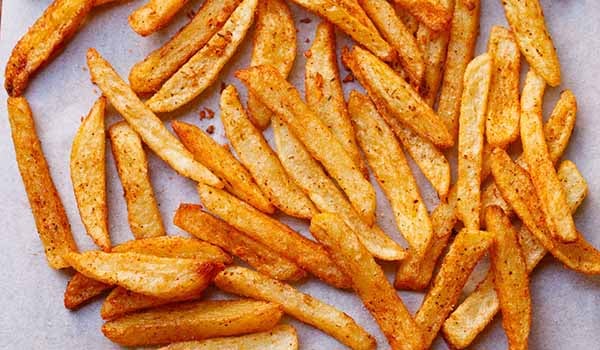
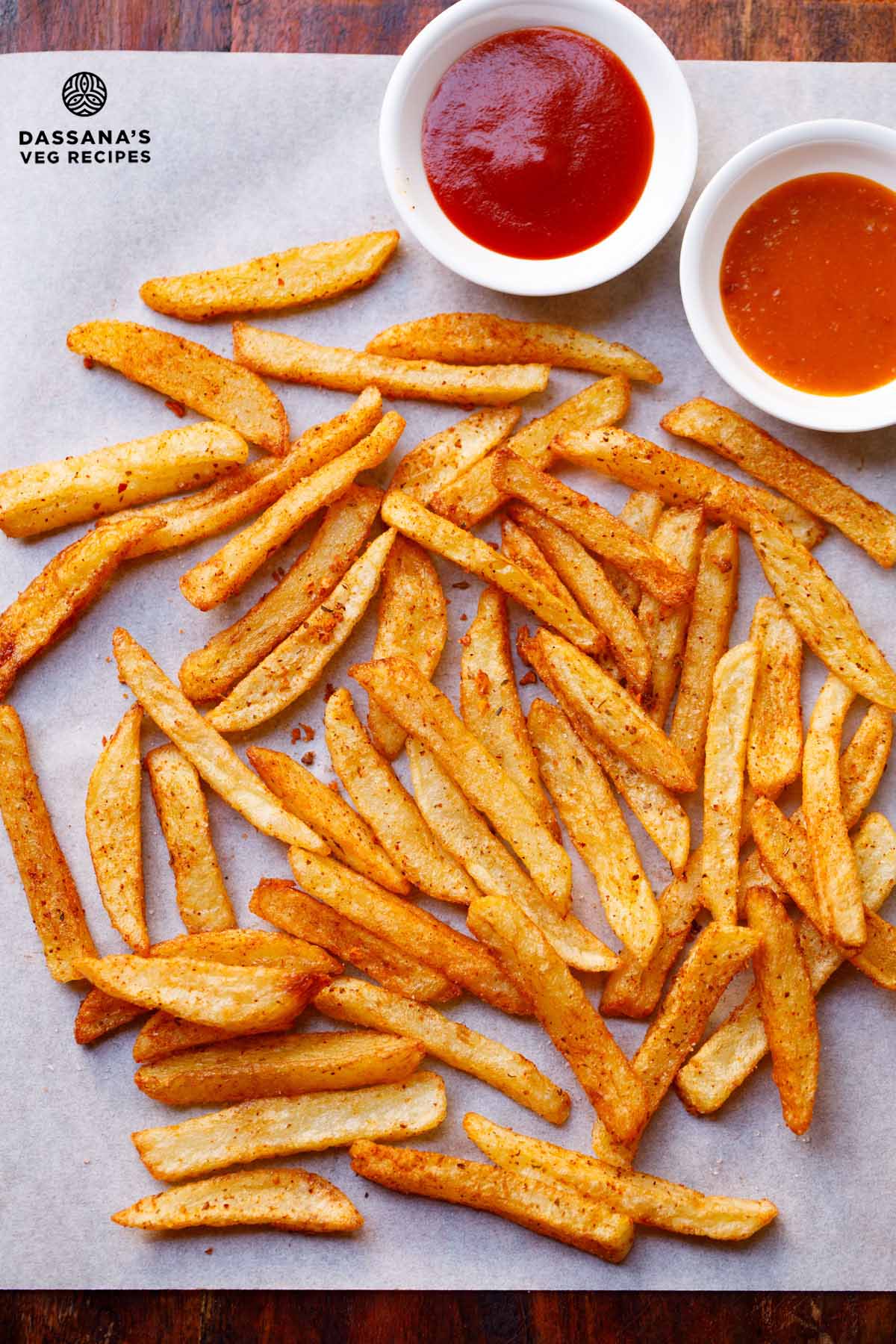
At its core, the Peri Peri fry is defined by its dual-nature: a glass-like, crispy exterior that shatters upon the first bite, giving way to a pillowy, steaming interior. Achieving this requires a departure from the "quick-fry" methods often seen in domestic kitchens.
The foundational elements of the recipe include:
- The Medium: Fresh potatoes (ideally high-starch varieties) rather than frozen, pre-processed alternatives.
- The Structural Reinforcement: A microscopic coating of cornstarch (known as cornflour in various regions) that acts as a moisture barrier.
- The Thermal Strategy: A two-stage frying process that addresses internal cooking and external caramelization as separate goals.
- The Flavor Profile: A complex "Peri Peri" (or Piri Piri) seasoning characterized by the Bird’s Eye chili, balanced with acidity, salt, and aromatic herbs.
Chronology: The Lifecycle of a Peri Peri Fry
The creation of the professional-grade Peri Peri fry follows a strict chronological path. Skipping any phase results in a compromise of the final structural integrity.
Phase I: Preparation and Starch Management
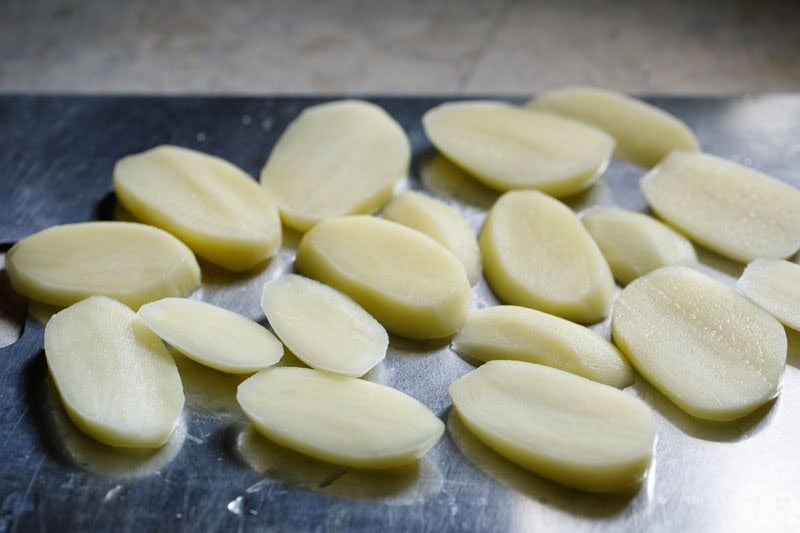
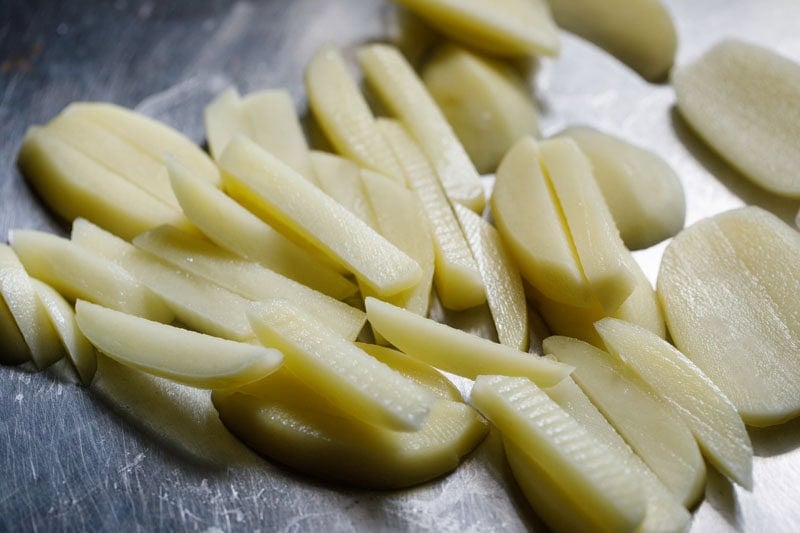
The process begins with the selection of approximately 520 grams of potatoes (roughly four medium or three large tubers). Uniformity is the primary objective during the cutting stage. Slicing the potatoes into 0.4 cm to 0.5 cm thick planks, followed by 1 cm thick sticks, ensures that every fry reacts to the hot oil at the same rate.
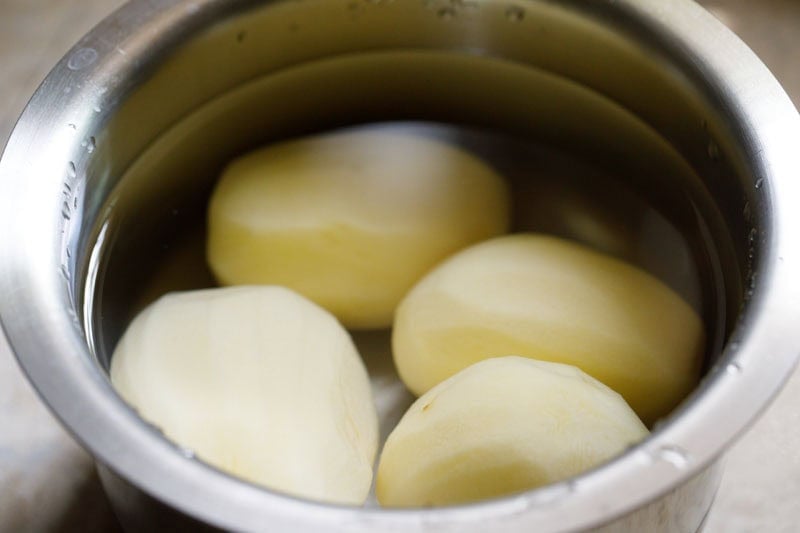
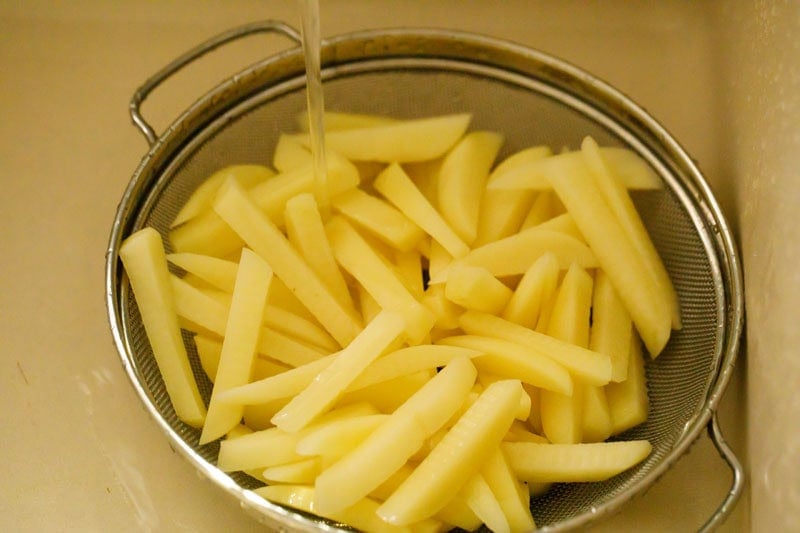
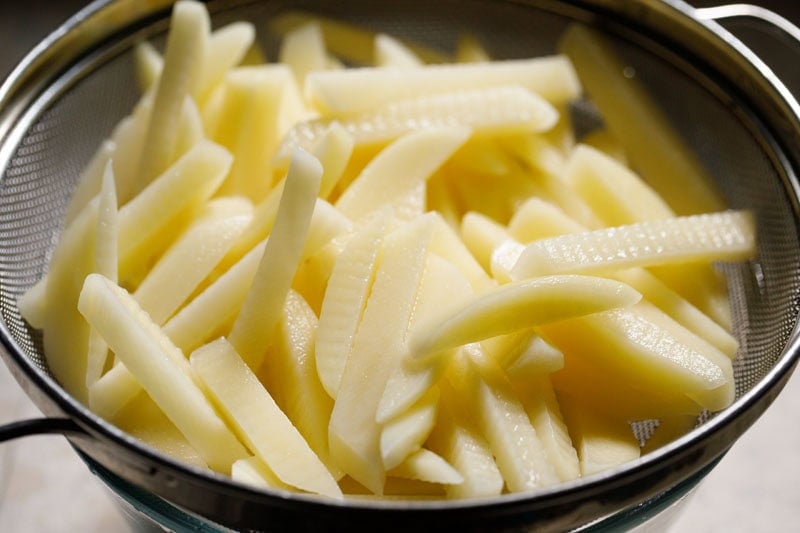
Immediately following the cut, the potatoes undergo a dual-rinsing process. This is not merely for cleanliness; it is a vital step to remove excess surface starch which, if left unchecked, would cause the fries to stick together and burn prematurely.
Phase II: The Cold Soak and Chemical Conditioning
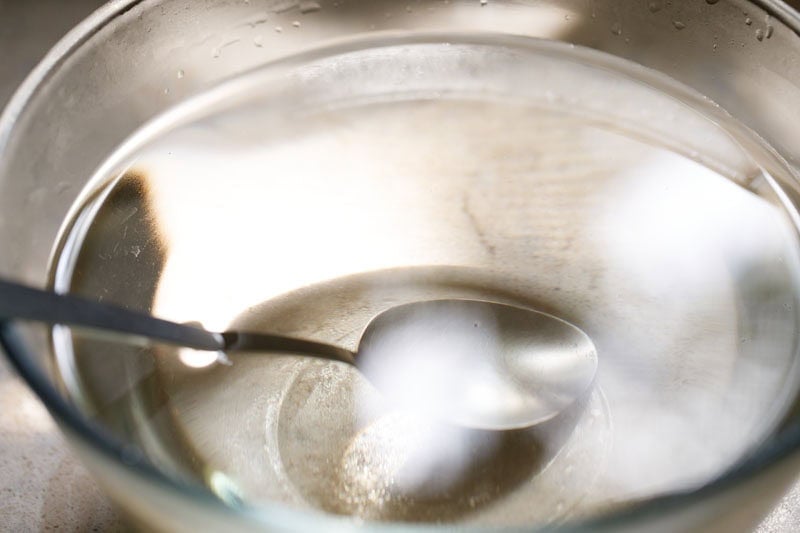
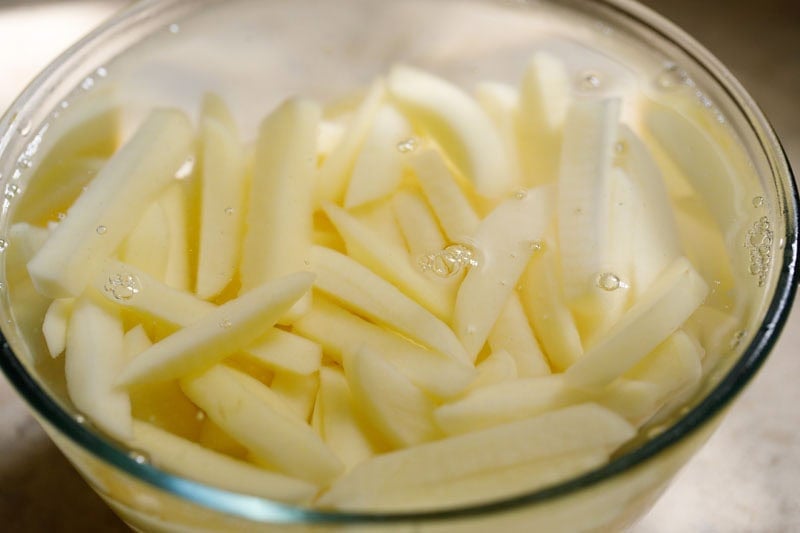
The potatoes are submerged in a solution of 3 to 4 cups of cold water, one tablespoon of apple cider vinegar (or white vinegar), and a teaspoon of salt for 30 minutes.
- The Role of Cold Water: It further leeches out internal starches.
- The Role of Salt: It initiates the seasoning process from the inside out via osmosis.
- The Role of Vinegar: This is a professional "secret." The acid helps the potato’s pectin stay firm, preventing the fries from falling apart during the first boil or fry.
Phase III: Dehydration and Coating
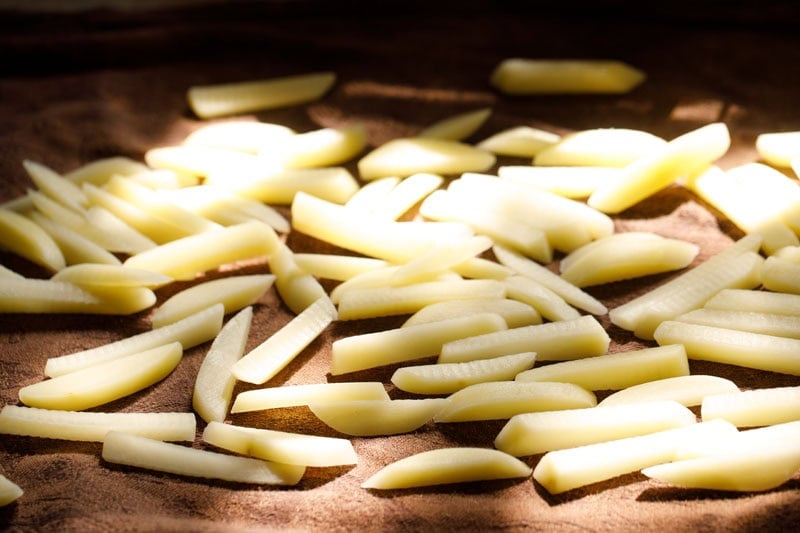
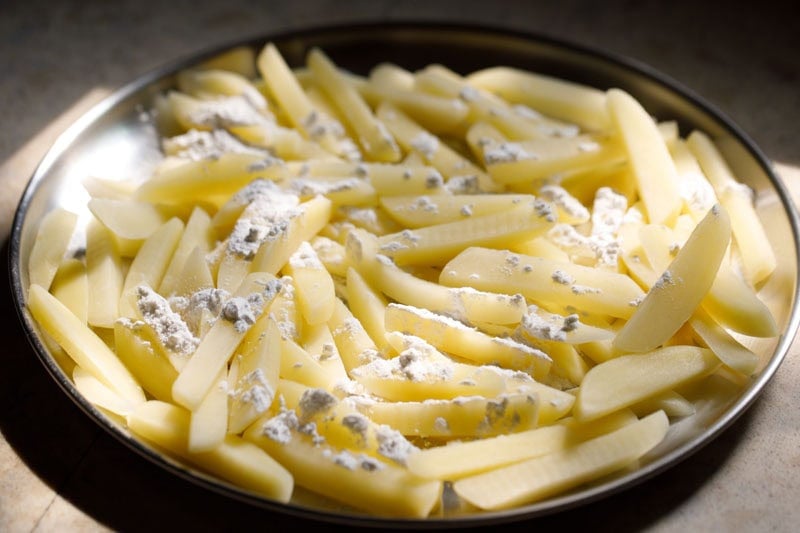
After the soak, the fries are drained and spread onto a clean kitchen towel. Total dehydration of the surface is mandatory. Any residual water will turn to steam in the fryer, leading to a soggy texture and dangerous oil splatters. Once dry, a single tablespoon of cornstarch is tossed with the fries. This creates a thin, almost invisible "batter" that will eventually undergo the Maillard reaction to create a superior crunch. A 15-to-30-minute refrigeration period follows, allowing the starch to adhere firmly to the potato skin.
Phase IV: The Primary Fry (The Par-Cook)
The first immersion occurs in 500 to 700 ml of oil heated to a medium temperature. The objective here is not color, but "doneness." The fries are cooked for 4 to 5 minutes until they are pale but soft. They are then removed and allowed to rest for 15 minutes. This rest period allows moisture to migrate from the center to the surface, which will then be blasted away in the second fry.
Phase V: The Secondary Fry (The Crisp)
The oil temperature is increased to medium-high. The par-cooked fries are reintroduced to the heat. This stage is rapid; the high heat evaporates the surface moisture and browns the cornstarch-potato matrix. Within minutes, the fries emerge golden and structurally sound.
Phase VI: The Seasoning Application
The final stage is the "toss." While the fries are still glistening with a microscopic layer of hot oil, they are placed in a bowl and coated with 1.5 to 2 tablespoons of Peri Peri seasoning. The heat of the fries helps the spices bloom, releasing essential oils and locking the flavor onto the surface.
Supporting Data: Nutritional and Chemical Analysis
Understanding the nutritional impact of Peri Peri fries allows for a balanced approach to their consumption. According to standardized recipe data for a three-serving batch, the nutritional profile is as follows:
| Nutrient | Amount per Serving |
|---|---|
| Calories | 270 kcal |
| Total Carbohydrates | 33 g |
| Protein | 4 g |
| Total Fat | 14 g |
| Fiber | 4 g |
| Sodium | 798 mg |
| Vitamin C | 46 mg (approx. 50% DV) |
| Potassium | 750 mg |
The Chemistry of Spice:
The homemade Peri Peri seasoning is a sophisticated blend of several key components:
- Kashmiri Red Chili Powder (1 tbsp): Provides a vibrant red hue with moderate heat.
- Garlic and Onion Powder (1 tsp each): These provide the savory "umami" base.
- Dried Oregano and Parsley (1 tsp each): Add an earthy, herbaceous counterpoint to the heat.
- Cinnamon and Ginger Powder (1/4 tsp each): These "warm" spices provide a depth of flavor that mimics the complexity of traditional African spice blends.
- Amchur or Citric Acid (1/2 tsp): Essential for the "tang" that defines the Peri Peri experience.
Official Responses: Expert Culinary Perspectives
Culinary experts and professional chefs, including renowned recipe developers like Dassana, emphasize several critical "pro-tips" that differentiate amateur attempts from professional results.
1. On Potato Selection:
Experts suggest that while any fresh potato is superior to frozen, high-starch varieties like Russets are preferred for their low moisture content, which leads to a fluffier interior.
2. On Temperature Control:
"The biggest mistake is frying at a single temperature," notes the culinary guidance. "If the oil is too cool during the second fry, the potato absorbs the oil like a sponge. If it’s too hot during the first fry, the outside burns before the inside is cooked."
3. On the Seasoning Window:
There is a strict "30-second window" for seasoning. If the fries cool down too much, the spices will simply fall to the bottom of the bowl rather than adhering to the fries.
4. On Sauce Integration:
For those desiring an extra kick, a drizzle of Peri Peri sauce is recommended. However, experts warn that this must be done sparingly—no more than a teaspoon—to ensure the moisture in the sauce does not compromise the "crunch" of the double-fried exterior.
Implications: The Cultural and Culinary Impact
The rise of Peri Peri fries signifies a broader shift in global food trends—the "gourmetization" of fast food. Once relegated to a simple side of salt, the modern french fry is now expected to carry a complex flavor profile.
The "Nando’s Effect":
Much of the popularity of this specific flavor profile can be traced back to the global expansion of Afro-Portuguese chains like Nando’s. This has led to a democratization of international spices, making ingredients like Bird’s Eye chili and amchur more accessible to the home cook.
Versatility in Modern Menus:
Peri Peri fries have moved beyond the snack category. They are increasingly utilized as:
- Side Dishes: Pairing with veggie burgers, wraps, and grilled sandwiches.
- Party Starters: Served with sophisticated dips like Tzatziki or garlic aioli.
- Fusion Bases: Often topped with melted cheddar or processed cheese to create "Peri Peri Loaded Fries," a popular item in urban food truck culture.
The Health-Conscious Pivot:
The detailed methodology provided—specifically the vinegar soak and the double-fry—actually assists in oil management. By creating a superior starch barrier, the fries can achieve crispness without becoming overly saturated with grease, a common pitfall of single-fry methods.
Final Thoughts
The Peri Peri fry is a testament to the fact that with the right technique, a simple ingredient can become a culinary icon. By respecting the chronology of the process—from the initial starch removal to the final, high-heat flash fry—the home cook can replicate a restaurant-quality experience that satisfies the modern craving for heat, crunch, and comfort. Whether served as a standalone snack or a gourmet side, these fries are a definitive example of spicy, tangy perfection.
