

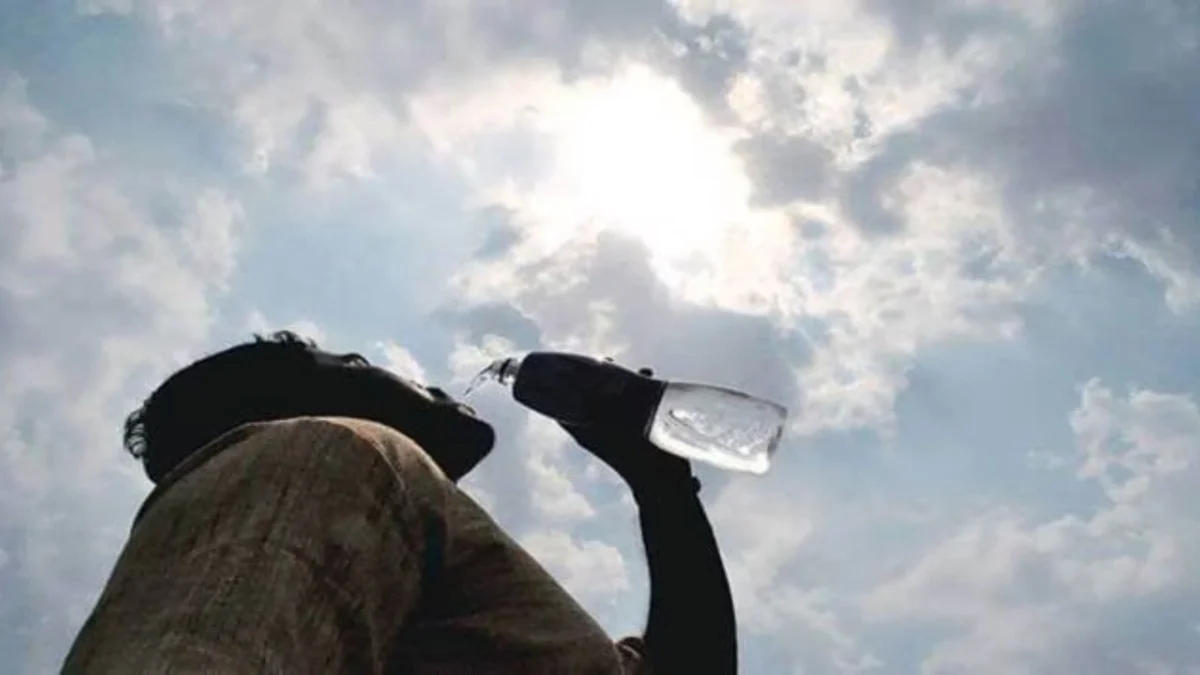
New Delhi, India – May 22, 2026 – India is currently enduring a punishing heatwave, with the India Meteorological Department (IMD) issuing stringent red warnings across several key states. As mercury levels continue their relentless ascent, authorities are urging citizens to take immediate and serious precautions to mitigate the severe health risks associated with prolonged exposure to extreme heat. The IMD’s advisories underscore the escalating severity of the current weather phenomenon, highlighting the potential for life-threatening conditions if protective measures are not strictly adhered to.
Red Alert Zones and Urgent Precautions
The IMD has placed East Uttar Pradesh, East Madhya Pradesh, Vidarbha, and Coastal Andhra Pradesh under a Red Warning, signaling the most critical level of heatwave alert. These regions are experiencing dangerously high temperatures that pose a significant threat to public health. Concurrently, an Orange Alert remains in effect for Punjab, Haryana, West Uttar Pradesh, West Madhya Pradesh, Chhattisgarh, Odisha, and Telangana, indicating a substantial risk that necessitates vigilance and proactive measures.
In response to these grave warnings, the IMD has issued comprehensive public advisories. Citizens are strongly advised to:
- Stay Hydrated: Drink ample amounts of water, even if not feeling thirsty. Oral rehydration solutions (ORS) can be beneficial.
- Avoid Direct Sun Exposure: Limit outdoor activities, especially during the peak heat hours between 11 AM and 4 PM. Seek shade whenever possible.
- Use Sun Protection: Wear wide-brimmed hats, sunglasses, and use umbrellas when venturing outdoors.
- Wear Light Cotton Clothing: Opt for loose-fitting, light-colored cotton attire to allow the skin to breathe and facilitate heat dissipation.
- Stay Indoors: If possible, remain in cool, shaded environments. Utilize fans and air conditioning, ensuring adequate ventilation.
- Recognize Early Warning Signs: Be aware of the symptoms of heat-related illnesses and seek medical attention immediately if they occur.
Understanding the Severity: Medical Perspectives on Heat Alerts
Medical professionals are emphasizing the critical importance of heeding these heatwave alerts, warning that prolonged exposure to extreme temperatures can overwhelm the body’s natural thermoregulation mechanisms. Dr. Prabhat Ranjan Sinha, a leading physician, articulated the grave implications of the current situation.
Red-Alert Heatwave: A Medical Emergency in Waiting
"Red-alert heatwave conditions are when temperatures are very dangerous, and the body’s cooling system begins to fail, especially after being out in the heat for a long time," Dr. Sinha explained. He further elaborated on the cascading physiological effects: "Long exposure to extreme heat can lead to severe dehydration, electrolyte imbalance, low blood pressure, kidney stress, cardiovascular strain, and neurological complications."
The human body’s primary defense against heat is sweating. However, in conditions of extreme heat and humidity, this vital cooling mechanism becomes compromised. "When body temperature rises to over 40°C, it can cause heatstroke, a life-threatening medical emergency," Dr. Sinha cautioned. He identified critical warning signs of heatstroke that demand immediate medical intervention: confusion, dizziness, fainting, rapid pulse, difficulty in breathing, seizures, or loss of consciousness.
"Heatstroke can damage the brain, kidneys, heart, and muscles in minutes. If you wait to treat it, it can be fatal," Dr. Sinha stressed, underscoring the urgency of seeking immediate medical help if any of these symptoms manifest.
Chronology of Escalating Heat: Tracking the Temperature Surge
While the provided text mentions a specific date for a tweet (May 22, 2026), it doesn’t offer a detailed chronological account of the heatwave’s progression. However, it does provide a snapshot of the severity on that particular day. The tweet from the India Meteorological Department (IMD) on May 22, 2026, clearly outlines the alert levels and affected regions:
- Red Warning: East Uttar Pradesh, East Madhya Pradesh, Vidarbha & Coastal Andhra Pradesh
- Orange Warning: Punjab, Haryana, West Uttar Pradesh, West Madhya Pradesh, Chhattisgarh, Odisha & Telangana
Furthermore, a file photo accompanying the article indicates that on a preceding Tuesday, Faridkot in Punjab recorded a scorching 47.3 degrees Celsius. The Chandigarh Meteorological department had predicted temperatures to touch 45 degrees Celsius in the following three days, underscoring the sustained and intensifying nature of the heatwave. This indicates a trend of progressively rising temperatures across multiple states, with specific regions experiencing the brunt of the extreme heat. The lack of a detailed historical timeline within the provided content necessitates inferring that this heatwave is a developing situation, with warnings escalating as temperatures breach critical thresholds.
Supporting Data and Regional Impact
The IMD’s color-coded alert system is a crucial tool for communicating the severity of heatwave conditions.
Distinguishing Between Orange and Red Alerts
Dr. Sinha elaborated on the nuanced differences and escalating risks between the two alert levels:
-
Orange Alert: "Medically, orange and red alerts both indicate serious heat-related risk, but the seriousness is much higher during red alerts due to higher temperatures and longer exposure duration," he stated. During orange-alert conditions, the body may still be able to cope with heat stress if preventive measures are diligently followed. "Orange-alert conditions do not prevent the body from coping with heat stress, provided that preventive measures are taken, such as hydration, avoiding sun exposure, and adequate rest," he added. However, even under orange alerts, individuals may still experience symptoms such as dehydration, headaches, fatigue, weakness, and muscle cramps.
-
Red Alert: The risk becomes "substantially higher" during red-alert situations. In these conditions, medical professionals often observe a significant surge in hospital admissions due to heat-related illnesses. "Generally, when temperatures go up, you see more hospital emergency admissions for severe dehydration, acute kidney injury, electrolyte imbalance, worsening heart disease, and respiratory distress," Dr. Sinha noted.
The Peril of Unusually Warm Nights
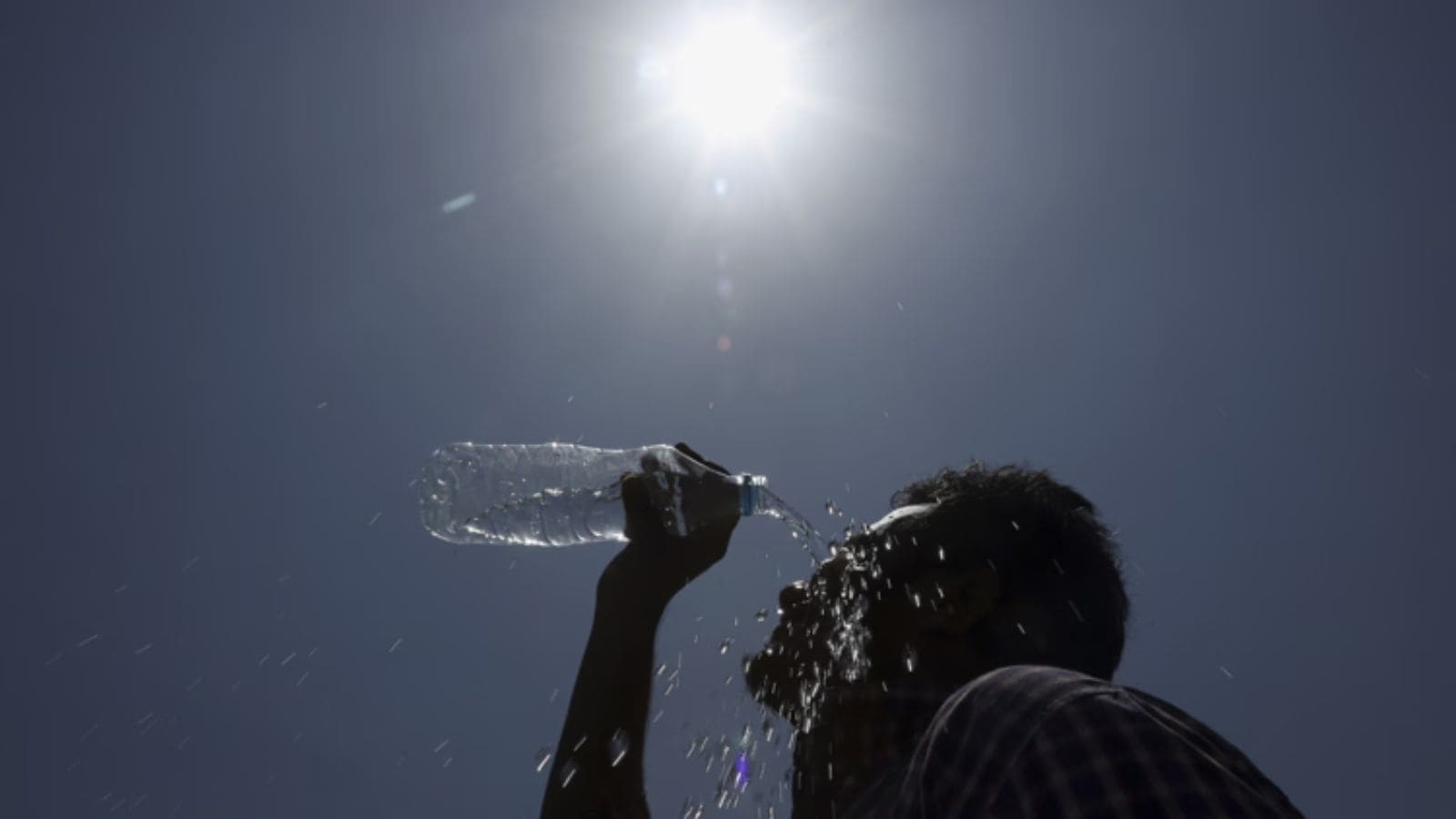
A particularly concerning aspect of severe heatwaves, especially during red alerts, is the persistence of high night temperatures. "One of the biggest concerns during red alerts is persistently high night temperatures," Dr. Sinha highlighted. "If nights are unusually warm, the body doesn’t have enough time to recover from daytime heat exposure, leading to cumulative stress on vital organs." This lack of respite can exacerbate the physiological toll of the heat, making individuals more vulnerable to severe heat-related ailments.
Official Responses and Public Health Advisory
The IMD’s proactive issuance of severe heatwave warnings and detailed advisories represents a critical official response to the escalating weather threat. By employing a tiered alert system (orange and red), the agency aims to convey the varying degrees of risk to the public and guide appropriate responses.
The IMD’s Proactive Stance
The IMD’s commitment to public safety is evident in its continuous monitoring of weather patterns and timely dissemination of information. The warnings are not merely statistical predictions but crucial public health directives designed to prevent loss of life and reduce the burden of heat-related illnesses. The inclusion of specific advice on hydration, sun protection, and appropriate clothing demonstrates a comprehensive approach to mitigating the impact of the heatwave.
Government and Health Organization Recommendations
Beyond the IMD, various government bodies and public health organizations are expected to echo these warnings and implement measures to support vulnerable populations. These may include:
- Public Awareness Campaigns: Launching targeted campaigns through media channels, community outreach, and educational institutions to disseminate crucial heat safety information.
- Establishment of Heat Action Plans: Activating pre-defined heat action plans that may involve opening public cooling centers, distributing ORS packets, and monitoring high-risk individuals.
- Advisories to Healthcare Facilities: Ensuring hospitals and clinics are prepared to handle an influx of heat-related emergency cases.
- Restrictions on Outdoor Activities: Recommending or mandating limitations on strenuous outdoor work and activities, particularly for construction workers and agricultural laborers.
Implications of the Severe Heatwave
The ongoing severe heatwave carries significant implications across various sectors of Indian society, extending beyond immediate health concerns.
Public Health Crisis and Strain on Healthcare Systems
The most immediate and critical implication is the potential for a widespread public health crisis. The surge in heat-related illnesses, including heat exhaustion, heatstroke, dehydration, and the exacerbation of pre-existing conditions like cardiovascular and respiratory diseases, will place immense pressure on India’s healthcare infrastructure. Hospitals may face an overwhelming number of admissions, straining resources, personnel, and bed capacity. The elderly, infants, outdoor laborers, and individuals with chronic illnesses are particularly vulnerable, requiring targeted support and interventions.
Economic Disruptions and Agricultural Impact
Beyond public health, the extreme heat can lead to substantial economic disruptions. Productivity in outdoor sectors, such as construction and agriculture, is likely to decline significantly due to the need to restrict working hours or halt operations altogether. This can impact project timelines, supply chains, and the livelihoods of millions of workers. The agricultural sector, already sensitive to weather patterns, may face crop damage and reduced yields due to the intense heat, potentially affecting food security and contributing to price inflation.
Water Scarcity and Resource Management Challenges
Prolonged periods of high temperatures exacerbate water scarcity issues across many parts of India. Increased evaporation rates from water bodies and heightened demand for water for drinking, sanitation, and cooling will strain already limited resources. Authorities will need to implement stringent water management strategies to ensure equitable distribution and prevent potential conflicts over water access.
Social Vulnerability and Equity Concerns
The impact of heatwaves is not uniform. Vulnerable communities, often those living in informal settlements with inadequate housing and limited access to cooling facilities, are disproportionately affected. Marginalized groups, including the urban poor, migrant laborers, and those without access to reliable electricity for cooling, face heightened risks. Addressing these equity concerns will require targeted interventions and social support mechanisms.
Environmental Considerations and Future Preparedness
The recurrence and intensification of such severe heatwaves also raise critical questions about climate change and environmental resilience. While the immediate focus is on managing the current crisis, the long-term implications necessitate a deeper examination of adaptation and mitigation strategies. This includes investing in climate-resilient infrastructure, promoting sustainable urban planning, and enhancing early warning systems to better prepare for future extreme weather events.
The current heatwave serves as a stark reminder of the interconnectedness of climate, health, and societal well-being. The IMD’s warnings are a call to action for individuals, communities, and governments to prioritize safety and implement robust measures to navigate this critical period.
Disclaimer: This article is based on information from the public domain and expert commentary. It is essential to consult with a healthcare professional for personalized medical advice and before initiating any new health regimen.
