

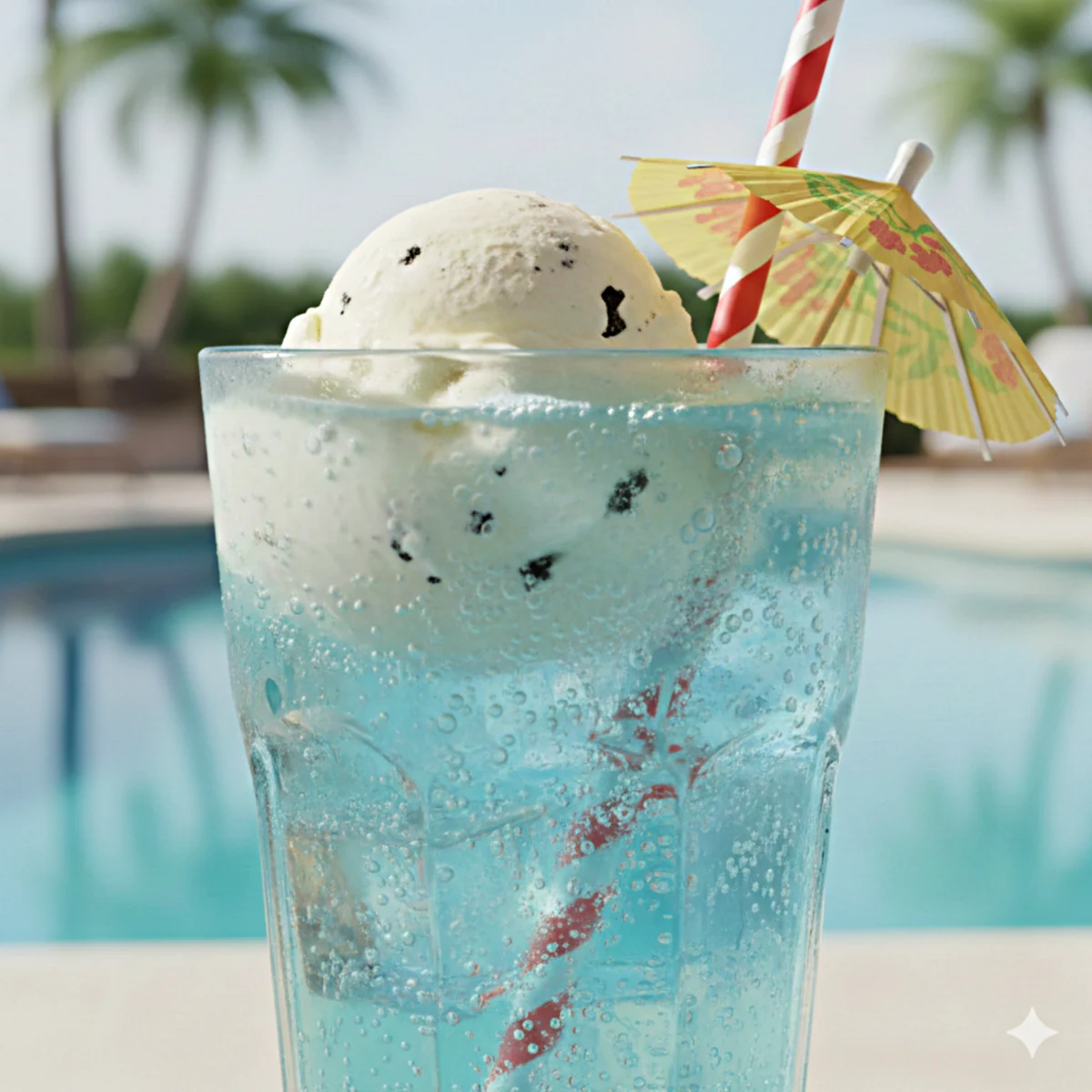
In the pantheon of nostalgic treats, few items evoke the same sense of childhood whimsy as the ice cream float. The effervescent hiss of a cold soda meeting the creamy velvet of vanilla ice cream creates a sensory experience that has transcended generations. However, as these "floats" see a resurgence across social media platforms—rebranded for a new generation of "foodies"—nutritionists are raising a red flag. What was once an occasional fountain-shop luxury has become a subject of scrutiny for its concentrated impact on metabolic health.
Recent insights from New Delhi-based health experts and Mumbai-based dietician Swati Sodhi highlight a growing concern regarding the nutritional profile of this combination. While not "toxic" in the literal sense, the ice cream float represents a significant "nutritional hit" that challenges the body’s ability to process sugar and fat simultaneously.
Main Facts: The "Sugar Stacking" Dilemma
The primary concern surrounding the ice cream float is not merely the presence of sugar, but the cumulative effect of what experts call "sugar stacking." When a consumer pairs a carbonated soft drink with a dairy-based dessert, they are essentially doubling down on refined carbohydrates.
According to Swati Sodhi, a prominent fat loss coach and dietician, the math of a standard float is sobering. A regular 300ml glass of cola typically contains between 25 and 35 grams of sugar. When two scoops of commercial ice cream are added, an additional 20 to 25 grams of sugar are introduced, along with a significant serving of saturated fats from the cream.
The Nutritional Snapshot:
- Total Sugar: 45g to 60g per serving (exceeding the WHO recommended daily limit of 25g for added sugars).
- Caloric Density: 300 to 500 calories per glass.
- Nutritional Value: Minimal fiber, negligible protein, and high levels of refined carbohydrates.
The most striking observation made by Sodhi is the "satiety gap." She notes that a single float can contain the caloric equivalent of five rotis (traditional Indian flatbreads), yet it offers the satiety—or the feeling of fullness—of a single biscuit. This discrepancy is what makes the treat particularly dangerous for those attempting to manage their weight or metabolic health.
Chronology: From 19th-Century Innovation to Viral Trend
To understand why the float remains so popular despite its nutritional drawbacks, one must look at its history. The ice cream float is not a modern invention but a product of 19th-century American ingenuity.
- 1874: The Invention: Legend credits Robert McCay Green of Philadelphia with creating the first float in 1874 during the semicentennial celebration of the Franklin Institute. Having run out of ice for his flavored sodas, he used vanilla ice cream from a neighboring vendor to keep the drinks cold. The result was an instant sensation.
- The Golden Age of Soda Fountains (1920s–1950s): During the Prohibition era in the United States, soda fountains became the social hubs of communities. The "Root Beer Float" and "Coke Float" became staples of Americana, associated with youth, dating, and leisure.
- The Global Expansion (1990s–2010s): Fast-food giants integrated floats into their menus globally, introducing the concept to markets in Asia and Europe as a premium dessert-beverage hybrid.
- The Social Media Resurgence (2020–Present): With the rise of TikTok and Instagram, the "aesthetic" of the float—the bubbling foam and the dripping cream—has made it a viral favorite. Modern "artisanal" versions now include everything from cold brew coffee floats to exotic fruit soda variations, often increasing the portion sizes and caloric counts even further.
Supporting Data: The Physiological Impact of Liquid Calories
The danger of the ice cream float lies in the physiology of how we consume liquid calories. Clinical studies have consistently shown that the human brain does not register calories consumed in liquid form the same way it does solid food.
The Insulin Spike
When 50+ grams of sugar enter the bloodstream in liquid form, the pancreas must work overtime to produce insulin. Because the sugar in a float is refined and lacks fiber to slow down absorption, the "spike" is nearly instantaneous. This is often followed by a "crash," which can trigger further cravings for sugar, creating a cycle of overconsumption.
The Fat-Sugar Synergy
The combination of high sugar and high fat (specifically saturated fat from the cream) is particularly potent. This combination is known to bypass the body’s natural satiety signals. In nature, the combination of high fat and high sugar is rare (found mostly in breast milk), and the modern human brain is evolutionarily wired to find this mix "hyper-palatable," making it difficult to stop after just a few sips.
Comparison Table: Satiety vs. Calories
| Food Item | Approximate Calories | Satiety Level | Nutritional Benefit |
|---|---|---|---|
| Ice Cream Float | 450 kcal | Very Low | Minimal |
| 5 Whole Wheat Rotis | 450 kcal | High | High Fiber, B Vitamins |
| Grilled Chicken Salad | 400 kcal | Very High | High Protein, Micronutrients |
| A Bowl of Oatmeal | 300 kcal | Moderate | Complex Carbs, Fiber |
Official Responses: Expert Insights and Recommendations
Dieticians are not calling for a total ban on the treat, but rather a shift in how we perceive it. Swati Sodhi emphasizes that the "poison is in the dose and the frequency."
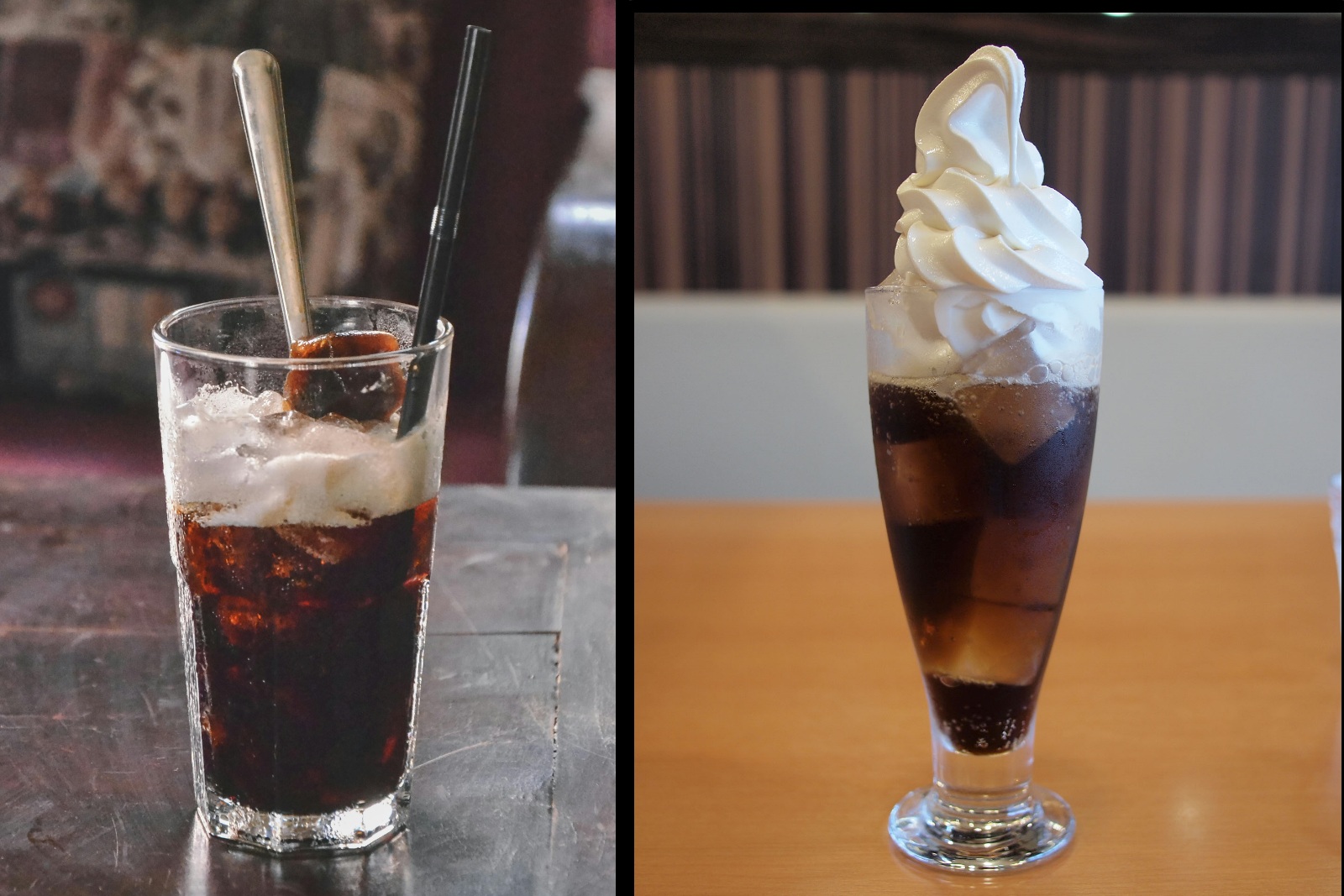
"Let me be very clear," Sodhi stated during her interview with indianexpress.com. "It is not toxic. It is not poison. It is just heavy and sugary. If you are having an ice cream float once in a while at a party, with your kids, or on a holiday, and you truly enjoy it, it is absolutely fine."
However, Sodhi gave the combination a 1.5 out of 5 rating for individuals focused on fat loss or metabolic health. Her rating is based on the inefficiency of the calories—the fact that you are consuming a meal’s worth of energy without the benefit of feeling full.
Expert Strategies for Mindful Indulgence:
- The "Half-Portion" Rule: Instead of a large glass, opt for a small cutting glass or share the float with a friend.
- The Sequential Approach: Sodhi suggests having a float only after a protein-rich meal. The protein and fiber from the meal will help slow the absorption of the sugar from the float, mitigating the insulin spike.
- The Choice Factor: "Choose either ice cream or the cold drink, not both together," Sodhi advises for those who want to indulge more frequently.
- Habit vs. Event: Fat loss does not fail because of one glass of ice cream and cola; it fails because of daily habits. The float should remain an "event," not a "habit."
Implications: Gut Health and Long-Term Metabolic Wellness
Beyond the scales and the sugar spikes, the ice cream float has immediate implications for digestive health, particularly for the modern urban population which increasingly suffers from gut sensitivity.
The Carbonation-Dairy Conflict
The carbon dioxide that gives soft drinks their fizz can lead to increased gas in the stomach. When combined with dairy, which many adults find difficult to digest due to varying degrees of lactose intolerance, the result is often significant bloating, acidity, and gastric heaviness. For individuals with Irritable Bowel Syndrome (IBS) or Acid Reflux (GERD), an ice cream float can trigger acute discomfort.
Metabolic Health and "Hidden" Sugars
The prevalence of such high-calorie, low-satiety treats contributes to the broader trend of metabolic syndrome in India and globally. As lifestyle diseases like Type 2 Diabetes and Non-Alcoholic Fatty Liver Disease (NAFLD) rise, the "occasional" treat often becomes more frequent due to its availability and social media promotion.
The Psychological Aspect
The nostalgia associated with the float is a powerful marketing tool. However, health experts suggest that we should decouple "nostalgia" from "large portions." Enjoying the taste of a float can be achieved with a few sips rather than a 500-calorie serving.
Conclusion: Intentional vs. Impulsive Consumption
The ice cream float remains a cultural icon—a symbol of summer and simple pleasures. From a nutritional standpoint, however, it is a "concentrated hit" of the two things the modern diet already has too much of: refined sugar and saturated fat.
The consensus among health professionals is not to demonize the dessert but to categorize it correctly. It is not a beverage to accompany a meal, nor is it a daily snack. It is a "heavy" indulgence that requires intentionality.
As Swati Sodhi concludes, "Enjoy indulgences intentionally, not impulsively." Whether you are a fitness enthusiast or someone looking to maintain a balanced lifestyle, the key to the ice cream float lies in the "float" itself—letting it be a light, occasional lift to your spirits, rather than a heavy, daily anchor to your metabolic health.
DISCLAIMER: This article is based on information from the public domain and expert testimonials. Nutritional needs vary by individual. Always consult your health practitioner or a registered dietician before making significant changes to your diet or starting a new health routine.
