

By Culinary Arts Correspondent
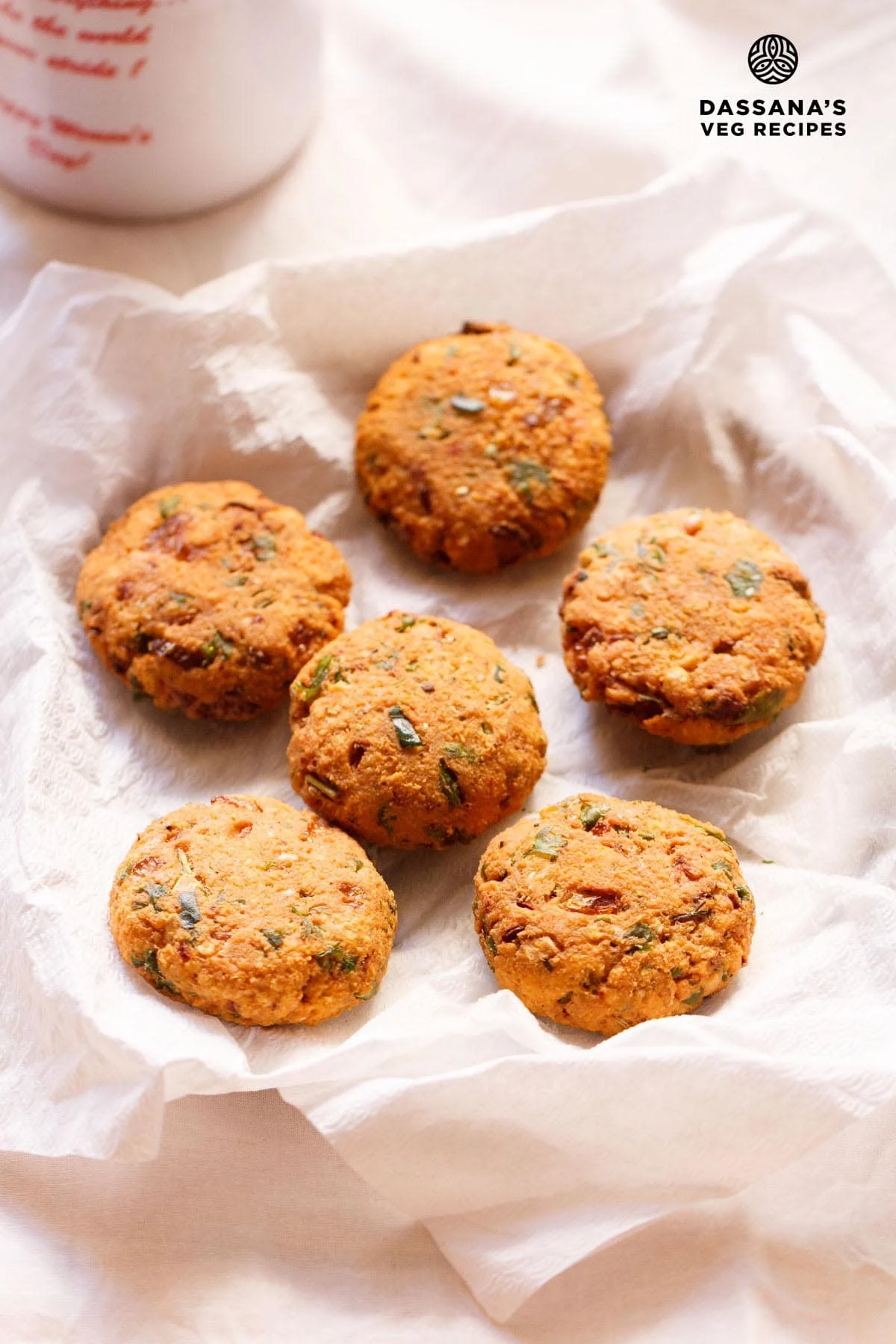
In the pantheon of global street food, few items command the same sensory reverence as the South Indian Masala Vada. Known colloquially in Tamil Nadu and neighboring states as Masala Vadai or Paruppu Vadai, this humble lentil fritter represents a sophisticated intersection of texture, spice, and tradition. Far more than a mere accompaniment to a cup of tea, the Masala Vada is a masterclass in plant-based culinary engineering, utilizing the humble chana dal (split Bengal gram) to create a snack that is simultaneously rugged, crunchy, and aromatic.
As global interest in ethnic snacks and protein-rich vegetarian diets continues to surge, the Masala Vada has transitioned from the bustling street corners of Chennai and Bangalore to high-end gastronomic establishments worldwide. This report explores the intricate mechanics of its preparation, its nutritional profile, and its enduring legacy in the South Asian culinary landscape.
I. Main Facts: The Essence of the Masala Vada
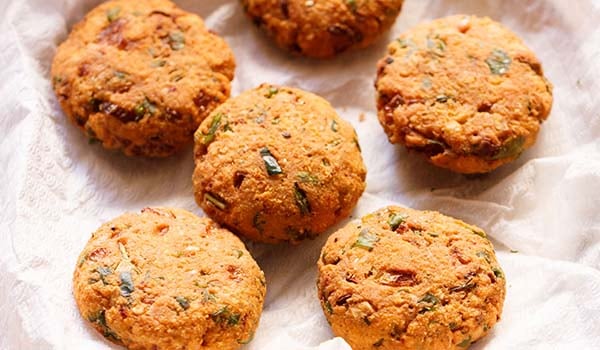
The Masala Vada is a deep-fried patty primarily composed of soaked and coarsely ground chana dal. Unlike its cousin, the Medhu Vada, which is made from a smooth black gram (urad dal) batter and possesses a soft, doughnut-like consistency, the Masala Vada is defined by its "bite."
Key Characteristics:
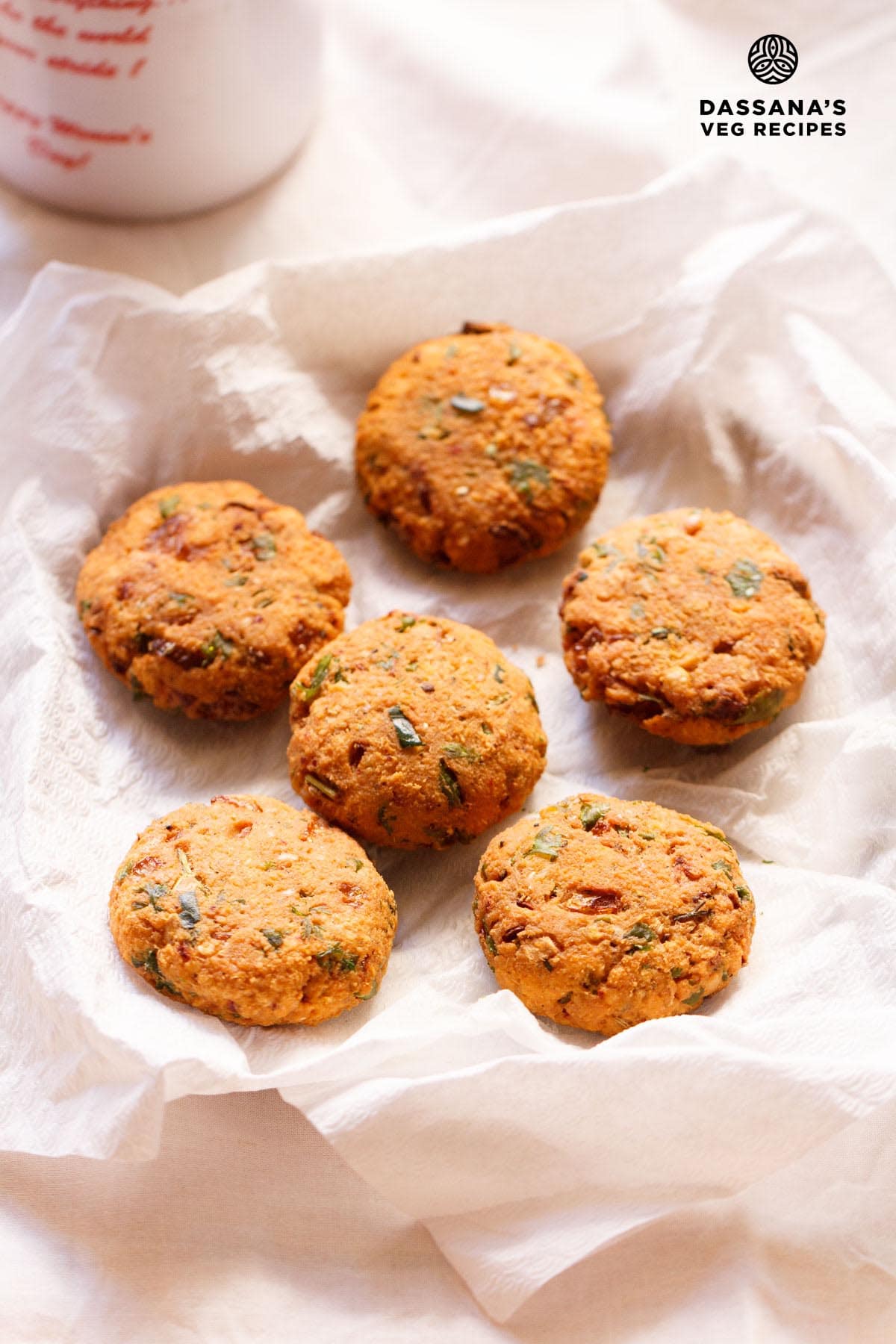
- Texture: The hallmark of a superior Masala Vada is its dual texture—a jagged, ultra-crisp exterior and a slightly soft, spiced interior. This is achieved by leaving a portion of the lentils whole or partially crushed within the batter.
- Aromatic Profile: The snack is heavily flavored with "warm" spices. Fennel seeds (saunf) provide a sweet, anise-like undertone, while black pepper and dry red chilies offer a tiered heat profile.
- Versatility: While traditionally served as a "tea-time" snack (tiffin), it is also a staple in South Indian festive meals and wedding menus.
In recent years, the Masala Vada has gained international recognition for its similarity to the Middle Eastern falafel. However, food historians and chefs note that while the method of pulse-grinding and frying is analogous, the Masala Vada’s use of chana dal and a specific bouquet of Indian herbs—such as curry leaves and cilantro—creates a flavor profile that is uniquely Indo-Aryan and Dravidian in origin.
II. Chronology: The Lifecycle of a Perfect Fritter
The creation of a Masala Vada is a time-sensitive process that requires foresight and precision. From the initial hydration of the legumes to the final immersion in boiling oil, each stage is critical to the final result.
1. The Hydration Phase (T-minus 2 Hours)
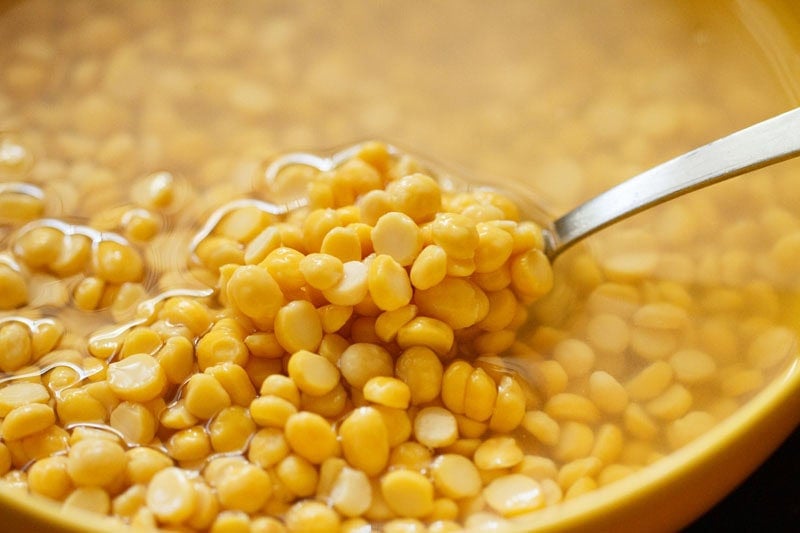
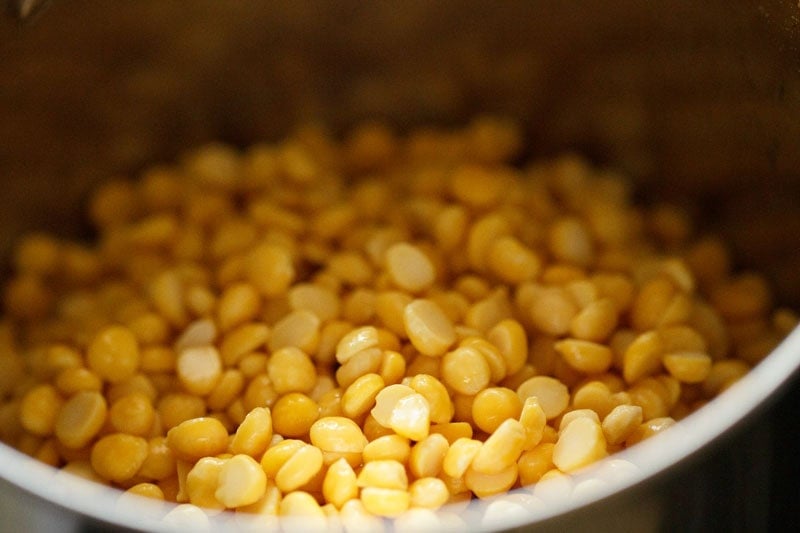
The process begins with the rinsing and soaking of chana dal. Standard culinary practice dictates a two-hour soak in room-temperature water. This duration is calculated to soften the lentils sufficiently for grinding while ensuring they retain enough structural integrity to resist turning into a mushy paste. For expedited preparation, chefs utilize a "hot-soak" method, reducing the time to 60 minutes by using near-boiling water.
2. The Spice Integration
Before the lentils are processed, a dry spice mix is prepared. This typically includes:
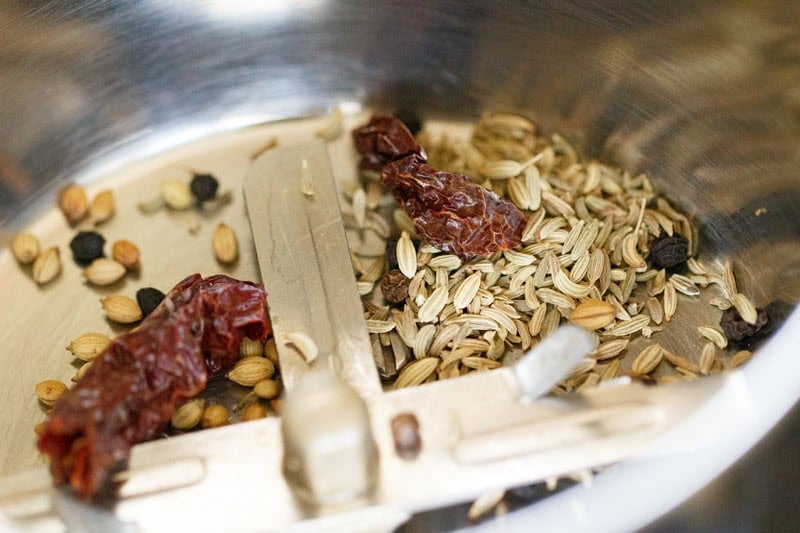
- Fennel Seeds: The primary aromatic.
- Coriander Seeds: To add earthy, citrusy notes.
- Black Peppercorns: For a sharp, lingering heat.
- Dry Red Chilies: To provide both color and a robust spicy base.
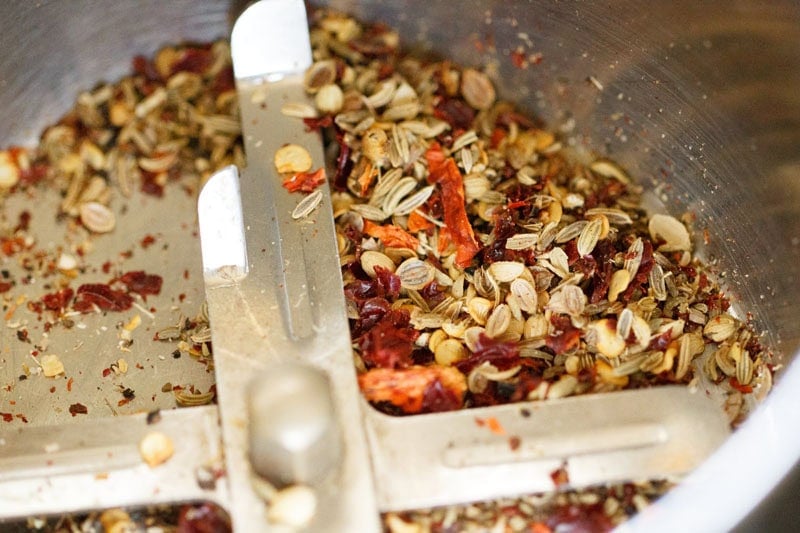
These are ground coarsely. In a professional kitchen, the goal is to avoid a fine powder, as the larger fragments of spices contribute to the "street-style" aesthetic and flavor bursts.
3. The Coarse Grind
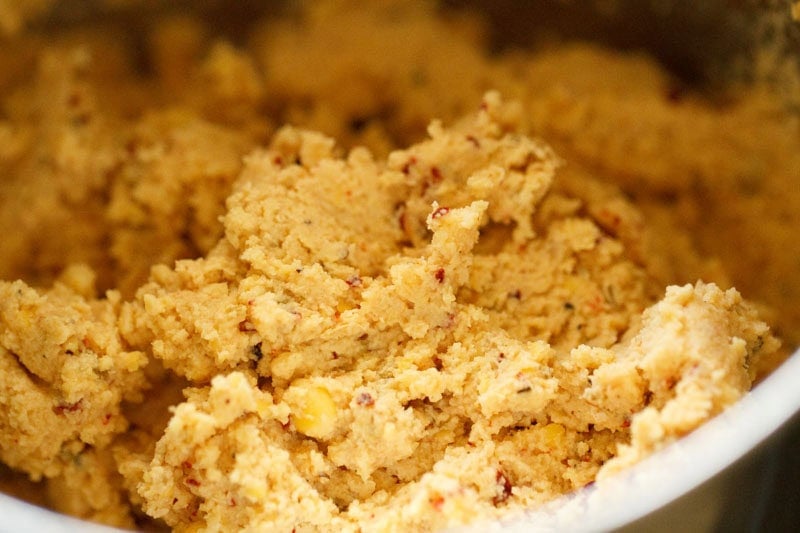
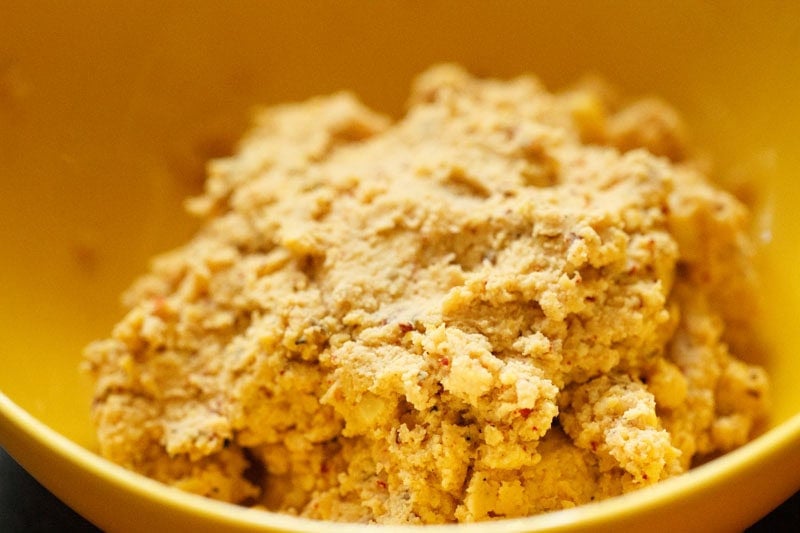
The soaked lentils are drained of all excess moisture—a vital step, as any residual water will dilute the batter and prevent the vada from achieving its signature crunch. The lentils are blended with the spice mix without adding any additional water. The resulting mixture is a thick, granular paste interspersed with whole dal kernels.
4. The Aromatics and Assembly
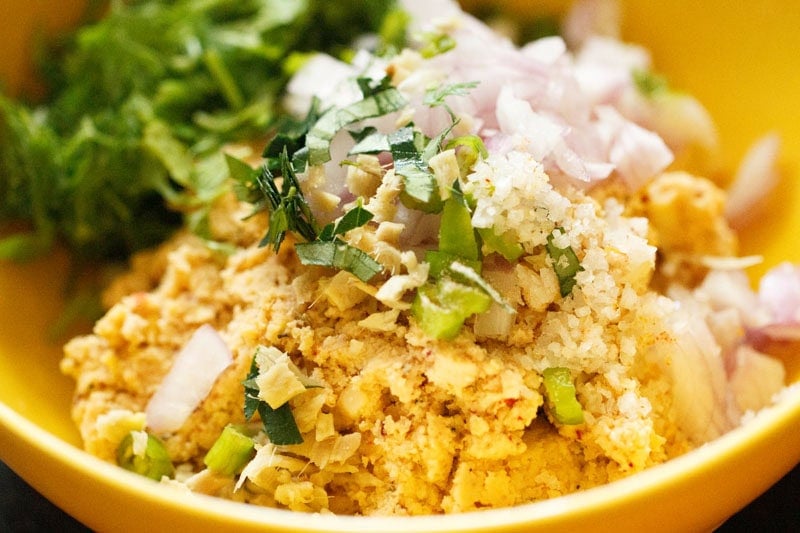
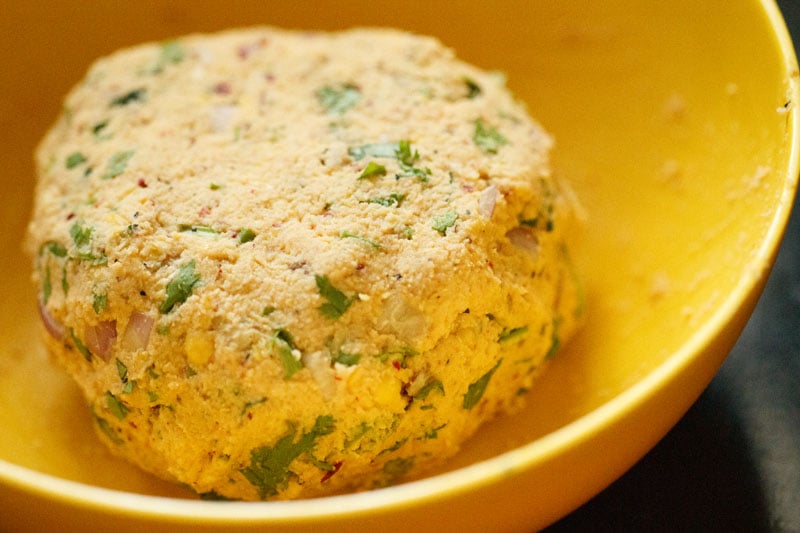
Once the base is ready, fresh ingredients are folded in. Finely chopped onions are added for sweetness and moisture, while ginger, green chilies, curry leaves, and coriander leaves provide layers of freshness. A pinch of hing (asafoetida) is often included, not only for its savory "umami" flavor but also for its digestive properties, as it helps counteract the gas-inducing nature of legumes.
5. Shaping and Thermal Processing
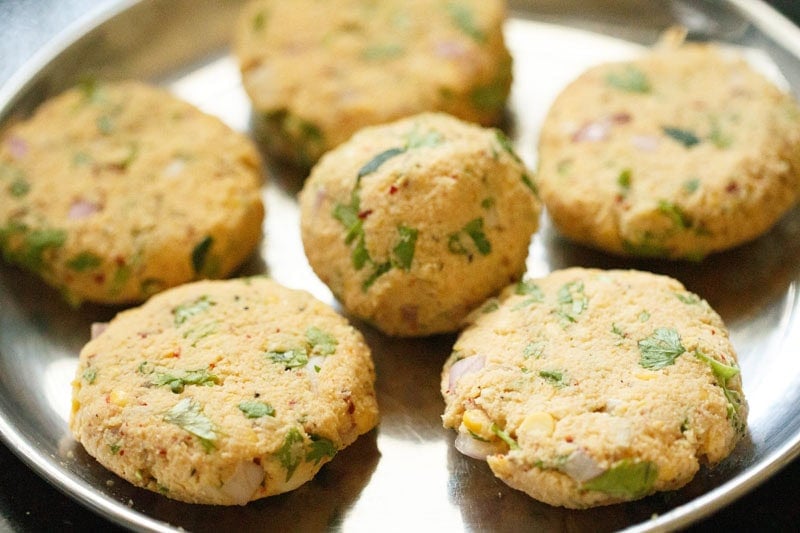
The batter is shaped into small balls and then flattened into discs. The frying process occurs in a kadai (traditional wok) filled with hot oil maintained at a medium-high temperature. The vadas are fried until they transition from a pale yellow to a deep, mahogany gold. This stage requires careful heat management; if the oil is too hot, the exterior burns while the interior remains raw. If too cool, the vada absorbs excess oil and becomes greasy.
III. Supporting Data: Nutritional and Technical Specifications
From a nutritional standpoint, the Masala Vada is a powerhouse of plant-based protein and fiber, making it a relatively satiating snack compared to flour-based alternatives.
Nutritional Breakdown (Per Serving/Vada):
- Energy: Approximately 71 kcal.
- Macronutrients: 6g Carbohydrates, 2g Protein, 5g Fat.
- Micronutrients: Significant levels of Vitamin B9 (Folate) at 107 µg, along with Calcium (22mg) and Iron (1mg).
- Fiber: 2g, contributing to a lower glycemic index compared to processed potato snacks.
Technical Variations:
While the chana dal version is the standard "street style," several regional variations exist:
- The Multi-Lentil Approach: Some recipes incorporate tuvar dal (pigeon peas) or moong dal (mung beans) to alter the density and protein profile.
- Texture Enhancers: The addition of 1–2 tablespoons of rice flour is a common industry secret used to ensure the exterior remains crisp for longer periods, especially in commercial catering environments.
- The Coconut Inclusion: In coastal regions, grated fresh coconut is added to the batter, providing a creamy contrast to the sharp spices.
IV. Official Responses: Expert Culinary Perspectives
Leading chefs and culinary experts emphasize that the Masala Vada is a dish of "feeling" rather than just measurements. According to seasoned practitioners of South Indian cuisine, several "golden rules" govern the production of a world-class vada.
On the Importance of Moisture Control:
"The greatest mistake a novice makes is adding water during the grinding stage," says a veteran chef specializing in South Indian tiffin. "The onions provide enough moisture once they hit the salt. If the batter is loose, the vada will disintegrate in the oil. It must be a dry, bindable mass."
On Heat Management:
Experts suggest a "test drop" method to gauge oil readiness. A tiny portion of the batter should rise steadily to the surface without instantly browning. This indicates the oil is at the optimal 350°F to 375°F (175°C to 190°C) range.
On Flavor Balance:
The use of both dry red chilies and fresh green chilies is recommended by experts to create a "round" heat. The red chilies provide a smoky, base heat, while the green chilies offer a sharp, immediate sting on the palate.
V. Implications: Cultural Legacy and the Global Snack Market
The Masala Vada holds a unique position in the social fabric of India. It is the quintessential "monsoon snack," synonymous with rainy afternoons and the ritual of Kaapi (South Indian filter coffee). However, its implications extend beyond mere nostalgia.
1. The Global Plant-Based Shift
As the world moves toward "clean label" and plant-based foods, the Masala Vada is perfectly positioned for global expansion. It is naturally vegan, gluten-free (provided no wheat-based thickeners are used), and made from whole legumes. It serves as a viable, high-protein alternative to processed meat appetizers in international markets.
2. Economic Impact of Street Food
In cities like Chennai, the Masala Vada is a cornerstone of the informal economy. Thousands of small-scale vendors rely on the daily sale of these fritters. The "street-style" version, noted for being bolder and spicier than the "homestyle" version, continues to drive foot traffic to local markets, maintaining the relevance of traditional food systems in an era of fast-food chains.
3. Gastronomic Evolution
We are currently witnessing a "Gourmet Vada" trend. Modern Indian bistros are experimenting with stuffing Masala Vadas with non-traditional ingredients like goat cheese or serving them as "sliders" within sourdough buns. This evolution ensures that while the core recipe remains rooted in tradition, the dish stays relevant to the evolving palates of younger, globalized generations.
Conclusion
The Masala Vada is more than a fried snack; it is a testament to the ingenuity of South Indian cooking. By transforming simple lentils and local spices into a complex, multi-textured experience, it remains an enduring icon of Indian gastronomy. Whether enjoyed at a roadside stall or a five-star restaurant, the Masala Vada continues to offer a "crunch" that resonates across cultural and culinary boundaries.
