

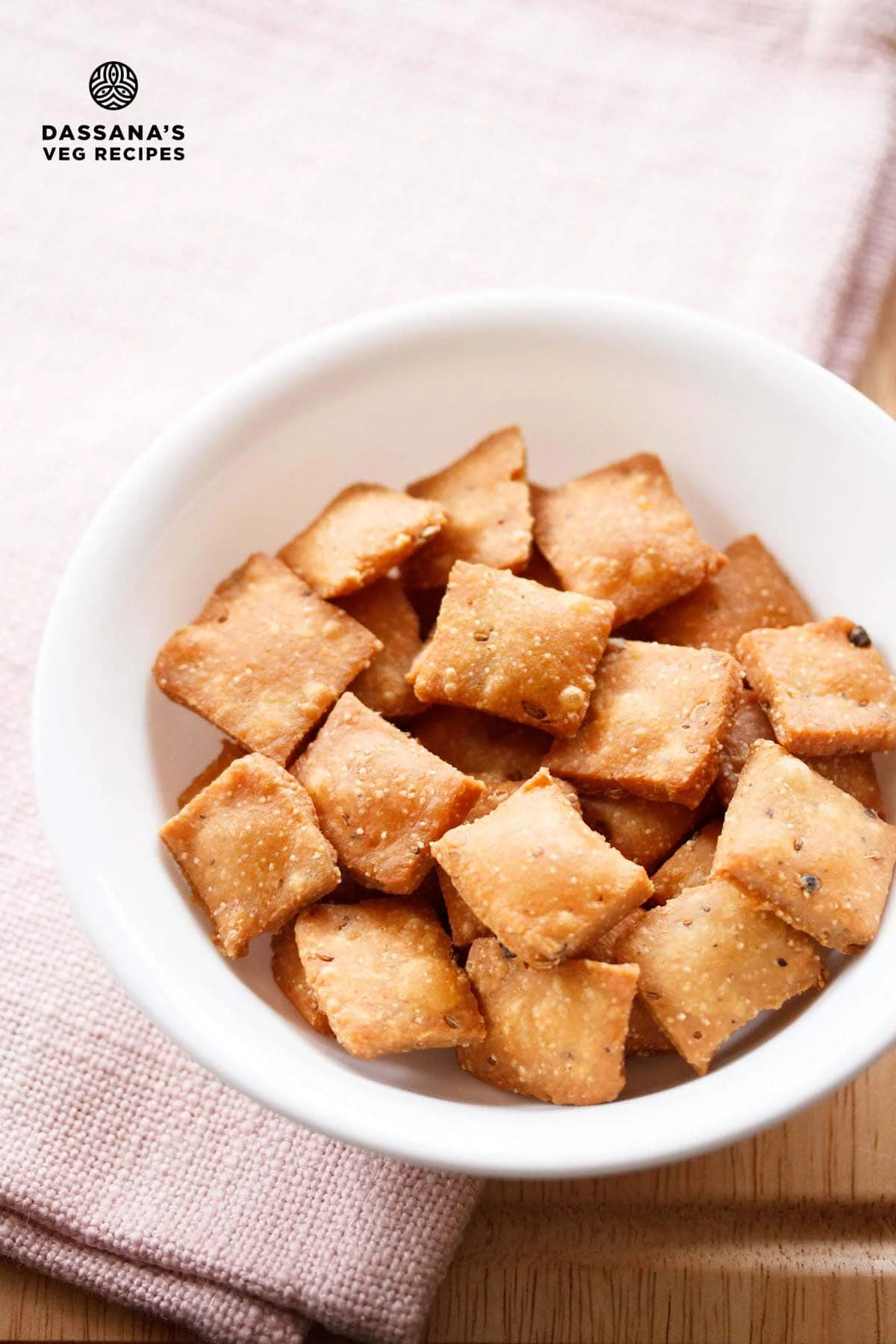
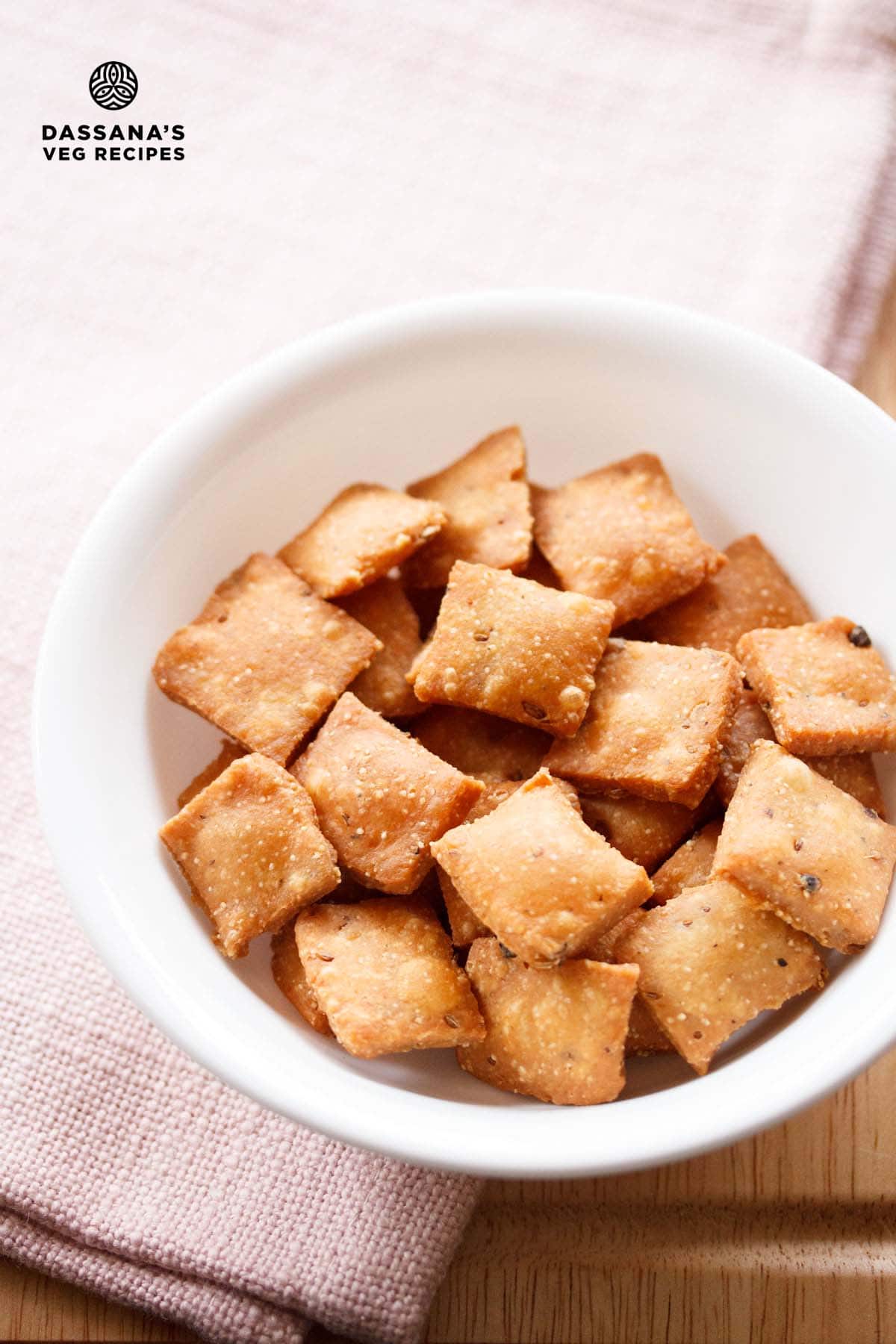
NEW DELHI – In the vast and diverse landscape of Indian gastronomy, few snacks bridge the gap between festive indulgence and daily tea-time rituals as effectively as the Diamond Biscuit. Known variously across the subcontinent as Khara Biscuits, Diamond Cuts, Thukkada, or Kalakala, these savory, diamond-shaped fried morsels represent a significant chapter in the country’s "slow food" tradition.
As modern consumers increasingly pivot away from ultra-processed commercial snacks, the Diamond Biscuit—a staple of South Indian households during festivals like Diwali and Krishna Jayanthi—is seeing a major resurgence. This report examines the culinary architecture, regional variations, and the cultural implications of this enduring snack.
Main Facts: The Anatomy of a Savory Icon
The Diamond Biscuit is defined by its geometric precision and its complex textural profile. Unlike its sweet counterpart, the Shankarpali, the Khara (savory) version relies on a sophisticated blend of spices and a specific ratio of flours to achieve a "melt-in-the-mouth" yet crunchy consistency.
The Flour Trifecta
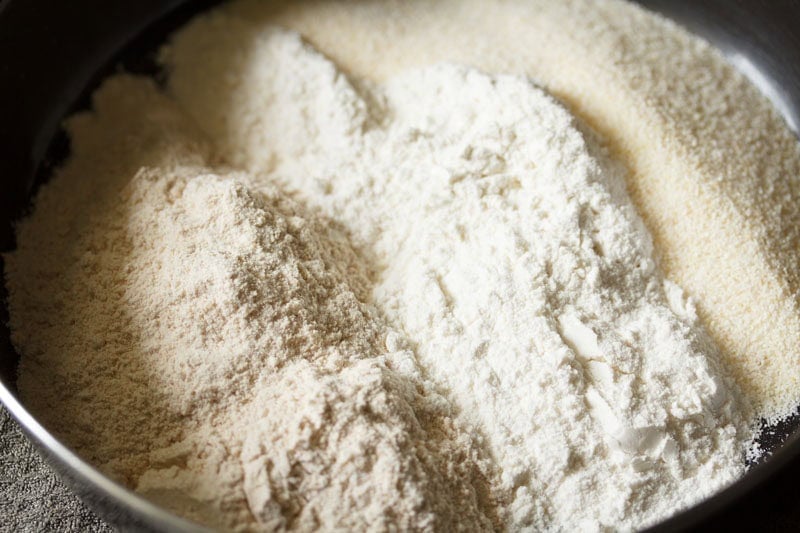
At the heart of the contemporary Diamond Biscuit is a hybrid flour base. Traditionally made with refined flour (maida), modern iterations have integrated whole wheat flour (atta) and fine semolina (rava or sooji).
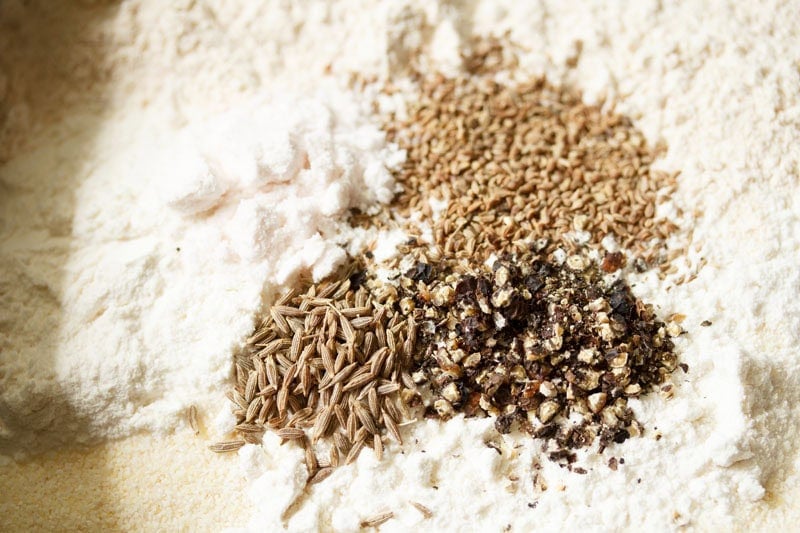
- Whole Wheat Flour: Adds a nutty undertone and increases the fiber content.
- All-Purpose Flour: Provides the necessary gluten structure for rolling and shaping.
- Semolina: Acts as a textural agent, ensuring a long-lasting crispness that survives storage.
The Flavor Profile
The snack’s distinct "savory-hot" profile is derived from a quartet of traditional Indian seasonings:
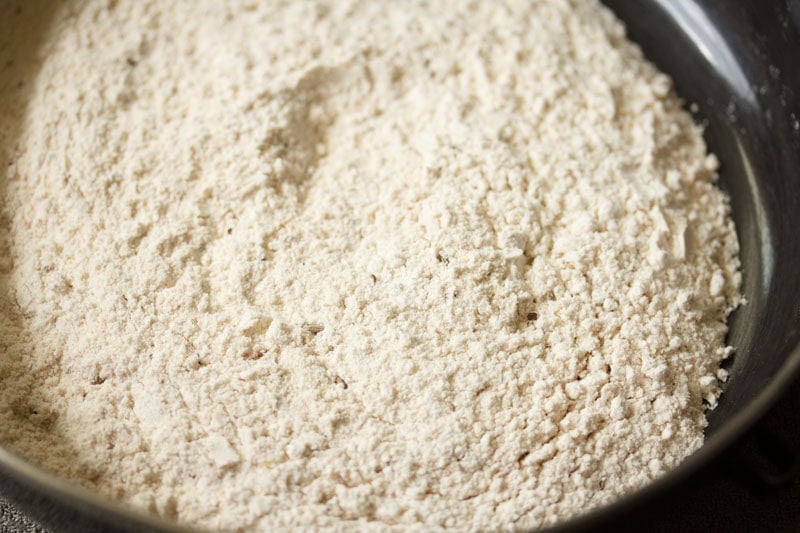
- Carom Seeds (Ajwain): Essential for both its pungent, thyme-like flavor and its digestive properties, which counteract the heaviness of deep-frying.
- Cumin (Jeera): Provides an earthy aroma.
- Crushed Black Pepper: Offers a slow-burning heat that lingers on the palate.
- Ghee (Clarified Butter): Used as moiyan (shortening) to ensure the dough remains flaky.
Chronology: From Raw Ingredients to Golden Crisp
The production of Diamond Biscuits is a time-sensitive process that requires patience and precise temperature control. The following chronology outlines the traditional method of preparation used in Indian households.
Phase I: Dough Emulsification and Resting
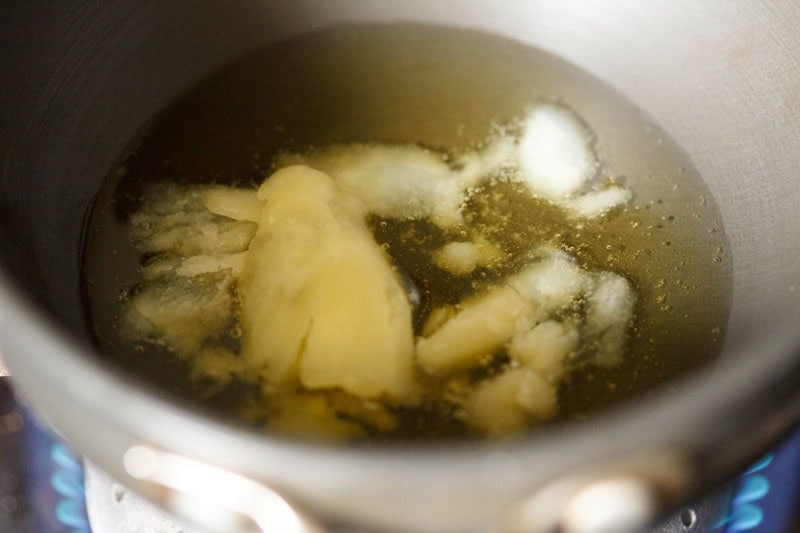
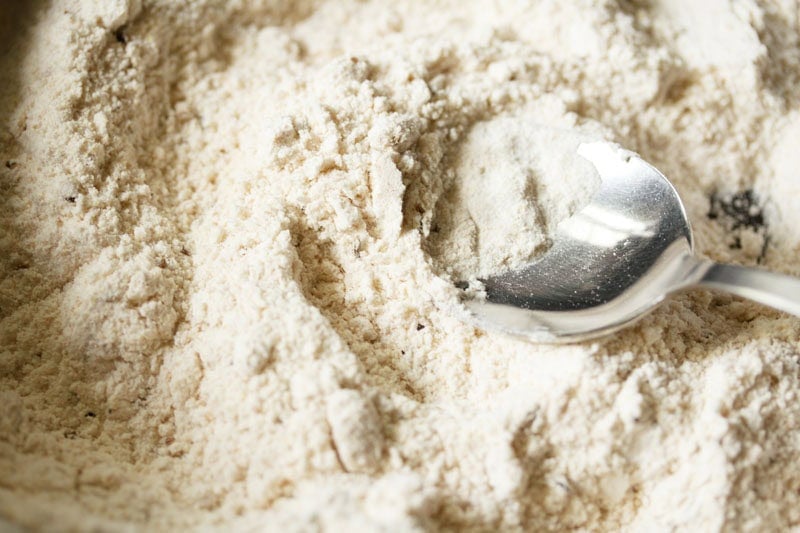
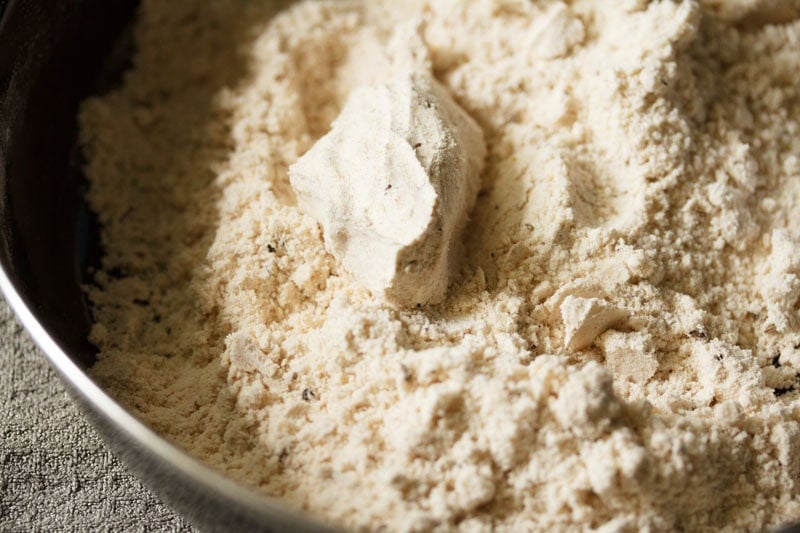
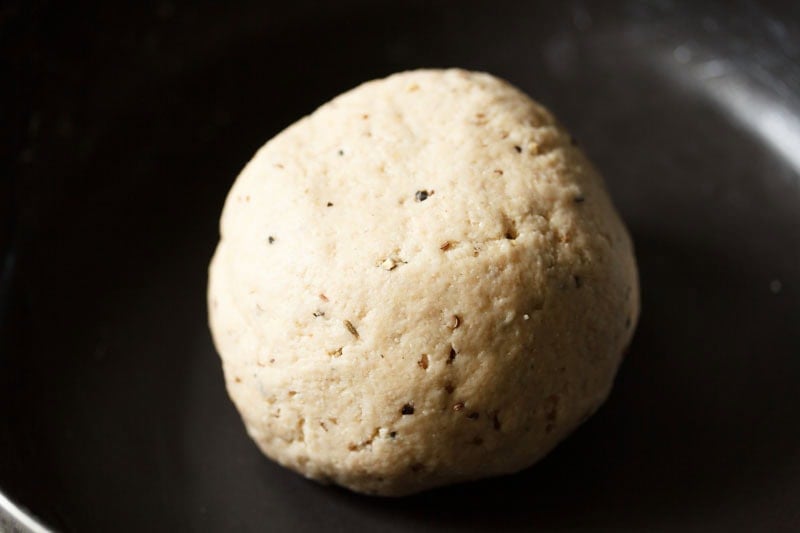
The process begins with the "rubbing-in" method. Ghee or oil is heated and poured over the flour-spice mixture. Culinary experts emphasize that the fat must be rubbed between the fingertips until the flour resembles breadcrumbs and can hold its shape when pressed in the palm.
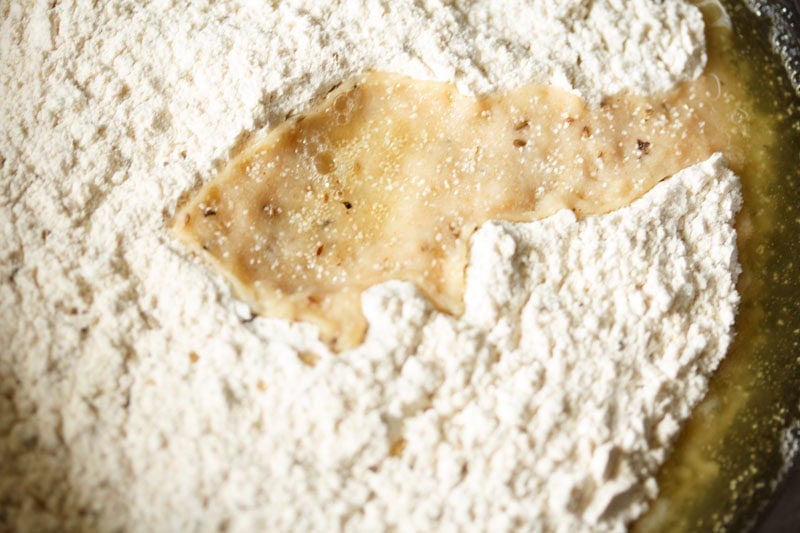
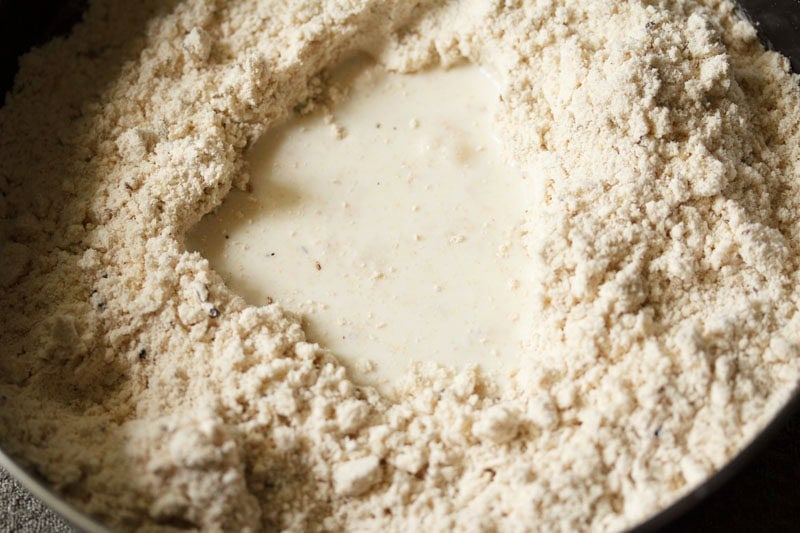
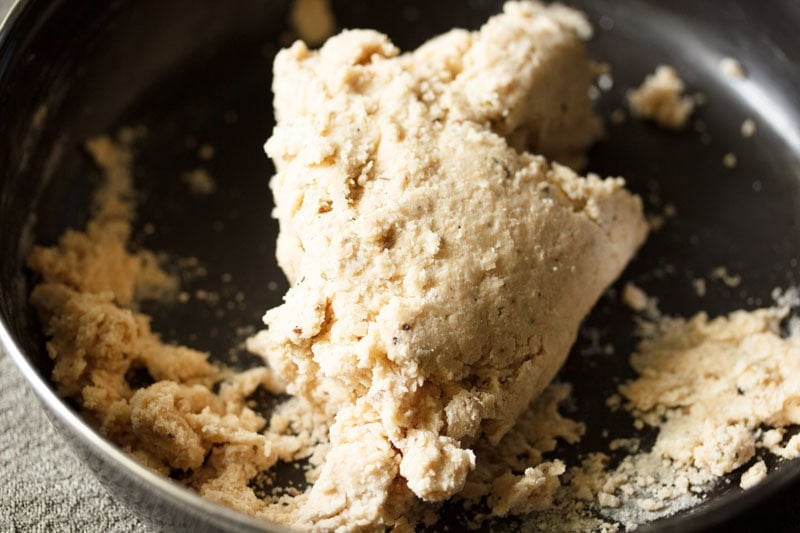
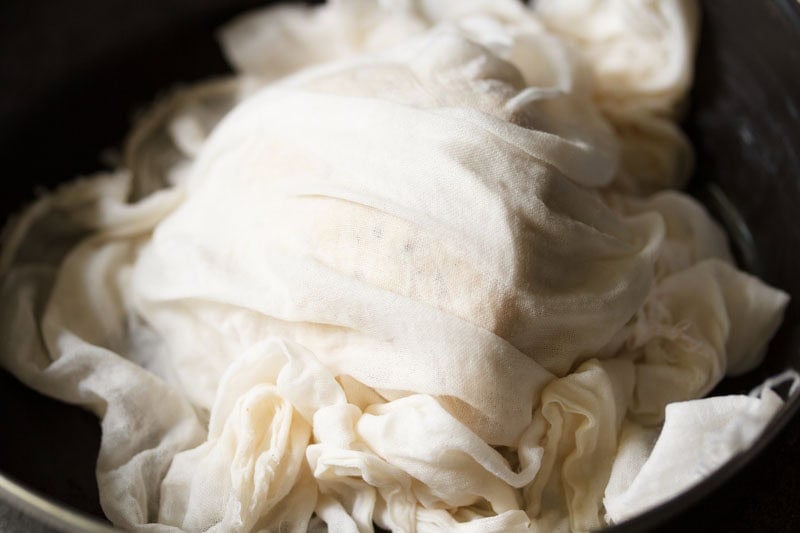
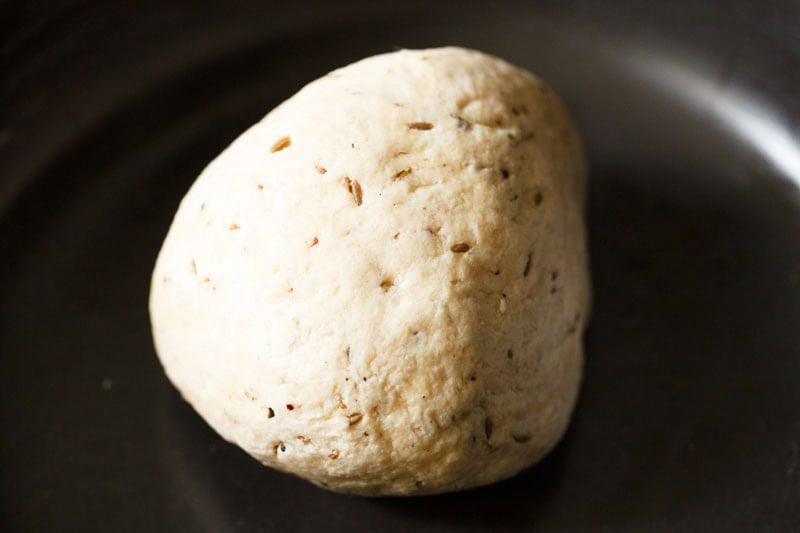
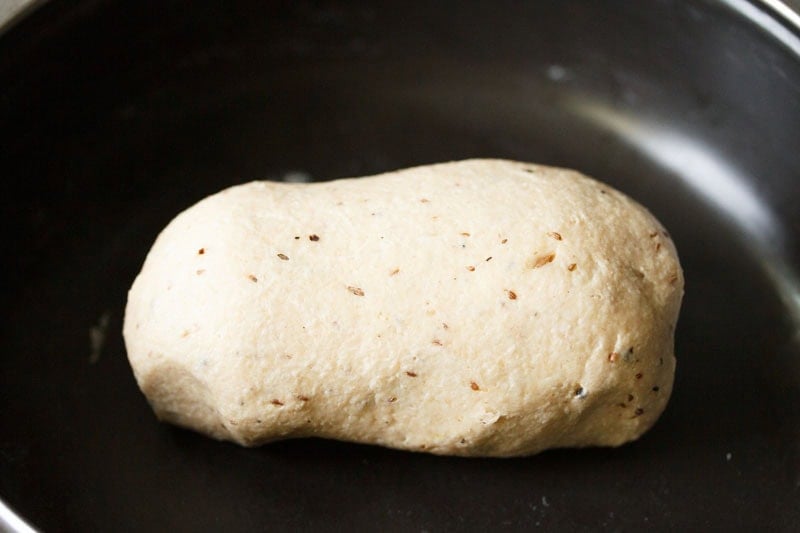
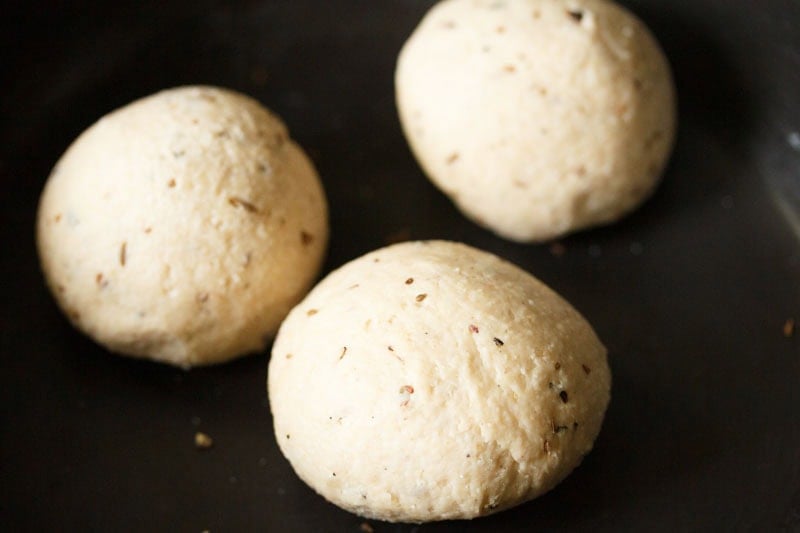
Following this, liquid—either water for a sharper crunch or milk for a richer, softer bite—is added gradually. The dough is kneaded into a stiff, firm consistency. A critical step in the chronology is the resting period (20 to 30 minutes). During this time, the semolina hydrates, and the gluten relaxes, making the dough pliable enough for the geometric cutting that gives the snack its name.
Phase II: Geometric Precision
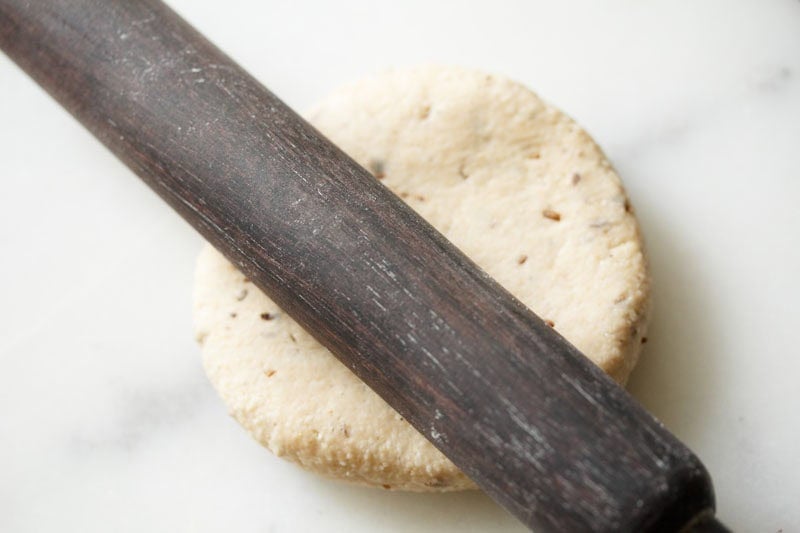
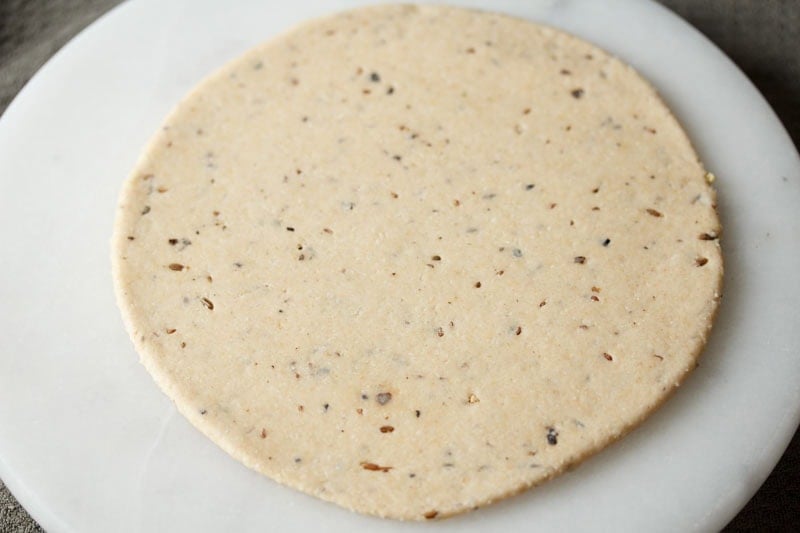
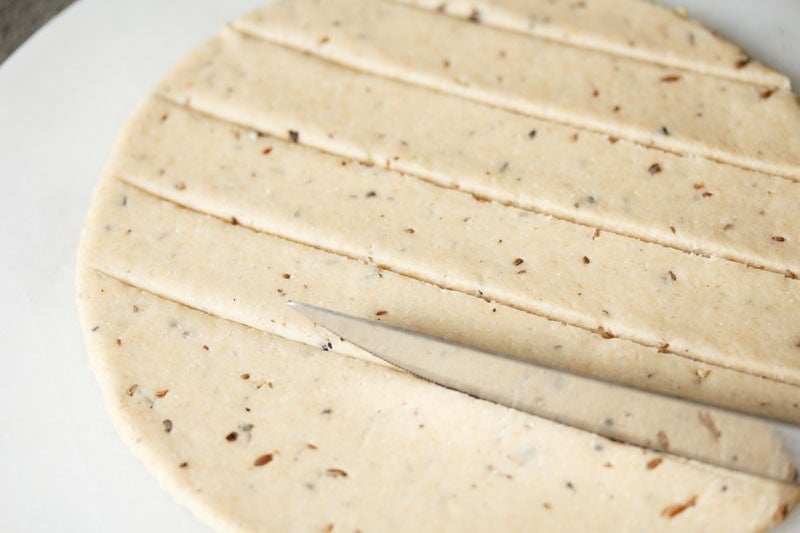
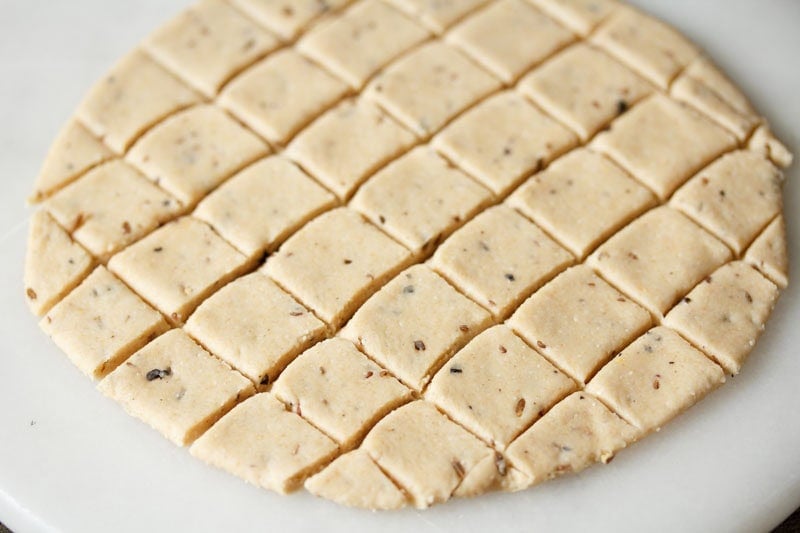
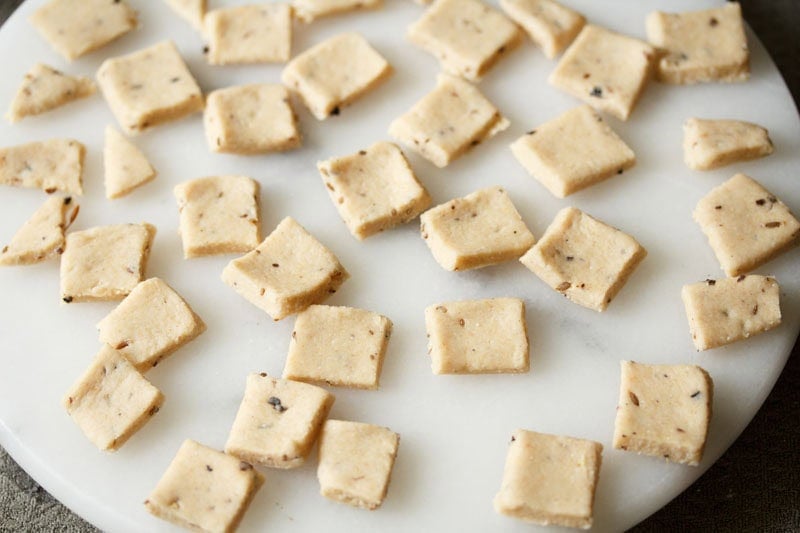
Once rested, the dough is divided into large spheres and rolled into discs approximately 5 to 7 mm thick. Using a pizza cutter or a traditional knife, the cook performs a series of diagonal cuts. This creates the signature diamond shape, which is not merely aesthetic; the pointed edges of the diamond fry faster than the center, creating a variation in texture within a single bite.
Phase III: The Science of Frying
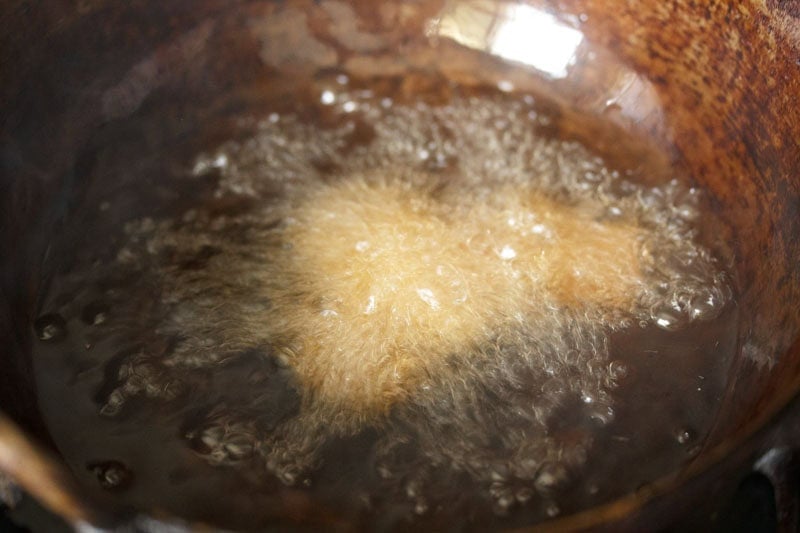
The final and most volatile stage is deep-frying. The oil must be maintained at a "medium-hot" temperature. If the oil is too hot, the exterior browns instantly while the interior remains doughy (the "center-soft" failure). Conversely, if the oil is too cool, the biscuits absorb excess fat, leading to a greasy finish. The biscuits are fried until they achieve a uniform golden-brown hue, a visual indicator of the Maillard reaction that provides the snack’s savory depth.
Supporting Data: Nutritional and Regional Mapping
The Diamond Biscuit is a caloric-dense snack, reflecting its origins as a high-energy festive treat.
Nutritional Breakdown (Per Serving)
Based on standard household recipes, a single serving (approximately 40-50g) contains:
- Calories: 218 kcal
- Total Fat: 13g (with 4g of Saturated Fat)
- Carbohydrates: 22g
- Protein: 4g
- Sodium: 203mg
- Fiber: 2g
While the fat content is notable, the inclusion of carom seeds and cumin provides trace amounts of minerals like iron and magnesium, and the use of whole wheat flour slightly improves the glycemic index compared to 100% maida snacks.
Regional Nomenclature
The Diamond Biscuit serves as a linguistic map of India:
- Maharashtra/Gujarat: Khara Shankarpali
- South India (Tamil Nadu/Karnataka): Diamond Cuts or Maida Biscuits
- North India: Often associated with Namak Para, though Namak Para is typically ribbon-shaped rather than diamond-cut.
- West Bengal: Nimki (often featuring kalonji seeds instead of ajwain).
Official Responses: Culinary and Health Perspectives
Culinary historians and nutritionists offer differing but complementary views on the Diamond Biscuit’s place in the modern diet.
Chef Ananya Iyer, a specialist in South Indian Heritage Foods, states:
"The Diamond Biscuit is a masterclass in domestic engineering. The use of ghee as a shortening agent, combined with the cooling properties of cumin, shows an ancestral understanding of food science. We are seeing a massive shift where young professionals are asking for these recipes to reconnect with their roots. It’s no longer just a ‘grandmother’s snack’; it’s a gourmet tea-time accompaniment."
Dr. Rajesh Verma, a Senior Nutritionist, offers a more tempered view:
"While the move toward homemade snacks using whole wheat and ghee is a positive step away from the palm oil and preservatives found in commercial packets, we must remember these are fried foods. The implication for heart health is all about portion control. However, from a psychological standpoint, the ‘mindful snacking’ associated with homemade Diamond Biscuits often leads to lower overall consumption than ‘mindless’ snacking from a large commercial bag."
Implications: The Future of Traditional Snacking
The persistence of the Diamond Biscuit recipe suggests several broader implications for the food industry and cultural preservation.
1. The "Clean Label" Movement
The Diamond Biscuit is naturally "clean label." With only flour, fat, and spices, it stands in stark contrast to commercial crackers that contain high-fructose corn syrup, leavening agents, and artificial flavor enhancers. As transparency becomes a currency in the food market, the Diamond Biscuit is well-positioned as a "transparent" food.
2. Customization and Fusion
The recipe’s inherent flexibility allows for modern adaptations. We are currently seeing "spicy versions" with red chili powder, "garlic-infused" varieties, and even "baked" versions for the ultra-health-conscious. This adaptability ensures the snack remains relevant to Gen Z and Millennial palettes.
3. Cultural Continuity
During festivals like Diwali, the act of making Diamond Biscuits is often a communal activity. The "rolling and cutting" phase is a labor-intensive process that brings families together. In an increasingly digital world, the Diamond Biscuit serves as a physical tether to family history and regional identity.
4. Storage and Sustainability
Unlike many snacks that lose their texture within hours, the Diamond Biscuit is designed for longevity. When stored in airtight containers, it remains crisp for up to three weeks. This durability makes it an ideal "giftable" food, supporting the traditional Indian practice of sharing homemade sweets and savories with neighbors and relatives.
Conclusion
The Diamond Biscuit is far more than a simple fried dough snack. It is a culinary artifact that encapsulates the Indian philosophy of "Khara"—the love for the salty and savory. By balancing the crunch of semolina with the health of whole wheat and the medicinal benefits of Indian spices, it remains a gold standard of the tea-time experience. Whether it is called Thukkada in a Tamil household or Shankarpali in a Maharashtrian one, the diamond shape remains a universal symbol of festive joy and domestic craftsmanship. As the world moves toward a more localized and artisanal food future, the Diamond Biscuit is likely to remain a permanent fixture on the global snack map.
