

The Indian automotive landscape is currently undergoing a seismic shift, transitioning from internal combustion engines (ICE) to electric mobility at a pace few predicted a decade ago. At the forefront of this revolution is Tata Motors, a company that has not merely participated in the shift but has actively dictated its trajectory. The introduction of the Tata Punch.ev represents a pivotal moment in this journey. It is not just another electric car; it is the first product built on the company’s dedicated ‘acti.ev’ architecture, signaling a departure from the "converted" EV platforms of the past.
The Tata Punch.ev arrives with a quiet confidence. Eschewing the over-the-top gimmicks and overwhelming tech-heavy interfaces that often plague modern EVs, the Punch.ev focuses on a singular, clear purpose: delivering a functional, sophisticated, and seamless electric driving experience for the everyday commuter.
Main Facts: Defining the New Standard for Entry-Level EVs
The Tata Punch.ev is positioned strategically within Tata’s "House of Brands," filling the crucial gap between the entry-level Tiago.ev and the premium Nexon.ev. By leveraging the popularity of the Punch brand—which has consistently been a top-seller in the micro-SUV segment—Tata has created an electric vehicle that feels both familiar and futuristic.
Key Specifications and Highlights:
- Platform: The debut of the acti.ev (Advanced Connected Tech-Intelligent Electric Vehicle) platform, a dedicated EV architecture.
- Battery Variants: Two options—a 25 kWh Medium Range (MR) and a 40 kWh Long Range (LR) pack.
- Performance: The LR variant produces 122 PS (approx. 90 kW) and 190 Nm of torque, while the MR variant offers 82 PS and 114 Nm.
- Real-World Range: While ARAI figures suggest higher, real-world estimates for the LR variant sit comfortably between 300 km and 350 km.
- Charging: Supports DC fast charging up to 65 kW, allowing a 20% to 80% charge in roughly 56 minutes.
- Pricing: Competitively priced between ₹9.69 lakh and ₹12.59 lakh (ex-showroom).
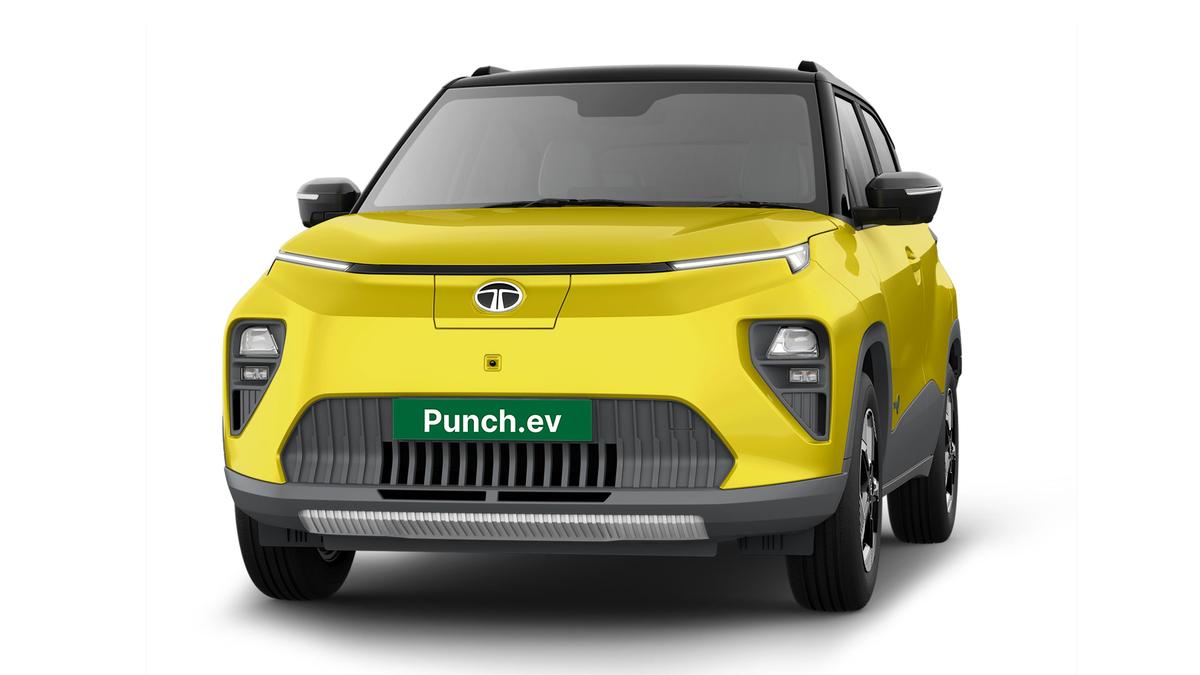
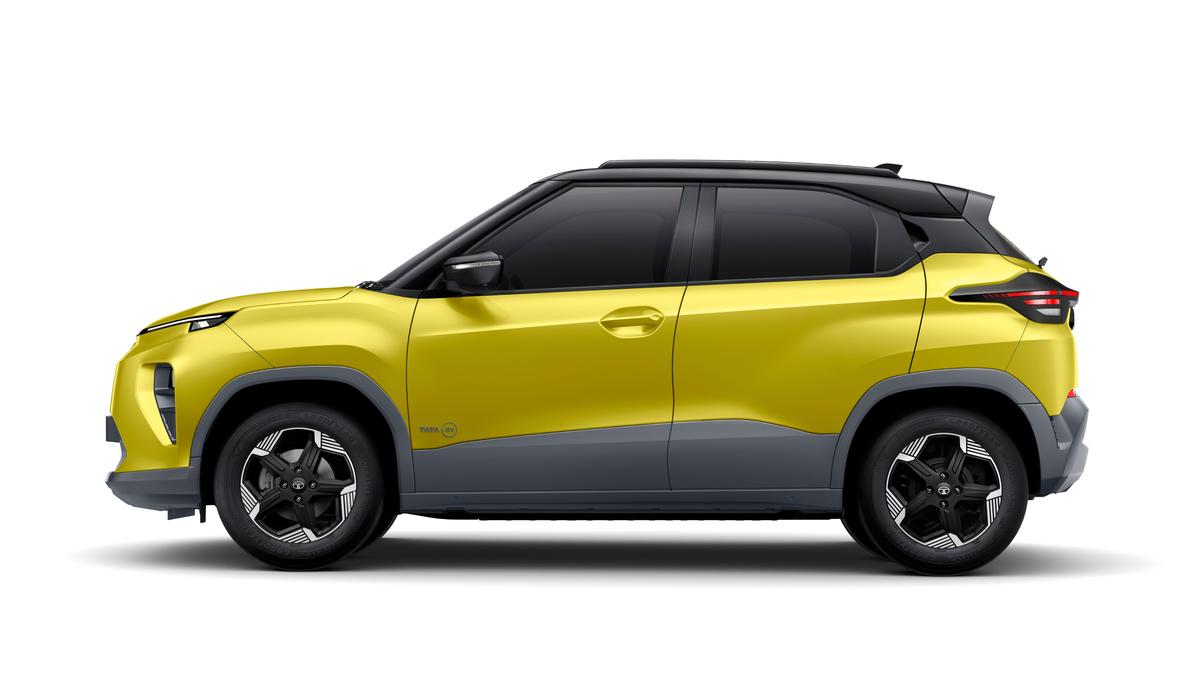
The vehicle’s design philosophy centers on "less is more." While it retains the rugged, upright stance of its ICE sibling, it introduces a "Digital Design" language characterized by a full-width LED light bar, a closed-off grille that doubles as a charging port door, and aerodynamic alloy wheels.
Chronology: From Concept to the acti.ev Revolution
To understand the significance of the Punch.ev, one must look at the timeline of Tata Motors’ electric evolution.
- 2020: The Nexon EV Launch: Tata proved that EVs could be viable in India by converting their existing X1 platform. This was a "Gen 1" approach—fitting a battery and motor into an existing ICE chassis.
- 2021: The Launch of the ICE Punch: Tata introduced the Punch as a sub-compact SUV, which quickly became a volume driver due to its 5-star GNCAP safety rating and high ground clearance.
- 2022-2023: Market Dominance: Tata Motors captured over 70% of the Indian EV market share with the Tiago.ev and Tigor.ev, solidifying the brand’s reputation for reliability in the electric space.
- January 2024: The acti.ev Announcement: Tata unveiled its first pure EV platform, acti.ev. This "Gen 2" architecture was designed specifically to maximize cabin space, battery efficiency, and safety.
- Present Day: The Punch.ev hits the road as the flagship for this new architecture, representing the culmination of four years of real-world data collection and engineering refinement.
Supporting Data: Performance, Range, and Daily Usability
The true measure of an electric vehicle lies in its performance data and how that translates to the asphalt. The Punch.ev Long Range (LR) variant, equipped with the 40 kWh battery, is the focal point for those looking for a primary vehicle.
Driving Dynamics and Powertrain
The immediacy of the electric motor is most evident in urban environments. The Punch.ev is exceptionally quick off the line, reaching 60 km/h with an eagerness that makes lane-changing and merging into traffic effortless. Unlike some competitors that suffer from a "binary" throttle—where the car either lurches forward or stays still—the Punch.ev features a progressive throttle map. This predictability is essential for drivers transitioning from petrol or diesel cars, as it mimics a natural acceleration curve.
The suspension setup has been tuned to handle the additional weight of the battery packs. While the ICE Punch is known for its ruggedness, the Punch.ev feels more "planted." The low center of gravity, a byproduct of the floor-mounted battery, reduces body roll significantly. With a ground clearance of 190 mm (unladen) and a water-wading depth of 350 mm, it retains the "go-anywhere" capability that SUV buyers demand.
Range and Charging Efficiency
Range anxiety remains the primary barrier to EV adoption in India. Tata has addressed this with a two-pronged approach: battery density and charging speed.
- The 300 km Barrier: In real-world conditions, including heavy air conditioning use and typical Indian traffic, the 40 kWh variant delivers a reliable 300-320 km. This is more than sufficient for a week of city commuting or a moderate inter-city trip.
- The 15-Minute Rule: Using a 50 kW or 65 kW DC fast charger, a 15-minute "coffee break" stop can replenish approximately 130 km of range. This shifts the ownership paradigm from "waiting for a charge" to "charging while you wait."
Interior and Technology
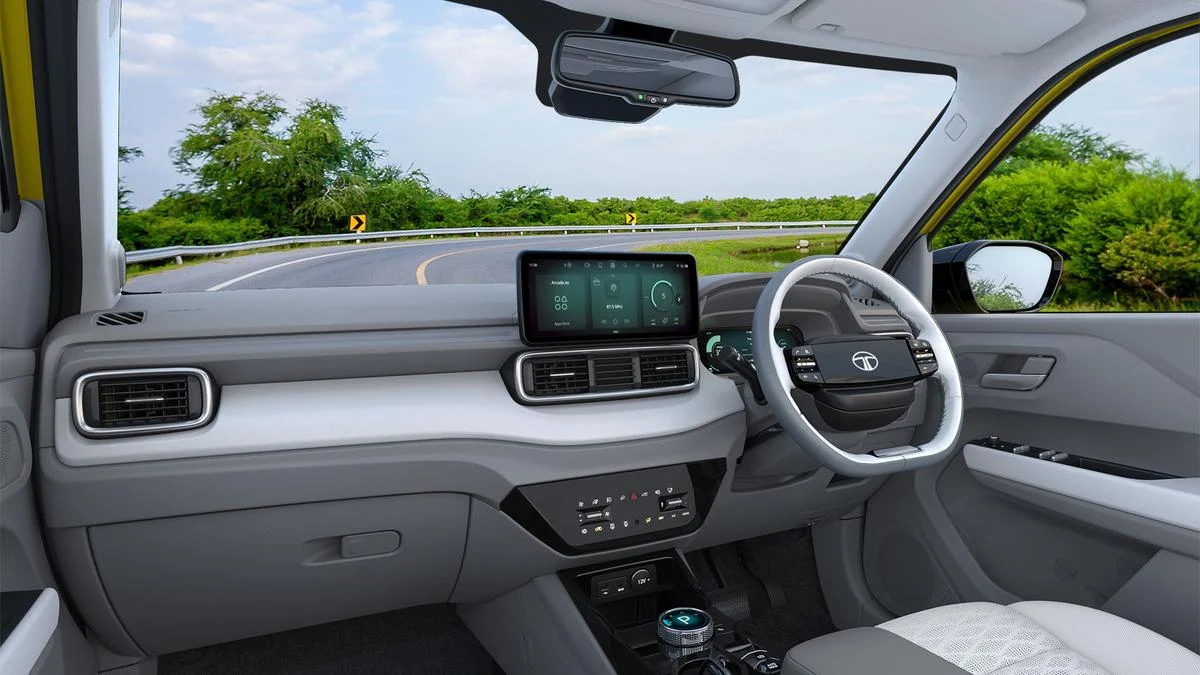
The cabin is where the acti.ev platform’s benefits are most tangible. The flat floor design provides rear passengers with significantly more legroom and comfort than traditional ICE conversions.
- Infotainment: A dual-screen setup featuring a 10.25-inch touchscreen and a 10.25-inch digital instrument cluster.
- Connectivity: Wireless Android Auto and Apple CarPlay are standard on higher trims, supplemented by an Arcade.ev app suite that allows for video streaming and games while the car is charging.
- Luxury Features: In a first for this segment, the Punch.ev offers ventilated front seats, a 360-degree camera system with high-definition clarity, and a blind-spot monitor.
Official Responses and Strategic Market Positioning
Tata Motors’ leadership has been vocal about the Punch.ev’s role in their broader strategy. Shailesh Chandra, Managing Director of Tata Motors Passenger Vehicles and Tata Passenger Electric Mobility, has frequently emphasized that the Punch.ev is designed to "democratize" high-end EV technology.
According to internal company reports, the decision to launch the Punch.ev on a dedicated platform was driven by customer feedback. Early EV adopters in India wanted more than just an "electric version" of a car; they wanted a vehicle that maximized the inherent advantages of electric propulsion—namely, better interior space and smarter storage solutions (like the Punch.ev’s 14-liter "frunk" or front trunk).
Industry analysts suggest that by pricing the Punch.ev just below the Nexon.ev, Tata is effectively insulating itself from competition. While brands like MG and Citroen offer products in this price bracket, they often lack the comprehensive service network and the "SUV" form factor that Tata has mastered.
Implications: The Future of the Indian EV Ecosystem
The success of the Tata Punch.ev has profound implications for the Indian automotive industry and the environment.
1. The Death of the "Second Car" Syndrome
For years, EVs in India were viewed as "second cars"—toys for the wealthy or short-range city runabouts. The Punch.ev, with its 300+ km real-world range and DC fast charging, is one of the first attainable vehicles capable of serving as a household’s primary car. This shift is essential for reaching the government’s goal of 30% EV penetration by 2030.
2. Setting a Safety Benchmark
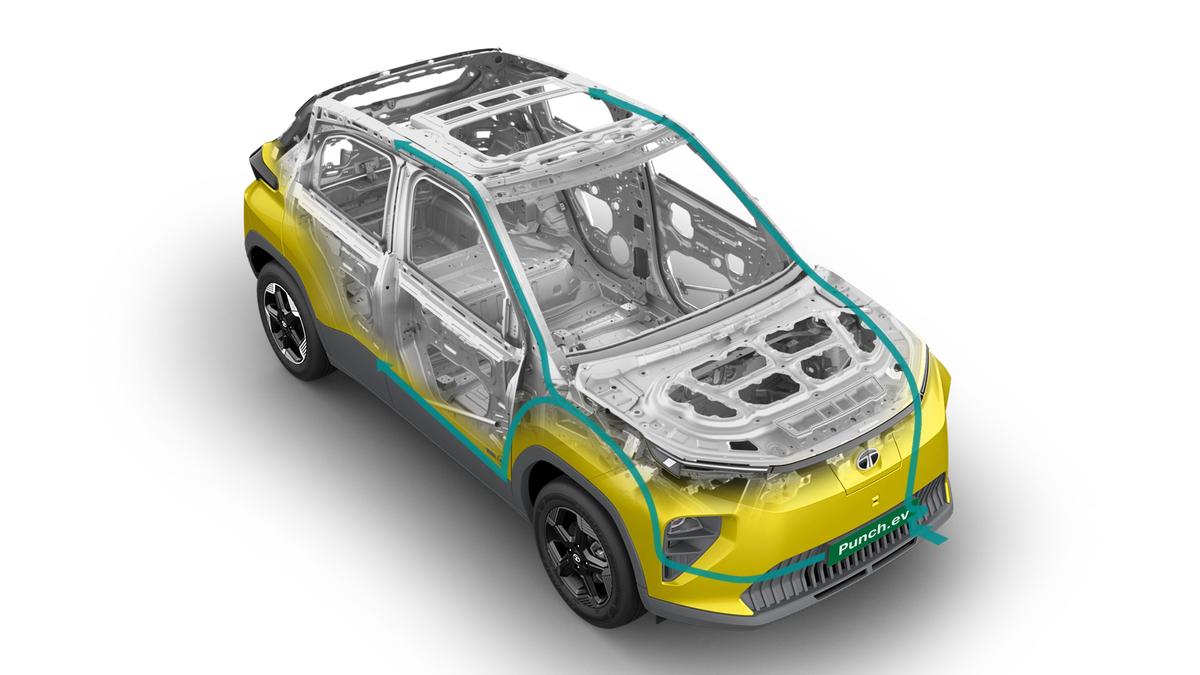
By building the Punch.ev on the acti.ev platform, Tata has reinforced its commitment to safety. The platform is designed to meet future 5-star GNCAP and BNCAP requirements. As more manufacturers enter the EV space, the Punch.ev sets a high bar: an affordable EV can no longer compromise on structural integrity.
3. Impact on Infrastructure
The popularity of the Punch.ev is likely to accelerate the rollout of private and public charging infrastructure. As thousands of these vehicles hit the road, the demand for community charging in housing societies and fast chargers on highways will reach a tipping point, making EV ownership even more convenient for the next wave of buyers.
4. Material and Build Quality Evolution
While the Punch.ev is a triumph of engineering, it also highlights areas for future growth. The use of hard plastics in certain cabin areas suggests that as the market matures, consumers will begin to demand higher material quality to match the sophisticated powertrains. Tata’s response to this—potentially in mid-cycle refreshes—will dictate how they maintain their lead against incoming global competitors.
Conclusion: A Well-Judged Leap Forward
The Tata Punch.ev does not attempt to reinvent the wheel; instead, it perfects it for the Indian context. It balances the ruggedness of an SUV with the refinement of a modern electric drivetrain. It offers enough tech to feel contemporary without becoming a distraction. Most importantly, it addresses the core concerns of the Indian buyer: price, range, and reliability.
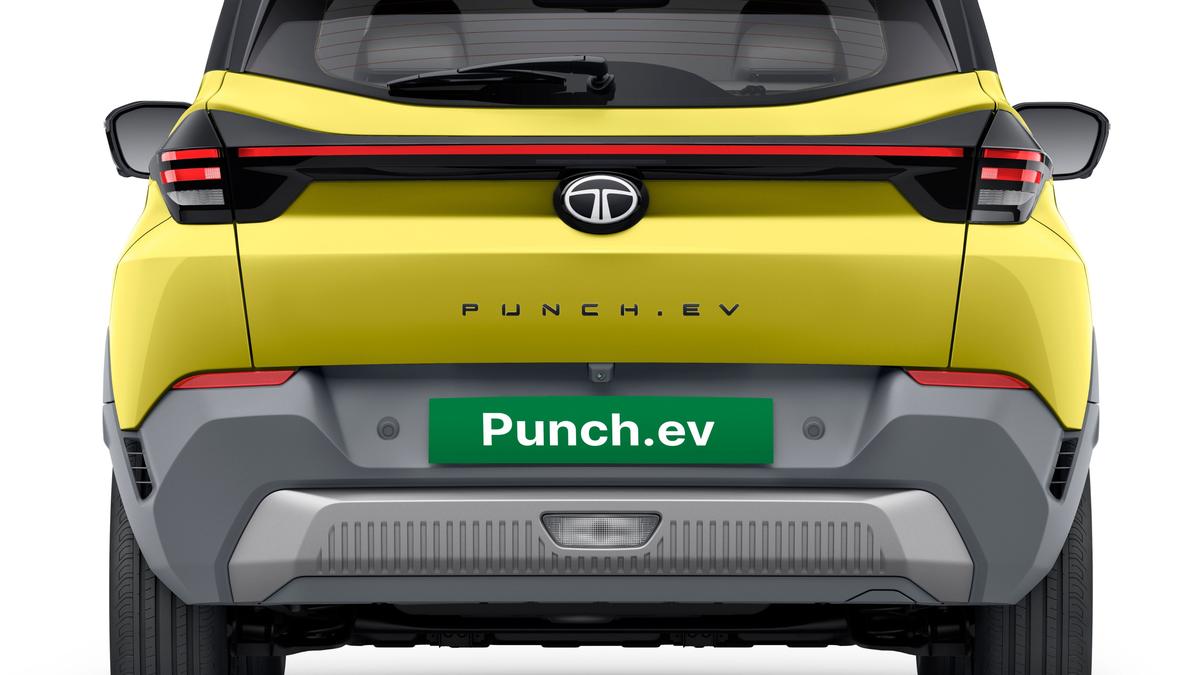
As the first of many vehicles to be born from the acti.ev architecture, the Punch.ev is more than just a car—it is a statement of intent. It proves that the future of Indian motoring is not just electric, but also intelligently designed, safely built, and accessible to the masses. For those looking to make the switch to electric, the Punch.ev offers a compelling argument that the time to transition is not in the distant future, but right now.
Price: ₹9.69 lakh to ₹12.59 lakh (ex-showroom)
Motorscribes, in association with The Hindu, brings you the latest in cars and bikes. Detailed testing and real-world evaluations ensure that consumers make informed decisions in an evolving market.
