

In the high-octane environment of a professional kitchen, where the air is thick with the scent of truffle oil, the hiss of searing Wagyu, and the relentless pressure of Michelin-star expectations, one might imagine the architects of these meals retiring to equally extravagant feasts. Yet, a pervasive and deeply rooted paradox exists within the gastronomic world: the more complex a chef’s professional output, the simpler their personal intake becomes.
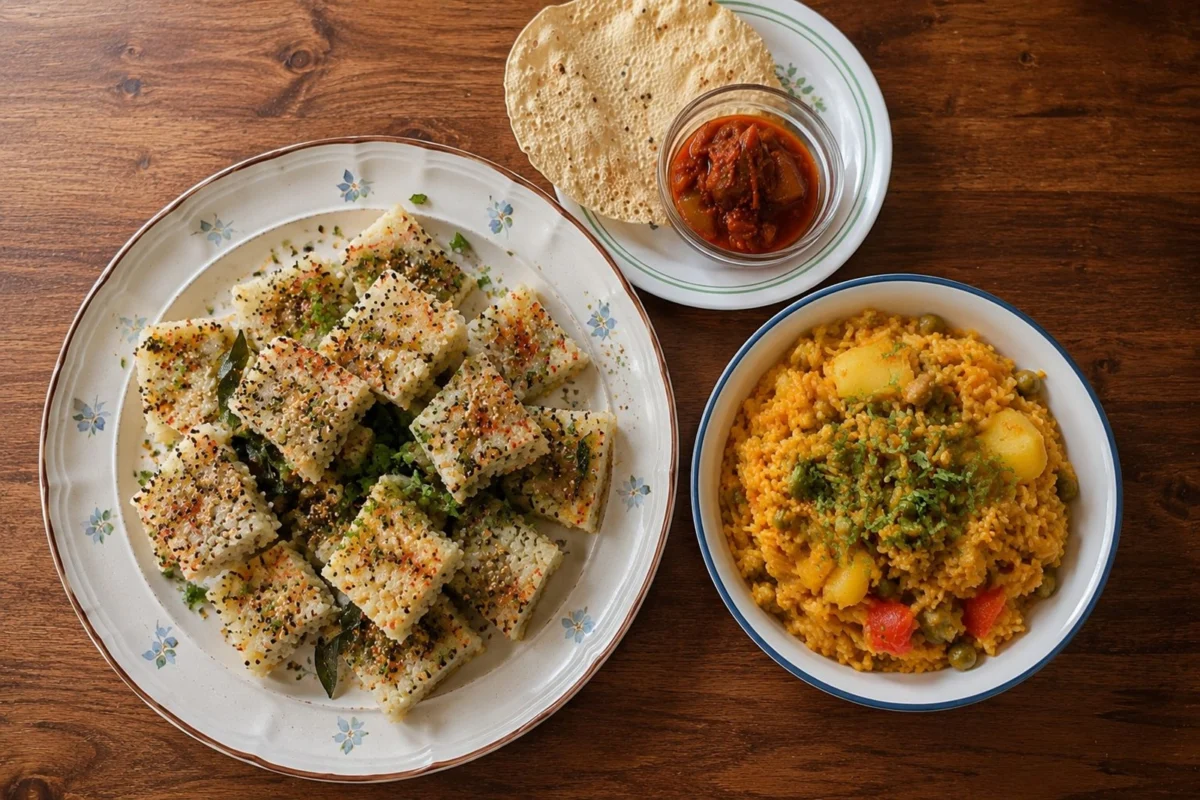
From MasterChef India judges to directors of culinary at luxury beach resorts, the consensus is startlingly uniform. After fourteen hours of manipulating textures and balancing intricate flavor profiles, the elite of the culinary world are not reaching for caviar or deconstructed desserts. Instead, they seek solace in a bowl of dal chawal (lentils and rice), a humble omelet, or a simple plate of khichdi.
This phenomenon is not merely a matter of fatigue; it is a sophisticated survival mechanism—a psychological and physiological recalibration that reveals the true nature of nourishment.
Main Facts: The Sensory Equilibrium of the Professional Kitchen
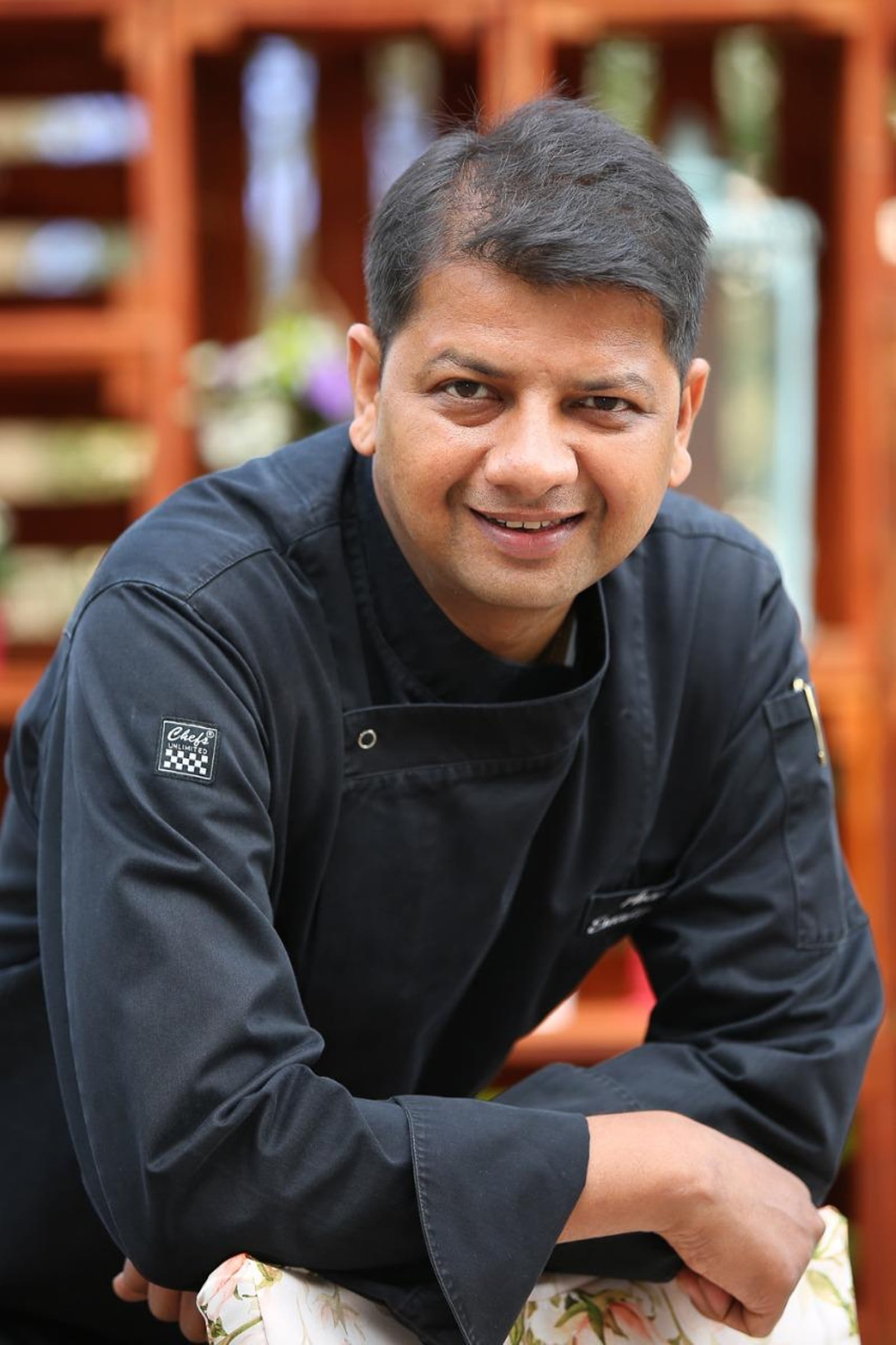
The transition from "chef" to "eater" involves a drastic shift in intent. According to industry veterans, the primary driver behind this preference for "simple" or "numb" food is sensory overstimulation. Chef Avinash Kumar, Director of Culinary at Novotel Mumbai Juhu Beach, notes that while it may seem surprising to the public, this behavior is "incredibly common—and deeply understood" within the fraternity.
The core facts surrounding this culinary trend include:
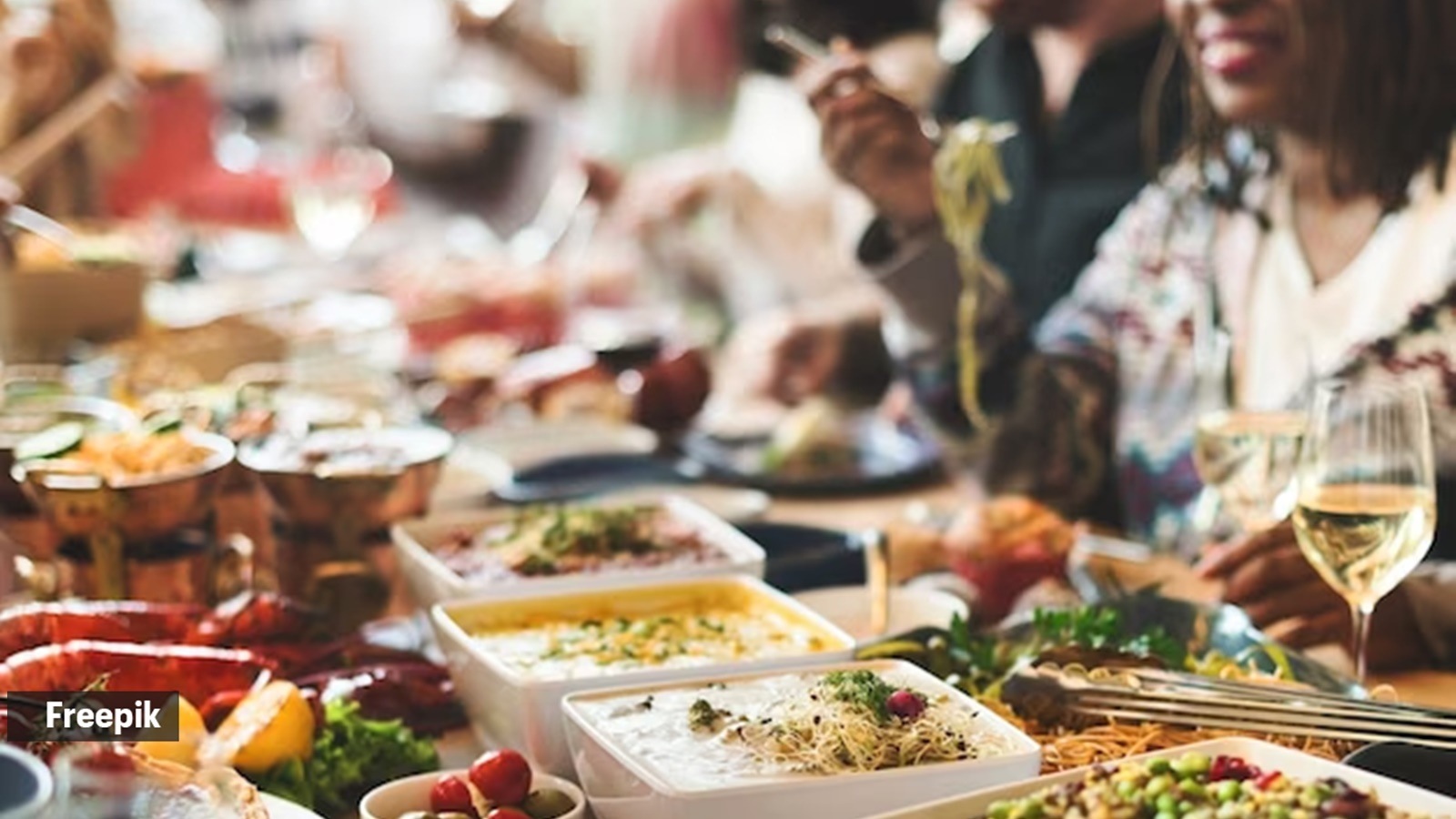
- Palate Fatigue: Chefs engage in "constant tasting" throughout the day, which exhausts the gustatory and olfactory senses.
- Decision Fatigue: After making thousands of micro-decisions regarding seasoning and plating, chefs seek "predictable" food that requires no analytical thought.
- Emotional Regulation: Simple, nostalgic foods act as a grounding mechanism for a nervous system taxed by high-stress environments.
- Nourishment vs. Entertainment: Professionally, food is performance; personally, food is fuel.
Chronology of a Shift: From Service Stress to Midnight Solace
To understand why a celebrity chef chooses eggs on toast over a twelve-course tasting menu, one must trace the chronological progression of a standard professional shift.
The Morning: The Analytical Palate
The day begins with the "clean" palate. Chefs taste raw ingredients, stocks, and base sauces. At this stage, the tongue is a tool of precision, detecting minute imbalances in acidity, salt, or bitterness. There is no room for "enjoyment" here; it is purely diagnostic.
The Afternoon: The Build-up
As prep transitions into service, the sensory input intensifies. The kitchen temperature rises, and the air becomes saturated with a cacophony of smells. Chefs are now tasting "components"—a reduction here, a foam there. By mid-afternoon, the brain has processed hundreds of distinct flavor signals.
The Service: Peak Stimulation
During the height of dinner service, the chef is in a state of hyper-arousal. They are not just tasting food; they are "feeling" the kitchen’s rhythm. The noise of the ticket machine, the heat of the range, and the visual demands of "plating perfection" create a sensory overload. As MasterChef India judge Ranveer Brar explains, by the end of this period, the senses are "already overstimulated."
Post-Service: The Descent into Simplicity
When the lights dim and the last guest departs, the "crash" occurs. This is the moment when the craving for simplicity hits. Whether it is a bowl of noodles eaten in the quiet of a midnight kitchen or a plate of dal at home, the goal is to descend from the high-octane "performance" into a state of "peace."
Supporting Data: The Psychology of "Emotional Regulation"
The preference for simple food is backed by psychological frameworks regarding stress and recovery. Delnna Rrajesh, a psychotherapist, energy healer, and life coach, suggests that the nervous system naturally seeks "familiarity" after periods of intense engagement.
"Simple food becomes emotionally regulating," Rrajesh explains. "It feels grounding, predictable, and comforting." When a chef eats a meal from their childhood, they are not just consuming calories; they are accessing "emotional safety."
Key psychological drivers identified include:
- Predictability: In a world of "experimentation" and "innovation," a basic bowl of rice offers a sensory guarantee. There are no surprises, which allows the brain to rest.
- Sensory Recovery: By choosing "the numbest of foods," as Chef Brar puts it, the palate is allowed to reset. This prevents long-term burnout of the taste buds.
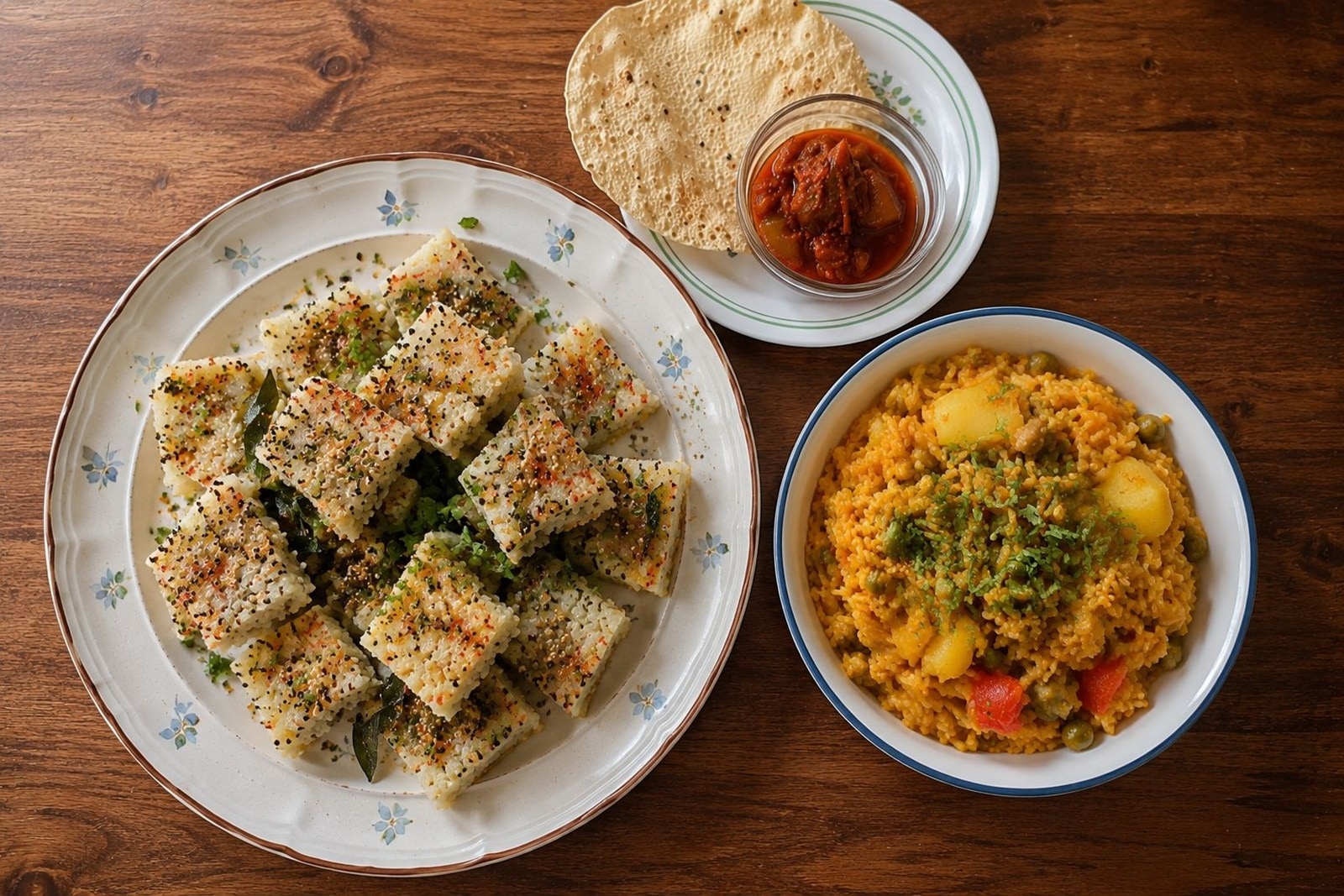
- Memory Anchoring: Foods like khichdi or dhokla are often tied to home and routine, providing a mental bridge away from the workplace.
Official Responses: Insights from the Industry’s Leading Voices
The narrative of the "simple-eating chef" is championed by some of the most prominent names in modern Indian gastronomy. Their reflections provide a candid look behind the curtain of professional cooking.
Ranveer Brar: On the "Numbness" of Food
Chef Ranveer Brar offers a blunt assessment of his post-work habits. "We eat the dumbest and the numbest of foods," he shared in a recent interaction. For Brar, the act of eating should not be a continuation of work. "I don’t want to overwhelm my senses… nourishment is the most important reason food is here. What you add on top—taste, texture, flavor—is what makes it exciting, but it’s the nourishment that matters most."
Shipra Khanna: The Search for Honesty
Celebrity chef and author Shipra Khanna, founder of White Tiger Liverpool, highlights the disconnect between public perception and reality. "People often say to me, ‘You must be eating caviar or truffle pasta every night.’ But the truth is… I crave something honest, familiar, and deeply personal." For Khanna, luxury is found in a bowl of dal and rice with desi ghee, a meal that connects her to her grandfather’s love. "Simple food tells the truth," she asserts.
Aanal Kotak: The Luxury of the Soul
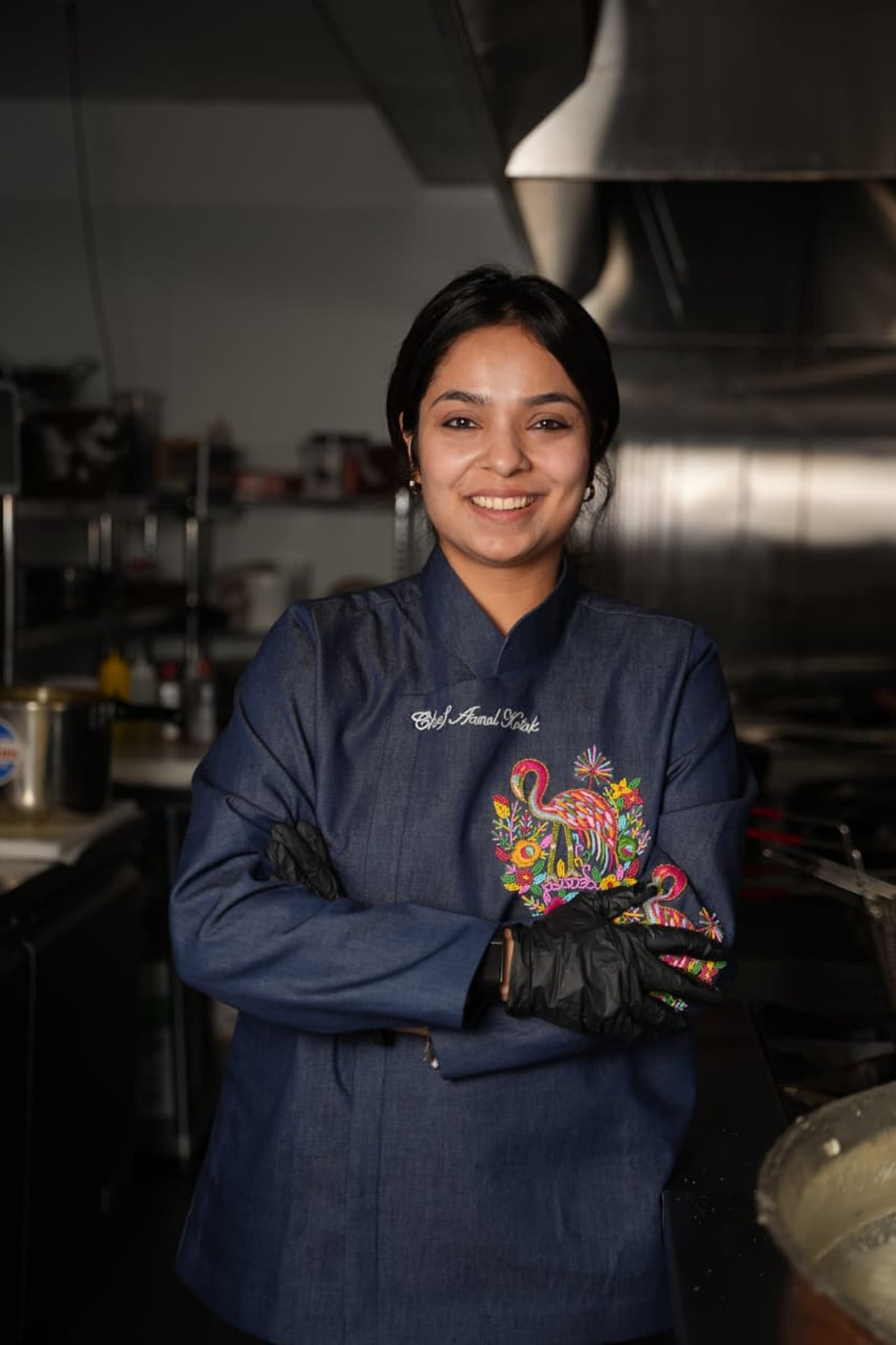
Celebrity chef Aanal Kotak views simplicity as the ultimate luxury. "Sometimes, the most basic meals are the most luxurious," she says. For Kotak, her mother’s khichdi or homemade dhokla carries a sense of home that no gourmet dish can replicate. She emphasizes that simple food feeds "not just the body, but also the soul," allowing a chef to stop "performing."
Avinash Kumar: The Practicality of Digestion
Chef Avinash Kumar brings a practical perspective to the discussion. Beyond the emotional connection, there is a physiological necessity. "Professional kitchens are physically and mentally intense… simple meals are quicker, lighter, and easier to digest, especially late at night." For Kumar, who has nearly two decades of experience, the "truth" of an ingredient is best revealed when it isn’t hidden behind complex techniques.
Implications: Redefining Luxury and the Future of Food
This shift in how chefs view their own food has broader implications for the culinary industry and the general public’s understanding of "fine dining."
The "Less is More" Philosophy
As top-tier chefs publicly embrace simplicity, it challenges the traditional definition of luxury. If the world’s best cooks find the most joy in a three-ingredient meal, it suggests that the industry may see a move toward "restrained" gastronomy—where the quality of the single ingredient outweighs the complexity of the technique.
Mental Health and Burnout
The admission that chefs need "emotionally regulating" food highlights the extreme pressure of the industry. It opens a dialogue about sensory burnout and the need for "quiet spaces" within the culinary world. The "simple meal" is, in essence, a form of self-care.
Authenticity in the Age of Social Media
In an era where food is often judged by its "Instagrammability," the chefs’ preference for "honest" food serves as a reminder of the true purpose of eating. It reinforces the idea that while presentation is for the customer, the soul of food lies in its ability to comfort and nourish.
Conclusion: The Journey Back to "Home"
The irony of the culinary profession is that the further a chef travels into the realms of exotic ingredients and avant-garde techniques, the more they begin to value the basics. As Shipra Khanna eloquently puts it, "At the end of the day, chefs are not chasing extravagance when they eat—we are chasing home. And home usually tastes simple."
The "dal chawal" or the "eggs on toast" at a chef’s table is not a sign of a lack of passion. On the contrary, it is a testament to their deep respect for the power of food. By stripping away the garnishes, the foams, and the theatricality, they return to the fundamental reason they fell in love with the kitchen in the first place: the simple, honest act of nourishment. In the world of high-pressure gastronomy, simplicity isn’t just a choice—it is the ultimate recovery.
