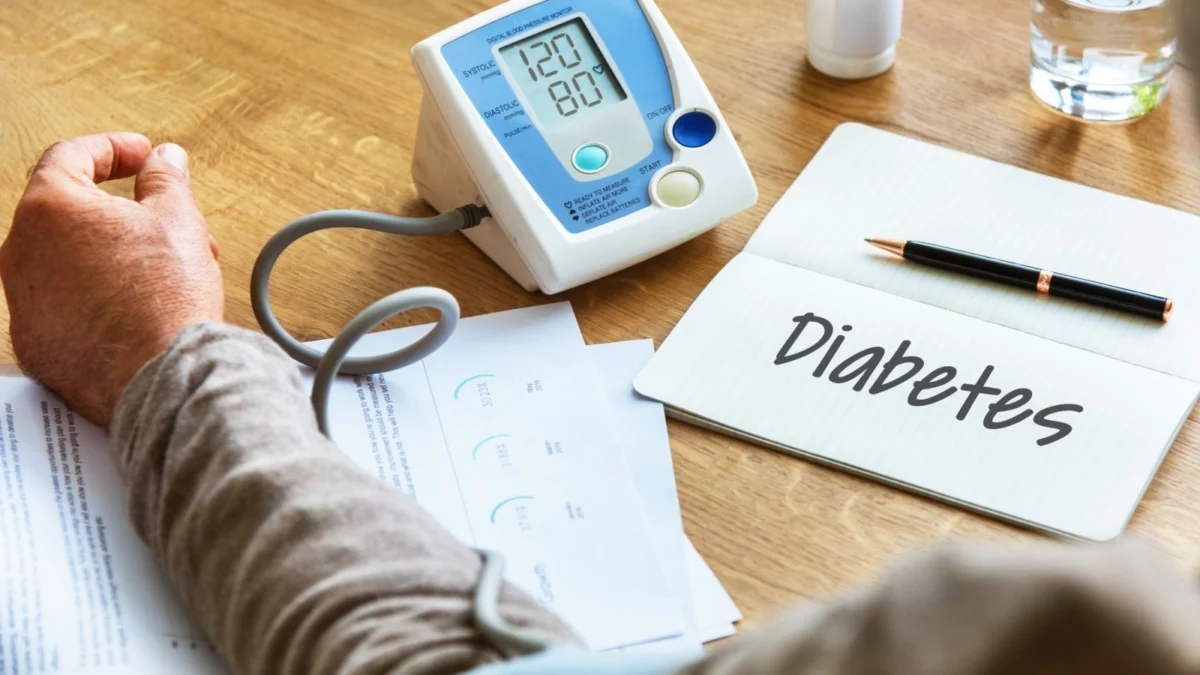
[City, Date] – In a world grappling with the escalating prevalence of diabetes, a recent declaration by diabetes specialist Dr. Akshat Chadha has ignited a surge of hope and discussion. Dr. Chadha, through a widely shared social media post, proposed a compelling assertion: it is indeed possible to significantly lower HbA1c levels, insulin resistance, and overall blood sugar readings within a mere 90-day period. His message, however, comes with a crucial caveat: this transformation hinges on the sustainable adoption of improved daily habits and a commitment to a healthier lifestyle.
"Yes, you can lower your HbA1c, insulin, and blood sugars, and that too in 90 days," Dr. Chadha stated emphatically. "But it requires improving your daily habits and shifting to a good lifestyle sustainably." This bold claim, emphasizing the power of consistent lifestyle modifications, resonated deeply with countless individuals navigating the challenges of diabetes and insulin resistance. The question on many minds, however, is the scientific validity underpinning such a focused and relatively short-term goal.
To address this, we consulted with Dr. Rakesh Pandit, a Senior Consultant and Head of the Department of Internal Medicine at Aakash Healthcare. Dr. Pandit, a seasoned expert in the field, confirmed that many of the lifestyle interventions championed by Dr. Chadha are, in fact, strongly supported by robust medical evidence.
The Pillars of 90-Day Blood Sugar Improvement: Scientific Validation
Dr. Pandit elaborated on the scientifically-backed strategies that can contribute to tangible improvements in blood sugar control. "Weight loss, a regular exercise routine, sleep quality improvement, stress reduction, and healthy eating are all backed by strong scientific research to improve control of Type 2 diabetes," he affirmed. This broad spectrum of interventions highlights that managing diabetes is not a singular battle, but a multifaceted approach.
The emphasis on post-meal walks and limiting processed foods also received Dr. Pandit’s endorsement. "Walking after eating and limiting processed foods are also supported by research," he stated. This suggests that even seemingly small, consistent actions can have a significant impact on metabolic health.
Unpacking the Science: Gut Health and Vitamin Deficiencies
While the core lifestyle recommendations are well-established, the article also delves into emerging areas of research and common concerns, such as the role of gut health and vitamin deficiencies.
Dr. Pandit acknowledged the growing interest in the gut microbiome’s influence on metabolic health. "There is new research being done around gut health that appears to have promise, but the research in this field is still developing," he explained. This indicates that while the connection is being actively explored, definitive recommendations for gut-focused interventions in diabetes management are still being solidified.
Regarding vitamin deficiencies, Dr. Pandit clarified their potential role. "There is also a possibility that vitamin deficiencies like low levels of Vitamin D or B12 could be a factor in the development of diabetes; however, they are not regarded as a primary cause of diabetes," he noted. This suggests that while optimizing vitamin levels is important for overall metabolic well-being and may indirectly support blood sugar control, they are not a standalone solution for managing or reversing diabetes. The focus, therefore, remains on foundational lifestyle changes.
The 90-Day Horizon: Can HbA1c Truly See Significant Improvement?
The timeframe of 90 days, while ambitious, is considered medically realistic by experts like Dr. Pandit, particularly for certain patient populations. "It is medically proven to improve HbA1c levels, insulin sensitivity, and blood sugar levels in a 90-day time frame in newly diagnosed and/or overweight individuals who make changes to their lifestyles," he explained.
This timeframe is intrinsically linked to how HbA1c is measured. HbA1c, a key indicator of long-term blood glucose control, reflects the average blood sugar levels over approximately the preceding three months. Therefore, consistent positive lifestyle changes initiated within this period can indeed translate into a noticeable reduction in the HbA1c reading. "Because HbA1c measures the average blood sugar levels in a three-month time frame, it is possible to see a significant improvement in a person’s average blood sugar levels during this time," Dr. Pandit elaborated.
However, Dr. Pandit also issued a crucial caution. For individuals who have lived with diabetes for an extended duration or those with advanced pancreatic damage, lifestyle modifications alone may not be sufficient. "Someone who has been living with diabetes for an extended period of time and/or has severe damage to their pancreas may need to continue taking medication even with lifestyle changes," he emphasized. This underscores the importance of personalized medical guidance and acknowledges that while lifestyle changes are powerful, they are not always a substitute for necessary medical interventions in all cases.
The Power of the Post-Meal Walk: A Simple Yet Effective Strategy
Among the recommended lifestyle changes, the post-meal walk stands out for its accessibility and proven efficacy. Dr. Pandit highlighted its direct impact on blood sugar regulation. "Walking after a meal is one of the most efficient ways to control blood sugar levels because glucose is used by muscles during movement," he explained.
The timing and nature of these walks are also critical. Research suggests that walking within 10 to 30 minutes after eating offers the most significant glucose-lowering benefits. "Even a brisk 10 to 15 minute walk after eating can greatly reduce blood glucose spikes," Dr. Pandit advised. The key is not moderate intensity that leads to exhaustion, but rather a consistent, steady amount of movement. "Moderate intensity is not the goal; rather, it is a steady amount of movement without exhausting the body," he clarified. This makes the post-meal walk a practical and sustainable strategy for many.
Exercise Versus Metformin: A Complex Comparison
The online discourse often pits the benefits of exercise against diabetes medications like Metformin, leading to debates about their comparative effectiveness. Dr. Pandit acknowledged the significant impact of lifestyle interventions but cautioned against oversimplification.
"Lifestyle interventions like regular exercise and weight loss are often as effective as medications and in some cases even outperform them," he stated. This assertion is grounded in the physiological mechanisms at play. Physical activity enhances insulin sensitivity, a process that mirrors the action of Metformin, which aims to reduce insulin resistance. "However, a direct comparison can oversimplify diabetes care, as many patients clearly require medications along with lifestyle modification for optimal long-term control," Dr. Pandit emphasized.
This nuanced perspective is vital. While exercise and other lifestyle changes can indeed be incredibly powerful, they are often most effective when integrated into a comprehensive treatment plan that may also include medication. The goal is not to replace one with the other, but to leverage the synergistic benefits of both for the best possible patient outcomes.
The Broader Implications: A Paradigm Shift in Diabetes Management
The message from Dr. Chadha and the expert validation from Dr. Pandit signal a potential paradigm shift in how we approach diabetes management. The emphasis on a 90-day transformation through lifestyle changes empowers individuals by highlighting their agency in managing their health. It moves beyond a passive acceptance of chronic illness and promotes an active, sustainable engagement with healthy living.
The scientific backing for these lifestyle interventions provides a strong foundation for public health initiatives and individual action plans. It suggests that with the right guidance, consistent effort, and a focus on sustainable habits, significant improvements in blood sugar control are not only possible but achievable within a defined timeframe.
However, the article also serves as a crucial reminder that diabetes is a complex condition. The need for personalized medical advice and the acknowledgment that some individuals may require ongoing medication alongside lifestyle changes are essential components of responsible health reporting.
Ultimately, the conversation ignited by Dr. Chadha and further elucidated by Dr. Pandit offers a powerful message of hope and a practical roadmap for individuals seeking to take control of their diabetes. By embracing scientifically-backed lifestyle modifications, a tangible improvement in blood sugar levels within 90 days, and sustained long-term health, is within reach.
Disclaimer: This article is based on information from the public domain and/or the experts we spoke to. Always consult your health practitioner before starting any routine.