

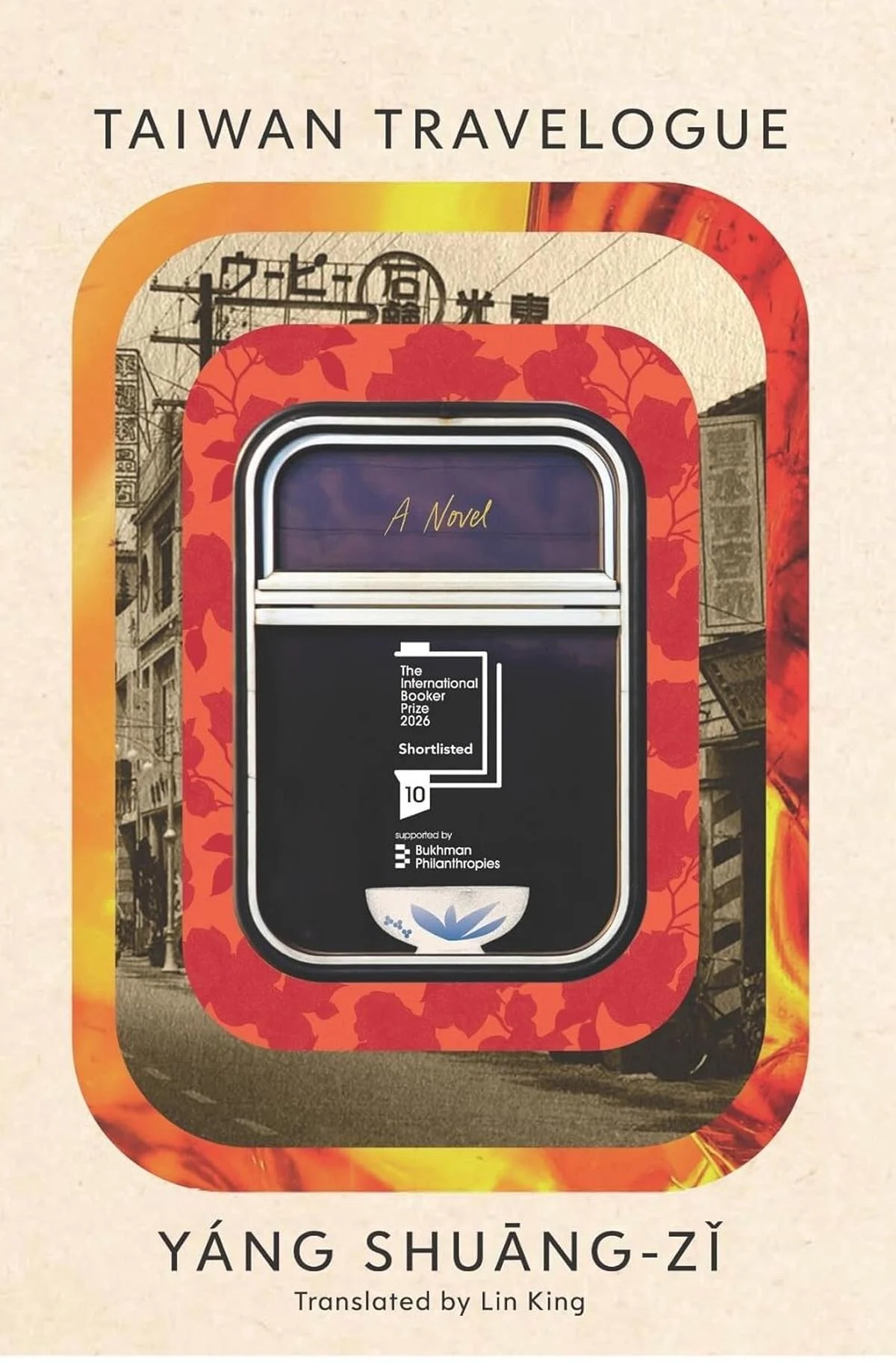
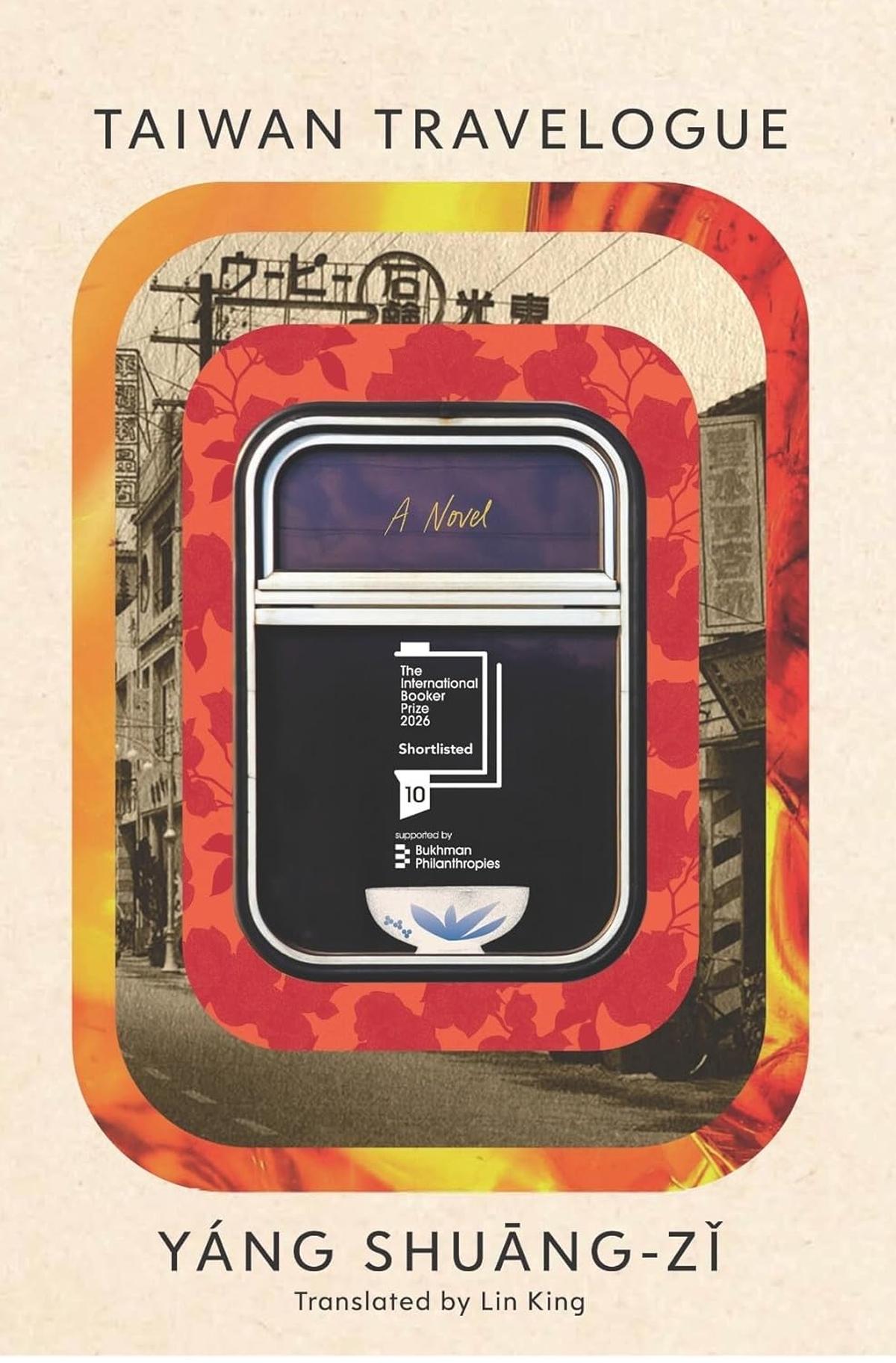
LONDON — In a historic evening that celebrated the intersection of culinary history, colonial critique, and the nuances of translation, the International Booker Prize 2026 was awarded to Taiwanese author Yang Shuang-zi for her novel Taiwan Travelogue. At a glittering ceremony held at London’s Tate Modern on Tuesday, May 19, the literary world witnessed a milestone: the first time a work translated from Mandarin Chinese has secured the prestigious award.
The prize, which recognizes the finest fiction from around the globe translated into English and published in the UK or Ireland, carries a £50,000 purse. In accordance with the prize’s mission to elevate the status of translators, the winnings will be split equally between Yang Shuang-zi and her translator, Lin King.
The victory also marks a remarkable "double" for the independent publishing house And Other Stories, which has now claimed the prize for two consecutive years. This follow-up to the 2025 success of Heart Lamp by Banu Mushtaq (translated by Deepa Bhasthi) cements the publisher’s reputation as a powerhouse in the discovery of global literary voices.
The Narrative Architecture: A Book Within a Book
Taiwan Travelogue is not a conventional novel. It is a sophisticated, multi-layered "meta-fictional" project that challenges the reader’s perception of historical truth. Set primarily in 1938, the story follows Aoyama Chizuko, a Japanese novelist from Nagasaki, who embarks on a government-sponsored tour of Taiwan—then a colony of the Empire of Japan.
Disillusioned by the rigid imperialist agenda and the sterile official ceremonies of her tour, Chizuko finds herself drawn to the island’s vibrant, sensory-rich landscapes. Her journey becomes a quest for authentic Taiwanese flavors, a pursuit facilitated by her local interpreter and assistant, Chizuru.
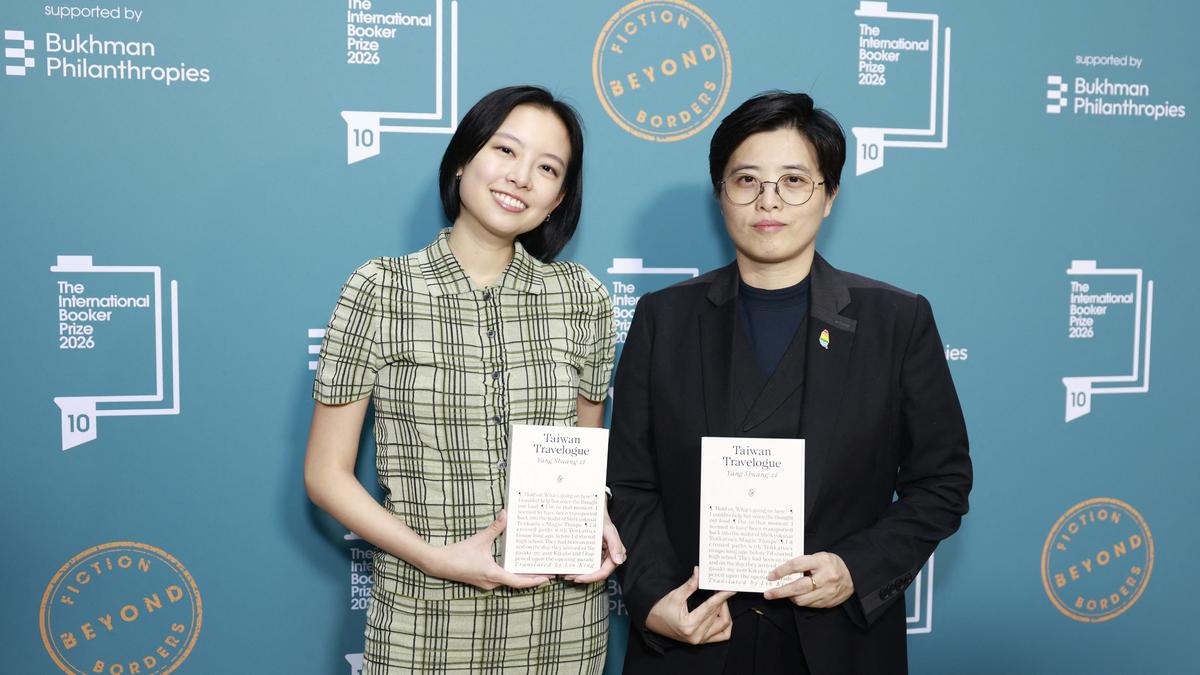
The relationship between the two women forms the emotional core of the book. Chizuko is captivated by Chizuru’s culinary expertise and her reserved, enigmatic charm. As they travel across the island, Chizuko’s affection for Chizuru grows into a romantic yearning that complicates the power dynamics between them. Chizuru, however, maintains a calculated distance—a silence that serves as a poignant reminder of the social and political chasm between the colonizer and the colonized.
The novel’s structure is notably experimental. It is presented as a "found" manuscript, complete with a scholarly foreword, fictional afterwords, and intricate footnotes. Interspersed throughout are real translator’s notes from Lin King, creating a dizzying blend of fact and fiction that interrogates how history is recorded, translated, and ultimately remembered.
Chronology of a Literary Sensation
The journey of Taiwan Travelogue to the pinnacle of international literature began years prior to its 2026 win. Yang Shuang-zi, a writer renowned in Taiwan for her "yuri" (lesbian-themed) historical fiction, originally published the work to critical acclaim in the Sinophone world.
The path to the International Booker Prize followed a meticulous timeline:
- Late 2024: And Other Stories acquired the English-language rights, commissioning Lin King for the translation.
- Early 2025: The English edition was released, immediately drawing praise for its evocative descriptions of food and its subtle handling of queer themes within a colonial context.
- March 2026: The novel was named to the International Booker Prize Longlist, standing out among submissions from over 30 countries.
- April 2026: The "Shortlist of Six" was announced, with Taiwan Travelogue emerging as a frontrunner due to its unique structural complexity.
- May 19, 2026: The final announcement at Tate Modern, where chair of judges Natasha Brown declared it the winner.
Supporting Data: The Rise of Sinophone Literature and Independent Publishing
The 2026 win is supported by several significant trends in the global book market. For decades, Mandarin Chinese literature struggled to gain the same traction in the West as Japanese or Korean works. This win represents a seismic shift.

Data from the Booker Prize Foundation indicates that translations from East Asian languages have seen a 25% increase in submissions over the last five years. However, Mandarin had remained the "final frontier" for the top prize until Yang’s victory.
Furthermore, the success of And Other Stories highlights the shifting influence of independent presses. While "The Big Five" publishers often dominate the bestseller lists, the International Booker Prize has increasingly become the domain of "indies." By winning back-to-back prizes (2025 and 2026), And Other Stories has demonstrated that specialized editorial focus on translated fiction can outperform the marketing budgets of larger conglomerates.
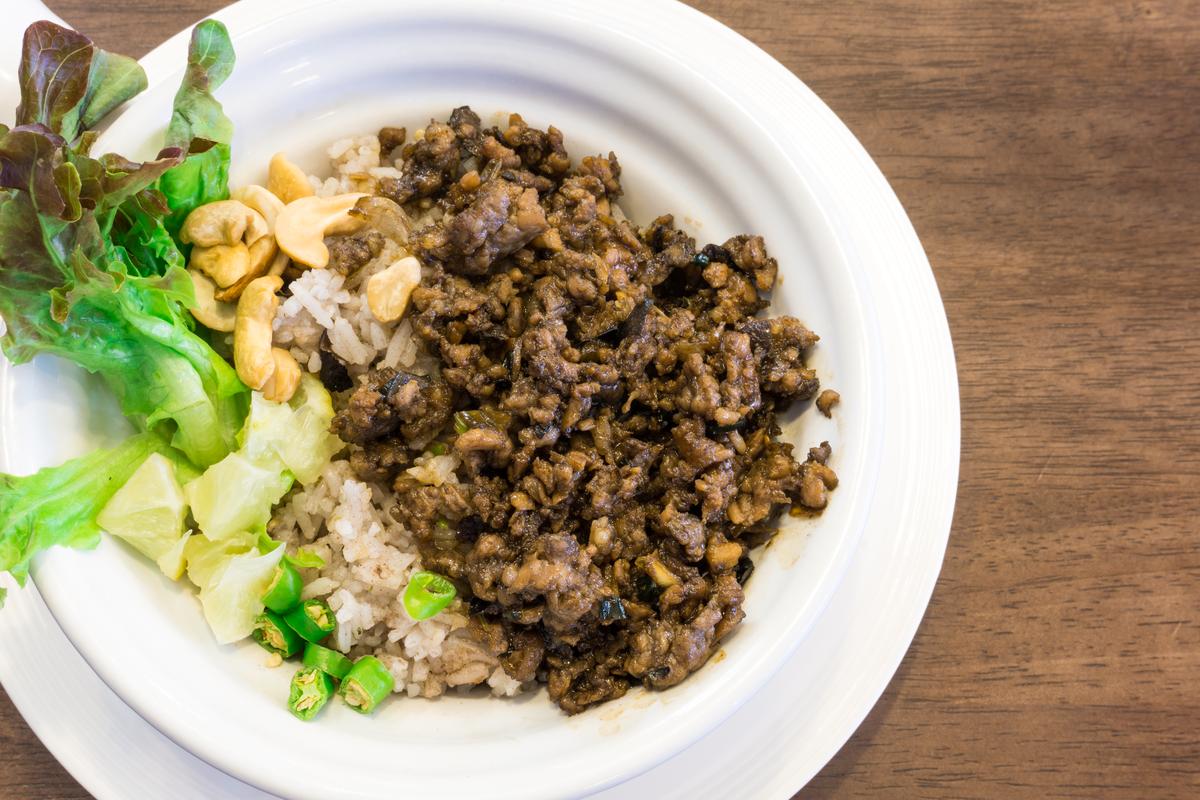
The novel’s specific focus on "Gastro-diplomacy"—using food as a lens for cultural understanding—also aligns with a growing global interest in culinary literature. Each chapter of Taiwan Travelogue is named after a dish, such as bah-so (braised minced pork) and mitsumame (fruit and jelly ice), which serves as a structural device to ground the abstract themes of colonialism in the visceral reality of taste.
Official Responses: "A Slyly Sophisticated Novel"
Natasha Brown, the celebrated novelist and chair of the 2026 judging panel, offered a glowing tribute to the work during the ceremony.
"In a year of exceptional submissions, Taiwan Travelogue stood out for its incredible double feat," Brown stated. "It succeeds simultaneously as a tender, yearning romance and an incisive, uncompromising postcolonial novel. As judges, we were captivated by the many layers Yang Shuang-zi has woven together. It is a work that demands to be read, re-read, and discussed."

The jury, which included prominent translators and critics, noted that Lin King’s translation was instrumental to the book’s success. They praised King for her ability to navigate the "linguistic minefield" of the text, which includes Japanese, Mandarin, and Taiwanese Hokkien, all while maintaining the delicate emotional register of the protagonist’s voice.
Upon receiving the award, Yang Shuang-zi spoke through an interpreter, expressing her gratitude for the visibility the prize brings to Taiwanese history. "I wanted to write about the Taiwan that existed before the modern era—a place of complex identities and hidden desires. To have this story recognized in London is a dream I never dared to have," she said.
Lin King added: "Translating this book was an act of historical recovery. It was about finding the English words for flavors and feelings that were often suppressed by the colonial archives."
Historical Context: Taiwan Under the Chrysanthemum Throne
To fully appreciate the weight of Taiwan Travelogue, one must understand the era it depicts. From 1895 to 1945, Taiwan was a colony of the Empire of Japan. This period was marked by the "Kōminka" movement, an attempt to "Japanize" the Taiwanese population through language, religion, and social customs.
The protagonist, Aoyama Chizuko, represents the "enlightened" colonizer—someone who appreciates the local culture but remains insulated by her privilege. Chizuru, conversely, represents the "subaltern" who must perform the role of the perfect assistant while harboring her own agency and secrets.
The novel uses food as a metaphor for this power struggle. While Chizuko sees Taiwanese cuisine as an exotic adventure, for Chizuru, it is a link to a heritage that the colonial administration sought to overwrite. The "experimental" footnotes in the book often point out where Chizuko’s Japanese perspective fails to grasp the true significance of what she is eating or seeing, creating a brilliant tension between the narrator and the "editor" of the text.
Implications for the Literary Landscape
The victory of Taiwan Travelogue has profound implications for the future of translated fiction.
Firstly, it places Taiwanese literature firmly on the map as a distinct entity from mainland Chinese literature. By highlighting Taiwan’s specific colonial history and its unique linguistic blend, the novel asserts a cultural identity that is often overshadowed by geopolitical tensions.
Secondly, the win validates the "meta-fictional" approach to historical novels. Readers are increasingly seeking stories that don’t just "tell" history but interrogate how history is "made." Yang Shuang-zi’s use of fictional scholarly apparatus provides a blueprint for how authors can tackle heavy political themes with a "sly" and playful sophistication.
Finally, the prize reinforces the importance of the translator as a creative partner. Lin King’s equal share of the prize and the spotlight at Tate Modern serves as a reminder that without the painstaking work of translators, the English-speaking world would remain deaf to some of the most vital stories of our time.
As Taiwan Travelogue prepares for a surge in global sales, it stands as a testament to the power of literature to bridge the gap between the past and the present, the empire and the colony, and the heart and the plate.
