


In the high-octane world of Indian cinema, where image is everything and narratives are often meticulously crafted by screenwriters and directors, a growing number of Bollywood A-listers are reclaiming their own stories. No longer content with merely being the faces of cinematic fiction, these actors are increasingly turning to the written word to share their personal struggles, parenting philosophies, health journeys, and industry secrets.
The recent surge in celebrity-authored books marks a significant shift in the Indian publishing landscape. From Neena Gupta’s unapologetic autobiography to Twinkle Khanna’s satirical takes on domesticity, Bollywood is proving that its stars have more to offer than just performance; they have voices that resonate deeply with a reading public hungry for authenticity.
Main Facts: The Actors Leading the Literary Charge
The transition from actor to author is not a monolith; the genres chosen by these stars are as diverse as their filmographies. While some opt for the vulnerability of the memoir, others focus on instructional guides or fictional storytelling.
The Autobiographers: Unmasking the Persona
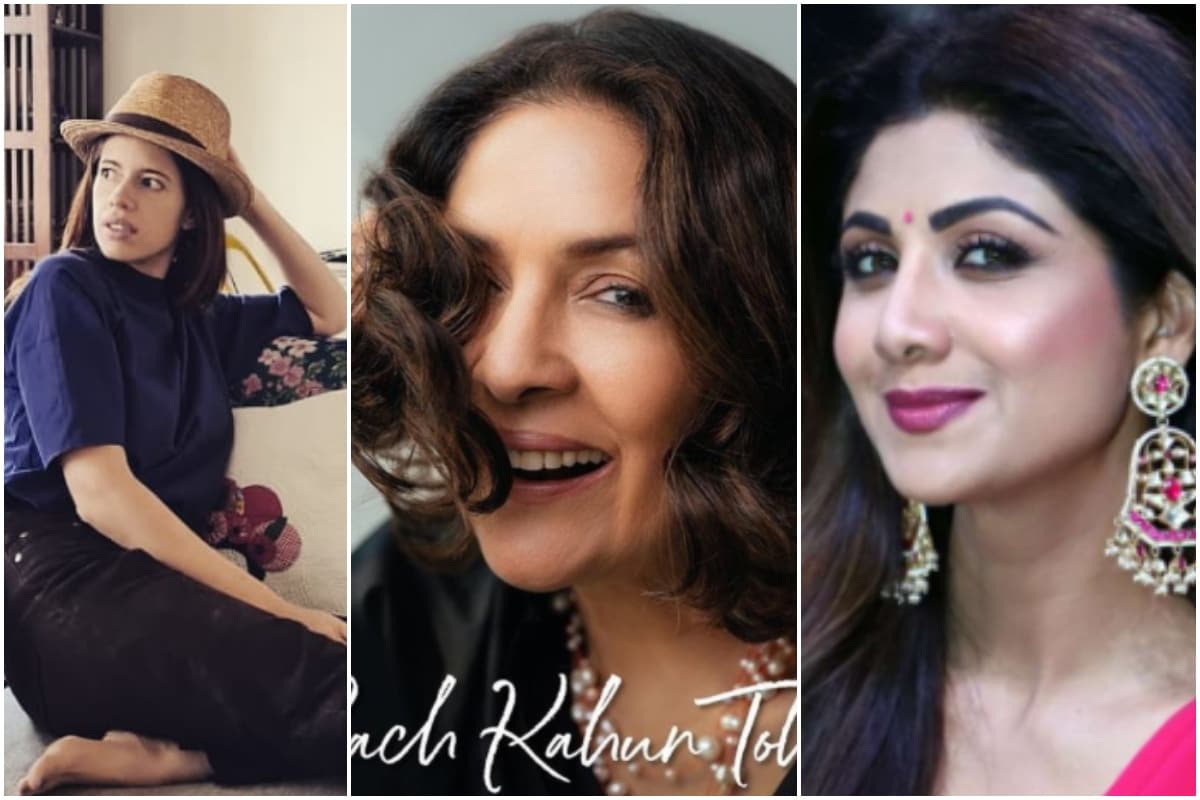
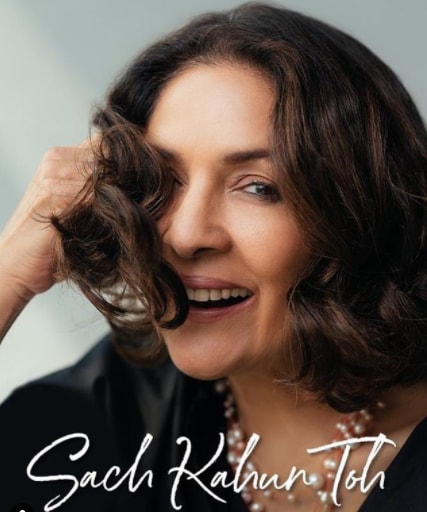
The most prominent trend among Bollywood actors is the memoir. Neena Gupta, a veteran of the industry, recently released Sach Kahun Toh, a book lauded for its brutal honesty regarding her personal life, her career’s second wind, and the challenges of raising a child as a single mother in a conservative society. Similarly, the late Rishi Kapoor set a high bar with Khullam Khulla, a title that perfectly encapsulated his candid, no-holds-barred approach to discussing his family, his rivalries, and his struggles with alcoholism.
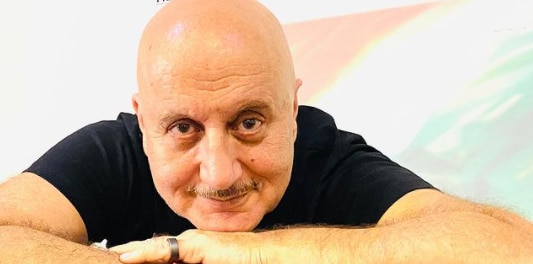
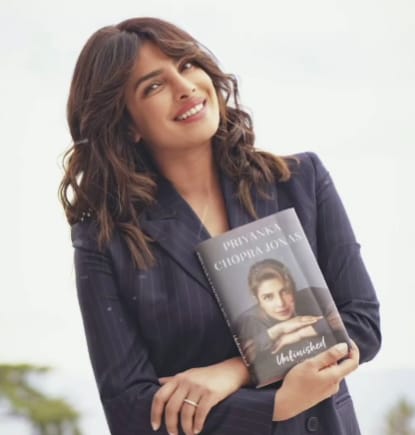
Anupam Kher has established himself as a prolific writer, with his most recent work, Lessons Life Taught Me, Unknowingly, serving as an inspirational guide rooted in his own failures and triumphs. Priyanka Chopra Jonas, a global icon, joined this league with Unfinished, a memoir that chronicles her journey from a small-town girl in India to a Miss World winner and a Hollywood powerhouse.
The Lifestyle and Wellness Mentors
Beyond personal history, stars like Shilpa Shetty and Sonali Bendre Behl have leveraged their public images to author books on wellness and parenting. Shetty’s The Great Indian Diet (2015) focused on debunking myths about Indian food and promoting indigenous nutrition. Bendre’s The Modern Gurukul: My Experiments with Parenting offered a relatable look at raising children in a digital age, blending traditional values with modern sensibilities.
The Satirists and Specialists
Twinkle Khanna stands out as perhaps the most successful transition from screen to page. Under her pseudonym "Mrs Funnybones," she has authored multiple bestsellers, including The Legend of Lakshmi Prasad and Pyjamas are Forgiving, establishing herself as a serious literary force with a sharp, satirical edge.
Meanwhile, Ayushmann Khurrana used his book Cracking the Code to provide a pragmatic roadmap for aspiring actors, and Emraan Hashmi co-authored The Kiss of Life, a deeply personal account of his son’s battle with cancer, which served more as a source of hope and medical guidance than a traditional celebrity tell-all.
Chronology: A Decade of Literary Evolution (2015–2021)
The trend of actors as authors has gained significant momentum over the last six years, evolving from niche vanity projects into a mainstream publishing phenomenon.
- 2015: The Breakthrough Year. This year saw a dual push into the market. Ayushmann Khurrana released Cracking the Code, targeting the "outsider" demographic in Bollywood, while Shilpa Shetty launched The Great Indian Diet, tapping into the growing health consciousness of the Indian middle class.
- 2016–2017: The Rise of the Columnists. During this period, Twinkle Khanna’s columns transitioned into books, with Mrs Funnybones and The Legend of Lakshmi Prasad becoming commercial hits. Rishi Kapoor’s Khullam Khulla (2017) redefined what it meant for a Bollywood star to be "candid."
- 2018–2019: Philosophical Reflections. Anupam Kher and Sonali Bendre Behl released works that focused on the internal self—Kher on resilience and Bendre on the trials of modern parenting.
- 2020–2021: The Global and the Raw. Despite the pandemic, the literary output increased. Priyanka Chopra Jonas’s Unfinished saw a massive global release in early 2021. This was followed by Neena Gupta’s Sach Kahun Toh in mid-2021. Furthermore, Kalki Koechlin announced her foray into writing with Elephant in The Womb, a graphic narrative focused on the raw, often unglamorous reality of pregnancy and motherhood.
Supporting Data: The Commercial and Cultural Impact
The success of these books is backed by impressive sales figures and social media engagement metrics. According to industry reports from major publishers like Penguin Random House India and HarperCollins India, celebrity memoirs often top the non-fiction bestseller lists within weeks of release.

- Market Reach: Priyanka Chopra Jonas’s Unfinished became a New York Times Bestseller, a rare feat for an Indian actor, proving that the appetite for Bollywood narratives extends far beyond the Indian subcontinent.
- Digital Synergy: The promotional cycles for these books now bypass traditional media, relying instead on the actors’ massive social media followings. For instance, Neena Gupta used Instagram videos to "tease" chapters of her book, leading to high pre-order volumes.
- Genre Diversification: While memoirs remain the most popular, the "Wellness and Lifestyle" category featuring actors has seen a 20% year-on-year growth in the Indian market, as readers look for relatable health advice from icons they admire.
Official Responses: In the Authors’ Own Words
The actors themselves have been vocal about why they chose the pen over the camera for these specific stories. Their responses suggest a desire for control over their own narratives.
Neena Gupta, during the launch of Sach Kahun Toh, stated: "I wanted to tell my story because I felt that people only knew parts of it. Writing allowed me to connect the dots of my life without the filter of a script or a director’s vision. It was cathartic."
Priyanka Chopra Jonas echoed similar sentiments regarding Unfinished: "The funny thing about writing a memoir is that it forces you to look at things differently. I thought I was writing a book about my achievements, but I ended up writing about my vulnerabilities and the times I felt like I wouldn’t make it."
Twinkle Khanna, who has successfully pivoted to being a full-time author and producer, has often remarked on the freedom of the medium: "In films, you are a part of someone else’s imagination. In writing, the world is entirely yours. You don’t need a hundred people on a set to tell a story; you just need a desk and a thought."
Implications: What This Means for Bollywood and the Public
The emergence of the "Actor-Author" has several long-term implications for the entertainment and publishing industries.
1. Humanizing the Icon
For decades, Bollywood stars were seen as untouchable deities. The shift toward writing—especially writing about failure, illness, and parenting struggles—humanizes these figures. When Emraan Hashmi writes about his son’s cancer or Sonali Bendre writes about the difficulties of parenting, it bridges the gap between the screen and the audience, creating a more profound, empathy-based connection.

2. Branding and Longevity
In an industry that is notoriously ageist, particularly toward women, writing offers a way to extend a career and maintain relevance. Authorship establishes an actor as a "thought leader" or an intellectual, allowing them to remain in the public eye even when they are between film projects.
3. The "Celebrity Boost" for Publishing
While some critics argue that celebrity books take shelf space away from "serious" literary authors, publishers argue that these books bring new readers into bookstores. A fan who buys a book by Ayushmann Khurrana may linger long enough to discover other authors, thereby boosting the overall health of the publishing ecosystem.
4. Authenticity vs. PR
As this trend continues, the challenge will be maintaining authenticity. The public is increasingly adept at spotting "sanitized" memoirs written by ghostwriters to polish a star’s image. The books that have succeeded most—like those of Gupta and Kapoor—are those that didn’t shy away from the "unpretty" truths. Future actor-authors will likely find that honesty is the only currency that holds value in the literary world.
In conclusion, the rise of the Bollywood author is more than a passing fad. It is a sign of a maturing industry where performers are seeking to engage with their audience on a deeper, more intellectual level. As more actors take up the pen, the line between "star power" and "literary merit" continues to blur, enriching the cultural fabric of modern India.
