

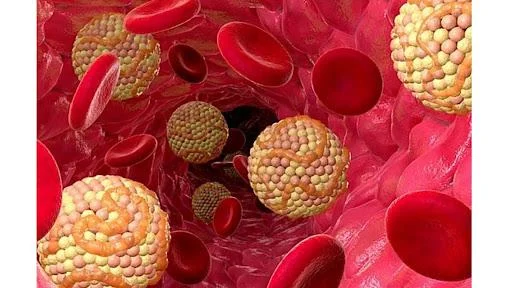
In the global battle against metabolic syndromes, the human liver serves as both the primary protagonist and, occasionally, the central antagonist. Acting as the body’s "fat traffic controller," the liver manages the complex logistics of energy storage and distribution. However, when a modern high-fat diet overburdens this system, the result is a surge in blood lipids that paves the way for obesity, Type 2 diabetes, and cardiovascular disease.
For decades, the pharmaceutical industry has focused on chemical and genetic interventions—targeting enzymes like HMG-CoA reductase (the target of statins) or cell receptors to manage cholesterol. Now, a multi-institutional team of researchers in India has unveiled a radical new approach. By shifting the focus from biochemistry to cellular mechanics, they have discovered a way to physically "jam" the transport of fats within liver cells.
This breakthrough, led by the Indian Institute of Technology (IIT) Bombay in collaboration with the Indian Institute of Science Education and Research (IISER) Pune and IISER Kolkata, offers a potential solution to high cholesterol and triglycerides without the common side effect of lipid accumulation in the liver.
Main Facts: Targeting the "Motor" Instead of the "Fuel"
The core of this discovery lies in the microscopic world of intracellular transport. Within liver cells (hepatocytes), fats such as triglycerides and cholesterol are stored in temporary reservoirs called lipid droplets (LDs). To provide energy to the rest of the body, the liver packages these fats into very low-density lipoproteins (VLDL) and exports them into the bloodstream.
The research team, led by Professor Roop Mallik of IIT Bombay’s Department of Biosciences and Bioengineering, identified that this export process relies on a specific "motor protein" called kinesin-1. Kinesin-1 acts like a molecular ferry, carrying lipid droplets along the cell’s internal highway system (microtubules) to the periphery, where they are assembled into VLDL particles.
The researchers developed a short chain of amino acids, or a peptide, named KTDP. This peptide is designed to selectively disrupt the bond between kinesin-1 and the lipid droplet. By preventing the motor protein from "grabbing" the fat reservoir, the researchers successfully halved the amount of fat released into the blood.
Crucially, this method addresses a major hurdle in metabolic drug development: the risk of Non-Alcoholic Fatty Liver Disease (NAFLD). Usually, when fat export is blocked, the lipids back up and damage the liver. However, the KTDP peptide triggers a secondary mechanism where the trapped fat is rerouted to the mitochondria to be burned for energy, leaving the liver healthy.
Chronology: A Decade-Long Quest for Molecular Motion
The path to this discovery was not linear; it was the result of over ten years of fundamental research into how things move inside a cell.
2014–2019: Identifying the Transporter
The journey began in Professor Roop Mallik’s laboratory, where the team spent years mapping the movement of lipid droplets. In a landmark study published earlier in the Journal of Cell Biology, the group discovered that kinesin-1 was the specific driver for lipid droplets. They noted that insulin—the hormone responsible for glucose and fat regulation—actually activates this transport. This provided the first hint that interfering with this "ferry" could have therapeutic implications.
2020–2022: Solving the Specificity Problem
The challenge with targeting motor proteins is that they are essential for almost everything. Kinesin-1 moves mitochondria, proteins, and organelles necessary for cell survival. Simply "turning off" kinesin would kill the cell. The team needed a "surgical" strike. They discovered that the "tail" region of the kinesin protein was the part that interacted with lipid droplets.
2023–2024: The Synthesis of KTDP and Multi-Institutional Collaboration
The researchers synthesized the KTDP peptide based on the kinesin tail. To understand why this peptide only affected fat and not other organelles, they partnered with Prof. Neelanjana Sengupta at IISER Kolkata. Using advanced computer simulations, they realized the secret lay in the membrane structure: lipid droplets have a "monolayer" (one layer of phospholipids), while other organelles have a "bilayer." KTDP was found to bind significantly more strongly to the monolayer.
2024–Present: Validation and Publication
The final phase involved testing the peptide in living systems. Collaborating with Prof. Siddhesh Kamat (IISER Pune) for lipid analysis and Prof. Sreelaja Nair (IIT Bombay) for vertebrate testing, the team proved the efficacy of the peptide in both rat cells and zebrafish. Their findings were recently published in the Proceedings of the National Academy of Sciences (PNAS).
Supporting Data: Monolayers, Mitochondria, and 50% Reductions
The study’s success is backed by rigorous biochemical and imaging data that explain why the KTDP peptide is both effective and safe.
1. The Monolayer Advantage
Most cellular structures, such as the nucleus or mitochondria, are encased in a double-layer membrane (bilayer). Lipid droplets are the "odd ones out," possessing only a single layer (monolayer). The computer simulations conducted at IISER Kolkata showed that the KTDP peptide forms a highly stable bond with these monolayer surfaces. Because it occupies the docking sites on the lipid droplet, the actual kinesin-1 protein cannot attach. This explains why the transport of other essential organelles remained 100% unaffected during the experiments.

2. The 50% Reduction Benchmark
In experiments using cultured rat liver cells—a standard model for human fat metabolism—the introduction of KTDP led to a 50% decrease in the secretion of triglycerides and cholesterol. This level of reduction is clinically significant, as it mirrors or exceeds the efficacy of many current lipid-lowering medications but operates through a completely different pathway.
3. Rerouting to the "Furnace"
The most surprising data point came from live-cell imaging. When the lipid droplets were blocked from moving toward the cell’s edge for export, they didn’t just sit idle. The researchers observed the droplets moving toward the mitochondria. Lipidomics tests confirmed that the fatty acids were being broken down through beta-oxidation. This "metabolic rerouting" ensures that the cell consumes the excess fat rather than storing it, preventing the "fatty liver" effect that has sunk many previous drug candidates.
Official Responses: From Curiosity to Innovation
The lead scientists emphasize that this work represents a triumph of "curiosity-driven" science evolving into a practical medical application.
Professor Roop Mallik (IIT Bombay):
"What began as a fundamental curiosity-driven question about intracellular transport gradually revealed a potentially important therapeutic opportunity for metabolic disorders. Current therapies are effective at lowering cholesterol, but options for reducing triglycerides remain limited. We believe this work could eventually contribute to new strategies for addressing that challenge."
Dr. Subham Kumar Tripathy (Co-first author):
"Our goal was to selectively inhibit only the lipid droplet interaction and to regulate how excess lipids are transported and released into the bloodstream. The peptide selectively perturbed lipid-droplet transport while leaving other major intracellular transport largely unaffected."
Professor Sreelaja Nair (IIT Bombay):
"A novel breakthrough lies in loading a small peptide into liposomes made from eggs to successfully lower lipid levels in zebrafish blood. To our knowledge, this has never been done before."
The researchers have already filed a patent for the "egg liposome-based delivery approach," which allowed them to feed the peptide to zebrafish larvae, demonstrating a viable way to deliver such treatments to a living organism.
Implications: A New Frontier in Metabolic Therapy
The implications of this study are vast, potentially changing how we treat a suite of diseases that currently affect over a billion people worldwide.
Addressing the Triglyceride Gap
While statins have revolutionized the treatment of high LDL cholesterol, the medical community still struggles to effectively lower triglycerides without significant side effects. By targeting the physical transport of VLDLs, the KTDP peptide offers a direct "off-switch" for triglyceride export that is independent of the pathways targeted by current drugs.
A New Class of "Mechanical" Drugs
This research moves pharmacology away from the "lock and key" model of enzymes and toward a "logistics and transport" model. If peptides can be designed to block specific motor-protein interactions, we may see a new class of drugs that treat diseases by reorganizing the internal geography of the cell.
Future Development and Safety
The study is currently in the pre-clinical stage. While the results in zebrafish—which share a remarkably similar lipoprotein system to humans—are promising, the transition to mammalian models (like mice or non-human primates) is the next hurdle.
The safety profile observed so far is exemplary. The zebrafish used in the study showed no developmental abnormalities, no increase in mortality, and, most importantly, no harmful lipid accumulation in the liver after several days of treatment. However, long-term studies will be required to ensure that rerouting fat to the mitochondria does not cause oxidative stress over months or years.
Conclusion
The collaboration between IIT Bombay, IISER Pune, and IISER Kolkata marks a significant milestone for Indian biotechnology. By proving that the physical movement of lipids is a "druggable" target, these researchers have opened a new door in the fight against the metabolic consequences of the modern diet. As this peptide moves toward further testing, it carries the hope of a safer, more effective way to manage the "traffic" within our bodies.
