PUNE – In a comprehensive display of market resilience and strategic portfolio realignment, Bajaj Auto has reported a robust performance in the domestic market for April 2026. The Pune-based two-wheeler giant successfully navigated a complex economic landscape to post a near double-digit growth in year-on-year (YoY) sales, primarily anchored by the enduring legacy of the Pulsar brand and the accelerating adoption of the Chetak electric scooter.
As the Indian automotive sector undergoes a fundamental transition toward premiumization and electrification, Bajaj’s latest sales figures offer a definitive glimpse into the changing preferences of the modern Indian commuter. While the company celebrated a 9.87% YoY increase in domestic volumes, the data also reveals a stark divergence between the thriving premium segments and the cooling demand for entry-level internal combustion engine (ICE) motorcycles.
1. Main Facts: A Detailed Overview of the April 2026 Performance
Bajaj Auto’s domestic sales for April 2026 reached a total of 1,97,417 units. This figure represents a significant leap from the 1,79,676 units sold during the same month in the previous year, marking an absolute volume gain of 17,741 units. This 9.87% growth rate underscores Bajaj’s ability to capture market share despite inflationary pressures and a competitive landscape that includes both traditional rivals and aggressive EV startups.
However, the report was not without its nuances. On a month-on-month (MoM) basis, the company saw a slight contraction compared to March 2026, where sales peaked at 2,06,663 units. This marginal dip is largely attributed to the cyclical nature of the Indian market following the end of the financial year and the cooling of "year-end" promotional offers.
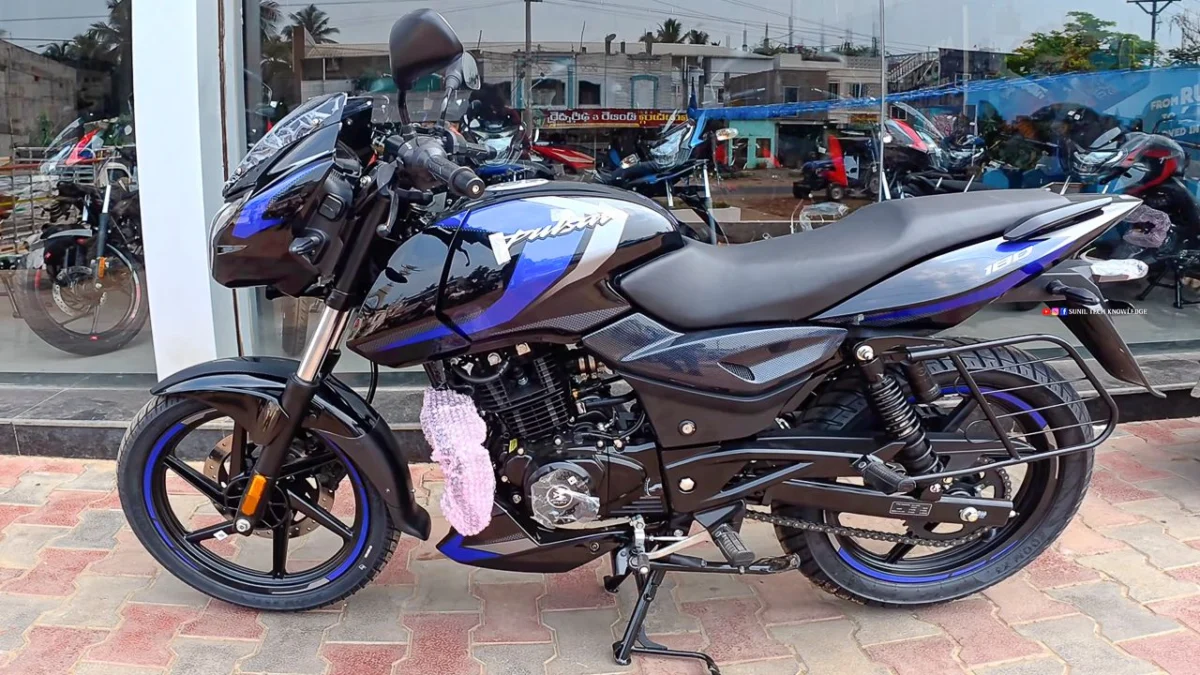
The standout performer remains the Pulsar range, which continues to be the "bread and butter" of the organization. Accounting for a staggering 66.37% of the total domestic sales, the Pulsar lineup sold 1,31,031 units in April 2026. Simultaneously, the Chetak electric scooter has emerged as a powerhouse in the green mobility space, now representing over 17% of the company’s total domestic footprint.
2. Chronology: The Evolution of Bajaj’s Market Strategy (2025–2026)
To understand the April 2026 results, one must look at the strategic maneuvers Bajaj Auto executed over the preceding twelve months.

- Mid-2025: The Premium Push: Following the successful launch of the larger-capacity Pulsar and Dominar variants in late 2024, Bajaj focused on "premiumizing" its showrooms. This move was designed to cater to the growing middle class looking for "lifestyle" motorcycles rather than mere "utility" commuters.
- Late 2025: Chetak Expansion: Bajaj aggressively expanded its Chetak dealership network, moving beyond Tier-1 cities into Tier-2 and Tier-3 markets. This expansion, coupled with the introduction of more affordable Chetak variants, set the stage for the massive YoY surge seen in April 2026.
- Early 2026: The CNG Experiment: Bajaj introduced the "Freedom" CNG motorcycle, a world-first, aiming to disrupt the high-fuel-cost commuter segment. While the initial hype was significant, the April 2026 data shows a cooling period for this technology, with sales dropping by 35.15% as the market waits for wider CNG infrastructure and long-term reliability reports.
- April 2026: The culmination of these efforts resulted in a portfolio that is increasingly weighted toward high-margin premium bikes and future-ready electric vehicles, even as the traditional "Platina" and "CT" commuter brands face headwinds.
3. Supporting Data: A Granular Analysis of Segment Performance
The Pulsar Dynasty: A Tale of Two Ends
The Pulsar range’s 5.66% YoY growth masks a significant internal shift in consumer behavior.
- The Commuter Pulsars (111cc-150cc): The 111-125cc segment, while still the highest volume contributor at 71,350 units, saw a 9.91% YoY decline. Similarly, the 126-150cc category dropped by 20.20% to 11,992 units. This suggests that the entry-level sporty commuter is being squeezed by both the rising cost of ownership and the appeal of electric scooters.
- The Performance Pulsars (151cc-350cc): In contrast, the performance segments saw explosive growth. The 151-200cc range grew by 45.55% (36,198 units). Most impressively, the 201-250cc category grew by 138.50%, moving 10,494 units. The newly repositioned 250-350cc Pulsar models also found 997 new homes, signaling Bajaj’s successful entry into the mid-capacity touring space.
The Electric Surge: Chetak’s Dominance
The Chetak electric scooter is perhaps the most significant success story of April 2026. With 34,304 units sold compared to 19,216 in April 2025, the 78.52% growth rate is a testament to Bajaj’s manufacturing prowess and brand trust. The Chetak is now firmly established as the company’s second-highest selling product, effectively filling the volume gap left by declining commuter motorcycle sales.
The Niche Gains: Avenger and Dominar
The "leisure riding" segment showed healthy signs of life:
- Avenger: Sales rose by 72.16% (1,756 units), suggesting a resurgence in interest for affordable cruisers.
- Dominar: The flagship brand grew by 54.64% to 1,234 units. The breakdown shows 416 units in the 250cc class and 818 units in the 350cc+ category, proving that Bajaj is successfully attracting riders who previously might have looked toward international brands or Royal Enfield.
The Commuter Struggle
The most concerning data points lie in the economy segment:
- Platina: Sales fell 16.68% to 24,737 units.
- CT: Sales declined 6.00% to 3,711 units.
- Freedom (CNG): A sharp 35.15% drop to 644 units.
4. Official Context: Market Sentiment and Industry Response
While Bajaj Auto has not released a formal press statement regarding the specific April 2026 breakdown, industry analysts and internal sources point to several key factors driving these numbers.
Analysts suggest that the decline in the 100-125cc segment is a nationwide trend, not unique to Bajaj. "The rural economy, which typically drives Platina and CT sales, has been slower to recover from inflationary pressures compared to urban markets," noted a senior automotive analyst from a Mumbai-based brokerage. "Conversely, the urban youth are gravitating toward the Pulsar 200/250cc range and the Chetak, viewing them as status symbols and technologically superior options."
Regarding the Freedom CNG motorcycle’s decline, insiders suggest that production bottlenecks and the limited geographical availability of CNG filling stations have hampered the "initial excitement" phase. However, the company remains committed to the platform, viewing it as a long-term alternative to expensive petrol.

On the EV front, Bajaj’s focus on building a robust supply chain for the Chetak has paid off. While competitors have struggled with battery safety concerns and subsidy fluctuations, Bajaj’s "legacy-grade" engineering has positioned the Chetak as a reliable, premium choice in the electric two-wheeler market.
5. Implications: What This Means for the Future of Bajaj Auto
The April 2026 sales data serves as a blueprint for Bajaj Auto’s roadmap for the remainder of the decade. Several critical implications can be drawn:
1. The "Premiumization" Pivot is Permanent:
Bajaj is no longer just a "value-for-money" commuter brand. The massive growth in the 200cc+ segments indicates that the company is successfully transitioning into a premium lifestyle brand. This shift is likely to improve profit margins, as higher-capacity bikes command better prices than entry-level models.
2. The EV Transition is Accelerating:
With the Chetak now accounting for nearly 18% of domestic sales, Bajaj is ahead of many of its legacy peers in the race to electrification. If this trajectory continues, we could see electric vehicles making up 25-30% of Bajaj’s domestic volume by 2028. This reduces the company’s vulnerability to future emissions regulations and fluctuating fuel prices.
3. Rethinking the Commuter Strategy:
The continued decline of the Platina and CT brands suggests that the "bottom of the pyramid" in the Indian motorcycle market is shrinking or moving toward second-hand markets and electric alternatives. Bajaj may need to refresh these brands with radical features or consider phasing out underperforming low-capacity models to focus on high-growth segments.
4. The Battle for the 250cc-500cc Segment:
The entry into the 250-350cc category with both Pulsar and Dominar variants shows Bajaj’s intent to challenge the dominance of Royal Enfield and the burgeoning mid-capacity offerings from Hero-Harley and TVS-BMW. This "middleweight" segment is the new battleground for profitability in the Indian two-wheeler industry.
Conclusion
Bajaj Auto’s April 2026 performance is a story of a legacy giant successfully reinventing itself. By leaning into its strongest brand (Pulsar) and embracing the future (Chetak), the company has managed to grow despite the softening of its traditional base. As the year progresses, the industry will be watching closely to see if the "Freedom" CNG experiment can be revived and if the Chetak can eventually challenge the Pulsar for the top spot in the Bajaj hierarchy. For now, the "Pulsar-Chetak" duo remains the undisputed engine of Bajaj’s domestic success.