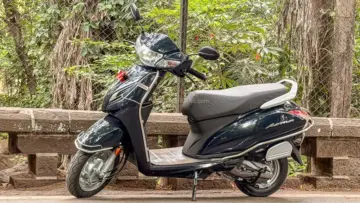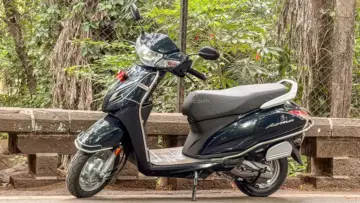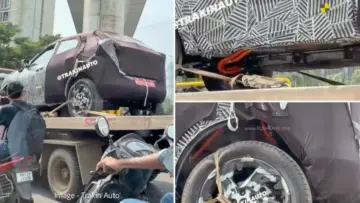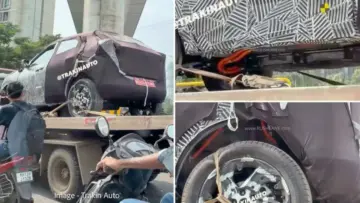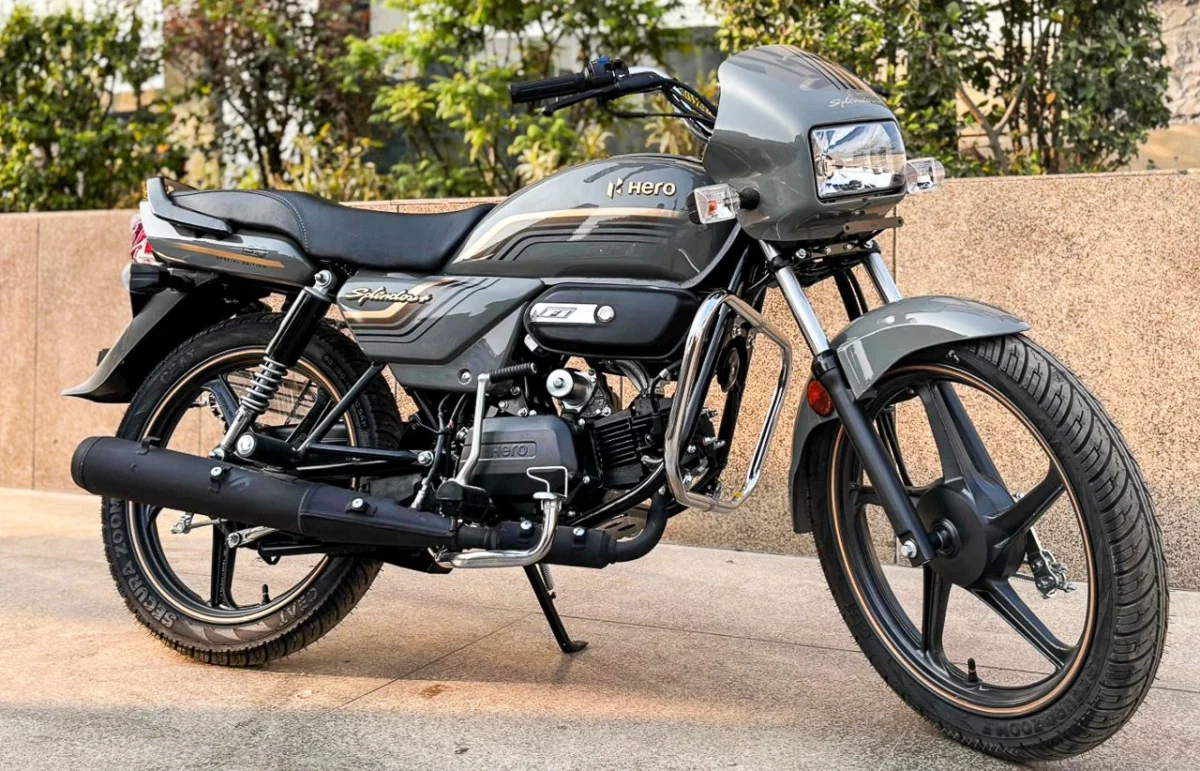
In a move that signals a tectonic shift in India’s automotive landscape, Hero MotoCorp, the world’s largest manufacturer of motorcycles and scooters, is poised to unveil its first-ever flex-fuel production motorcycle on June 3rd. This milestone marks a critical juncture in the country’s pursuit of energy security and environmental sustainability. While the specific model remains under wraps, industry insiders point toward the iconic Splendor or the rugged HF Deluxe—the brand’s most prolific sellers—as the primary candidates to receive the E85 (85% ethanol blend) treatment.
This launch is not merely a product debut; it is a strategic alignment with the Indian government’s aggressive roadmap to reduce its staggering oil import bill and transition toward a self-reliant, "Atmanirbhar" energy ecosystem.
Main Facts: The Dawn of the Flex-Fuel Era
The upcoming launch on June 3rd represents Hero MotoCorp’s transition from conceptual prototypes to market-ready solutions. Flex-fuel vehicles (FFVs) are engineered to run on a variety of fuel blends, ranging from pure gasoline to high-concentration ethanol blends like E85 or even E100.
The Frontrunners: Splendor and HF Deluxe
The decision to potentially debut this technology on the Splendor or HF Deluxe platform is a calculated masterstroke. The Splendor has remained India’s bestselling motorcycle for decades, serving as the backbone of rural and semi-urban mobility. By integrating flex-fuel technology into its mass-market commuters, Hero MotoCorp ensures that the benefits of ethanol—lower fuel costs and reduced emissions—reach the widest possible demographic.
Technical Specifications and Expectations
Unlike current E20-compliant engines, which are designed for a 20% ethanol mix, an E85-capable engine requires significant hardware and software recalibration. Ethanol is more corrosive than petrol and has a lower energy density. Therefore, Hero’s new bike is expected to feature:
- Modified Fuel Systems: Corrosion-resistant fuel tanks, lines, and seals.
- Advanced ECU Mapping: A sophisticated Engine Control Unit (ECU) capable of detecting ethanol percentages in real-time and adjusting ignition timing and fuel injection accordingly.
- Enhanced Cold-Start Capabilities: Ethanol has lower volatility, making cold starts difficult; Hero is expected to have addressed this through specialized sensors and heating elements if necessary.
Chronology: India’s Journey Toward Ethanol Autonomy
The road to the June 3rd launch has been paved by years of policy shifts and technological showcases.
- 2020–2022: The Government of India accelerated the Ethanol Blended Petrol (EBP) program, moving the target for 20% ethanol blending (E20) from 2030 forward to 2025.
- 2023: E20 fuel became available at select fuel stations across major Indian cities, signaling the readiness of the retail infrastructure.
- Early 2024: Honda Motorcycle and Scooter India (HMSI) briefly showcased the CB300F Flex-Fuel, proving that high-displacement engines could handle the transition.
- Bharat Mobility Global Expo 2025: Hero MotoCorp stole the limelight by showcasing a flex-fuel prototype based on the HF Deluxe. This prototype served as the functional precursor to the production model arriving this June.
- May 2024: Reports emerged of Royal Enfield testing a Classic 350 E85 variant, while TVS showcased the Raider 125 Flex-Fuel, indicating an industry-wide rush toward the technology.
- June 2024: A pivotal month for the "Ethanol Economy." Hero MotoCorp’s launch on June 3rd will be followed closely by Maruti Suzuki’s launch of its E100 flex-fuel car on June 5th, coinciding with World Environment Day.
Supporting Data: The Economics of Ethanol
The transition to flex-fuel is driven by compelling economic data. India currently imports over 85% of its crude oil requirements. By shifting toward ethanol—a biofuel derived primarily from sugarcane, corn, and agricultural waste—the country can retain billions of dollars within its domestic economy.

Cost Implications for Consumers
Manufacturing a flex-fuel motorcycle is more expensive than a standard internal combustion engine (ICE) bike. Estimates suggest that the production cost for 100cc to 125cc commuter bikes will rise by approximately Rs 4,000 to Rs 7,000. This increase is attributed to the specialized materials required to handle ethanol’s chemical properties and the more complex sensors needed for fuel management.
The GST Factor
Currently, petrol motorcycles under 350cc are subject to an 18% Goods and Services Tax (GST). In contrast, electric vehicles (EVs) enjoy a subsidized rate of 5%. Industry bodies and manufacturers are lobbying the government to extend similar tax benefits to flex-fuel vehicles. A reduction to the 5% or 12% GST bracket would completely offset the increased production costs, making E85 bikes price-competitive with—or even cheaper than—their petrol counterparts.
Sales Dominance
Hero MotoCorp’s dominance in the entry-level segment is undisputed. With monthly sales often exceeding 400,000 units across its portfolio, even a partial transition of the Splendor and HF Deluxe lines to flex-fuel could result in millions of liters of petrol being displaced by ethanol within the first year of operation.
Official Responses and Industry Sentiment
The Indian government, led by the Ministry of Road Transport and Highways (MoRTH), has been the primary cheerleader for this transition. Union Minister Nitin Gadkari has frequently emphasized that "Ethanol is the future," citing its potential to boost the income of Indian farmers who provide the raw materials for biofuel production.
Hero MotoCorp’s Strategic Vision
While Hero MotoCorp has remained tight-lipped regarding the exact pricing of the June 3rd launch, the company’s leadership has consistently voiced support for a "multi-pathway" approach to decarbonization. This includes a mix of battery electric vehicles (under the VIDA brand), hydrogen research, and flex-fuel internal combustion engines.
Competitive Landscape
The industry sentiment is one of urgent adaptation.
- TVS Motor Company: Following the showcase of the Raider 125 Flex-Fuel at the 2025 Bharat Expo, TVS is expected to follow Hero’s lead with its own commercial launch later this year.
- Suzuki India: Suzuki has indicated that its future strategy involves a "three-pronged" approach: Electric, Flex-Fuel, and CNG.
- Honda: Having pioneered the technology in the Brazilian market, Honda is expected to re-enter the Indian flex-fuel space with a high-volume commuter model soon.
Implications: Environmental, Geopolitical, and Social
The successful rollout of Hero’s flex-fuel bike carries profound implications that extend far beyond the automotive sector.

1. Energy Geopolitics
By diversifying its energy sources, India reduces its vulnerability to price shocks in the Middle East and global supply chain disruptions. Ethanol provides a "buffer" fuel that can be produced domestically, ensuring that the country’s mobility remains uninterrupted even during global crises.
2. The Agrarian Boost
The "Ethanol Economy" directly links the prosperity of the Indian farmer to the automotive industry. Increased demand for ethanol creates a steady market for sugarcane and food grain surpluses, providing a vital secondary income stream for rural households. This transition effectively turns India’s agricultural sector into a fuel-producing powerhouse.
3. Environmental Impact
Ethanol burns cleaner than pure gasoline. It contains oxygen, which allows for more complete combustion, leading to lower emissions of carbon monoxide (CO), nitrogen oxides (NOx), and particulate matter. As India grapples with air quality challenges in its major cities, the widespread adoption of E85 bikes could lead to a measurable reduction in urban smog.
4. Consumer Risk Mitigation
One of the most significant benefits of "True Flex-Fuel" vehicles is the elimination of consumer anxiety regarding fuel availability. In a transition period where ethanol blends may vary by region, a flex-fuel engine can seamlessly adapt. Whether a rider fills up with E20, E50, or E85, the bike’s engine will optimize itself, protecting the vehicle from the mechanical damage that can occur when high-ethanol blends are put into non-compliant standard engines.
Conclusion: A Turning Point for Indian Mobility
As June 3rd approaches, the eyes of the global automotive community are on Hero MotoCorp. The launch of an E85-compliant Splendor or HF Deluxe would be more than just a new product entry; it would be a declaration of India’s intent to lead the world in sustainable, affordable mass mobility.
While challenges remain—specifically regarding the scaling of ethanol distillation plants and the finalization of GST structures—the momentum is undeniable. Hero MotoCorp is not just launching a bike; it is launching a new chapter in India’s industrial history, where the fuel of the future is grown in the fields rather than pumped from the earth.