

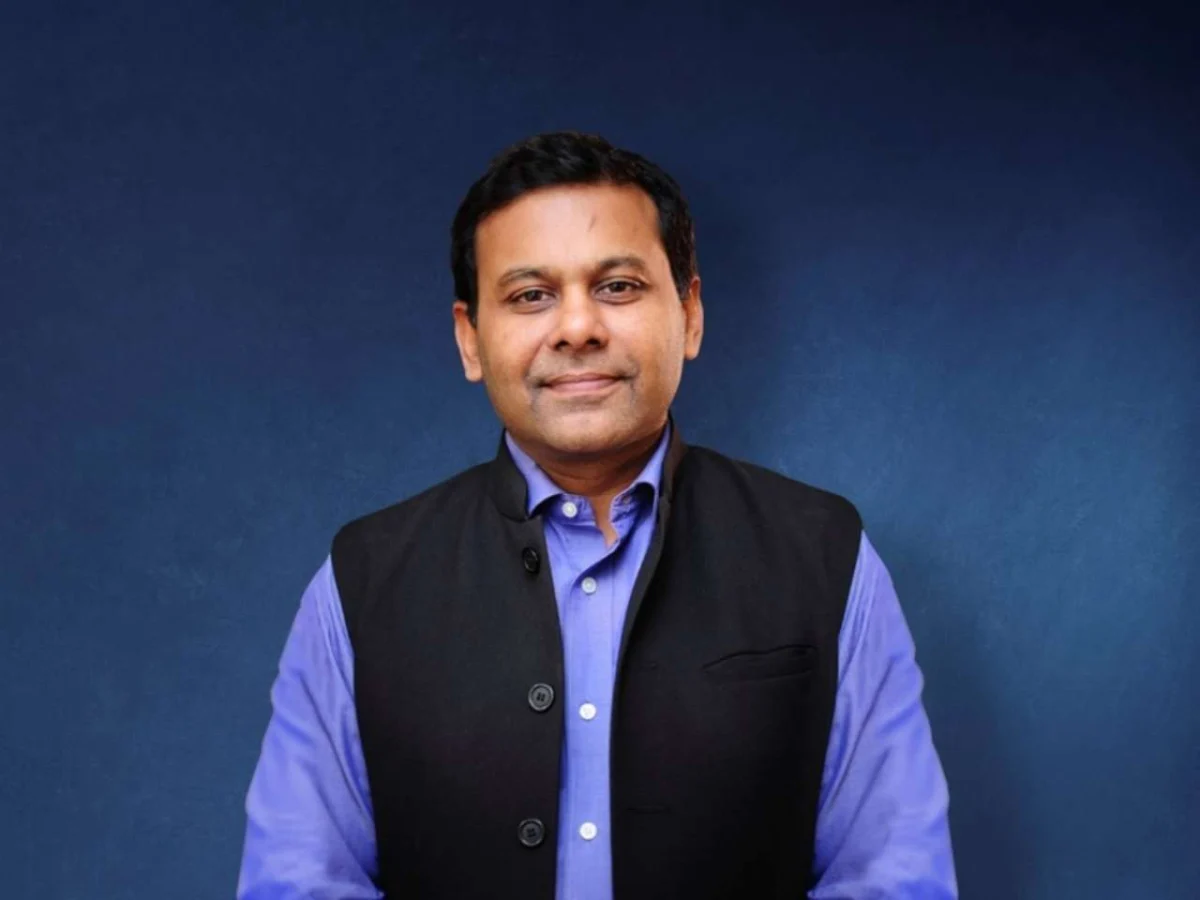
Vineet Gupta, a name increasingly synonymous with transformative higher education in India, has charted a remarkable trajectory from a conventional middle-class upbringing in Chandigarh to becoming a pivotal force behind two of the nation’s most ambitious private universities: Ashoka University and Plaksha University. His journey is not merely one of entrepreneurial success, but a deeply personal quest to address a perceived deficit in the Indian educational landscape, driven by a profound belief in the potential of Indian youth.
Gupta’s early life, shaped by the disciplined environment of a civil servant father, instilled in him the value of education as a pathway to a secure future. While access to good schooling was a given, financial constraints were a constant reality. This formative experience, coupled with his own academic brilliance leading him to the prestigious IIT Delhi, provided him with a unique vantage point on the aspirations and limitations faced by Indian students.
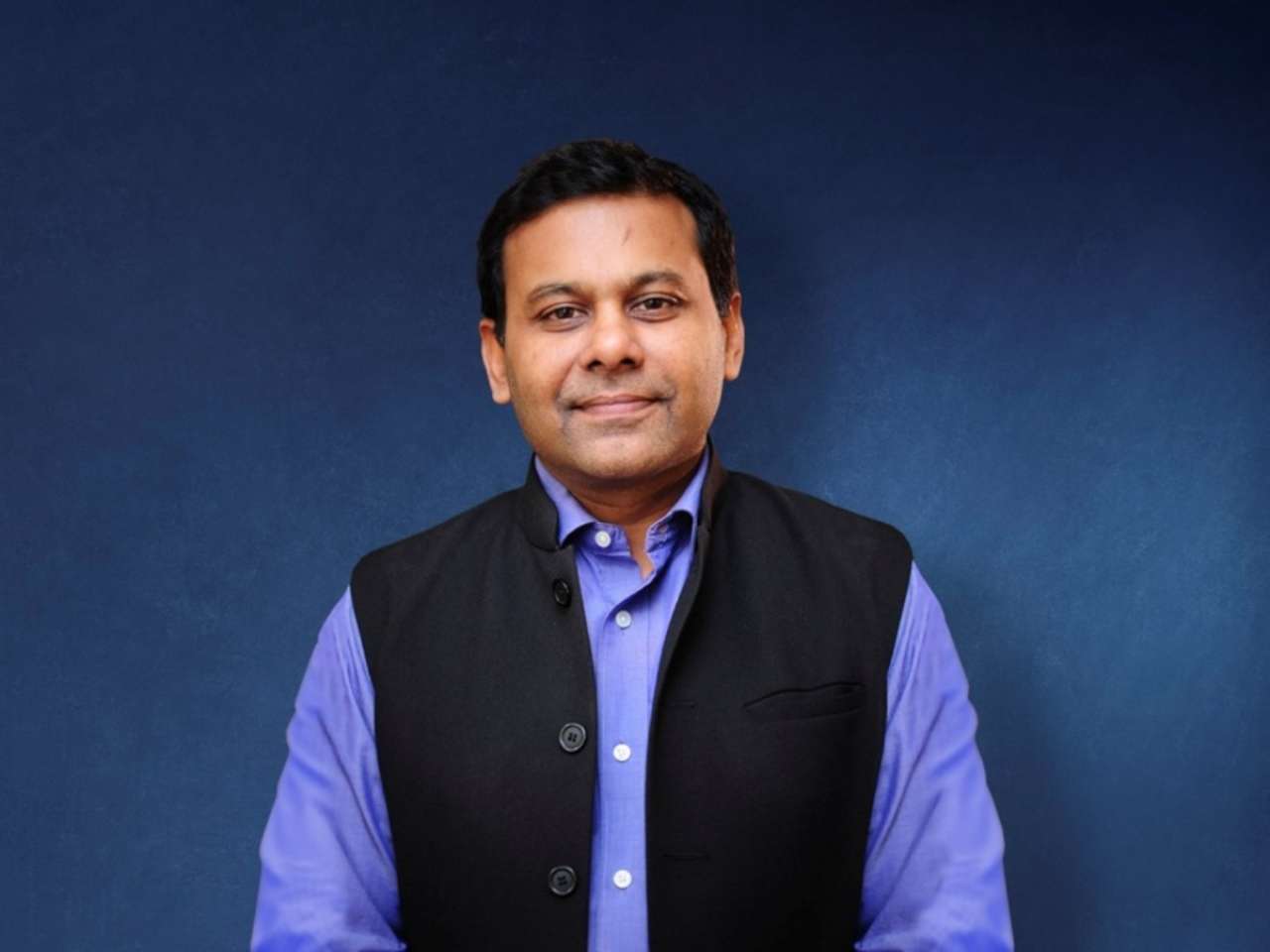
The turning point in Gupta’s career wasn’t a lucrative corporate offer or a prestigious government position, but a deeply rooted concern for the intellectual capital flowing out of India. For years, through Jamboree Education, a company he helped transform into a national leader in overseas education preparation, he witnessed firsthand the exodus of bright Indian minds seeking advanced learning opportunities abroad. This annual migration, while a testament to global recognition of Indian talent, also posed a critical question in his mind: why should India’s brightest have to leave its shores to access world-class education? This introspection became the genesis of his ambitious vision to build institutions that could provide that caliber of education within India itself.
The Genesis of an Idea: From Overseas Admissions to Domestic Excellence
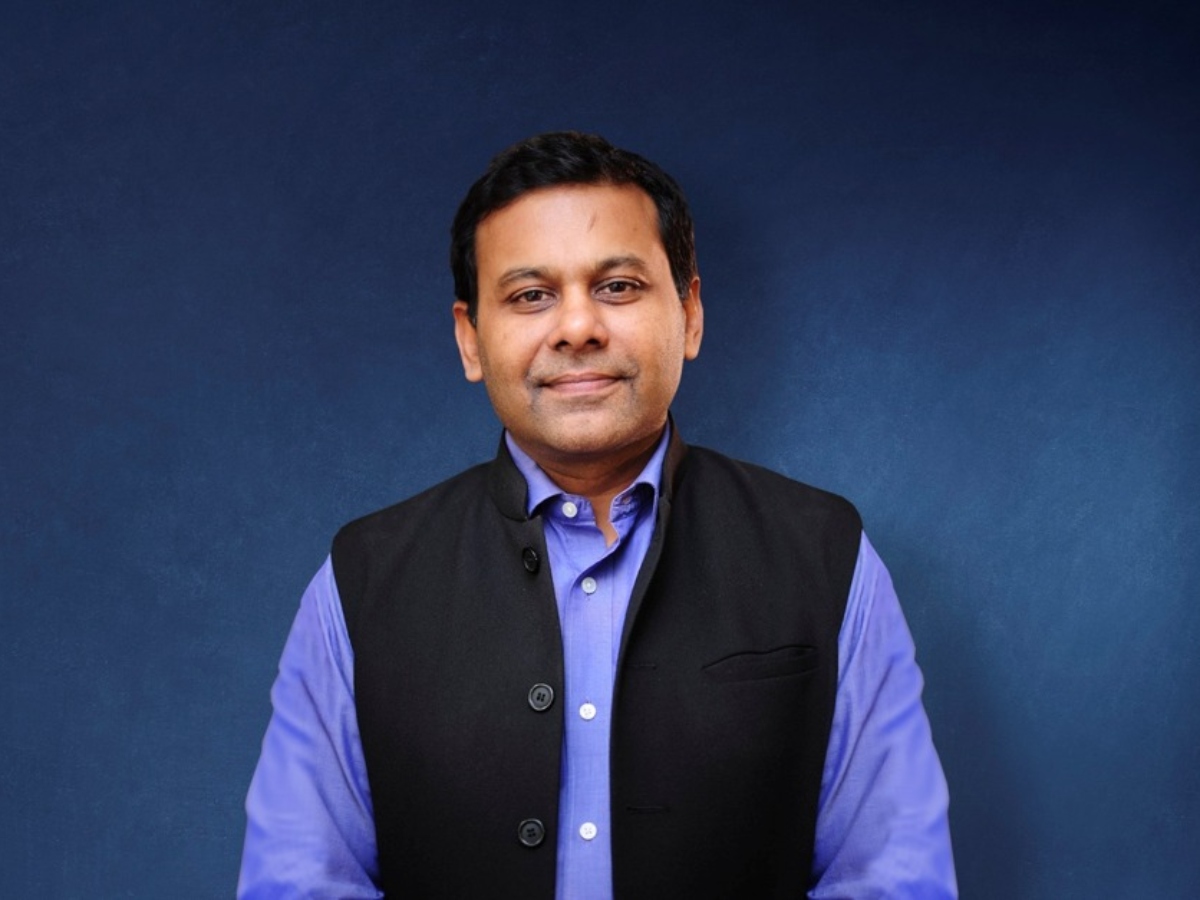
Vineet Gupta’s formative years were steeped in the traditional Indian middle-class ethos, where education was paramount. Growing up in Chandigarh, his father, a senior civil servant, ensured the family valued academic pursuits, even amidst the financial tightness that often accompanied such households. Gupta’s early schooling at St. John’s instilled a strong belief in education as the most reliable route to a stable future.
)
The family’s relocation to Delhi brought Gupta into the vibrant academic milieu of DPS RK Puram. Here, amidst some of the nation’s sharpest young minds, he found himself immersed in a rigorous environment that fostered a deep understanding of the competitive landscape for higher education. The school’s robust IIT preparation culture propelled him towards IIT Delhi, an experience he recalls as profoundly humbling, a realization that brilliance was not confined to any single institution but was a widespread national asset.
Upon graduating from IIT Delhi, Gupta stood at a familiar crossroads for many bright engineers. He had offers from public sector undertakings, opportunities for further studies abroad, and the option to pursue the coveted civil services. However, defying conventional expectations, Gupta chose a different path. Around 1992, with modest capital and the support of his father and a partner, he ventured into the styrofoam packaging business. While the venture proved successful and grew considerably, the inherent challenges of manufacturing in India eventually led him to divest the business by 2005.

It was during this period that another significant chapter in his life began to unfold, this time within his own home. His wife, Akrita Kalra, a gifted educator, had initiated Jamboree Education from their garage. What started as a modest test-prep venture for overseas admissions gradually blossomed into one of India’s most recognized names in the field. Following the sale of his packaging business, Gupta threw his energy into Jamboree, transforming it from a few centers into a nationwide network.
It was within the walls of Jamboree, witnessing the aspirations and achievements of thousands of students, that Gupta’s pivotal realization began to crystallize. He observed a stark disconnect: students scoring an impressive 94-95% were securing admissions to globally renowned institutions like UC Berkeley and the University of Wisconsin-Madison, yet were often left struggling to find places in India’s top universities, where cut-offs frequently soared to 98-99%. This disparity highlighted a significant gap between the quality of education offered domestically and the aspirations of India’s brightest students.
)
A particularly poignant incident solidified this concern. A bright student, accepted into a prestigious overseas university, was unable to pursue his dreams due to his family’s apprehension about sending their only son abroad. Years later, this same student returned to Jamboree for MBA preparation. However, his undergraduate years, spent in an evening college with limited engagement, had visibly dulled the intellectual spark he once possessed. This experience deeply resonated with Gupta. "Somewhere, I felt maybe we are letting down our students," he recalled in a recent conversation. This profound sense of responsibility became the catalyst for his next, and arguably most impactful, endeavor.
The Birth of Ashoka and Plaksha Universities: Addressing the Educational Chasm
The realization that India was losing its intellectual talent to overseas institutions, and that those who stayed often lacked access to comparable educational environments, fueled Gupta’s determination to build something transformative within India. He began to connect with like-minded individuals who shared his vision of establishing high-quality higher education institutions on Indian soil. This collective endeavor led to the conception of Ashoka University, which officially opened its doors in 2014, after being conceptualized around 2007.
)
Ashoka University was founded to fill a critical void in the Indian higher education landscape. At a time when private engineering colleges were proliferating, Ashoka aimed to champion a robust liberal arts and sciences education. The founders recognized the immense value of a well-rounded education that emphasized critical thinking, deep reading, clear writing, and the ability to engage in thoughtful debate. For Gupta, this wasn’t about importing a Western model, but about nurturing engaged citizens capable of contributing meaningfully to society. "Technology has to solve for people and society," he asserts, underscoring the foundational importance of a broad educational base, even in an era increasingly dominated by artificial intelligence.
An engineer by training, Gupta’s vision extended beyond liberal arts. Recognizing the need for innovation in technical education, he and his collaborators then turned their attention to reimagining engineering education. This led to the establishment of Plaksha University, which took shape between 2015-16 and commenced operations in 2021. Plaksha was conceived to move away from the rigid disciplinary silos that often characterized traditional engineering programs. Instead, it embraced a project-based, interdisciplinary model. The university launched pioneering programs such as Computer Science and Artificial Intelligence (ahead of the widespread AI buzz), Robotics and Autonomous Systems, Biosystems Engineering, and Data Science, Economics, and Business. Plaksha’s research agenda is strategically focused on addressing grand challenges in critical areas like health, agriculture, energy, and cybersecurity, aiming to foster a generation of problem-solvers equipped to tackle complex global issues.
)
A Chronology of Visionary Leadership: From Jamboree to University Architect
- Early Life and Education: Vineet Gupta grew up in Chandigarh, received schooling at St. John’s, and later attended DPS RK Puram in Delhi. His academic prowess led him to IIT Delhi, a pivotal experience that shaped his understanding of national talent.
- Entrepreneurial Ventures (circa 1992-2005): After IIT Delhi, Gupta chose an unconventional path, starting a styrofoam packaging business. This venture, while successful, exposed him to the complexities of Indian manufacturing.
- Jamboree Education (circa 2005 onwards): Gupta became actively involved in Jamboree Education, co-founded by his wife Akrita Kalra. He played a crucial role in expanding the test-prep company to a national scale, gaining invaluable insights into the aspirations and challenges of Indian students seeking international education.
- The Germination of Ashoka University (circa 2007): Witnessing the exodus of talent and the perceived limitations of domestic higher education, Gupta began discussions with like-minded individuals, leading to the conceptualization of Ashoka University.
- Launch of Ashoka University (2014): Ashoka University opened its doors, focusing on providing a world-class liberal arts and sciences education in India, aiming to cultivate critical thinking and well-rounded individuals.
- Conception of Plaksha University (circa 2015-16): Recognizing the need for innovative engineering education, Gupta and his collaborators began developing the framework for Plaksha University, emphasizing interdisciplinary and project-based learning.
- Launch of Plaksha University (2021): Plaksha University commenced operations, offering forward-thinking programs in areas like AI, robotics, and biosystems engineering, with a focus on tackling grand societal challenges.
Supporting Data and Impact: A Growing Educational Ecosystem
The growth and impact of Ashoka and Plaksha Universities are increasingly being recognized within India and beyond.
- Ashoka University: As of the latest reports, Ashoka University hosts approximately 4,000 students, with aspirations to expand to around 8,000. The university has rapidly established itself as a premier institution for liberal arts and sciences, attracting renowned faculty and fostering a vibrant academic community. Its alumni are increasingly making their mark in diverse fields, from academia and policy to entrepreneurship and the arts.
- Plaksha University: While younger, Plaksha University is already making significant strides. It currently enrolls about 800 students. The university’s innovative curriculum and focus on emerging technologies have garnered considerable interest from both students and industry. Its research initiatives are poised to contribute to critical advancements in areas vital for India’s future development.
The success of these institutions can be seen not just in student enrollment but also in their ability to attract philanthropic support and forge strategic partnerships. The model of building high-quality private universities in India, championed by Gupta, is proving to be a viable and impactful approach to addressing the nation’s educational needs.
)
The Vision for the Future: Deepening Impact, Not Broadening Reach (For Now)
When asked about future expansion, Vineet Gupta’s current focus remains steadfast: to deepen and strengthen the existing institutions. There are no immediate plans to take Ashoka or Plaksha abroad or establish additional campuses elsewhere in India. The priority is to ensure the quality of education, research, and student experience within their current frameworks.
Gupta, often lauded as an "institution builder," accepts this title with characteristic humility. "I don’t think I ever thought that I want to be called that," he states. "The idea was just to create good institutions." This sentiment underscores his intrinsic motivation, driven by a genuine desire to contribute to the betterment of education and the nation.
)
His journey, from facilitating Indian students’ access to overseas universities to establishing world-class institutions within India, represents a full circle of impact. Vineet Gupta’s legacy is being forged not just in bricks and mortar, but in the minds of the thousands of students who will benefit from the educational paradigms he has helped create, empowering them to shape a brighter future for India and the world.
Implications and The Path Ahead: Redefining Higher Education in India
Vineet Gupta’s endeavors with Ashoka and Plaksha Universities carry profound implications for the future of higher education in India. They represent a significant shift towards private sector leadership in creating institutions that can compete on a global scale, offering alternatives to the often-overcrowded and resource-constrained public universities.
)
The success of Ashoka’s liberal arts model challenges the prevailing notion that a degree in engineering or medicine is the sole path to career success. By emphasizing critical thinking, interdisciplinary learning, and a broad understanding of the humanities and social sciences, Gupta is advocating for a more holistic approach to education that prepares students for the complexities of the 21st century.
Plaksha’s forward-looking engineering programs, with their emphasis on emerging technologies and interdisciplinary problem-solving, are crucial for equipping India with a workforce capable of driving innovation and addressing the nation’s development challenges. The university’s focus on research into grand challenges signals a commitment to making tangible contributions to societal progress.
)
Gupta’s approach also highlights the potential of philanthropic capital and visionary leadership to catalyze significant improvements in the educational sector. The ability to attract substantial investment and build cohesive founding teams is a testament to the compelling nature of his vision.
However, the growth of private universities also raises important questions about accessibility and affordability. While Gupta’s institutions aim to provide world-class education, ensuring that financial constraints do not become a barrier for deserving students will remain a critical challenge. The continued development of robust scholarship programs and financial aid initiatives will be crucial for their long-term inclusivity.
)
The impact of Vineet Gupta’s work extends beyond the immediate student body. By setting new benchmarks for academic excellence, pedagogical innovation, and institutional governance, Ashoka and Plaksha are likely to influence other educational institutions in India, fostering a culture of continuous improvement and adaptation. His journey serves as a powerful example of how entrepreneurial spirit, coupled with a deep-seated commitment to social impact, can redefine the educational landscape and empower the next generation of Indian leaders and innovators.
