

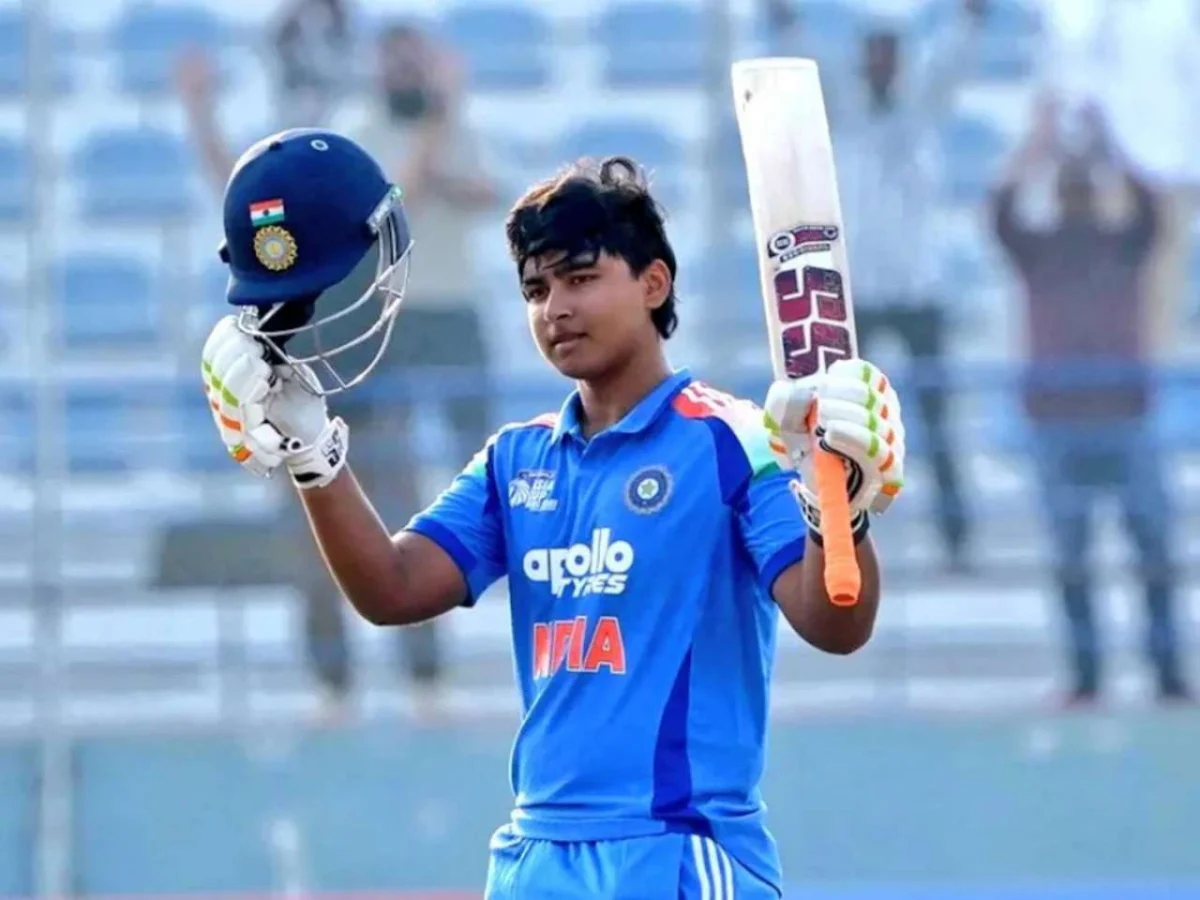
Mumbai, India – In a significant move that underscores its dual commitment to fostering future talent and upholding the highest standards of player welfare, the Board of Control for Cricket in India (BCCI) has outlined a meticulously crafted strategy for young prodigy Vaibhav Sooryavanshi and revealed its robust logistical plans for the upcoming Asian Games in Aichi-Nagoya, Japan. BCCI Secretary Devajit Saikia, speaking after a comprehensive review meeting on Thursday, articulated the board’s cautious yet ambitious approach, drawing parallels between Sooryavanshi’s burgeoning career and the legendary longevity of Sachin Tendulkar. Simultaneously, Saikia shed light on the board’s proactive measures to ensure optimal comfort and performance for the national teams participating in the Asian Games, including unique accommodation solutions and an unprecedented financial commitment to player travel.
The board’s announcements reflect a mature and forward-thinking stance, aiming to prevent promising talents from fading prematurely and to guarantee that India’s cricketing ambassadors receive world-class support on the global stage. This strategic pivot highlights the BCCI’s evolving role not just as a governing body, but as a comprehensive guardian of Indian cricket’s present and future.
BCCI’s Vision for Vaibhav Sooryavanshi: Beyond the ‘One-Year Wonder’
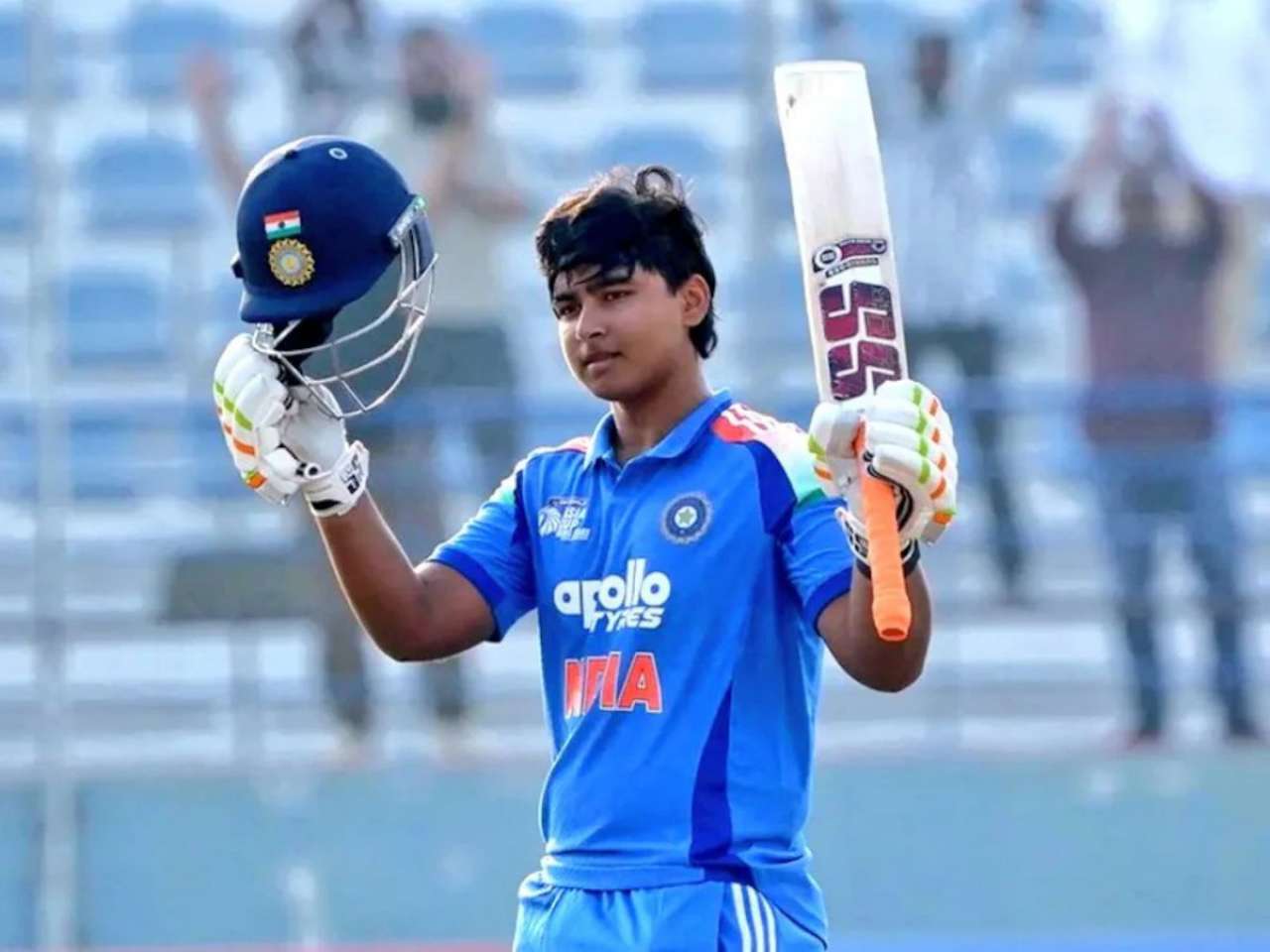
The cricketing world is abuzz with the name Vaibhav Sooryavanshi. At a tender age of 15, the young southpaw has already started attracting significant attention, raising hopes that he could be the next big thing in Indian cricket. However, the BCCI, through its Secretary Devajit Saikia, has made it unequivocally clear that while they are proud of Sooryavanshi’s early impact, their primary focus is on cultivating a sustained, illustrious career rather than celebrating a fleeting moment of brilliance. This cautious approach is rooted in a deep understanding of the pressures and pitfalls that often accompany early stardom.
The Phenomenon of Vaibhav Sooryavanshi: A Glimpse into the Future
Vaibhav Sooryavanshi’s talent has resonated across domestic circuits, marking him as an exceptional prospect for his age. While the exact "international stage" impact alluded to by Saikia might refer to his performances in age-group tournaments or emerging player initiatives, the very mention of a 15-year-old by the BCCI Secretary signals the immense potential and buzz surrounding him. In a nation where cricket is a religion, a young talent like Sooryavanshi quickly becomes the subject of intense scrutiny and soaring expectations. His performances have evidently been compelling enough to capture the attention of the highest echelons of Indian cricket administration, a rare feat for someone so young.
)
The excitement is palpable, but the BCCI’s message is one of tempered optimism. They recognize the delicate balance between nurturing raw talent and protecting a young athlete from the overwhelming glare of public expectation. The journey from a promising junior to a consistent international performer is fraught with challenges, both on and off the field.
Secretary Saikia’s Cautious Approach: A Lesson from History
Devajit Saikia’s statements resonate with a deep sense of responsibility. "BCCI is proud to have a 15-year-old making an impact on the international stage," Saikia stated, acknowledging the remarkable achievement. However, he quickly added a crucial caveat: "But we’re being careful—every step he takes needs to be the right one. We aren’t looking for a one-series or one-year wonder." This declaration is a powerful indicator of the board’s long-term developmental philosophy. The emphasis is not on immediate gratification or media hype, but on meticulous planning and steady progression.

The term "one-year wonder" perfectly encapsulates the phenomenon of talents who explode onto the scene with dazzling performances, only to fizzle out under pressure, injuries, or an inability to adapt. The BCCI’s proactive stance aims to shield Sooryavanshi from this fate. This involves a multi-faceted approach that extends beyond mere cricketing skills, encompassing physical conditioning, mental resilience, and structured exposure. The board intends to guide and support Sooryavanshi, ensuring he develops a robust foundation for an enduring career.
Echoes of Tendulkar and Legends: A Blueprint for Longevity
Perhaps the most telling aspect of Saikia’s address was the comparison drawn to Sachin Tendulkar. "We see Vaibhav the way we once looked at Tendulkar and other legends," Saikia revealed. This is an extraordinary endorsement, placing immense psychological weight on the young shoulders of Sooryavanshi. However, it also clarifies the BCCI’s aspiration: to cultivate not just a cricketer, but a cricketing institution, much like Tendulkar became.
)
The board’s commitment to "monitor his progress from every angle" and "pay close attention to every move he makes in his career" suggests a comprehensive developmental program. This likely involves:
- Specialized Coaching: Tailored coaching modules focusing on technique refinement, strategic understanding, and skill enhancement.
- Workload Management: Careful monitoring of his playing schedule to prevent burnout and injury, ensuring a gradual increase in intensity and exposure.
- Mental Conditioning: Providing access to sports psychologists and mentors to help him navigate the pressures of fame, expectations, and performance fluctuations.
- Educational Support: Ensuring his academic pursuits are not entirely sidelined, fostering a well-rounded individual.
- Gradual Exposure: Introducing him to higher levels of cricket incrementally, allowing him to adapt and gain experience without being overwhelmed.
This holistic approach aims to provide Sooryavanshi with the tools and environment necessary not just to succeed, but to thrive for decades, mirroring the illustrious careers of India’s cricketing stalwarts.
)
The Perils of Early Stardom: A Historical Perspective
The BCCI’s caution is well-founded, drawing lessons from the annals of cricket history. The sport is replete with tales of prodigies who shone brightly but briefly. From every generation, there are young cricketers who capture imaginations with their precocious talent, only to find the transition to senior international cricket an insurmountable hurdle. The reasons are varied:
- Immense Pressure: The weight of national expectations, media scrutiny, and the constant demand for performance can be suffocating for young minds.
- Technical Challenges: Bowlers and batsmen at the senior level are often more skilled and strategic, exposing technical flaws that went unnoticed in junior cricket.
- Physical Demands: The rigours of professional cricket, with its demanding schedules and intense training, require a level of physical endurance and robustness that many young players are yet to fully develop.
- Mental Fortitude: The ability to bounce back from failures, manage slumps in form, and maintain focus over long seasons is a crucial mental attribute that takes time to cultivate.
- Off-Field Distractions: Early fame can bring distractions that detract from the single-minded focus required to excel at the highest level.
By proactively addressing these potential pitfalls, the BCCI aims to provide Sooryavanshi with a stable and supportive ecosystem, allowing him to mature into his potential at his own pace.
)
The BCCI’s Holistic Development Model: Implications for Future Talent
The strategy for Vaibhav Sooryavanshi is not an isolated incident but indicative of a broader, more formalized approach to talent nurturing within the BCCI. This move could set a new benchmark for how cricketing boards worldwide manage their most promising young assets. It implies:
- Enhanced Scouting and Identification: A more refined system to identify not just talent, but also potential longevity and temperament.
- Structured Pathways: Clearer, more supportive pathways from junior to senior cricket, with defined stages of development and assessment.
- Increased Investment in Support Staff: Greater emphasis on sports science, psychology, and specialized coaching at all levels of junior cricket.
- Culture of Patience: Fostering a culture within Indian cricket that prioritizes long-term development over immediate results, especially for very young players.
This holistic development model, if consistently applied, has the potential to produce a conveyor belt of well-rounded, resilient cricketers, ensuring India’s continued dominance on the international stage for years to come.
)
Asian Games Logistics: Ensuring Player Comfort and Performance
Beyond the long-term vision for individual talents, the BCCI is also demonstrating an unwavering commitment to the immediate welfare and performance of its national teams. As India prepares to send its men’s and women’s T20 squads to the Asian Games in Aichi-Nagoya, Japan, the board has taken decisive action to preemptively address potential logistical challenges, particularly concerning player accommodation.
The Aichi-Nagoya Challenge: Cricket’s Return to the Multi-Sport Arena
The inclusion of cricket in multi-sport events like the Asian Games presents unique logistical challenges. While the event offers a significant platform for cricket’s global expansion, it also means integrating a highly professional sport into a broader, often more rudimentary, multi-sport village setup. Such environments, while fostering camaraderie among athletes from different disciplines, sometimes fall short of the specific needs and comforts expected by elite international cricketers, who are accustomed to bespoke arrangements during bilateral series or ICC tournaments.
)
Concerns regarding facilities for the men’s and women’s T20 events had reportedly surfaced, prompting the BCCI to act swiftly and decisively behind the scenes. This proactive engagement reflects a commitment to ensuring that Indian cricketers, regardless of the tournament format or host, operate in conditions conducive to peak performance.
Addressing Accommodation Concerns Behind the Scenes: A Swift Response
The BCCI’s internal deliberations and subsequent actions underscore its meticulous approach to player welfare. Upon becoming aware of potential issues with the standard accommodation arrangements in Japan, the board wasted no time in escalating its concerns. They swiftly conveyed their apprehensions to the Indian Olympic Association (IOA), making it unequivocally clear that the comfort and privacy of their athletes were non-negotiable.
)
This immediate intervention demonstrates the BCCI’s powerful influence and its readiness to leverage its standing to protect its players. The board’s decisive action highlights a shift towards a more player-centric approach, where athlete well-being is prioritized over conventional logistical norms of multi-sport events.
The ‘No Room Sharing’ Mandate: Prioritizing Privacy and Performance
A key outcome of the BCCI’s intervention was the firm mandate: "no player will have to share a room." This decision, while seemingly minor, is profoundly significant. In professional sports, privacy and personal space are crucial for an athlete’s mental well-being, rest, and preparation. Sharing rooms, a common practice in multi-sport villages, can disrupt sleep patterns, reduce privacy, and add unnecessary stress, potentially impacting performance.
)
By insisting on individual rooms, the BCCI has sent a strong message about its commitment to professional standards and player comfort. This ensures that each cricketer has their dedicated space for recovery, strategizing, and personal time, which is vital during an intense tournament schedule. It reflects an understanding that optimal performance stems not just from training, but also from adequate rest and a stress-free environment.
Public Stance vs. Private Action: A Calculated Approach
Interestingly, while the BCCI was actively working behind the scenes to resolve these issues, Secretary Saikia maintained a measured public stance. "There’s no such issue on our agenda. We don’t foresee any trouble in Japan," he told reporters, downplaying any public perception of problems. This is a common, calculated approach in high-stakes sports administration: address concerns privately and effectively, while publicly projecting confidence and stability.
)
However, Saikia’s assurances came with a powerful caveat: "If anything comes up, we’ll step in and make sure our players and staff get the best possible support—whether from the organisers or, if needed, from the BCCI directly." This statement reinforced the board’s unwavering commitment to its players and staff, making it clear that if existing arrangements proved insufficient, the BCCI was prepared to bypass conventional channels and implement its own solutions. He explicitly stated that if the need arises, the BCCI will "set up its own system to guarantee top facilities for its teams," demonstrating the board’s financial and logistical muscle.
Unconventional Arrangements: Cruise Ships and Hotels
The logistical solution devised by the BCCI is notably unconventional. The men’s team is slated to stay on a cruise ship, while the women’s squad will be accommodated in a hotel. This split setup reflects the complex logistical realities of the event and the board’s adaptability.
)
The decision to house the men’s team on a cruise ship is particularly intriguing. While it offers unique amenities and a distinct environment, it also presents novel challenges and opportunities.
- Pros of Cruise Ship Accommodation: Potential for enhanced security, self-contained facilities (gyms, dining, entertainment), and a change of scenery that could reduce the monotony of a typical hotel stay. It also guarantees privacy and single rooms, fulfilling the BCCI’s mandate.
- Cons/Considerations: Proximity to venues, potential for motion sickness (though large cruise ships are generally stable), and ensuring the ship’s environment is conducive to athlete rest and focus.
The women’s team, on the other hand, will be in a hotel, a more traditional arrangement. This dual approach underscores the BCCI’s flexibility in finding the best possible solutions for each squad, likely based on venue proximity, availability, and specific team requirements.
)
Unwavering Financial Commitment: Business Class Travel and Self-Funding
Perhaps the most striking testament to the BCCI’s commitment to player welfare is its financial outlay. The board has decided to handle all airfare for its players and will not take funding from the Sports Ministry. Furthermore, every cricketer will fly business class.
This decision is significant for several reasons:
)
- Financial Independence: By self-funding, the BCCI asserts its robust financial health and its autonomy. It chooses to invest its own resources to ensure optimal conditions for its players, rather than relying on government support.
- Player Comfort and Recovery: Business class travel, especially for long-haul flights, significantly reduces travel fatigue. It allows players to rest, stretch, and arrive in better physical condition, which is crucial for immediate performance in a tournament setting. This commitment elevates the travel experience to match international elite sporting standards.
- Prestige and Respect: Providing business class travel reflects the high regard the BCCI holds for its national cricketers. It signals that they are elite athletes deserving of premium comfort and care.
This level of financial commitment for player logistics in a multi-sport event is arguably unprecedented for Indian sports federations and sets a new benchmark for player welfare.
The Travel Itinerary: A Meticulous Schedule
The meticulously planned travel schedule further illustrates the BCCI’s organizational prowess. The women’s team is set to depart for Japan on September 14 and will return on September 23, indicating a concentrated nine-day involvement. The men’s squad will travel from September 21 to October 4, suggesting a slightly longer tournament window for them. These precise dates allow for optimal preparation and recovery time, minimizing disruptions to their overall cricketing calendars.
)
Setting a New Benchmark: BCCI’s Dual Commitment to Talent and Team
The recent announcements from BCCI Secretary Devajit Saikia paint a clear picture of a cricketing board operating with a strategic, long-term vision and an unwavering commitment to its players. The twin focus on nurturing young prodigies like Vaibhav Sooryavanshi and ensuring elite logistical support for national teams at events like the Asian Games speaks volumes about the organization’s current priorities.
A Model for Player Development
The blueprint for Vaibhav Sooryavanshi could well become a model for responsible player development in Indian cricket. By prioritizing longevity over fleeting fame, and by providing comprehensive support systems, the BCCI aims to cultivate not just exceptional cricketers, but resilient individuals capable of handling the immense pressures of international sport. This approach ensures that the pipeline of Indian cricketing talent remains robust and capable of producing consistent performers for decades.
)
Elevating Player Welfare Standards
The meticulous attention to detail regarding the Asian Games logistics – from the "no room sharing" mandate to business class airfare and self-funding – signifies a significant elevation in player welfare standards. The BCCI is demonstrating that it views its cricketers as invaluable assets, deserving of the best possible environment to perform and thrive. This commitment not only enhances player morale and performance but also strengthens India’s reputation as a leading sporting nation that prioritizes its athletes.
India’s Global Sporting Presence
These actions collectively contribute to enhancing India’s global sporting presence. By nurturing top-tier talent and ensuring world-class support for its teams, the BCCI is not just focused on cricket but is also setting an example for other sports federations within the country. It reinforces the image of India as a serious contender on the international sporting landscape, backed by robust administrative and financial structures.
)
Challenges Ahead
While the vision is clear and the actions commendable, challenges will always remain. Maintaining a consistent developmental pipeline, managing player workloads across formats, adapting to evolving cricketing landscapes, and sustaining the highest standards of player welfare will require continuous vigilance and innovation. However, the current strategic direction articulated by Devajit Saikia suggests a board well-equipped and determined to navigate these complexities.
In conclusion, the BCCI’s recent declarations underscore a sophisticated approach to managing Indian cricket – one that balances the excitement of emerging talent with a pragmatic long-term vision, and combines administrative foresight with an unyielding commitment to player comfort and performance. As Vaibhav Sooryavanshi embarks on his journey to emulate legends, and as the national teams represent India with pride in Japan, the strategic hand of the BCCI will be guiding every step, ensuring that Indian cricket continues to scale new heights.
