

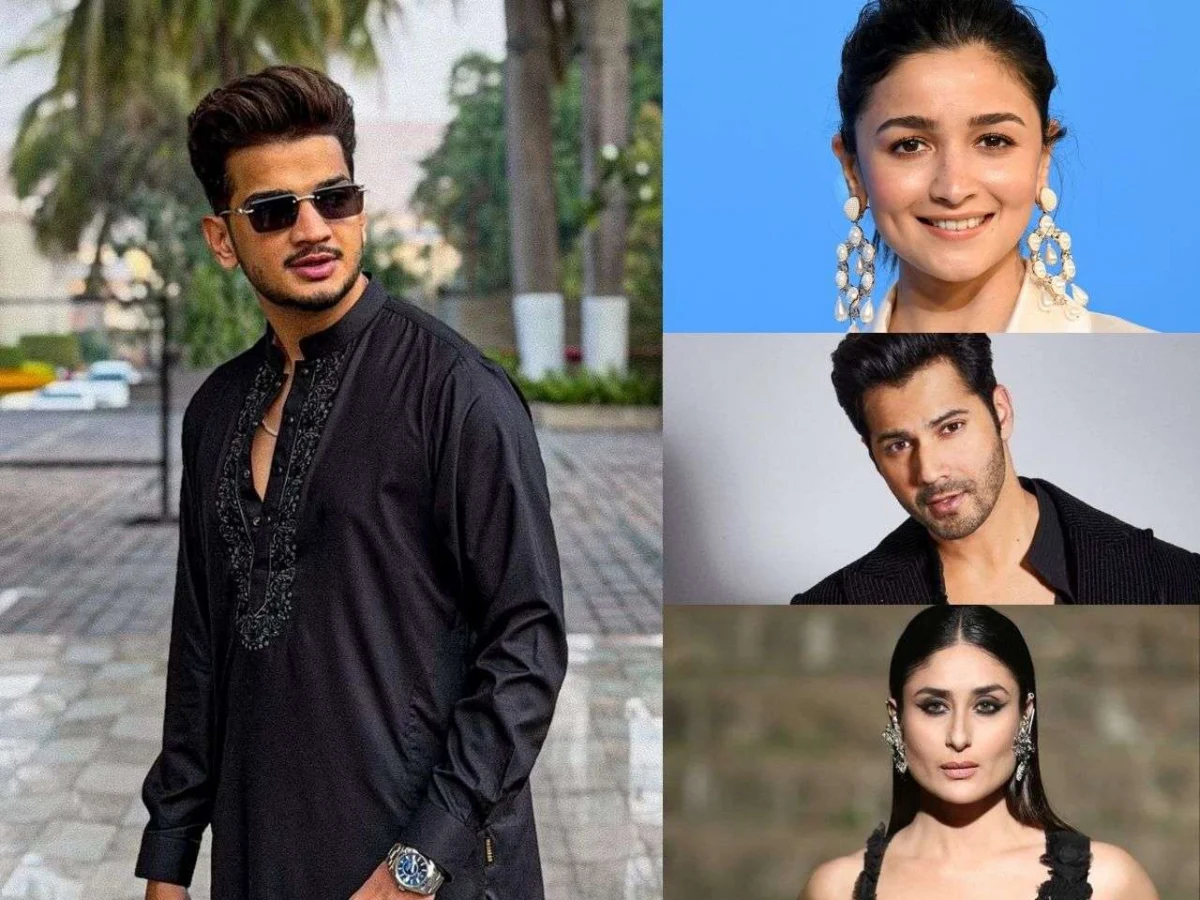
Mumbai, India – July 24, 2026 – The Indian entertainment industry, often lauded for its influential voice, is facing sharp criticism from comedian Munawar Faruqui, who has publicly lambasted Bollywood for its seemingly synchronized and delayed response to a significant student protest. Faruqui alleges that prominent figures within the Hindi film industry chose to remain conspicuously silent for weeks, only breaking their silence after Prime Minister Narendra Modi addressed the issue on his social media platform. This reactive approach, he argues, smacks of opportunism and a lack of genuine courage, undermining the very essence of advocacy and support.
The controversy centers around a nationwide student protest, which, according to reports, had been ongoing for approximately 25 days prior to the widespread Bollywood statements. During this period, the majority of Bollywood’s A-listers maintained a deafening silence, a stark contrast to their occasional pronouncements on various social and political matters. While a few personalities like Hrithik Roshan, Preity Zinta, and Salman Khan did offer some form of commentary, their reach and impact were reportedly limited in addressing the core concerns of the protesting students.
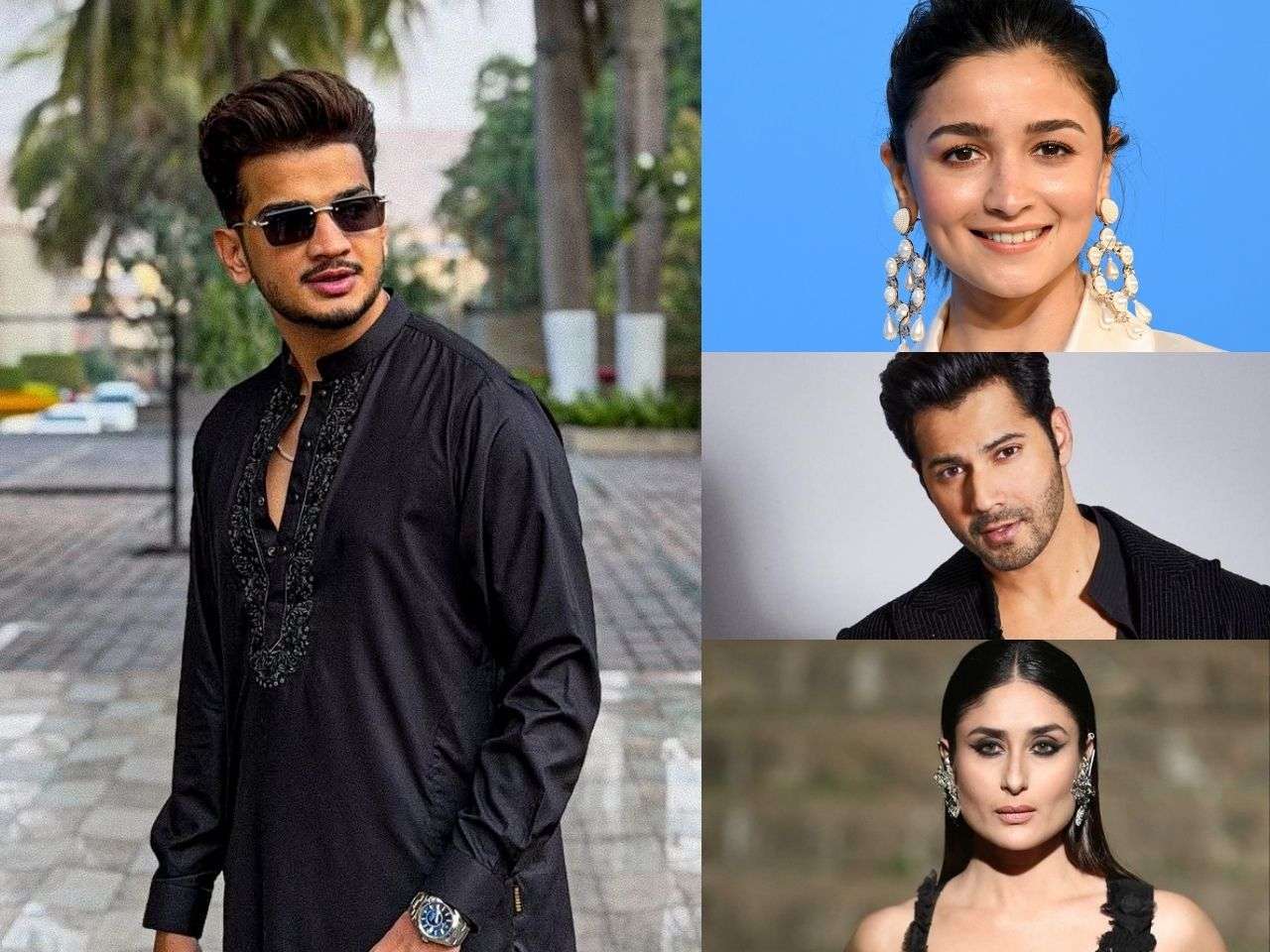
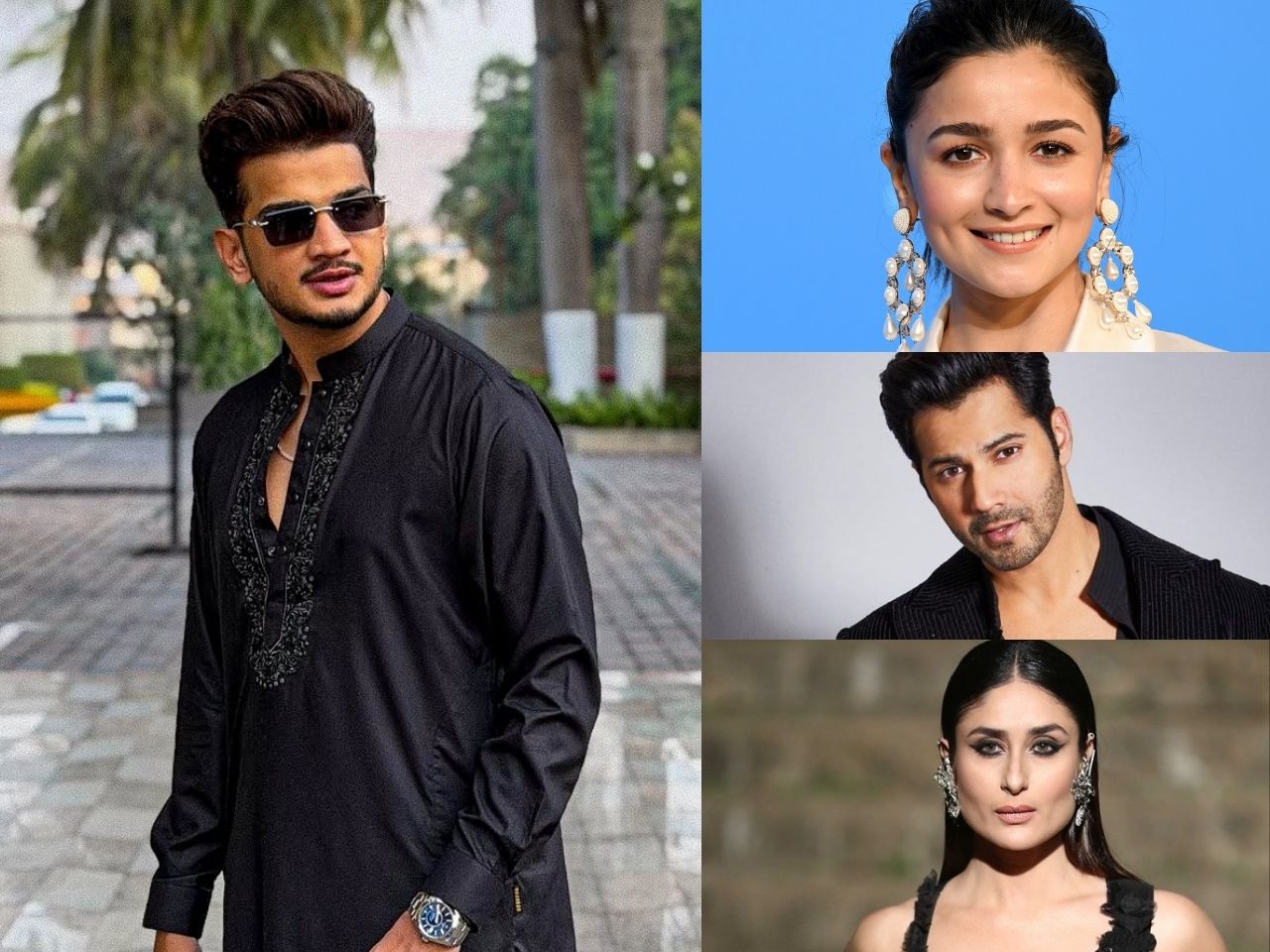
The narrative shifted dramatically when Prime Minister Narendra Modi issued a statement on the matter via social media. This official acknowledgment appeared to be the catalyst for a cascade of reactions from a host of Bollywood celebrities, including Varun Dhawan, Alia Bhatt, Kareena Kapoor Khan, and Sara Ali Khan, among others. Their sudden outpouring of support, however, has been met with considerable skepticism and accusations of opportunism, with Munawar Faruqui at the forefront of this critique.
The Silence Before the Storm: A Chronology of Apparent Indifference
The student protest, a significant movement involving young citizens articulating their grievances, reportedly began around late June or early July 2026. For nearly a month, the issue simmered, gaining traction across various media platforms and sparking discussions among the public. During this crucial initial phase, the Bollywood fraternity, a powerful collective with a substantial following and the potential to amplify critical messages, largely remained inactive.
)
Sources suggest that initial attempts to garner support from Bollywood for the student movement were met with limited success. While a handful of actors, whose names have been cited as Hrithik Roshan, Preity Zinta, and Salman Khan, offered some commentary, their statements were either too generalized or did not fully engage with the nuances of the student’s demands. This perceived lack of robust engagement from the wider industry was noted and, in many quarters, lamented as a missed opportunity to lend significant weight to the cause.
The turning point, according to critics, arrived on or around July 24, 2026. Following Prime Minister Narendra Modi’s direct engagement with the issue on social media, a noticeable shift occurred. Within a short span, a significant number of Bollywood actors, many of whom had been silent until this point, began posting messages of solidarity and concern for the students. This synchronized timing has fueled allegations that the industry was awaiting an implicit green signal or a cue from the highest echelons of political power before expressing its views.
)
Faruqui’s Fiery Rebuke: "Convenience, Not Courage"
Stand-up comedian Munawar Faruqui, a popular figure known for his candid observations and outspoken nature, did not mince words in his condemnation of Bollywood’s apparent tardiness. In a strongly worded statement disseminated across his social media channels, Faruqui articulated the widespread sentiment of disappointment and frustration.
"It’s disappointing that most celebrities suddenly finding their voice only after the PM spoke and public sentiment shifted," Faruqui stated, directly addressing the perceived timidity of the industry. He elaborated on the prolonged period of silence, highlighting the sacrifices and struggles faced by the protesting students. "For the last 25 days, most stayed silent while young people took to the streets, faced criticism, and paid the price for speaking up."

Faruqui’s critique extended to the very nature of their support, questioning its authenticity. He posited that genuine advocacy stems from conviction and courage, not from calculated responses to shifting public opinion or political directives. "If you’re going to take a stand, do it without fear, not only when it’s safe. Support driven by pressure or public opinion isn’t courage; it’s convenience," he asserted, drawing a clear distinction between principled activism and opportunistic pronouncements.
Furthermore, Faruqui suggested that an earlier and more vocal intervention from influential Bollywood personalities could have potentially altered the trajectory of the protest. "Had more influential voices spoken up weeks earlier, perhaps the situation wouldn’t have escalated the way it did," he remarked, implying that the industry’s delayed response may have contributed to the prolonged nature of the student’s struggle and the associated controversies.
)
The Digital Uproar: Netizens Echo Faruqui’s Sentiments
The immediate aftermath of Munawar Faruqui’s statement saw a groundswell of support from netizens who echoed his sentiments. Social media platforms became a battleground for discussions, with many users lauding Faruqui for his honesty and courage in calling out what they perceive as Bollywood’s hypocrisy.
Online comments reflected a shared disillusionment with the film industry’s selective activism. One user aptly described Bollywood as a "flock of sheep," suggesting that their collective actions are often dictated by the herd mentality rather than individual conviction. The idiom "dekha dekhi paap, dekha dekhi punya" (seeing others sin, seeing others do good) was invoked to illustrate how Bollywood celebrities allegedly follow suit, acting only when a trend or a perceived safe path emerges.
)
Another common refrain was the perceived lack of "spine" among Bollywood personalities. This metaphorical critique suggests a deficiency in moral courage, where individuals are seen as unwilling to take a stand on principle unless there is minimal risk or significant social validation.
It is important to note that the criticism is not directed at the fact that actors have reacted, but rather when and why they have reacted. The timing of their engagement, coinciding with the Prime Minister’s statement, has been the primary point of contention.
)
Supporting Data and Context: The Broader Landscape of Celebrity Activism
The critique of Bollywood’s delayed response is not an isolated incident. The Indian entertainment industry has a complex history with social and political activism. While some actors and filmmakers have consistently used their platform to advocate for various causes, others are perceived as more reticent, often engaging with issues only when they gain significant public traction or when there is a clear indication of political alignment.
The student protest in question is reportedly linked to issues of national significance, and the involvement of young citizens in voicing their concerns highlights the democratic process. The silence of influential voices during such critical junctures can be interpreted in various ways:
)
- Risk Aversion: The Indian entertainment industry, heavily reliant on commercial success and public perception, often treads carefully on politically sensitive issues. Fear of backlash, boycotts, or alienating a significant portion of their audience can lead to self-censorship.
- Strategic Engagement: Some argue that celebrities might choose their battles strategically, focusing on issues where their voice can have the most impact or where they feel personally invested. However, the sheer scale and duration of the student protest challenge this notion.
- Influence of Power Structures: The accusation that Bollywood waits for cues from political leadership suggests an underlying awareness of power dynamics and a desire to avoid confrontation with influential figures. This can be seen as a form of self-preservation within the existing socio-political framework.
- The Rise of Social Media: While social media empowers celebrities to connect directly with their fans, it also amplifies scrutiny. Every statement is dissected, and delayed or seemingly insincere reactions are quickly called out, as evidenced by the online reaction to the Bollywood celebrities’ posts.
The contrast is often drawn with the South Indian film industry, where some prominent stars have been perceived as more vocal on various issues, regardless of political affiliations. However, even within the pan-Indian film circuit, some major stars like Prabhas, Allu Arjun, Jr NTR, Ram Charan, and Yash have reportedly remained silent on the students’ plight, further highlighting the varied approaches to celebrity activism across different regional film industries and among individual personalities.
Official Responses and Implications
As of the reporting date, the primary official response to the student protest that seems to have triggered Bollywood’s engagement came from Prime Minister Narendra Modi via social media. The precise content of his statement and its timing are crucial to understanding the subsequent celebrity reactions. Without a direct quote or detailed summary of the Prime Minister’s intervention, it is difficult to ascertain the exact nature of his engagement and its intended impact.
)
However, the implication of Munawar Faruqui’s critique and the ensuing public reaction is significant. It points to a growing public expectation for authenticity and proactive engagement from influential figures, especially on issues concerning youth and democratic rights.
The implications of this incident are multifaceted:
)
- Erosion of Trust: When celebrities appear to align their stances with political pronouncements, it can erode public trust in their sincerity and their commitment to genuine advocacy. This can lead to cynicism and a dismissal of their voices altogether.
- The Power of Silence: The prolonged silence of Bollywood highlights how inaction can also be a powerful statement, often interpreted as complicity or indifference.
- Shifting Public Discourse: The internet and social media have democratized opinion-making, empowering individuals like Munawar Faruqui to challenge established narratives and hold powerful institutions accountable.
- Responsibility of Influence: The incident raises questions about the responsibility that comes with influence. Celebrities are not just entertainers; they are cultural icons whose words and actions can shape public opinion. The expectation is that this influence should be wielded responsibly and with genuine conviction.
- Future Engagement: It remains to be seen whether this episode will lead to a more proactive and principled approach to social and political issues within the Bollywood fraternity, or if the pattern of reactive engagement will persist. The continued scrutiny from the public and personalities like Faruqui suggests that the industry will be under a microscope, with its future pronouncements likely to be met with a critical eye.
In conclusion, Munawar Faruqui’s sharp critique of Bollywood’s delayed response to the student protest has ignited a crucial conversation about the industry’s role in societal discourse. The allegations of opportunism and a lack of courage resonate with a public increasingly demanding authenticity and proactive engagement from its idols. As the dust settles, the incident serves as a potent reminder that in the age of instant communication and heightened public awareness, silence can be as telling as a statement, and the timing of one’s voice can speak volumes about their motivations.
