

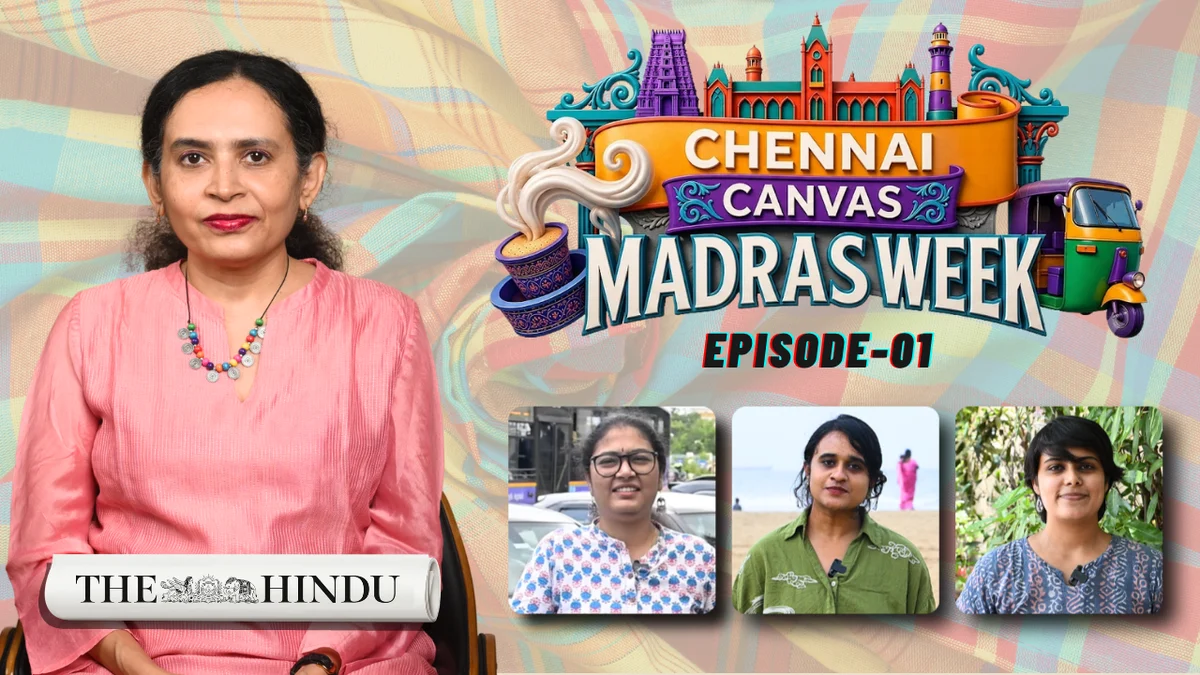
Chennai, India – August 26, 2026 – As Chennai, formerly Madras, embarks on its annual homage during Madras Week, a compelling new video series by The Hindu, titled "Chennai Canvas," offers a poignant and insightful exploration of the city’s multifaceted evolution. The inaugural episode, released today, delves deep into the narratives that have sculpted Chennai’s unique identity, focusing on three pivotal aspects: the dramatic metamorphosis of its skyline, the dynamic and often challenging evolution of its coastline, and the resonant cultural memory embodied by the iconic Safire Theatre. This first installment sets a captivating tone for the week-long series, promising to revisit the city’s changing landscapes, celebrate its iconic landmarks, and evoke the enduring memories that bind its people to their beloved metropolis.
The Ascent of the Metropolis: From Horizon to High-Rises
Chennai’s skyline, once characterized by a predominantly flat expanse punctuated by traditional temple gopurams and colonial-era structures, has undergone a breathtaking transformation over the decades. This episode of "Chennai Canvas" meticulously traces this vertical ascent, showcasing how the city has embraced modernity and urban growth with towering skyscrapers that now define its modern silhouette.
H3: Early Foundations and Colonial Imprints
In its nascent stages, Madras was a sprawling settlement, its development guided by the East India Company. The urban fabric was largely horizontal, with administrative buildings, churches, and residential quarters spread across the landscape. Iconic structures like Fort St. George, the Madras High Court, and the Ripon Building, while historically significant, were imposing yet remained grounded, contributing to a sense of stately grandeur rather than vertical ambition. The early 20th century saw the emergence of a few multi-storeyed buildings, primarily for commercial and institutional purposes, but these were exceptions rather than the rule.
H3: The Post-Independence Boom and the Dawn of Modern Architecture
The post-independence era ushered in an era of rapid industrialization and population growth for Chennai. This demographic surge necessitated a re-evaluation of urban planning and land utilization. The concept of vertical expansion began to take root, driven by economic aspirations and the need to accommodate a burgeoning workforce. The latter half of the 20th century witnessed the construction of the first generation of modern office buildings and residential complexes that began to push the boundaries of the city’s traditional skyline.
H3: The 21st Century Skyscraper Era
The turn of the millennium marked a significant acceleration in Chennai’s vertical development. The IT revolution, coupled with a robust service sector and increasing foreign investment, fueled an unprecedented boom in commercial real estate. The city became a magnet for businesses, leading to the construction of sprawling IT parks and corporate headquarters that now dominate key areas like T. Nagar, Guindy, and the Old Mahabalipuram Road (OMR) corridor. Residential high-rises, offering modern amenities and panoramic views, also proliferated, catering to the aspirations of a growing middle and upper-middle class.
H3: Visualizing the Change: Archival Footage and Expert Commentary
"Chennai Canvas" employs a rich tapestry of archival footage, photographs, and interviews with urban planners, architects, and long-time residents to illustrate this dramatic shift. Viewers are transported back in time to witness the city’s low-rise past, contrasted with contemporary aerial shots that highlight the dense concentration of modern skyscrapers. Experts discuss the architectural styles that have characterized different eras, from the Art Deco influences of the mid-20th century to the sleek, glass-and-steel structures of today. They also touch upon the challenges associated with this rapid vertical growth, including infrastructure strain, environmental considerations, and the impact on the city’s traditional character.
The Ever-Shifting Sands: Chennai’s Dynamic Coastline
Chennai’s identity is inextricably linked to its coastline, a vibrant and ever-changing frontier that has witnessed the ebb and flow of trade, urbanization, and environmental forces. Episode 1 of "Chennai Canvas" dedicates a significant segment to exploring the complex narrative of Chennai’s coastline, from its historical significance to the contemporary challenges of erosion and development.
H3: The Colonial Port and the Birth of Maritime Trade
The establishment of the Madras Port in the late 19th century was a pivotal moment in the city’s history. It transformed Chennai into a crucial maritime hub, facilitating trade and commerce with the rest of the world. The construction of the port, along with the development of surrounding infrastructure, began to shape the coastline, influencing sediment movement and coastal dynamics. This era marked the beginning of human intervention on a large scale, laying the groundwork for future transformations.
H3: Urbanization’s Embrace and the Pressure on the Shores
As Chennai grew into a bustling metropolis, its coastline became an attractive location for urban development. Residential areas, commercial establishments, and recreational spaces began to encroach upon the natural contours of the shore. This relentless urbanization, coupled with the construction of more port facilities and coastal infrastructure, exerted immense pressure on the delicate ecosystem. The episode highlights how the expansion of built environments has often led to the alteration of natural sand dunes and vegetation, crucial for coastal protection.
H3: The Scourge of Erosion: A Growing Concern
In recent decades, Chennai has grappled with the escalating problem of coastal erosion. The relentless pounding of waves, exacerbated by factors such as rising sea levels, altered sediment transport due to upstream dams and coastal structures, and the impact of cyclones, has led to significant land loss in many areas. The episode showcases the visible impact of erosion on beaches like Marina and Besant Nagar, where once-expansive sandy stretches have receded, threatening coastal properties and livelihoods. Expert analyses delve into the scientific reasons behind this erosion, including the disruption of natural sand replenishment cycles and the impact of climate change.
H3: Efforts Towards Preservation and Sustainable Development
"Chennai Canvas" also sheds light on the ongoing efforts to mitigate coastal erosion and promote sustainable development along Chennai’s coastline. This includes discussions on the implementation of coastal protection measures, such as seawalls and groynes, and their effectiveness. The episode also explores the importance of mangrove restoration, beach nourishment projects, and stricter regulations on coastal construction to safeguard this vital natural resource. The voices of environmental activists and coastal community representatives offer a crucial perspective on the challenges and aspirations for a resilient coastline.
Echoes of the Past: The Enduring Memory of Safire Theatre
Beyond the tangible transformations of the skyline and coastline, "Chennai Canvas" delves into the intangible realm of cultural memory, focusing on the poignant legacy of the Safire Theatre. The episode uses the story of this once-iconic cinema hall to explore how places become repositories of collective memory and how their absence can leave a void in the city’s cultural landscape.
H3: A Palace of Dreams: The Golden Era of Safire
For generations of Chennai residents, Safire Theatre was more than just a cinema hall; it was a cultural landmark, a place where memories were made, and dreams were lived out on the silver screen. The episode evokes nostalgia through black-and-white photographs and anecdotal accounts of its heyday. It recalls the grandeur of its architecture, the thrill of its premieres, and the shared experience of watching blockbuster films within its hallowed halls. Safire was a symbol of entertainment, romance, and community gathering, embodying a significant chapter in the city’s social history.
H3: The Inevitable March of Time and Change
The narrative of Safire Theatre mirrors the broader story of urban change. As the city evolved and multiplexes with their modern amenities and diverse offerings emerged, the appeal of traditional single-screen cinemas began to wane. The episode touches upon the economic pressures and changing consumer preferences that eventually led to the closure and eventual demolition of Safire. This transition, while perhaps inevitable, represents a loss of a tangible link to the past for many.
H3: Preserving the Intangible: Cultural Memory and Urban Heritage
The story of Safire serves as a powerful reminder of the importance of preserving cultural memory. While the physical structure may be gone, the memories associated with it continue to live on in the minds of those who experienced it. The episode prompts reflection on how cities can better acknowledge and commemorate such significant landmarks, even as they embrace modernity. It raises questions about the balance between progress and preservation, and how to ensure that the essence of a city’s past is not entirely erased by its future.
Implications and Future Trajectories
The inaugural episode of "Chennai Canvas" is more than just a visual documentary; it is a profound reflection on the dynamic nature of urban life. The transformations depicted – the soaring skyline, the shifting coastline, and the fading echoes of cultural icons – are not isolated events but interconnected facets of Chennai’s ongoing evolution.
H3: The Balancing Act of Urban Growth
The rapid vertical expansion of Chennai’s skyline underscores the city’s economic dynamism but also highlights the critical need for sustainable urban planning. As the city continues to grow, ensuring adequate infrastructure, managing traffic congestion, and addressing environmental concerns will be paramount. The episode implicitly calls for a more integrated approach to urban development that considers the long-term impact on the environment and the quality of life for its citizens.
H3: Confronting the Climate Crisis on the Coast
The challenges faced by Chennai’s coastline serve as a stark reminder of the escalating impact of climate change. The increasing frequency and intensity of extreme weather events, coupled with rising sea levels, pose a significant threat to coastal communities and infrastructure. The episode underscores the urgency of implementing robust climate adaptation strategies, investing in resilient infrastructure, and fostering greater community engagement in coastal management.
H3: The Value of Collective Memory in a Modernizing City
The story of Safire Theatre brings to the fore the importance of acknowledging and cherishing the intangible heritage of a city. As Chennai continues to forge ahead, it is crucial to find ways to honor its past and integrate its historical narratives into its modern identity. This could involve memorialization projects, the preservation of historical sites, and the promotion of cultural events that celebrate the city’s rich legacy.
In conclusion, "Chennai Canvas: Madras Week Episode 1" offers a compelling and timely exploration of Chennai’s multifaceted journey. By weaving together narratives of architectural ambition, environmental challenges, and the enduring power of memory, the series promises to be an illuminating experience for residents and admirers of this vibrant South Indian metropolis. The episode serves as a powerful testament to the city’s resilience, adaptability, and the enduring spirit that continues to shape its future while holding dear its invaluable past. The subsequent episodes are eagerly awaited, promising to further unravel the intricate layers of Chennai’s captivating story.
